
Idiopathic Polyradiculoneuritis in Dogs
Acute idiopathic polyradiculoneuritis (ACIP) in canines manifests as a gradual paralysis caused by acute nerve inflammation. While this ailment primarily affects dogs in North America and regions where raccoons are prevalent, its overall incidence remains low. Although any breed can be susceptible, dogs frequently in contact with raccoons, such as hunting dogs or those residing in rural or wooded areas, face heightened risk.
Symptoms associated with ACIP also fall under the classification of coonhound paralysis. It’s important to note that diagnosis of this condition doesn’t necessarily hinge on direct contact with a raccoon.
Symptoms and Types
Symptoms typically emerge 7-14 days following contact with a raccoon:
- Stiff walking pattern
- Generalized sluggish reflexes
- Reduced muscle tone
- Diminished vocal strength
- Difficulty breathing
- Decline in muscle mass
- Facial muscle impairment
- Weakness in all four limbs, potentially advancing to paralysis
- Pain
- Heightened sensitivity to pain stimuli
Causes
The primary cause of ACIP remains unidentified, although a recognized association exists between affected dogs and exposure to raccoon saliva. Suspected causes include viral or bacterial infections, with ongoing research exploring a potential autoimmune connection due to the involvement of the nervous system and neural pathways. It is hypothesized that white blood cells may be targeting the nerves in this condition.
Diagnosis
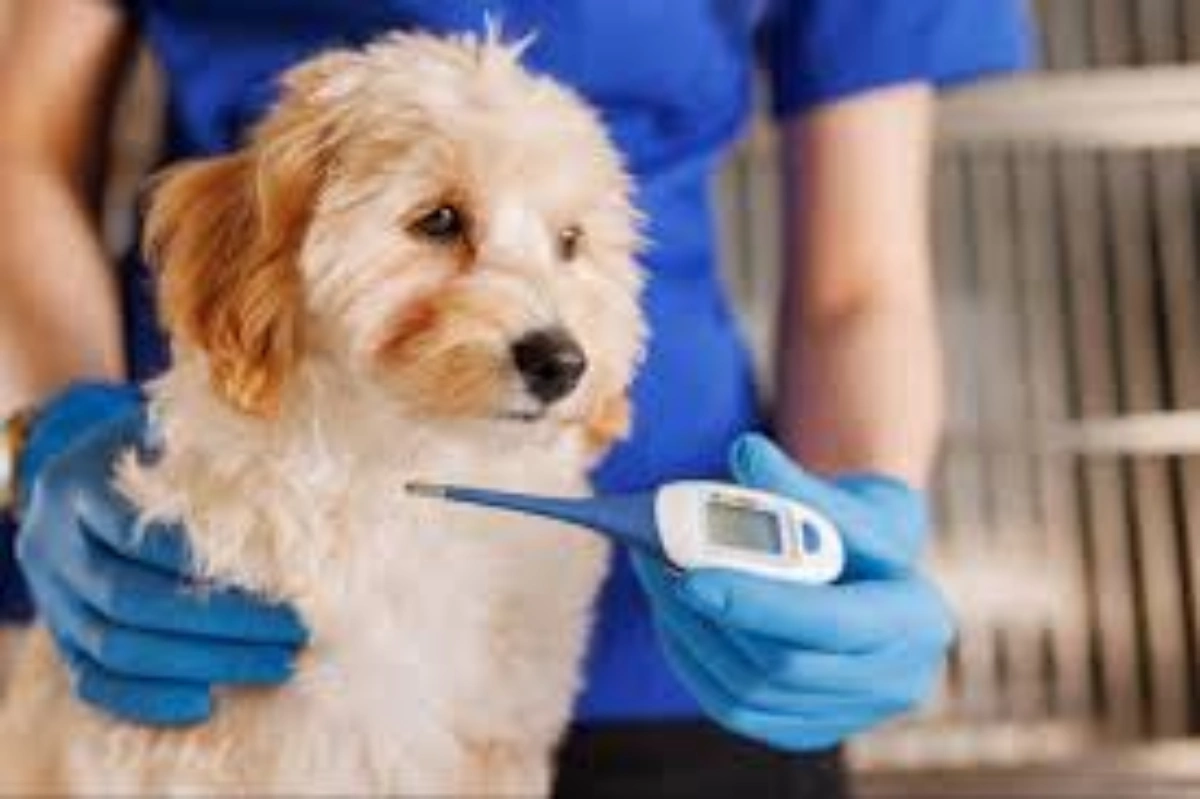
During the diagnosis process, your veterinarian will gather a comprehensive medical history and conduct a thorough physical examination. You’ll be asked about your dog’s health history, symptom onset, and any potential incidents preceding the condition, such as recent contact with raccoons.
Standard laboratory tests, including a complete blood count, biochemistry profile, and urinalysis, will be performed as part of the initial assessment. Typically, these tests yield results within normal ranges. Additionally, more specific evaluations will be conducted, including tests to assess peripheral nerve electric activity abnormalities and analysis of spinal fluid through a spinal tap. Examination of cerebrospinal fluid (CSF) aims to identify specific infections that might contribute to paralysis.
Treatment
Symptoms of the condition may manifest swiftly or progress gradually over days and weeks, as paralysis spreads from the hind legs throughout the body, potentially affecting respiratory function. If breathing difficulties arise due to advanced inflammation, hospitalization may be necessary for a few days until the dog stabilizes.
In severe cases, where respiratory complications arise, ventilator support might be required until the dog’s respiratory system sufficiently recovers. Since affected animals may struggle to drink water, intravenous fluids will be administered by your veterinarian to prevent dehydration. Depending on the disease’s progression, physiotherapy may also be recommended to address generalized muscle atrophy.
Living and Management
A crucial aspect of managing your dog’s recovery is providing attentive home nursing care. Some affected dogs may require special assistance with feeding and drinking, possibly necessitating hand-feeding until they regain their ability to eat independently. Rest is paramount, facilitated by creating a quiet, comfortable space within your home, away from high-traffic areas and disturbances from children or other pets. If controlling your dog’s activity proves challenging, cage rest might be a practical solution.
During rest periods, it’s important to periodically reposition your dog every four hours to prevent pressure sores resulting from prolonged immobility. Regular bathing is necessary to prevent urine and fecal scalding. Throughout the recovery phase, keep outdoor trips brief and slow-paced for urinary and bowel relief, considering a catheter if walking is impaired.
Your veterinarian will outline physiotherapy protocols to prevent further muscle weakness, recommending gentle massages and limb stretching to mitigate excessive muscle atrophy. Veterinary physiotherapy sessions may be necessary over several months to aid in your dog’s rehabilitation. Maintain close communication with your veterinarian, reporting any observed complications or progress during the recovery process. Regular progress evaluations every two to three weeks may be advised to monitor your dog’s recovery trajectory, recognizing that recovery varies among individuals, with some experiencing swift improvement while others may not fully recover. Regardless, consistent home care and therapy are essential components of the recovery journey.
Related Videos