Ear problems are among the most common reasons dogs visit the vet, and most of the time they are straightforward infections that respond well to treatment. But when a dog’s ear issue keeps returning, does not clear up properly, or produces unusual symptoms like bleeding or a visible lump, it is worth looking beyond a standard infection. Ear cancer in dogs, while less common than infections, is a real condition that can develop in the ear canal, ear flap, or surrounding tissue, and early recognition genuinely makes a difference to what treatment can achieve.
What is Ear Cancer in Dogs?
Ear cancer in dogs refers to the abnormal, uncontrolled growth of cells within the structures of the ear. This includes the ear canal, the glands lining it, the ear flap, and occasionally the surrounding skin and tissue. Like all cancers, these growths can be benign, meaning they do not spread to other parts of the body. or malignant, meaning they have the potential to invade surrounding tissue and spread.
The ear canal in dogs is lined with glands that produce protective secretions. When the cells of these glands begin to grow abnormally, they can form tumours that block the canal, cause pain, and disrupt normal ear function. Because the ear canal is a narrow, enclosed structure, even a benign growth can cause significant symptoms and discomfort if it is left to enlarge.
Types of Ear Tumours in Dogs
Understanding the range of ear tumours helps put a diagnosis in context:
| Type | Nature | Common Location | Outlook |
|---|---|---|---|
| Ceruminous adenoma | Benign | Ear canal lining | Good if fully removed |
| Ceruminous adenocarcinoma | Malignant | Ear canal glands | Depends on stage and spread |
| Squamous cell carcinoma | Malignant | Ear flap, canal opening | Guarded; linked to sun exposure in pale ears |
| Inflammatory polyp | Benign, inflammatory | Middle ear, canal | Good with removal |
| Mast cell tumour | Variable (benign to malignant) | Ear flap skin | Requires grading; variable |
Not all growths found in the ear are malignant, and not all require the same level of intervention. What they all have in common is that they need veterinary evaluation rather than home management. Only a biopsy can determine the true nature of any ear growth.
How Ear Cancer Develops in Dogs
Ear cancer in dogs does not appear overnight. Several contributing factors are thought to play a role in its development:
- Chronic or recurrent ear infections that cause long-term inflammation of the ear canal lining
- Repeated exposure to sun on light-coloured or thinly haired ear flaps, which is particularly relevant for squamous cell carcinoma of the pinna
- Age-related cellular changes in middle-aged and older dogs
- Genetic predisposition in certain breeds
- Delayed or inadequate treatment of ear conditions in the past, which allows prolonged inflammation to persist
In many rescued dogs in India, ear infections that were never properly treated or that recurred without investigation may have contributed to conditions that ultimately develop into ear canal tumours. This is not about blame, it reflects the reality of dogs who spent time without access to regular veterinary care.
Symptoms of Ear Cancer in Dogs
The symptoms of ear cancer in dogs often mirror those of a severe or chronic ear infection in the early stages, which is why they can go unrecognised. Here is what to watch for:
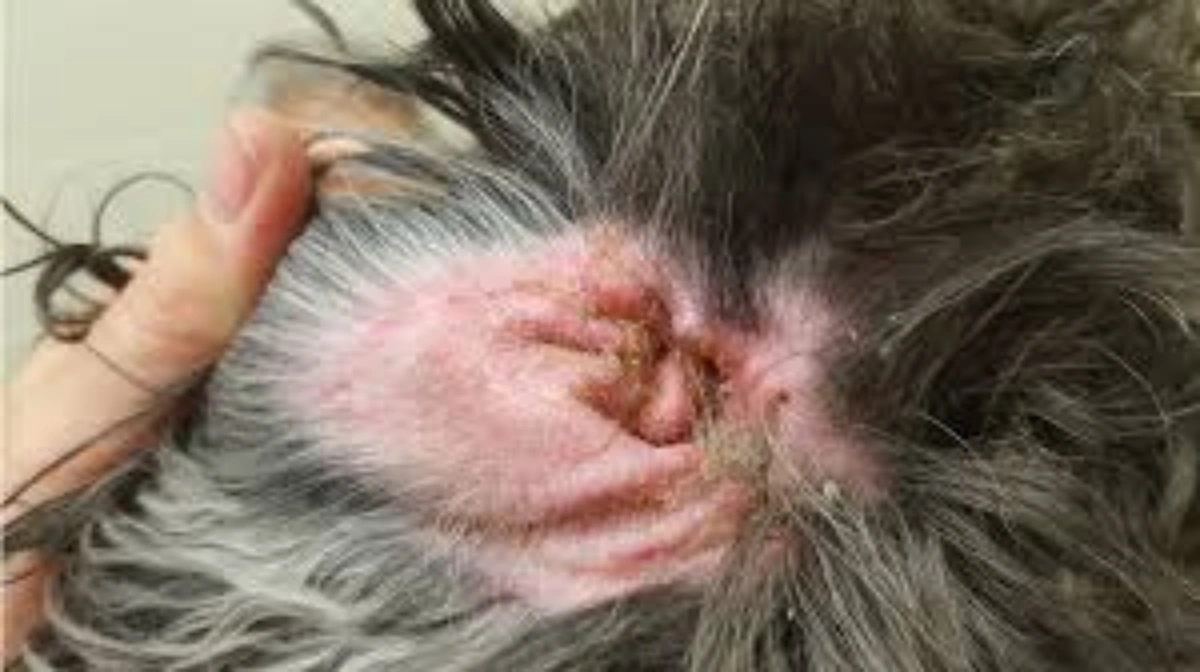
- Persistent ear discharge, which may be waxy, bloody, or purulent
- Foul odour from the ear that persists despite treatment
- Visible swelling, lump, or irregular tissue in or around the ear canal or ear flap
- Bleeding from the ear, whether inside the canal or visible on the flap
- Repeated head shaking or tilting
- Scratching or pawing at the affected ear
- Pain or sensitivity when the ear is touched
- Hearing changes, including apparent deafness on the affected side in advanced cases
- Facial swelling or neurological signs in cases where a malignant tumour has spread beyond the ear
Pay attention to the pattern. A straightforward ear infection typically improves within days to two weeks of appropriate treatment. If the same ear keeps having problems despite correct treatment, or if new symptoms appear such as bleeding or a visible growth, these are signals that something beyond a routine infection may be present.
When an Ear Problem Is Not Just an Infection
The following specific situations should prompt a more thorough investigation rather than another course of ear medication:
- An ear infection that has been treated correctly and recurs within a few weeks
- A visible growth or lump inside the ear canal or on the ear flap
- Blood in the ear discharge where there was none previously
- A smell from the ear that is different from the usual yeasty or bacterial odour
- Progressive hearing loss or balance problems on the affected side
- An ear problem in a dog over seven years of age that has not been fully investigated
Causes and Risk Factors for Ear Cancer in Dogs
Several factors are associated with an increased likelihood of ear cancer in dogs:
- Age: Ear tumours are more commonly diagnosed in dogs over seven to eight years of age. Middle-aged and senior dogs showing persistent ear symptoms always warrant a more thorough examination.
- Chronic ear disease: Long-standing inflammation of the ear canal lining, from repeated infections or untreated otitis, is considered a predisposing factor for glandular tumours in the ear.
- Sun exposure: Dogs with white or lightly pigmented ear flaps that are exposed to significant sunlight over their lifetime have a higher risk of developing squamous cell carcinoma of the pinna. This is particularly relevant for dogs in India with high year-round sun exposure.
- Breed: Certain breeds appear to have higher rates of ear canal tumours, including Cocker Spaniels and other dogs with pendulous ears that are prone to recurrent ear infections.
Related Videos


Diagnosis: How Vets Confirm Ear Cancer in Dogs
When a veterinarian suspects that a dog’s ear problem may involve more than a routine infection, the diagnostic process moves beyond ear swabs and microscopy:
- Physical and otoscopic examination: The vet will examine the ear canal thoroughly using an otoscope, which allows visualisation of the canal lining, the eardrum, and any growths or abnormal tissue. Deep examination may require sedation if the dog is in significant pain or the canal is severely swollen.
- Imaging: X-rays or CT scans of the skull are used to assess whether a tumour has invaded the middle or inner ear, the surrounding bone, or nearby lymph nodes. CT is particularly informative for planning surgical intervention in dogs with canal tumours.
- Fine needle aspiration: For visible external masses on the ear flap, a sample of cells can be drawn using a needle and examined under a microscope. This can provide useful preliminary information but is not always definitive.
- Biopsy and histopathology: This is the definitive step. A tissue sample from the growth is sent to a laboratory for microscopic analysis. This confirms whether the growth is benign or malignant, identifies the cell type, and provides information that guides treatment and prognosis.
Treatment Options for Ear Cancer in Dogs
Treatment for ear cancer in dogs depends on the type of tumour, its location, its size, and whether it has spread beyond the original site.
Surgical removal: This is the primary treatment for most ear tumours. For small, benign polyps or adenomas in the canal, a lateral ear canal resection or simple excision may be sufficient. For more extensive or malignant tumours involving the entire ear canal, a total ear canal ablation combined with bulla osteotomy, a more involved surgical procedure that removes the entire ear canal and middle ear, is often required. Dogs adapt to this procedure remarkably well, particularly in terms of pain relief and quality of life post-surgery.
Surgical margin assessment: The success of surgical treatment depends on whether clean margins are achieved, meaning the tumour is removed in its entirety without leaving cancerous cells at the edges. Incomplete removal significantly increases the risk of regrowth. This is one reason why imaging before surgery is important to understand the full extent of the tumour.
Radiation therapy: For malignant tumours where complete surgical removal is not possible, radiation may be used as a primary or adjunctive treatment. This is available at specialist veterinary oncology centres in India.
Palliative care: For dogs where curative treatment is not feasible due to the extent of disease or the dog’s overall health, palliative management focuses on maintaining comfort, controlling pain, managing discharge and odour, and supporting quality of life for as long as possible.
Surgery and Recovery
Dogs that undergo surgery for ear canal tumours, even extensive procedures like total ear canal ablation, tend to adapt well to the outcome. Most show significant improvement in comfort within days of the procedure, as the source of chronic pain and infection is removed. Hearing on the affected side is typically lost after ablation, but dogs compensate remarkably well, particularly if the other ear remains functional. The recovery period involves wound care, medication compliance, and restricted activity for several weeks, along with regular follow-up to monitor healing.
Prognosis and Life Expectancy
The prognosis for ear cancer in dogs is most closely linked to the type of tumour, whether it is benign or malignant, and how early it is identified and treated. Benign growths such as polyps and adenomas that are fully removed have an excellent prognosis. Malignant ceruminous adenocarcinomas treated with complete surgical removal have variable survival times depending on whether the tumour has spread to regional lymph nodes or beyond.
Squamous cell carcinoma of the ear flap treated early with complete excision can have a reasonable outcome, though sun-damaged skin elsewhere may need monitoring. As with most cancers, the key message is consistent: early identification and treatment gives the best chance of a good outcome.
Caring for a Dog with Ear Cancer
Whether your dog is undergoing treatment or being managed palliatively, day-to-day care plays an important role in their comfort:
- Give all prescribed medications at the correct times and complete every course in full
- Keep the ear and any wound area clean as instructed by your vet
- Monitor appetite, energy, and behaviour daily, and report any changes promptly
- Keep post-operative dogs from shaking their heads excessively by using an Elizabethan collar if advised
- Attend all follow-up appointments without exception, as these allow early detection of recurrence or complications
Related Products


Prevention and Early Detection
While ear cancer in dogs cannot always be prevented, these steps reduce the risk and support early detection:
- Check your dog’s ears weekly as part of your regular grooming routine. Look for redness, discharge, unusual odour, swelling, or any visible growths.
- Treat ear infections promptly and thoroughly rather than allowing them to persist with partial treatment
- Have any recurring ear infection that does not fully resolve properly investigated rather than simply retreated
- For dogs with light-coloured, thinly haired ear flaps, consider sun protection during peak hours, particularly in summer
- Schedule regular veterinary check-ups for dogs over seven years of age, ensuring ear examinations are included