When a dog develops redness and discharge in both eyes alongside unusual pale patches appearing on the nose or lips, it is easy to assume two separate problems are happening at once. In some cases, however, these signs are connected, both driven by the same underlying cause: an autoimmune condition called uveodermatologic syndrome.
Uveodermatologic syndrome in dogs is a rare but serious condition in which the immune system mistakenly targets the melanocytes, the cells responsible for producing pigment in the eyes and skin. The result is simultaneous inflammation within the eye and progressive loss of pigmentation in visible areas of the skin. It can look alarming, and the eye involvement in particular deserves urgent attention.
The encouraging reality is that uveodermatologic syndrome in dogs is manageable when it is identified early. With appropriate treatment and consistent follow-up, many affected dogs maintain a good quality of life. This guide is designed to help you understand the condition, recognise its signs, and know what to expect from diagnosis and care.
What Is Uveodermatologic Syndrome in Dogs?
Uveodermatologic syndrome in dogs is the canine equivalent of a condition known in humans as Vogt-Koyanagi-Harada syndrome. In both species, the immune system produces an abnormal response against melanocytes, the cells that contain and produce the dark pigment found in the eyes, skin, and coat.
In the eye, this immune attack targets the uvea, the middle vascular layer of the eye that includes the iris, the ciliary body, and the choroid. Inflammation of these structures is called uveitis, and it is the most serious component of uveodermatologic syndrome because unchecked uveitis can lead to glaucoma, retinal detachment, and permanent vision loss.
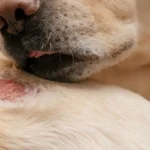
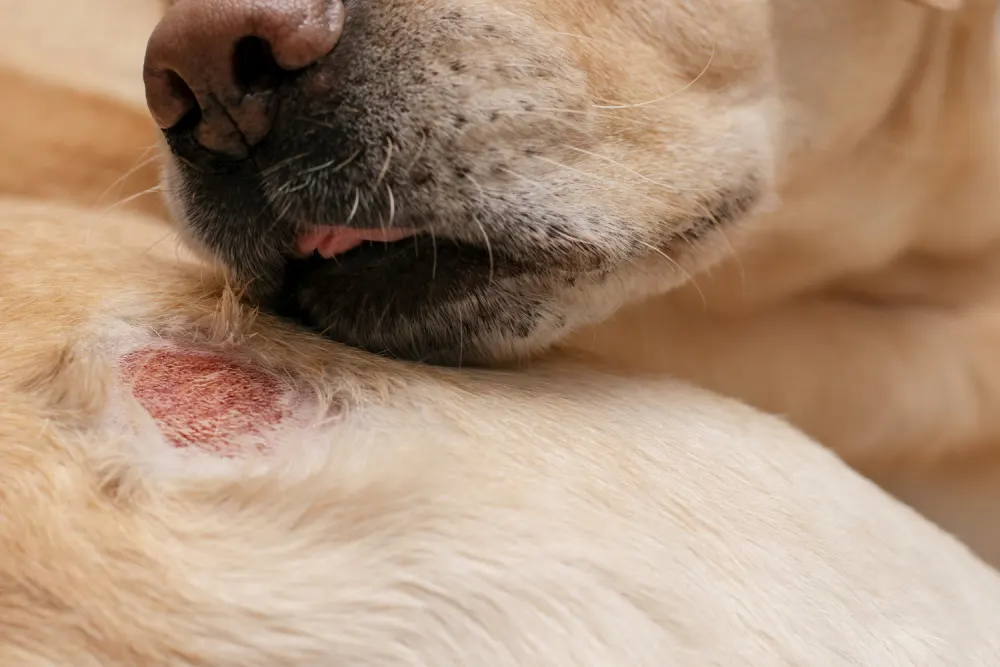
In the skin, the immune attack on melanocytes causes depigmentation, the gradual loss of colour from the nose, lips, eyelids, footpads, and sometimes the coat around the face. This aspect of the condition is less immediately dangerous but is an important visible marker that helps with recognition.
The condition is not caused by an infection, poor care, or environmental exposure. It arises from an internal immune system error, and this distinction is important for pet parents who may feel concerned about what they might have done differently.
Why Awareness Matters for Indian Pet Parents
In many cases we observe at referral and rescue level, uveodermatologic syndrome in dogs is initially treated as a simple eye infection. Antibiotic eye drops are tried, there is no improvement, and by the time an autoimmune cause is considered, weeks have sometimes passed during which inflammation has continued unchecked within the eye. In India, access to veterinary ophthalmologists is concentrated in metropolitan areas, which means cases in other regions may face additional delays in reaching specialist assessment.
Early awareness of this condition helps pet parents ask the right questions and push for appropriate investigation sooner rather than later, particularly when standard treatment for eye infection produces no response.
Symptoms of Uveodermatologic Syndrome in Dogs
The symptoms of uveodermatologic syndrome in dogs fall into two clear categories: eye symptoms and skin symptoms. Eye symptoms typically appear first and are more urgent in terms of management.
Eye Symptoms
- Redness of one or both eyes, often appearing quite pronounced
- Excessive tearing or watery discharge
- Squinting or holding one or both eyes partially closed
- Cloudiness or haziness of the cornea or anterior chamber of the eye
- Sensitivity to light, evidenced by turning away from bright areas
- Changes in eye colour, particularly a reddish or darker tinge to the iris
- Reduced vision, which may be noticed as hesitation in unfamiliar environments, bumping into objects, or reluctance to navigate stairs
- Pupils that appear unequal in size or that respond abnormally to light changes
Skin Symptoms
- Gradual whitening or loss of pigmentation on the nose, often beginning at the edges of the nostrils
- Pale or white patches developing on the lips and the skin around the eyes
- Depigmentation of the footpads in some cases
- Loss of coat colour around the face, creating a patchy or faded appearance
- In some dogs, small areas of crusting or skin irritation in depigmented areas
The skin changes on their own are not life-altering, but they are clinically significant as part of the diagnostic picture and their appearance alongside eye symptoms should always prompt investigation for uveodermatologic syndrome in dogs rather than treating each sign in isolation.
The combination of eye redness and progressive depigmentation of the nose and lips is a hallmark pattern of uveodermatologic syndrome in dogs. When both types of signs appear together, autoimmune investigation should not be delayed.
Causes and Risk Factors
Uveodermatologic syndrome in dogs has a genetic component and is more commonly reported in certain breeds, though it can occur in any dog.
| Factor | Details |
|---|---|
| Breed predisposition | Akitas are most commonly reported; Siberian Huskies, Samoyeds, Alaskan Malamutes, and Irish Setters also have higher rates in the literature |
| Age of onset | Typically occurs in young to middle-aged dogs, most commonly between one and six years of age |
| Immune dysregulation | The immune system produces antibodies against melanocytes; the precise trigger for this response is not fully understood |
| Genetic predisposition | Specific genetic markers have been identified in some breeds, supporting a hereditary component |
It is important to note that uveodermatologic syndrome is not caused by anything the pet parent has done. It is an internal immune system disorder rooted in genetics, and no amount of different feeding, care, or environment would reliably prevent it in a genetically predisposed dog.
Related Videos


How Is Uveodermatologic Syndrome Diagnosed?
Diagnosis of uveodermatologic syndrome in dogs involves ruling out more common causes of eye inflammation and skin changes before confirming the autoimmune diagnosis. The process requires patience and, in many cases, referral to a specialist.
The diagnostic process typically includes:
- Ophthalmic examination: A detailed eye examination using a slit lamp and ophthalmoscope to identify uveitis, assess intraocular pressure, examine the retina, and document any structural changes within the eye. This examination is ideally performed by a veterinary ophthalmologist.
- Ruling out infectious causes: Blood tests and ocular sampling to exclude tick-borne diseases, fungal infections, and other systemic conditions that can cause uveitis. In India, tick-borne diseases such as ehrlichiosis are a particularly important differential to exclude.
- Skin biopsy: A biopsy of depigmented skin can show characteristic loss of melanocytes, which supports the diagnosis of uveodermatologic syndrome when combined with the clinical picture.
- Chest radiographs and abdominal ultrasound: To rule out systemic disease or neoplasia that could be driving uveitis as a secondary manifestation.
- Tonometry: Measurement of intraocular pressure to detect secondary glaucoma, which can develop as a complication of chronic uveitis.
In India, veterinary ophthalmologists are available in several major cities. If your regular vet suspects uveodermatologic syndrome based on the clinical presentation, asking for a referral to an ophthalmology specialist is an important step rather than continuing to try standard eye treatments without improvement.
Treatment and Management of Uveodermatologic Syndrome in Dogs
Treatment for uveodermatologic syndrome in dogs focuses on suppressing the immune attack against melanocytes, protecting the eyes from ongoing damage, and managing any secondary complications such as elevated intraocular pressure.
Because vision is at stake, starting treatment promptly after diagnosis is strongly recommended. Delays in treatment allow uveitis to continue, and chronic, uncontrolled uveitis carries a high risk of permanent vision loss, retinal detachment, and glaucoma.
The main treatment components include:
- Systemic immunosuppressive therapy: Oral corticosteroids at immunosuppressive doses are the first-line treatment. They reduce the immune system’s attack on melanocytes and the resulting uveal inflammation. Once the condition is controlled, doses are carefully tapered to the lowest effective level over time.
- Additional immunosuppressive agents: Azathioprine or ciclosporin may be added in dogs that do not achieve adequate control on steroids alone, or in those experiencing significant steroid side effects. These allow steroid doses to be reduced while maintaining immune suppression.
- Topical ophthalmic medications: Corticosteroid and atropine eye drops are typically used alongside systemic treatment to reduce local inflammation within the eye and manage pupil dilation, reducing the risk of secondary complications.
- Glaucoma management: If elevated intraocular pressure develops, additional eye drops to control pressure are added. Managing glaucoma is critical to preserving vision.
- Regular ophthalmic monitoring: Frequent eye examinations, including intraocular pressure checks, allow the treatment plan to be adjusted as the condition evolves.
Daily Care for Dogs with Uveodermatologic Syndrome
Consistent daily management makes a meaningful difference to the comfort of a dog living with uveodermatologic syndrome:
- Administer all medications at the prescribed times without missing doses. Immunosuppressive treatment loses effectiveness quickly with inconsistent dosing.
- Protect the eyes from bright light and dust, both of which can increase discomfort. Keeping the dog indoors during the brightest parts of the day and away from dusty or smoky environments is helpful in Indian conditions.
- Apply eye drops carefully and calmly. Make the process as stress-free as possible through gentle handling and positive reinforcement.
- Monitor vision daily through informal observation: does the dog navigate familiar spaces confidently? Do they respond normally to visual cues? Report any apparent worsening to your vet promptly.
- Keep all scheduled follow-up appointments, including intraocular pressure checks, even when the dog appears to be doing well.
- Reduce environmental stress, as stress can be a factor in immune system flare-ups.
Related Products


Prognosis: What to Expect
The prognosis for uveodermatologic syndrome in dogs depends substantially on how early treatment is started. Dogs diagnosed and treated early, before significant structural damage to the eye has occurred, have the best chance of preserving meaningful vision and maintaining a comfortable quality of life with ongoing management.
Dogs in whom treatment is delayed, or in whom compliance with medication is inconsistent, face a higher risk of permanent vision loss due to complications such as glaucoma, cataracts, and retinal detachment. In some cases, one or both eyes may lose vision despite appropriate treatment, particularly when the diagnosis has been delayed.
Skin depigmentation generally does not reverse significantly even with treatment, as the melanocytes in affected areas have been destroyed. The cosmetic changes persist, but they do not cause discomfort or functional impairment for the dog.
Long-term, most dogs with uveodermatologic syndrome in dogs require ongoing medication. The condition is not curable, but it is controllable, and many dogs live comfortably for years with consistent management.
When to See a Vet Urgently
The following signs in a dog with known or suspected uveodermatologic syndrome require same-day veterinary attention:
- Sudden worsening of eye redness or cloudiness
- Apparent sudden vision loss, such as the dog walking into objects or becoming disoriented
- The eye appearing enlarged or the dog showing extreme eye pain
- Complete closure of one or both eyes
- Any sign that suggests a significant flare-up of the condition alongside general illness
Prevention and Awareness
Uveodermatologic syndrome in dogs cannot be reliably prevented, as it arises from a genetic immune predisposition. The most valuable action for owners of predisposed breeds is awareness: knowing that this condition exists, recognising the characteristic combination of eye and skin signs, and seeking veterinary assessment promptly rather than attributing the changes to separate, unconnected causes.
For those involved in breeding dogs of predisposed breeds, awareness of the condition within breeding lines is relevant, though breed-specific guidance on screening is best sought from breed health organisations and specialist sources.
Uveodermatologic syndrome in dogs is a rare but important condition that deserves prompt, focused attention when its characteristic signs appear. The simultaneous involvement of the eyes and skin, driven by the same underlying immune attack on melanocytes, makes it distinctive once it is recognised. The challenge is that recognition often comes later than it should, particularly when eye symptoms are initially managed as a simple infection.
For pet parents whose dogs belong to predisposed breeds, and for anyone noticing an unusual combination of eye redness and skin depigmentation in their dog, the message is clear: do not wait and see. Uveodermatologic syndrome in dogs is a condition where every week of delay in diagnosis and treatment carries a real risk of vision loss that cannot be undone. Seek veterinary assessment early, ask for specialist input if standard treatments are not working, and commit to the long-term management that gives your dog the best possible chance of a comfortable, sighted life.