

Food coming out of a dog’s nose is not a digestive problem. It is a structural failure.
When an abnormal opening develops between the oral cavity and the nasal passage, the two spaces that should be completely separated by bone and tissue become connected. Food, fluid, and bacteria pass freely between them with every meal. The nasal cavity becomes chronically infected. Sneezing, nasal discharge, and respiratory symptoms follow. And because the signs develop gradually and are often attributed to a respiratory illness rather than a dental one, the underlying structural defect goes undetected for far longer than it should.
An oronasal fistula is not a minor nasal issue. It is a condition caused by disease or damage that will not resolve without surgical repair, and one where delay consistently makes treatment more complex and outcomes less predictable.
What Is an Oronasal Fistula in Dogs?
An oronasal fistula is an abnormal communication or opening between the oral cavity and the nasal passage. Under normal anatomy, the hard palate and the bone surrounding the tooth roots form a complete barrier between the mouth below and the nasal passages above. When disease, trauma, or a developmental defect destroys or fails to form this barrier, an opening develops.
Once the opening exists, the consequences follow a predictable pattern. Every time the dog eats, drinks, or simply breathes with food material in the mouth, content passes upward through the fistula into the nasal cavity. The nasal mucosa, designed to filter air rather than process food, becomes chronically irritated and infected. The condition sustains itself as long as the opening remains.
The upper canine teeth are the most common site because their long roots sit close to the nasal cavity, and the bone separating the tooth root from the nasal passage is relatively thin.
Symptoms of Oronasal Fistula in Dogs
Symptoms are closely linked to the act of eating and to the consequences of chronic nasal cavity contamination.
Sneezing (Especially While Eating)
Sneezing during or immediately after eating is the most characteristic and diagnostically useful sign. As food enters the nasal passage through the fistula, the nasal mucosa reacts with the reflex it has available: sneezing. A dog that sneezes consistently while eating, particularly with any expulsion of food particles, has an oronasal fistula until proven otherwise.
Nasal Discharge (May Contain Food Particles)
Chronic, often unilateral nasal discharge is a consistent feature. The discharge may be clear initially, but becomes mucopurulent as bacterial infection of the nasal passage becomes established. In some cases, food particles are visible in the discharge, which is diagnostic in its own right.
Chronic Runny Nose
Even between meals, the bacterial contamination established in the nasal cavity sustains ongoing inflammation and discharge. Many of these dogs are treated repeatedly for apparent nasal infection or rhinitis without resolution because the underlying communication maintaining the infection is never identified.
Bad Breath
The bacterial environment created by food material and infection within the nasal passage contributes to persistent halitosis. Combined with the dental disease that frequently causes the fistula in the first place, the breath odour in affected dogs is often notably severe.
Coughing and Gagging
Material passing through the fistula into the nasal cavity can reach the nasopharynx and trigger coughing and gagging responses. In some cases, aspiration of this material into the lower airway occurs, contributing to lower respiratory tract infection.
Difficulty Eating
The discomfort associated with oral and nasal infection, combined with the sensation of food passing abnormally into the nasal cavity, makes eating an unpleasant experience. Affected dogs may show reluctance to eat, eat more slowly than usual, or drop food frequently.
Recurrent Respiratory Infections
Repeated bouts of rhinitis, sinusitis, and occasionally pneumonia in a dog with dental disease should always prompt investigation for an oronasal fistula. The dental connection is frequently missed when a respiratory presentation dominates the clinical picture.
Causes of Oronasal Fistula in Dogs
Periodontal (Gum) Disease (Most Common Cause)
Advanced periodontal gum disease in dogs is the most frequent cause of oronasal fistula. As bacterial infection destroys the bone supporting the tooth root, the barrier between the oral cavity and the nasal passage is progressively eroded. When bone loss is sufficient, the thin remaining wall is breached, and communication is established.
This is a direct and entirely preventable consequence of untreated dental disease. It represents what happens when periodontal infection is allowed to progress to the point of significant bone destruction around the upper canine or incisor teeth.
Tooth Root Infection and Tooth Loss
A tooth root abscess involving an upper tooth can destroy the bone separating the root tip from the nasal passage. Similarly, a tooth that is lost through disease or extraction can leave a communication if the socket does not heal cleanly and completely. This is one of the recognised complications of upper canine tooth extraction in dogs.
Trauma or Injury
Penetrating trauma to the palate or gum tissue, wounds from sharp foreign bodies, or blunt force injury to the face and jaw can create or contribute to fistula formation by directly damaging the bone and soft tissue separating the oral and nasal cavities.
Tooth Extraction Complications
Extraction of the upper canine or other long-rooted upper teeth carries a specific risk of oronasal fistula formation if the extraction leaves a communication that does not close completely. This is a recognised intraoperative and post-operative complication that requires identification and surgical repair at the time of the procedure or shortly after.
Congenital Defects (Cleft Palate)
Puppies born with a cleft palate have a pre-existing developmental communication between the oral and nasal cavities. While a cleft palate is a distinct condition from an acquired oronasal fistula, the two share the same anatomical consequence and the same requirement for surgical closure.
Tumours and Cancer
Oral tumours that invade and destroy the bone of the hard palate or the alveolar bone surrounding the upper teeth can create fistula formation as a consequence of bone destruction. In any dog where an oronasal fistula is discovered, neoplasia should be considered as a possible underlying cause and investigated accordingly.
Related Videos
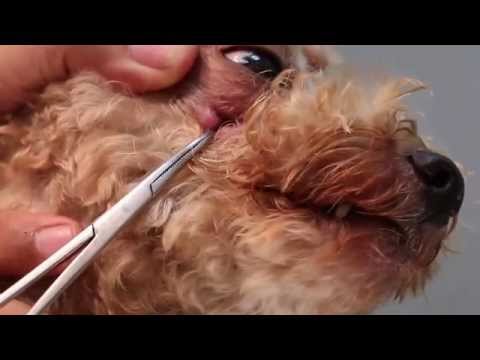
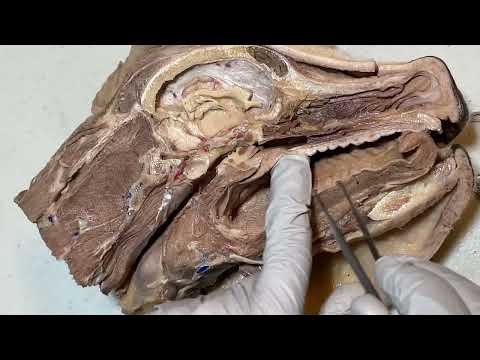


How an Oronasal Fistula Develops
The sequence begins with bone destruction. Whether through periodontal infection, tooth root abscess, trauma, or tumour invasion, the bone separating the oral and nasal cavities is progressively eroded. When the remaining bone and overlying soft tissue can no longer maintain the separation, an opening forms.
Once established, the opening perpetuates its own complications. Food and bacteria entering the nasal cavity with each meal sustain chronic infection. The infected nasal mucosa becomes progressively more inflamed and damaged. Secondary bacterial colonisation of the nasal passage amplifies the infectious burden. Respiratory symptoms follow and worsen as infection becomes established in the upper and occasionally lower respiratory tract.
The fistula does not spontaneously close. Tissue edges of the opening become chronic rather than healing, and the bacterial environment within the cavity prevents normal wound healing from occurring.
How Veterinarians Diagnose Oronasal Fistula in Dogs
Oral Examination Under Anaesthesia
Oronasal fistulas are frequently not visible during a routine conscious oral examination, particularly when they are small or covered by inflamed gum tissue. A thorough examination under general anaesthesia, using a dental probe to assess the depth and communication of any periodontal pocket, is required for reliable identification.
Passing a blunt probe into a deep periodontal pocket along the upper canine tooth that exits into the nasal passage confirms the communication definitively.
Dental X-rays and Imaging
Dental radiographs reveal the degree of bone loss around affected teeth and the proximity of the root tip to the nasal cavity floor. They also identify tooth root infections and allow assessment of whether multiple teeth are involved. This information is essential for surgical planning.
Clinical Signs and Pattern Recognition
The characteristic combination of sneezing during eating, unilateral nasal discharge, and upper dental disease in a dog without another explanation for chronic nasal symptoms should raise strong clinical suspicion, even before examination under anaesthesia confirms the diagnosis.
Treatment for Oronasal Fistula in Dogs
This condition cannot heal on its own. The opening between the oral and nasal cavity will not close without surgical intervention, and the chronic infection sustained by the fistula will not resolve while the communication remains patent.
Surgical Closure (Primary Treatment)
Surgical repair of the fistula using a mucoperiosteal flap is the definitive treatment. Healthy tissue from the adjacent gum or palate is mobilised, advanced to cover the fistula opening, and sutured in place without tension to create a complete, well-vascularised seal between the oral and nasal cavities.
The surgical technique and the success of the repair depend on the size of the defect, the quality of the surrounding tissue, and whether sufficient healthy tissue is available to create a tension-free closure. Large or chronic fistulas, where surrounding tissue has been compromised by long-standing infection or multiple previous repair attempts, are significantly more challenging to close successfully than small, recently formed defects.
Tooth Extraction (If Required)
When the fistula is associated with a diseased tooth that cannot be saved, extraction of that tooth is performed alongside or before the fistula repair. Attempting to close a fistula while leaving an infected tooth root as an ongoing source of bacterial contamination predictably results in repair breakdown and recurrence.
Medications
Antibiotics are prescribed to manage the established nasal and oral infection before and after surgical repair. Anti-inflammatory medications reduce post-operative swelling and pain. Both are supportive measures that facilitate healing of the repair rather than definitive treatments for the fistula itself.
Post-Surgery Care
Following surgical repair, strict management of the healing site is essential. Soft or liquid food for only three to four weeks prevents mechanical stress on the repair line. Hard chews, toys, and any object that could be pressed against the repaired area must be avoided during the healing period. Post-operative antibiotics are continued for the duration prescribed. Regular follow-up examinations confirm that the repair is healing and that no breakdown of the closure is occurring.
Related Products



Prognosis
The prognosis for oronasal fistula repair is good when the defect is small, the surrounding tissue is healthy, and the repair is performed without the technical constraints imposed by large or chronic defects.
Small, recently formed fistulas repaired under ideal conditions carry a high success rate. Large defects, chronic fistulas where surrounding tissue has been compromised, and cases where previous repair attempts have failed carry a more guarded prognosis and may require staged or specialist surgical procedures to achieve reliable closure.
Recurrence after repair is the most common complication and is most frequently associated with infection at the repair site, tension on the closure, or persistence of the underlying disease that caused the fistula.
When to See a Veterinarian
Contact your veterinarian promptly if your dog shows any of the following:
- Sneezing during or immediately after eating
- Nasal discharge, particularly if unilateral or containing food material
- Chronic runny nose that has not responded to previous treatment
- Persistent bad breath alongside any nasal sign
- Coughing or gagging associated with eating
- Any combination of dental disease signs and nasal symptoms
Do not treat chronic nasal discharge in a dog with dental disease as a respiratory problem without investigating the dental connection. The two are frequently directly related.
Preventing Oronasal Fistula in Dogs
Consistent Dental Hygiene
The most effective prevention for acquired oronasal fistula is the prevention of the advanced periodontal disease that most commonly causes it. Regular brushing, professional dental cleaning at veterinarian-recommended intervals, and early treatment of any identified dental disease reduce the bone destruction that creates the conditions for fistula formation.
Regular Veterinary Dental Examinations
Annual dental examinations under anaesthesia allow early identification of deep periodontal pockets, bone loss, and tooth root involvement before these progress to fistula formation. A periodontally compromised upper canine tooth identified and managed early represents a condition that can be treated without the additional complexity of an established fistula.
Safe Chewing Habits
Avoiding hard chew objects that can fracture teeth or penetrate the palate reduces the trauma-related pathway to fistula formation. Providing veterinary-approved, appropriately sized chews that do not generate excessive force on the teeth and surrounding bone is a practical preventive measure.















