Ear infections are among the most frequently reported reasons for veterinary consultations in India, yet they are also among the most commonly undertreated. A single course of ear drops may resolve the visible symptoms temporarily, but without identifying and addressing the underlying cause, recurrence is almost inevitable. For many dogs, ear infections are not isolated incidents but recurring expressions of a deeper problem, most often allergic disease, that requires structured long-term management rather than repeated short-term treatment.
Types of Dog Ear Infections
Dog ear infections are classified in two ways: by location and by cause. Understanding both helps determine the most effective treatment approach.
By Location
- Outer Ear Infection (Otitis Externa): The most common type, affecting the external ear canal. Signs are usually visible and include redness, discharge, and odor. Most responsive to topical treatments.
- Middle Ear Infection (Otitis Media): Involves the middle ear chamber. Often develops when an outer ear infection spreads inward. Can cause balance issues and hearing changes.
- Inner Ear Infection (Otitis Interna): The most serious and least common type. Affects the deepest structures of the ear and can lead to significant neurological symptoms, including head tilting, loss of coordination, and, in severe cases, facial paralysis.
By Cause
- Bacterial Infections: Caused by bacteria such as Staphylococcus or Pseudomonas. Typically produce yellow or brown discharge with a strong odor.
- Yeast Infections: Caused by Malassezia overgrowth. Produce a dark, waxy discharge with a distinctive musty smell. Common in dogs with allergies or floppy ears.
- Mixed Infections: A combination of bacterial and yeast infection occurring simultaneously, requiring targeted treatment for both.
- Parasitic Infections: Caused by Ear Mites (Otodectes cynotis). More common in puppies and produces dark, coffee-ground-like debris inside the ear.
- Fungal Infections: Less common but more difficult to treat. Caused by environmental fungi and typically require prolonged antifungal therapy.
Why Dogs Are Prone to Ear Infections
The anatomy of the canine ear canal is fundamentally different from that of the human ear. Rather than a straight horizontal passage, a dog’s ear canal travels downward and then inward in an L-shaped configuration. This structure traps moisture, debris, and microorganisms deep within the canal where air circulation is minimal, creating conditions that are highly favourable for the growth of yeast and bacteria.
Several factors further increase a dog’s vulnerability to ear infections:
- Floppy or heavy ear flaps: Breeds such as Cocker Spaniels, Basset Hounds, Beagles, and Golden Retrievers have pendulous ears that lie flat against the head, restricting airflow into the canal almost entirely.
- Excessive hair in the ear canal: Breeds including Poodles and Shih Tzus often have dense hair growth within the canal that traps moisture and debris.
- Frequent water exposure: Dogs that swim regularly or are bathed frequently without thorough ear drying are at significantly elevated risk.
- Narrow ear canals: Certain breeds have structurally narrow canals that further impair drainage and ventilation.
- Underlying allergic disease: This is the most clinically significant predisposing factor and is discussed in detail below.
India’s warm, humid climate compounds all of these factors, making ear infections more prevalent and more likely to recur than in cooler, drier environments.
Common Causes of Dog Ear Infections
| Cause | Characteristics |
|---|---|
| Allergic Disease (Atopic Dermatitis or Food Allergy) | The most frequent underlying cause of recurring ear infections. The ear canal is an extension of skin; when a dog has skin allergies, the ear lining becomes inflamed and microbe-friendly. Recurring infections in an otherwise healthy dog almost always warrant allergy investigation. |
| Yeast Overgrowth (Malassezia) | Produces a distinctive sticky, brownish to dark discharge with a strong sweet or musty odour. Yeast thrives in warm, moist environments and often coexists with bacterial infection. |
| Bacterial Infection | Frequently, a secondary infection develops on top of allergy or yeast-damaged tissue. Bacterial otitis produces pus-like discharge, significant pain, and sometimes a foul smell. Chronic bacterial infections may involve antibiotic-resistant organisms. |
| Ear Mites (Otodectes cynotis) | Most common in puppies and young dogs. Produces a dark, dry, crumbly discharge resembling coffee grounds. Highly contagious between dogs and cats in the same household. |
| Foreign Bodies | Grass seeds, sand, or debris lodged in the ear canal trigger acute inflammation and pain. Common in dogs with outdoor access. |
| Hormonal Disorders | Hypothyroidism and other endocrine conditions alter skin health, indirectly increasing susceptibility to recurring ear infections. |
Related Videos
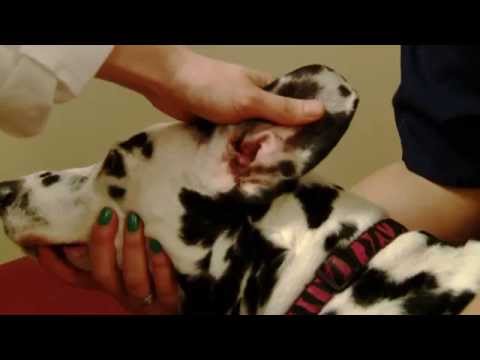


Recognising the Symptoms of a Dog Ear Infection
Ear infections in dogs range from mildly uncomfortable to acutely painful, and the severity of symptoms does not always reflect the depth of infection. The following signs warrant veterinary assessment:
- Head shaking: Persistent, vigorous shaking of the head is one of the most reliable and early indicators of ear canal irritation or infection.
- Scratching and pawing at the ear: Repeated scratching at the affected ear or rubbing the side of the head against furniture, flooring, or the ground.
- Visible redness inside the ear: Inflammation of the ear flap lining or the visible portion of the canal, ranging from mild pink to deep red.
- Discharge from the ear canal: Discharge may be dark and waxy (yeast), yellow or green and pus-like (bacteria), or dry and crumbly (mites). Any abnormal discharge warrants investigation.
- Strong odour from the ear: A distinctly sweet, musty, or foul smell emanating from the ear is a consistent sign of active infection.
- Head tilt: A persistent tilt toward the affected side suggests the infection may have progressed beyond the outer ear canal.
- Sensitivity to touch: Pulling away, crying out, or showing aggression when the ear is touched, or the head is approached, indicates significant pain.
- Swelling of the ear flap (aural haematoma): Vigorous, repeated head shaking can rupture blood vessels within the ear flap, causing a painful, blood-filled swelling that requires separate surgical treatment.
The Danger of Recurring Ear Infections
A single ear infection, properly diagnosed and treated, typically resolves fully. The clinical concern arises when infections recur repeatedly, as this pattern almost always indicates that the root cause has not been identified or addressed.
Repeated courses of antibiotic or antifungal ear medication without root cause investigation carry several serious risks:
- Antimicrobial resistance: Repeated antibiotic exposure selects for resistant bacterial strains, making subsequent infections significantly harder to treat.
- Otitis media: Infection that is not fully resolved can spread inward through the eardrum to the middle ear (otitis media), causing balance disorders, hearing loss, and neurological signs, including facial nerve paralysis.
- Chronic canal changes: Long-term uncontrolled inflammation causes the ear canal walls to thicken and harden (a process called hyperplasia and fibrosis), eventually narrowing or completely obstructing the canal and sometimes necessitating surgical intervention.
- Ongoing pain and welfare impact: A dog living with undertreated recurring ear infections is in persistent discomfort that significantly affects behaviour, sleep, and quality of life.
Identifying and managing the underlying cause, most commonly allergic disease, is the only reliable pathway to long-term resolution.
The Link Between Ear Infections and Allergies in Dogs
Veterinary dermatologists consistently identify allergic disease as the primary driver of recurring ear infections in dogs. The ear canal is lined with the same type of skin as the rest of the body, and in dogs with atopic dermatitis (environmental allergy) or food allergy, this lining becomes chronically inflamed, producing excess wax and moisture that allows yeast and bacteria to proliferate.
A dog that experiences three or more ear infections within twelve months, or whose ear infections recur consistently after treatment is completed, should be evaluated for underlying allergic disease. Treating the ear infection alone in these cases is comparable to repeatedly mopping a floor without fixing the leak causing the water damage.
Allergy investigation may involve a structured dietary elimination trial to identify food triggers, or allergy testing for environmental allergens such as dust mites, mould spores, or pollen. Effective allergy management, through dietary change or immunotherapy, dramatically reduces ear infection frequency even without changes to the ear treatment protocol itself.
VOSD Advance PetCare™ Ear Care Protocol
The VOSD Advance PetCare™ approach to ear infections is built around accurate diagnosis and root cause identification rather than repeated symptomatic treatment:
- Otoscopic examination: A specialised otoscope is used to examine the full length of the ear canal and evaluate the integrity of the eardrum. This is essential before any ear medication is administered, as certain topical treatments are contraindicated if the eardrum is perforated.
- Ear cytology: A swab of the discharge is examined directly under the microscope to identify the type and relative quantity of organisms present, whether yeast, bacteria, or mites. Cytology results guide targeted medication selection from the first consultation.
- Culture and sensitivity testing: In cases where initial treatment fails or infection recurs quickly, a bacterial culture identifies the specific organism involved and its antibiotic sensitivity profile, enabling precise treatment and avoiding the development of further resistance.
- Targeted topical or systemic medication: Antifungal or antibacterial ear preparations are selected based on cytology findings. In cases of moderate to severe infection or middle ear involvement, oral systemic medication may be prescribed alongside topical treatment.
- Allergy investigation for recurring cases: Dogs presenting with a history of repeated ear infections are assessed for underlying atopic dermatitis or food allergy as the primary driver of recurrence.
- Ear hygiene and preventive guidance: Pet owners receive specific instruction on safe at-home ear cleaning techniques, appropriate cleaning products, and the frequency of maintenance cleaning suited to their dog’s breed and lifestyle.
Dog’s Ear Infection Treatments
Once the specifics of your dog’s ear infection are identified, the treatment plan will likely involve multiple components tailored to your pet’s unique condition. These may include topical applications, oral medications, or in more serious cases, surgical procedures.
Topical Treatment
Cleaning your dog’s ears is always the first step before applying any medication. Your veterinarian may prescribe either a medicated or non-medicated ear cleaner, typically used daily or every other day throughout the treatment period. Applying medications to unclean ears reduces their effectiveness, so never skip this step.
Ear drops are the most common topical treatment, usually delivered through a small applicator directly into the ear canal. Depending on the infection type, these may contain:
- Antibiotics for bacterial infections
- Antifungals for yeast-based infections
- Combined formulas for mixed infections
- Topical steroids to reduce itching and inflammation
Most ear drop regimens run once or twice daily for seven to ten days. Following your vet’s dosing schedule precisely is essential — inconsistency can cause the infection to return.
Oral Treatment
When an infection is severe or deeply embedded, topical treatment alone may not be sufficient. Your veterinarian may prescribe oral antibiotics, antifungal tablets, or steroid medications to address the infection from the inside out.
Surgical Intervention
For chronic, treatment-resistant infections that have caused lasting structural damage, surgery may be the most effective solution. The most comprehensive procedure is a Total Ear Canal Ablation (TECA) combined with a Ventral Bulla Osteotomy (VBO), which removes all diseased tissue to eliminate the source of recurring infection entirely.
Your veterinarian will always recommend the least invasive option appropriate for your dog’s condition before considering surgical routes.
At-Home Ear Care Between Veterinary Visits
Routine ear maintenance between professional consultations reduces the risk of recurrence and allows owners to detect early signs of infection before they progress:
- Use only veterinary-recommended ear cleaning solutions. Never use water, hydrogen peroxide, or cotton buds inside the ear canal.
- Apply the cleaner as directed, gently massage the base of the ear, and allow the dog to shake out the loosened debris naturally.
- Clean ears after swimming or bathing and always dry the outer ear canal thoroughly with a soft cloth.
- Check both ears weekly for changes in odour, discharge colour, or sensitivity to touch.
- Never insert anything into the ear canal beyond the visible portion of the opening.
If you notice a return of head shaking, scratching, odour, or discharge at any point between scheduled visits, contact your veterinarian promptly rather than reapplying previously prescribed ear drops. The causative organism may have changed, and the previous medication may no longer be appropriate.