
What Is Horner’s Syndrome in Dogs?
Horner’s Syndrome is a prevalent neurological issue in canines, encompassing a set of symptoms that impact the facial region, including the eyes, eyelids, ears, and nose. This syndrome arises from a dysfunction within the autonomic nervous system, governing involuntary bodily processes like blood pressure, heart rate, saliva and tear production, and gastrointestinal activities.
The autonomic nervous system comprises the sympathetic and parasympathetic systems. The sympathetic system orchestrates the “fight or flight” responses, such as boosting heart rate and blood flow to muscles for swift escape from danger. It dilates pupils, opens eyelids, and lowers the third eyelid, which aids in protecting the eye and maintaining its moisture.
On the other hand, the parasympathetic system oversees the body’s “rest and digest” functions. It narrows the pupil, raises the third eyelid, and retracts the eye inward. Both systems consist of a network of nerve fibers transmitting signals from the brain to the eye.
When the sympathetic nervous system is compromised, as in cases of nerve network damage, the parasympathetic nervous system compensates, leading to symptoms predominantly associated with parasympathetic functions. In Horner’s syndrome, this manifests as a constricted pupil, elevation of the third eyelid, retraction of the eye’s globe, and drooping of the upper eyelid.
Symptoms
Symptoms of Horner’s Syndrome in dogs can manifest unilaterally or bilaterally, with unilateral cases being more prevalent. Onset of symptoms can be sudden and typically includes:
- Constricted pupil
- Elevation of the third eyelid
- Retraction of the affected eye’s globe, potentially causing it to appear smaller in comparison to the other eye
- Drooping of the upper eyelid
Additional symptoms may vary depending on the location of nerve damage and can encompass:
- Behavioral alterations
- Weakness or paralysis of the forelimbs
- Neurological deficits such as abnormal paw positioning
- Cranial nerve irregularities, possibly indicated by abnormal vision tests or difficulty in chewing
- Ataxia, characterized by a staggering gait
- Anisocoria, where pupils are of unequal sizes
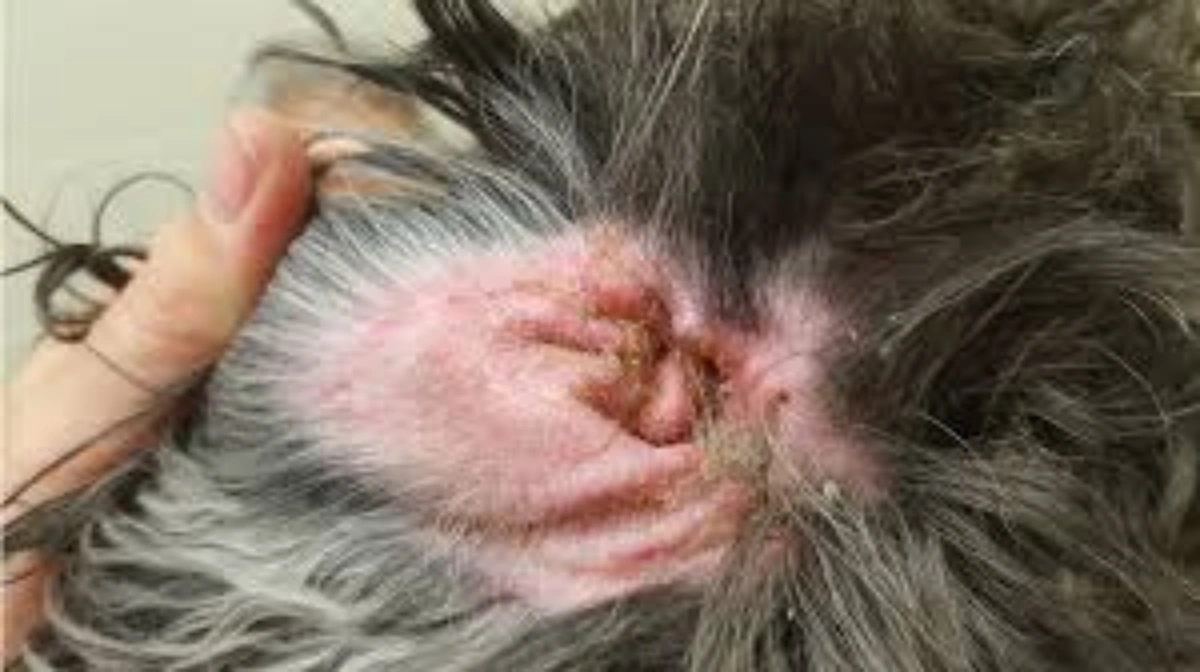
- An ear that feels warm to the touch
- Pinkish skin, typically noticeable on the nose and ears
Causes
Horner’s Syndrome can affect dogs of any breed or age, although it is more frequently observed in dogs aged between 5 to 8 years old, and in specific breeds such as Labrador Retrievers, Golden Retrievers, Dobermans, Weimaraners, Shetland Sheepdogs, and Collies. The syndrome emerges when damage occurs anywhere along the pathway of the sympathetic nervous system, extending from the brain to the spinal cord, chest, neck, and finally to the eyes. Approximately half of cases present with an unknown cause for the damage.
Common factors contributing to sympathetic nerve damage include:
- Infection of the middle or inner ear
- Vestibular disease
- Diabetes mellitus, particularly when unregulated or poorly managed
- Intervertebral disc disease (IVDD)
- Ocular ailments
- Fibrocartilaginous emboli (FCE), also known as spinal stroke
- Formation of blood clots
- Infectious diseases or abscess formation, stemming from bacterial or fungal origins
- Cancer
- Injuries resulting from various causes such as bite wounds, car-related trauma, or excessive pulling on a leash
- Neurological disorders
Diagnosis
To diagnose Horner’s Syndrome in dogs, your veterinarian will conduct a thorough physical examination, which includes examining the eyes and ears. They may also conduct various tests to eliminate other potential conditions, such as:
- Conducting a Schirmer Tear Test to assess tear production.
- Utilizing a fluorescein eye stain to check for corneal ulcerations and abrasions.
- Performing an Intraocular Pressure (IOP) test to measure eye pressure.
- Dilating the eyes with medicated solution to assess dilation time, which can indicate damage along the sympathetic nervous system pathway. If dilation takes longer, there’s a higher likelihood of damage in this pathway.
- Examining cytologies and/or cultures of ear debris for signs of infection.
Furthermore, your veterinarian may recommend additional tests such as:
- Baseline blood work, including a complete blood cell count, internal organ screening, and urinalysis, to identify any underlying or associated causes like diabetes mellitus.
- Chest and neck X-rays to screen for trauma, herniated discs, or cancer.
- Referral to a specialist for advanced imaging procedures like MRI or CT scans, and possibly a cerebrospinal fluid (CSF) tap with biopsies if needed.
Treatment
Treatment for Horner’s Syndrome in dogs typically involves addressing the underlying cause, as there is no specific remedy tailored solely for this condition. Physicians often prescribe topical phenylephrine, a decongestant, to alleviate associated symptoms on an as-needed basis. Generally, treatment aims more for cosmetic improvement, restoring the dog’s facial appearance to normal, rather than targeting the syndrome directly.
Prognosis varies depending on the root cause. Given that approximately half of cases lack a known cause, there’s a likelihood that symptoms may resolve naturally over several weeks.
Living and Management
Managing Horner’s Syndrome in dogs typically involves addressing its underlying cause rather than the syndrome itself. Prompt veterinary attention is crucial upon the onset of symptoms.
Recovery duration may span a few weeks or longer, particularly if the symptoms stem from nerve injury in the shoulder. Employing common-sense measures can aid in prevention. These include utilizing a harness leash during walks to minimize excessive pulling and taking precautions to prevent accidental injuries to your dog. Additionally, proactive ear cleaning and prompt treatment of infections can serve as preventive measures against Horner’s Syndrome.
Horner’s Syndrome in Dogs FAQs
Is Horner’s syndrome in dogs a life-threatening condition?
Horner’s syndrome itself is not considered life-threatening. However, it may indicate more serious underlying health issues, necessitating prompt veterinary attention upon symptom onset.
Can Horner’s syndrome in dogs resolve naturally?
Horner’s syndrome may resolve entirely or partially without treatment. It typically does not significantly impact a dog’s quality of life unless the underlying condition is severe.
Is Horner’s syndrome in dogs painful?
Thankfully, Horner’s syndrome is not painful and does not affect eyesight. While it’s primarily a cosmetic concern rather than a significant medical issue, any underlying health condition should still be addressed.
Related Videos