
Concerning lizards, the Gila Monster and the Mexican Beaded Lizard are the primary sources of worry. These reptiles primarily inhabit the American Southwest and Mexico.
While Gila Monsters and Mexican Beaded Lizards are typically peaceful and rarely attack, it’s crucial to understand the potential danger if a bite occurs. These lizards have a tendency to clamp down forcefully and may not readily release their grip. To detach them, employ a prying tool to open their jaws. Additionally, applying a flame beneath the lizard’s jaw can prompt it to let go.
With approximately forty teeth, these lizards possess grooved teeth that are loosely attached to their jaws, allowing for breakage and regrowth throughout their lives. Venom is stored in two glands located at the rear of the lower jaw, residing in a pocket adjacent to the exterior teeth. It is released through a duct upon biting. The venom travels along the grooves of the teeth and into the victim. The lizard’s salivation increases with its level of agitation, consequently elevating the amount of venom injected into the victim, which occurs in about 70% of dog bites.
The venom from both lizards exhibits remarkable similarity. However, unlike the venom of many snakes, it lacks an anticoagulant effect. Nonetheless, laboratory tests have demonstrated its potency, comparable to certain rattlesnake venoms.
Symptoms and Types
- Hemorrhaging from the wound
- Reduced blood pressure
- Inflammation
- Abnormal increase in saliva production
- Tears in the eyes
- Frequent voiding and bowel movements
- Fatigue
- Unsteady heart rhythm
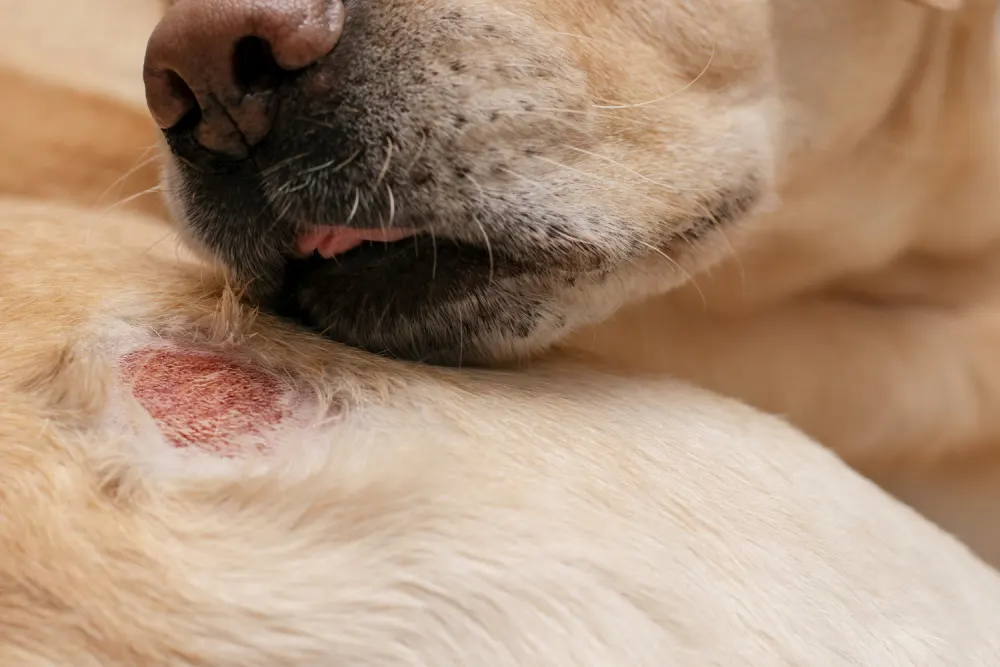
- Intense discomfort at the wound location.
Diagnosis
Typically, blood tests, urine tests, X-rays, and ultrasound findings appear normal, so veterinarians typically do not order them. However, they might suggest an EKG to assess for irregular heart rhythms and likely examine your dog’s blood pressure. Nonetheless, the sole conclusive method to diagnose lizard toxicity involves analyzing the venom.
Treatment
- Release the lizard’s jaws if still attached.
- If blood pressure is critically low or if abnormal heart rhythms are detected, intravenous (IV) medications will be given to address the arrhythmia.
- Cleanse and soak the wound.
- Extract any remaining lizard teeth, if present.
- Manage pain.
- Administer antibiotics as part of the treatment regimen.
Living and Management
If you suspect your dog has been bitten by one of these lizards, it is imperative to promptly seek veterinary care. The veterinarian will prescribe necessary treatments and medications. Monitor the wound closely and report any alterations. Crucially, if you reside in an area where these lizards are prevalent, secure your dog behind a fence that can effectively deter the lizards.
Related Videos