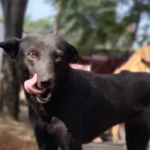
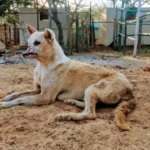
Some dogs exhibit dangerous behavior towards other dogs and even humans when they are eating or guarding their possessions such as food, bowls, stolen items, or toys. Additionally, dogs can be highly territorial, defending areas they perceive as their domain, such as the home.
This aggression can indeed be perilous. However, it is considered normal behavior rooted in dogs’ instinct to protect. Training and learned behavior can sometimes mitigate this aggression. While a secure fence can help, it’s important to note that no fence is entirely foolproof. Modifying this behavior in some dogs is possible, but it requires understanding the underlying causes first.
Symptoms and Types
Symptoms of possessive and territorial aggression in dogs include growling, lifting the upper lip, aggressive barking, snapping, lunging, biting, exhibiting extreme reactions when someone approaches the dog’s space (such as the backyard), and reacting aggressively to the sound of a doorbell.
Causes
Causes of possessive and territorial aggression in dogs can stem from various factors. Some dogs may develop a habit of aggression while defending food, objects, and territory due to past successful outcomes. Other common causes include underlying medical conditions, inadequate socialization as a puppy, sexual maturation, inbreeding, environmental factors, pack order behavior, and genetic predispositions inherent to the specific dog or breed.
Diagnosis
Diagnosing possessive and territorial aggression in dogs begins with your veterinarian ruling out any underlying diseases. If no medical issues are identified, they may then refer you to an animal behaviorist who specializes in dog training for further evaluation and assistance.
Treatment
Treating possessive and territorial aggression in dogs may not result in a complete “cure,” but the aim is to manage and control the behavior. Success can be measured by a reduction in aggressive incidents. A dog-training specialist can assist in developing safety and management strategies.
Safety is paramount. Avoid situations that trigger aggressive reactions and refrain from using punishment or dominance-based training techniques recommended by behaviorists, as they may worsen aggression. There are more effective approaches to addressing the issue.
Feeding the dog in a confined space and avoiding items that provoke aggression are advisable. Limit the dog’s access to areas where people are present. Additionally, consider training the dog to wear a head halter and basket muzzle for added safety.
In severe cases, euthanasia may be considered as a last resort, particularly if the dog poses a significant risk of injuring others, especially if previous incidents have occurred.
Recovery and Management
Living and managing possessive and territorial aggression in dogs requires patience, consistency, and time for behavior modification to take effect. Desensitization and counter-conditioning techniques can be used to address aggression triggers, while basket muzzles ensure safety during training sessions.
Begin by teaching the dog to sit and relax on verbal command in a neutral location, using small food rewards to prevent food aggression. Reward non-aggressive behavior consistently and gradually increase stimulation levels, being cautious not to provoke aggression. Progress may be slow, and setbacks can occur, so maintaining firmness in training exercises is crucial.