
Dogs that share living spaces with cats, have access to raw or undercooked meat, or roam in outdoor environments where contaminated soil is common face a quiet but real parasitic risk. Toxoplasmosis in dogs is caused by the protozoan parasite Toxoplasma gondii, and while many infected dogs show no obvious signs of illness, the condition can become serious in puppies, rescued dogs, or those with weakened immunity. It is not among the most frequently discussed infections in Indian pet care, but it is worth understanding clearly, both to recognise it early and to take straightforward steps to reduce exposure. With timely veterinary care, most dogs with toxoplasmosis recover well.
What Is Toxoplasmosis in Dogs?
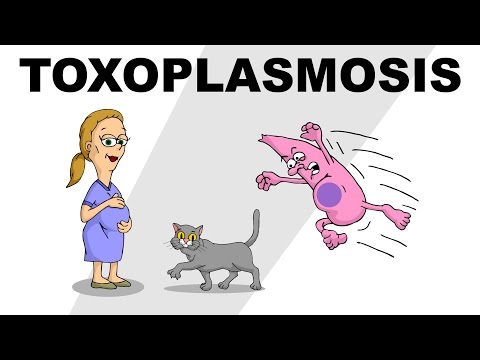
Toxoplasmosis in dogs is caused by Toxoplasma gondii, a single-celled parasitic organism found widely in the environment. Cats are the definitive host of this parasite, meaning the parasite completes its full reproductive lifecycle only in cats. Dogs and humans are intermediate hosts, meaning the parasite can infect them and cause illness but cannot complete its full cycle within their bodies.
When a dog is infected, Toxoplasma gondii forms tissue cysts primarily in the brain, muscles, and other organs. In a healthy dog with a competent immune system, the body often contains the infection without causing noticeable disease. It is when immunity is compromised, or when the infection burden is high, that clinical toxoplasmosis in dogs becomes apparent and requires veterinary intervention.
Why Toxoplasmosis Occurs in Indian Conditions
India’s environment presents several conditions that increase the likelihood of Toxoplasma gondii exposure for dogs. Multi-pet households where cats and dogs share living spaces are common, and infected cats shed oocysts in their faeces that can contaminate soil, water, and surfaces that dogs encounter during normal daily activity.
Dogs fed raw or home-prepared diets containing undercooked meat face direct exposure through the tissue cysts present in infected prey animals. Stray dogs with access to open garbage areas, exposed soil near cat habitation, or carcasses of infected animals carry a higher ongoing exposure risk. In many rescue situations, we see toxoplasmosis emerge in dogs that have spent time in environments with dense cat populations or unrestricted access to contaminated outdoor areas.
Symptoms of Toxoplasmosis in Dogs
The symptoms of toxoplasmosis in dogs range from entirely absent to severe, depending on the dog’s age, immune status, and which organs are affected. Many adult dogs with healthy immune systems suppress the infection without developing clinical signs. When symptoms do appear, they can affect multiple body systems.
Common symptoms to watch for include:
- Persistent fever that does not resolve with standard treatment
- Lethargy and a marked reduction in normal activity or enthusiasm
- Loss of appetite and gradual weight loss over days to weeks
- Vomiting or loose stools, particularly in cases with gastrointestinal involvement
- Respiratory signs including laboured or rapid breathing, particularly if lung tissue is affected
- Muscle weakness, stiffness, or pain on movement
- Eye inflammation, including redness, cloudiness, or sensitivity to light
- Neurological signs such as tremors, incoordination, seizures, or sudden behavioural change in more severe cases
Because these symptoms overlap with many other conditions, toxoplasmosis in dogs is frequently not the first diagnosis considered. It tends to come into focus when a dog has persistent, multi-system signs that do not respond to initial treatment, or when testing reveals elevated antibody levels consistent with active infection.
Signs That Warrant Immediate Veterinary Attention
If your dog develops seizures, sudden loss of coordination, severe breathing difficulty, collapse, or complete refusal to eat alongside other symptoms, do not wait for a scheduled appointment. These signs may indicate significant organ or neurological involvement and need prompt assessment.
Related Videos

Causes and Transmission of Toxoplasmosis in Dogs
Understanding the routes through which toxoplasmosis in dogs develops helps identify practical prevention points for Indian pet parents.
| Transmission Route | How It Occurs | Indian Context |
|---|---|---|
| Ingestion of raw or undercooked meat | Tissue cysts of Toxoplasma gondii present in the muscle of infected prey animals are consumed when meat is fed raw or insufficiently cooked | Dogs fed raw beef, mutton, chicken, or pork, or those scavenging near meat disposal areas, face direct cyst ingestion risk |
| Contact with infected cat faeces | Cats shed Toxoplasma oocysts in their faeces for a period after initial infection; oocysts contaminate soil, water, and surfaces that dogs then contact | Multi-pet households with cats, areas near stray cat colonies, and gardens or outdoor spaces used by both species create ongoing exposure opportunities |
| Contaminated soil or water | Oocysts shed in faeces persist in soil and water for months and can be ingested when dogs dig, sniff, or drink from contaminated sources | Open parks, unpaved areas, and stagnant water sources near cat habitation carry contamination risk year-round in India’s warm climate |
| Congenital transmission | An infected mother can pass the parasite to puppies across the placenta during pregnancy | Relevant for pregnant rescue dogs or breeding dogs with unknown infection history |
Dogs at Higher Risk of Toxoplasmosis
Puppies under six months old, recently rescued street dogs, dogs on immunosuppressive medications such as long-term steroids, dogs with concurrent illnesses that compromise immunity, and dogs in multi-pet households that include cats are all at greater risk of developing clinical toxoplasmosis. Healthy adult dogs with no immune compromise are generally able to contain the infection without showing disease, though they can carry the parasite as a latent infection.
How Vets Diagnose Toxoplasmosis in Dogs
Diagnosis of toxoplasmosis in dogs requires a combination of clinical assessment and targeted laboratory testing, as the symptoms are non-specific and could indicate several other conditions.
- Serology (antibody testing): Blood tests measuring IgM and IgG antibodies against Toxoplasma gondii are the most commonly used diagnostic tool. Elevated IgM levels suggest recent or active infection, while IgG indicates past exposure. Interpreting results requires clinical context, as many dogs may have antibodies without active disease
- Complete blood count and biochemistry: Standard blood tests can reveal anaemia, low white cell counts, elevated liver enzymes, or other abnormalities that support a diagnosis of toxoplasmosis and help assess the extent of organ involvement
- PCR testing: Polymerase chain reaction testing on blood, cerebrospinal fluid, or other samples can detect Toxoplasma DNA and is useful in confirming active infection, particularly where neurological signs are present
- Imaging: Chest radiographs or abdominal ultrasound may be recommended if respiratory or abdominal organ involvement is suspected, helping to assess the extent of the infection
- Cerebrospinal fluid analysis: In dogs with significant neurological signs, analysis of fluid from around the spinal cord can provide additional diagnostic information under specialist guidance
Treatment of Toxoplasmosis in Dogs
Treatment of toxoplasmosis in dogs is centred on antibiotic therapy, with supportive care tailored to the specific symptoms present in each individual dog. Treatment is always supervised by a veterinarian and should not be attempted at home with over-the-counter products.
- Clindamycin: The most commonly prescribed antibiotic for toxoplasmosis in dogs. It is given orally for a course typically lasting four weeks, though the duration may be adjusted based on the dog’s response and the severity of clinical signs
- Trimethoprim-sulfadiazine: Used in some cases as an alternative or additional agent, particularly where gastrointestinal or systemic involvement is significant
- Anti-inflammatory or anticonvulsant medication: Dogs with significant neurological signs may require additional medication to manage inflammation or seizure activity alongside the antibiotic course
- Supportive fluids and nutritional support: Dogs that are not eating or are dehydrated due to vomiting or diarrhoea may need intravenous or subcutaneous fluids and assisted feeding during the acute phase of illness
Completing the full antibiotic course as prescribed is essential even if the dog appears to improve before it ends. The parasite can persist in tissue cysts that require sustained antibiotic levels to be effectively suppressed. Early cessation of treatment is associated with relapse and prolonged recovery.
Related Products



Home Care and Support During Recovery
Recovery from toxoplasmosis in dogs is supported considerably by attentive home care during the treatment period:
- Offer small, frequent meals of easily digestible food. Dogs recovering from gastrointestinal involvement often manage soft or lightly cooked food better than their regular diet during the acute phase
- Ensure fresh, clean drinking water is always accessible and encourage hydration, particularly in India’s warm climate where dehydration accelerates in unwell dogs
- Provide a calm, quiet resting space with good ventilation. Dogs with neurological signs benefit particularly from reduced stimulation and a predictable, low-stress environment
- Administer all medications at the prescribed times and for the full duration specified. Setting a daily reminder helps maintain consistency
- Avoid strenuous exercise or play until your vet confirms the dog is ready to resume normal activity levels
- If the household includes cats, maintain strict litter tray hygiene during the treatment period to reduce any ongoing environmental oocyst load
Prognosis and Recovery
The prognosis for toxoplasmosis in dogs is generally good in cases identified and treated before significant organ or neurological damage has occurred. Dogs with mild to moderate systemic illness typically respond well to clindamycin within the first week of treatment, with full recovery achieved by the end of the antibiotic course.
Dogs with significant neurological involvement carry a more guarded prognosis. Recovery in these cases is possible but may be slower and less complete, depending on how extensively the central nervous system has been affected before treatment began. This is a strong argument for pursuing a diagnosis promptly in any dog with unexplained neurological signs alongside systemic illness, rather than waiting for the situation to resolve on its own.
Prevention of Toxoplasmosis in Dogs
Prevention of toxoplasmosis in dogs is largely achievable through practical and consistent management of the exposure routes identified above:
- Avoid raw or undercooked meat: Feeding commercially prepared, heat-treated dog food eliminates the tissue cyst ingestion route entirely. If feeding home-prepared food, ensure all meat is cooked thoroughly before serving
- Manage litter trays hygienically: In multi-pet households with cats, clean the litter tray daily and keep it in an area inaccessible to dogs. Oocysts shed by cats require a minimum of 24 hours outside the body to become infective, so daily removal prevents build-up of the infective stage
- Provide clean, covered water: Avoid allowing dogs to drink from stagnant or open water sources that may be contaminated by cat faeces or environmental oocysts
- Reduce scavenging exposure: Supervise outdoor access and discourage scavenging in areas near open garbage, soil heavily used by cats, or carcasses of unknown animals
- Nutritional support for immune health: A balanced, complete diet supports the immune response that keeps latent Toxoplasma infections contained without progressing to active disease
- Regular veterinary check-ups: Routine health assessments allow early identification of unexplained blood count changes or clinical signs that may indicate a parasitic infection before it becomes severe
When to See a Vet Without Delay
Contact your vet promptly if your dog shows any of the following:
- Seizures or sudden loss of coordination or balance
- Severe breathing difficulty or rapid laboured respiration
- Fever that persists or returns after initial treatment
- Complete refusal to eat for more than 24 hours alongside other symptoms
- Progressive muscle weakness or inability to walk normally
- Eye inflammation or sudden vision changes alongside systemic signs
Toxoplasmosis in dogs is a condition that responds well to care when it is identified early and managed with the appropriate treatment. Many of the early signs are subtle enough to be mistaken for minor illness, but in a dog with known exposure risk through cats, raw feeding, or outdoor scavenging, persistent or multi-system symptoms deserve proper investigation. With appropriate antibiotic treatment, attentive home care, and mindful prevention of re-exposure, most dogs with toxoplasmosis recover fully and go on to live healthy lives. Awareness and early action remain your most effective tools as a pet parent.