Excessive itching, or pruritus, in dogs can stem from various underlying conditions, manifesting discomfort and prompting behaviors like scratching, biting, or licking of affected areas. This persistent itching not only distresses your pet but also poses risks of secondary infections from constant scratching and licking. Understanding the reasons behind your dog’s incessant itching is crucial for their well-being.
What to Check for if Your Dog Is Itching Constantly
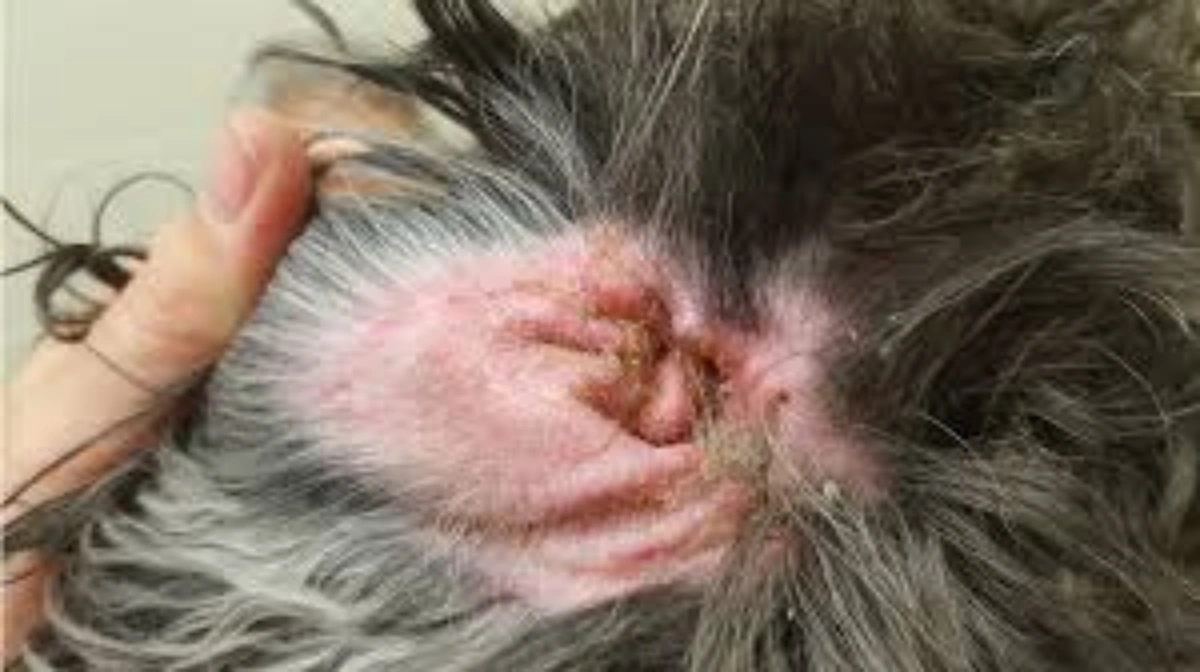
If your dog exhibits hives, facial swelling, or excessive panting, it’s crucial to seek immediate veterinary attention as these symptoms could indicate a severe allergic reaction. Apart from scratching, dogs may display signs of itchy skin such as licking, biting, rubbing, hair loss, inflamed skin with oozing, or emitting a foul odor. Should you notice signs of infection like oozing or inflamed skin, or detect a strong odor, consulting a veterinarian is imperative for proper diagnosis and treatment.
Causes
Numerous factors could be contributing to your dog’s excessive itching. Common causes may encompass:
- Bacterial or fungal infections: These infections frequently provoke pruritus and can be identified by symptoms like oozing, inflamed skin, a strong odor, and hair loss.
- Atopic dermatitis: Also known as allergic dermatitis, this condition often arises from environmental allergens such as pollen, dander, and plants, making it likely to be seasonal.
- Flea allergy dermatitis: Resulting from fleas injecting saliva into a dog’s body, this form of allergic dermatitis triggers the immune system due to proteins in the saliva, leading to itching that may persist for several days. Even a single flea bite can incite a reaction.
- Food allergies: Dogs experiencing year-round itching may be afflicted by food allergies, which can be diagnosed through a dietary trial to pinpoint allergic reactions.
Diagnosing Itchy Skin in Dogs
When your dog experiences itching, your veterinarian will likely recommend a variety of diagnostic tests to pinpoint the underlying cause.
Skin scrapings, a form of skin cytology, involve examining tissue samples under a microscope. This helps identify mites, bacterial infections, or fungal infections like ringworm.
Intradermal testing entails the veterinarian injecting a small amount of allergen into the skin. If swelling occurs within thirty minutes, it indicates an allergy to that specific substance.
The Radioallergosorbent test (RAST) is a blood test used to detect environmental allergens such as pollen.
In cases where food allergies are suspected, a food trial may be recommended. This involves feeding your dog a prescription diet or homemade food without any additional treats. If the itching improves, it suggests that food may be the culprit.
Treatment
Neglecting to address itchy skin in dogs can lead to additional issues like hot spots, characterized by inflamed skin due to excessive licking and biting. Your pet’s discomfort necessitates veterinary attention to identify and treat the underlying cause.
Over-the-counter treatments should only be administered under veterinary guidance. Depending on the condition, your vet may suggest one of the following approaches to alleviate itching:
- Antibiotics: Prescribed for bacterial and fungal infections, antibiotics typically require 21 to 30 days for complete clearance of skin infections.
- Insect control: Limiting a dog’s exposure to insects can help manage allergic reactions to insect bites.
- Prescribed diet: Suspected food allergies may prompt your vet to recommend a special diet, which may involve trial and error to find the suitable food.
- Steroid medications: While highly effective, medications like glucocorticoids may induce side effects such as increased hunger and thirst. They are usually prescribed for short durations.
- Anti-itch medication: Commonly prescribed medications like cyclosporine, oclacitinib, and essential fatty acids help manage symptoms in dogs.
- Antihistamines: Although antihistamines are frequently used for itchiness, their efficacy for dogs is not firmly established by studies.
- Dog shampoos: Over-the-counter dog shampoos recommended by your vet can provide short-term relief for itching.
Dog Itching FAQs
Can stress lead to itching in dogs?
Yes, stress can induce temporary itching in dogs. Engaging your dog in activities like walks or playtime may alleviate symptoms.
How can I alleviate my dog’s itching?
Apart from adhering to your vet’s treatment plan, giving your dog a bath can be helpful, especially if they have atopic dermatitis.
Why is my dog experiencing intense itching without fleas?
Itching may stem from infections or airborne allergies like pollen, dander, or plants. Fleas might not be visible, or a single flea bite could trigger the reaction. Visiting your vet will help identify potential causes and offer appropriate care.
Related Videos