
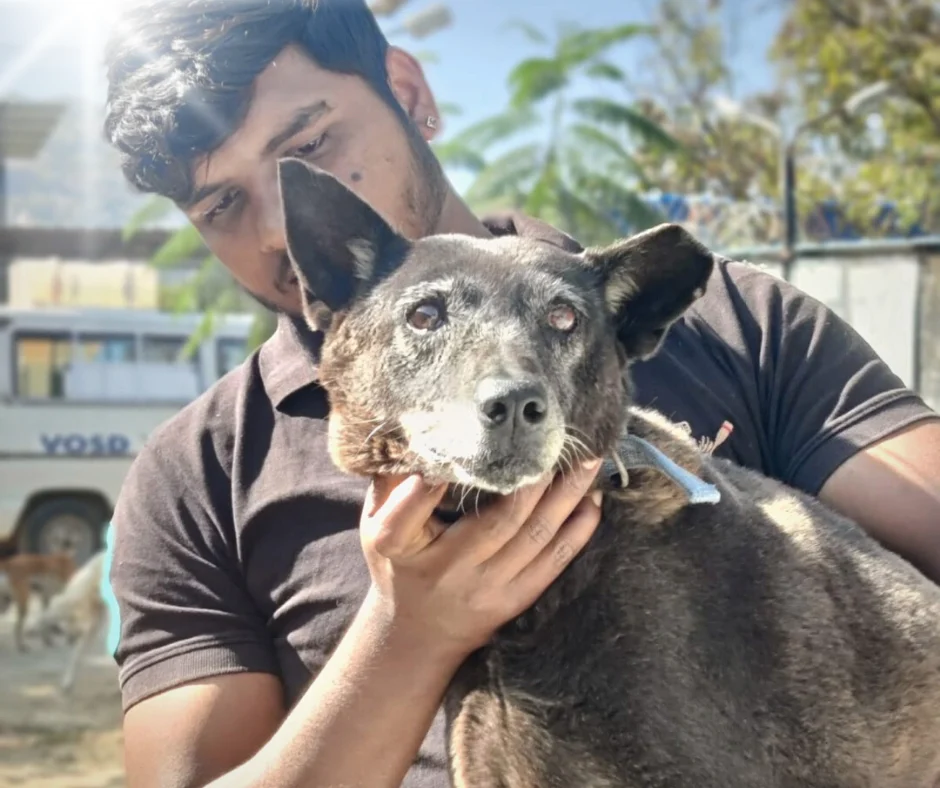
Great News For India’s Dog Rescuers: Update 2023 On The VOSD Surrender Process!
As part of the VOSD dog surrender process, all rescuers have to submit the vaccination details and latest blood test results of the dogs they wish to surrender to VOSD.

VOSD has 10 Surrender Categories listed on the website, which are backed by the VOSD Helpdesk system to determine the legitimacy of each case. One of the most difficult cohorts in Rescue & Rehab is the cohort of dogs labelled reactive or aggressive. In practical terms, these are among the dogs most at risk of abandonment, destruction, or lifelong cruelty. They are also among the dogs least likely to find a safe, lawful, and humane alternative outside the VOSD system.
For VOSD, these are not “bad dogs.” They are dogs failed by human systems, by fear, inadequate handling, lack of rehabilitation resources, poor infrastructure, abandonment, and the absence of a credible no-kill pathway when the dog becomes difficult to manage.
This document explains how VOSD evaluates, admits, rehabilitates, and provides lifelong care to this cohort, why the work is resource-intensive, and how donor support can materially improve outcomes for these dogs.
Reactive/aggressive dogs are one of the defined surrender categories within VOSD Rescue & Rehab. These cases are not treated casually. VOSD does not function as a convenience surrender system for difficult dogs. A dog enters this cohort only after a rigorous process establishes that the case is genuine, that remedial efforts have been attempted and failed, and that the likely outcome outside VOSD is the dog’s destruction.
In India, that destruction often takes the form of the polite language of “put to sleep” or “PTS” within the veterinary system. Behind that phrase, however, is a harsher lived reality: many of these dogs are subjected to unsaid cruelty daily before such an end is sought or justified.
VOSD exists precisely for dogs who have no other options.
Today, the VOSD Sanctuary houses more than 300 such dogs from across India, each with an extensive paper trail and case history. These are among the most complex welfare cases in the country.
Because these dogs carry high risk, high complexity, and lifelong care commitments, VOSD requires original documentation and a structured evidentiary process before admission.
For a dog labelled reactive or aggressive to be considered, the owner, rescuer, or NGO must formally certify the following:
1. Why can’t they keep the dog?
The reason must be clearly stated in formal, original documentation.
2. What remedial action has already been taken?
This includes interventions such as behaviourists, trainers, handling changes, and management protocols, along with evidence of why these efforts failed.
3. What is the viable alternative other than VOSD?
This ensures transparency. If a credible, humane alternative exists, it must be declared. VOSD is intended only for cases where no such option truly remains.
This information is entered into the VOSD HelpDesk system, where cases undergo verification and review.
Documentation reviewed may include:
The HelpDesk process is not clerical; it is investigative and ethical. Its purpose is to verify that the case is truly last resort, where, without intervention, the dog is at risk of being destroyed.
This approach protects both the dog and the integrity of VOSD’s no-kill commitment.
VOSD operates one of the world’s largest no-kill dog sanctuaries and one of India’s most advanced canine rescue and lifetime care systems. The no-kill philosophy at VOSD is not sentimental; it is infrastructural.
A no-kill commitment only has meaning when backed by a real system: land, enclosures, hospital care, trained staff, quarantine protocols, intake processes, documentation, behavioural rehabilitation, long-term nutrition, medical management, and end-of-life dignity.
Reactive or aggressive dogs represent one of the clearest tests of whether an institution truly upholds no-kill care.
It is relatively easy to rescue healthy, friendly, and adoptable dogs. It is significantly harder to take responsibility for dogs that:
These dogs often need long-term intervention before they can begin to trust humans or other animals.
VOSD accepts such cases because the alternative is often:
Within the VOSD system, every such dog is recognised as having intrinsic worth and is given the opportunity for safe, structured, and dignified lifetime care.
Donors should understand that these dogs are not managed in isolation. They are part of a larger VOSD Rescue & Rehab system built over years of infrastructure and operational design.
The VOSD Sanctuary is a purpose-built 7-acre canine care campus with capacity for approximately 2,000 dogs, along with additional expansion potential. It is a fully residential campus designed for long-term, cohort-based, lifelong care.
Dogs are housed based on health, behaviour, compatibility, and care needs:
The Sanctuary operates 250+ enclosures across categories:
Co-located within the campus is the VOSD Referral Hospital, integrated with the broader advanced medical care system. This is critical because behavioural complexity often overlaps with medical conditions.
Many reactive or aggressive dogs arrive with:
Through integrated systems, these dogs receive:
VOSD does not separate behaviour from medicine. It treats the whole dog comprehensively and for life.
Across the Sanctuary system, VOSD’s caregiving model is structured, layered, and labour-intensive, with approximately 75 staff operating across defined roles:
The reactive or aggressive cohort depends heavily on specialised handlers. These dogs cannot be managed solely through routine kennel care.
They require:
From the beginning, these dogs are:
This continuity is critical. For highly reactive dogs, a familiar handler can be the difference between escalation and gradual behavioural progress.
When these dogs first arrive, they are kept under observation and in visual contact with other dogs and people for extended periods. This is intentional. The goal is safe exposure, not isolation, allowing gradual acclimatisation without forced interaction.
At intake, these are the only dogs routinely housed in single-dog kennels or enclosures. This is not punitive, it is protective for the dog, other animals, and staff.
They are then progressed through structured stages of rehabilitation:
The dog receives controlled, predictable interaction with a handler within or around the kennel space. The focus is on reducing reactivity, building routine, and establishing trust.
Once manageable, the dog is introduced to leash walks in designated areas. This expands sensory exposure, supports decompression, and introduces structured movement.
Dogs are introduced into shared enclosures gradually, based on compatibility and behavioural progress. Pack formation is deliberate and closely managed.
The dog demonstrates lower reactivity and increased tolerance toward people and other dogs, with improved behavioural stability.
Some dogs — especially very small or deeply fearful individuals- remain vulnerable even after progress. While no longer overtly aggressive, they may not safely adapt to standard group environments.
For these dogs, a long-term protective solution is implemented. They are integrated into a controlled home environment under lifelong care. Currently, approximately 150 such dogs live under this model, ensuring safety, stability, and dignity.
This approach reflects full responsibility for the most complex cases, not deferral, but permanent, humane integration.
The most reactive and aggressive dogs cannot all be socialised daily due to limitations in trained handler availability.
This represents the central operational constraint.
The system already exists; infrastructure, protocols, land, and philosophy are in place. The limiting factor is trained, consistent, behaviour-capable human time.
For dogs whose baseline emotional state is fear, suspicion, or defensive aggression, daily structured engagement significantly improves both the pace and quality of rehabilitation.
Gaps in engagement do not erase progress, but they slow it. In some cases, inconsistency can reinforce hypervigilance.
This is why support for expanding the specialised handler base is one of the highest-impact interventions available.
Targeted donor support can strengthen this cohort in clear, measurable ways:
This is the single greatest need.
Each additional handler requires residential infrastructure for themselves and their family. Since the campus is fully residential, staff housing is a real operational constraint.
Dedicated, controlled spaces enable safe scaling of socialisation:
Reactive dogs require structured stimulation beyond basic care:
Improved data systems enable:
Enhanced infrastructure improves safety and control:
Start here to understand rescue and rehabilitation pathways.
Specialized rehabilitation approach for behaviorally complex dogs.


info@vosd.in
VOSD keeps dogs that no one else can keep. To continue doing so, it needs more trained human hands, safer spaces, and donors willing to stand for no-kill care when it is most difficult. For donors, the question is not only what the money buys, but what it changes.
The reactive and aggressive dog cohort represents one of the most demanding moral choices in animal welfare. These are not easy cases or quick success stories. These are dogs that people fear, struggle with, or feel they have no option but to give up on.
At VOSD, these dogs are still met with the same foundational promise: they will not be killed or endlessly passed on because they are difficult.
Instead, they are:
This is demanding work, labour-intensive, infrastructure-heavy, and emotionally complex. Yet it represents the core of true no-kill care.
For donors who want to support dogs that have exhausted every other option, this is where support has the greatest impact.

As part of the VOSD dog surrender process, all rescuers have to submit the vaccination details and latest blood test results of the dogs they wish to surrender to VOSD.
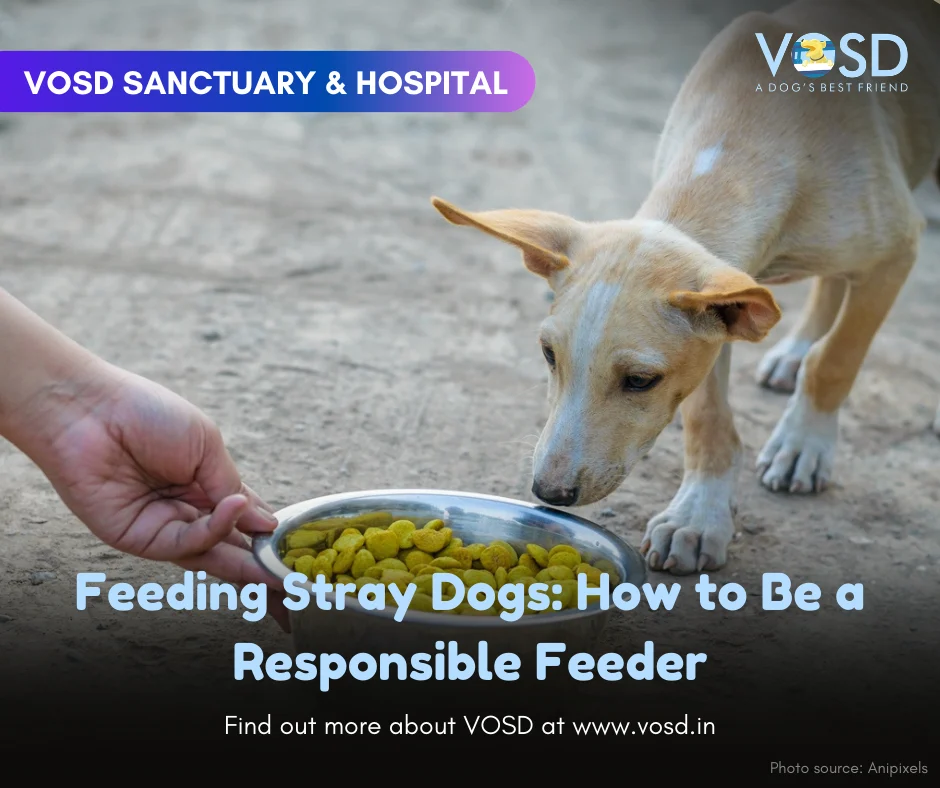
“Sharing is caring”. This old famous saying has been such an integral part of our lives. As children, experiencing the excitement of opening your lunchbox to share with fellow classmates,
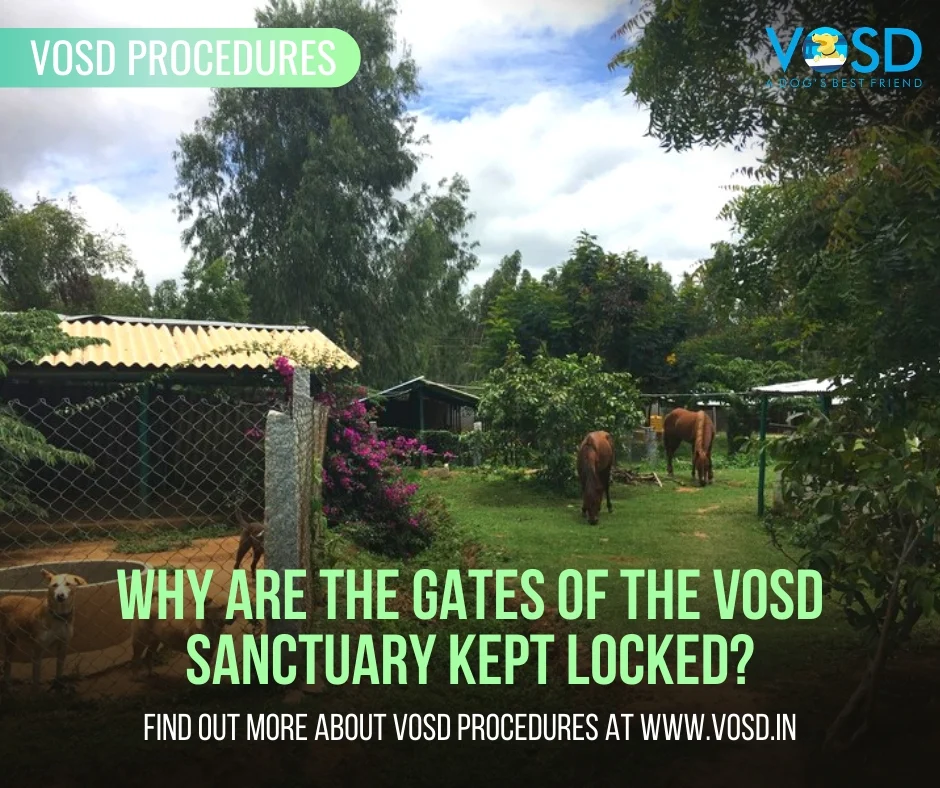
The VOSD Sanctuary is a magical place – it is home to 900+ dogs. Additionally, VOSD is an open, clean and green environment where no dogs are chained or caged.
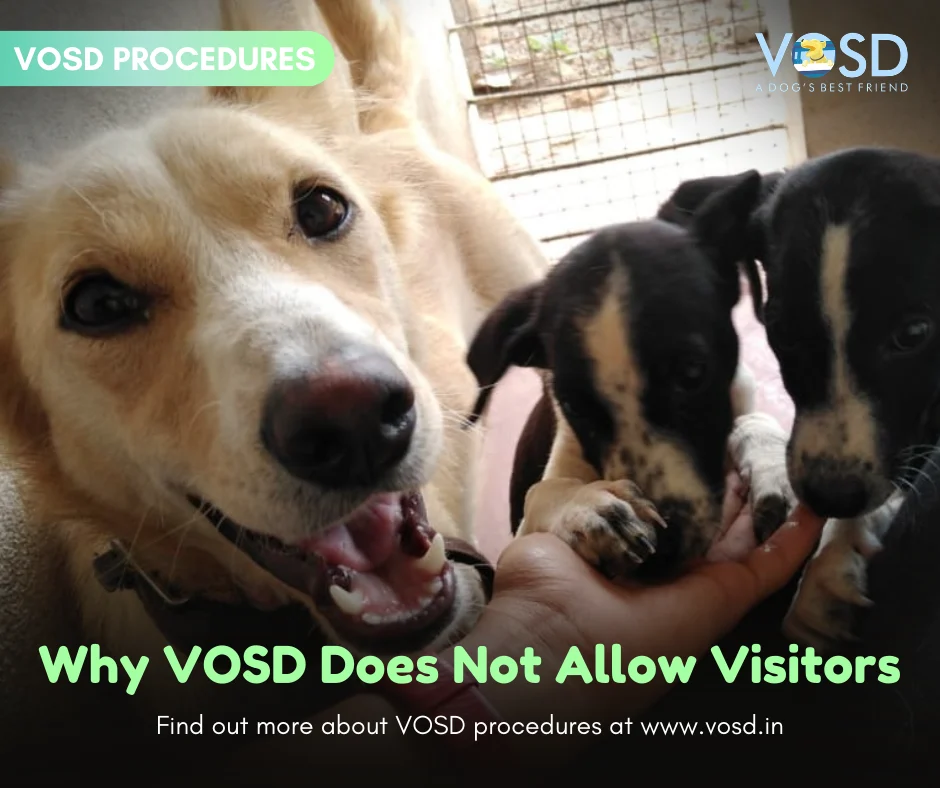
We frequently get asked this question- and we have several answers! The VOSD Sanctuary is a magical place- it is home to over 900 dogs. Additionally, VOSD is an open,