Choosing a dog based on how it looks in a photograph is one of the most common and most consequential mistakes an Indian pet owner can make.
India does not have a single climate. It is a continent of climates. Coastal humidity in Mumbai. Dry, punishing heat in Rajasthan. Dust and temperature swings in Delhi. Year-round warmth in Chennai. When a dog breed has spent centuries evolving in the cold highlands of Siberia or the temperate fields of England, placing that dog in an Indian summer is not just uncomfortable for the animal. It is a welfare decision with real health consequences.
The right breed choice for Indian conditions is not about preference. It is about survival, health, and the quality of life your dog will have for the next ten to fifteen years.
Understanding Climate Compatibility in Dogs
Not all dogs experience heat the same way. A dog’s ability to tolerate Indian weather depends on several biological factors working together.
- Coat type and thickness are among the most important variables. A dense double coat, designed to trap warm air in cold climates, becomes a liability in 40-degree heat. A short, single-layer coat allows heat to dissipate far more effectively
- Body structure matters significantly. Dogs with long snouts can pant more efficiently, which is the primary mechanism through which dogs regulate body temperature. Flat-faced breeds, known as brachycephalics, have a structurally compromised cooling system and are among the most vulnerable to heat stress
- Body mass and fat distribution affect how quickly a dog heats up and how effectively it cools down. Lean, lighter-framed dogs generally cope better with high ambient temperatures
- Geographic origin is perhaps the most reliable predictor of heat tolerance. Dogs whose breeds developed in tropical or subtropical climates over hundreds of generations have physiological adaptations that were literally shaped by heat
Understanding these factors prevents the heartbreaking situation of a dog that spends its entire life struggling with a climate its body was never designed for.
Why Indigenous Breeds Dominate in India
The Indian Pariah dog, also known as the Indie or desi dog, did not require selective breeding to adapt to Indian conditions. It evolved here over thousands of years. Natural selection did the work that breeders elsewhere do artificially, and the result is an animal that is genetically and physiologically aligned with the subcontinent’s demands.
Indigenous Indian breeds carry advantages that no imported breed can fully replicate.
- They have developed natural immunity to diseases prevalent in the Indian environment through generations of exposure
- Their metabolism and coat are calibrated to Indian heat and humidity rather than being a liability in it
- They are leaner, more active, and structurally suited to the physical demands of outdoor life in Indian conditions
- They require significantly less medical intervention related to climate-associated health issues compared to foreign breeds kept in India
This is not sentimentality. It is biology.
Top 10 Dog Breeds That Actually Thrive in Indian Conditions
1. Indian Pariah Dog The gold standard for Indian conditions. Hardy, intelligent, low-maintenance, and naturally adapted to every Indian climate zone. Their short coat, lean frame, and disease resistance make them the most sensible choice for any Indian owner willing to give a deserving dog a home.
2. Rajapalayam A native sighthound from Tamil Nadu, bred for hunting and guard duties in South Indian heat. Elegant, loyal, and built for hot weather. Best suited to experienced owners with space.
3. Mudhol Hound (Caravan Hound) Indigenous to Karnataka and Maharashtra, this breed is lean, fast, and perfectly suited to dry, hot conditions. Remarkably low grooming needs and strong natural health make it an excellent choice.
4. Kombai A working breed from Tamil Nadu with centuries of adaptation to the South Indian climate. Sturdy, alert, and naturally resistant to heat-related illness. Requires confident handling.
5. Chippiparai, A sighthound from Tamil Nadu, is known for its endurance and heat tolerance. Athletic and low-maintenance, this breed thrives in warm conditions with regular exercise.
6. Indian Spitz Contrary to its appearance, the Indian Spitz has adapted well to Indian conditions over decades of local breeding. More heat-tolerant than its European Spitz cousins, manageable in apartment settings with proper care.
7. Labrador Retriever Labradors are one of the more adaptable foreign breeds in India, provided they have access to shade, cool water, and air conditioning during peak summer months. They require active heat management but cope better than many other imported breeds.
8. Doberman Pinscher Short-coated and lean, the Doberman’s body structure makes it one of the better-suited foreign breeds for Indian weather. Requires regular exercise and does well with experienced owners.
9. Dachshund The short coat and relatively small size of the Dachshund make it manageable in Indian conditions, particularly in apartments. Prone to back problems, so owners must manage exercise carefully.
10. Beagle Adaptable, short-coated, and robust, the Beagle handles Indian conditions reasonably well with proper care. Social, energetic, and well-suited to family environments.
Related Videos


How Each Breed Handles Heat: The Real Mechanism
Dogs cool themselves primarily through panting. When a dog pants, it evaporates moisture from the tongue, mouth, and upper respiratory tract, releasing heat in the process. This mechanism is the dog’s equivalent of sweating.
The efficiency of this system depends on the anatomy of the airway. Dogs with long snouts have more surface area for evaporative cooling and can move air more freely. Dogs with flat faces have shorter airways, smaller nostrils, and elongated soft palates that restrict airflow, making panting far less effective.
Beyond panting, a dog’s coat plays a direct role in heat exchange. A single, short coat allows heat to radiate away from the body surface. A thick double coat, while excellent insulation in cold climates, traps body heat and significantly raises the risk of overheating in high ambient temperatures.
Indigenous Indian breeds have naturally short coats, lean bodies, and well-developed snouts. Foreign breeds developed in cold climates frequently have none of these advantages.
Foreign Breeds in India: What Most Owners Get Wrong
The desire to own a Husky, Saint Bernard, Chow Chow, or Alaskan Malamute in India is understandable. These are beautiful animals. But beauty does not equal suitability.
These breeds developed in climates where temperatures can fall below freezing. Their thick double coats are not just aesthetic features. They are survival tools for environments that are the opposite of India. In Indian summer temperatures, these dogs are at serious risk of heatstroke, chronic skin infections from trapped moisture, and the kind of sustained physiological stress that shortens lives and reduces quality of life profoundly.
Veterinary warnings on this point are unambiguous. Dogs with thick coats in high heat face risks of heatstroke, seizures, organ damage, and death when they cannot dissipate body heat efficiently. Air conditioning can reduce but not eliminate this risk, and it creates a dog that is essentially imprisoned indoors for months at a time.
This is not a choice that serves the dog. And it reflects a pattern that responsible pet ownership must move away from. For broader guidance on making ethical and practical decisions about dog care in India, the Dog Care Advice for Indian Pet Owners section of VOSD’s resource library provides evidence-based recommendations across a wide range of ownership topics.
What Happens When the Breed Does Not Match the Climate
The consequences of a serious breed-climate mismatch are not abstract. They are daily realities for the dogs affected.
- Heatstroke can develop rapidly in susceptible breeds when ambient temperatures exceed safe thresholds. Signs include excessive panting, drooling, disorientation, vomiting, and in severe cases, collapse and seizures
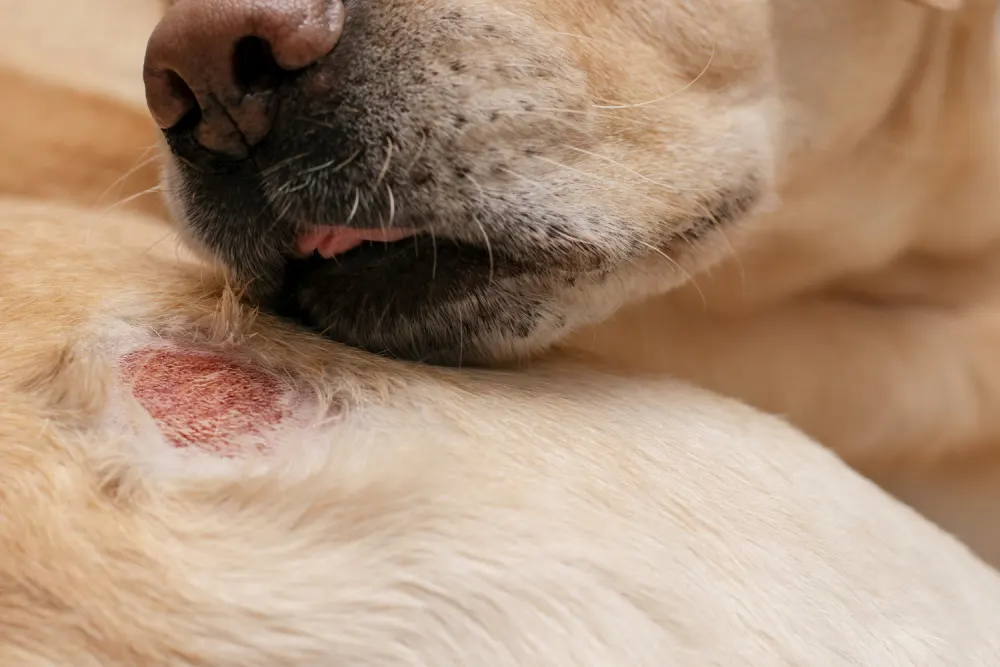
- Chronic skin infections are significantly more common in thick-coated breeds in humid Indian conditions, where moisture trapped against the skin creates ideal conditions for bacterial and fungal growth
- Behavioural problems, including restlessness, anxiety, and aggression, are exacerbated by chronic heat stress, which places the dog in a state of persistent physiological discomfort
- Shortened lifespan is a documented consequence of sustained climate mismatch, as the cumulative stress of operating outside the dog’s physiological comfort range takes a toll on organ systems over time
Indian vs Foreign Breeds: A Practical Comparison
| Factor | Indian Breeds | Foreign Breeds in India |
|---|---|---|
| Heat tolerance | Naturally high | Low to moderate |
| Coat management | Minimal | High, especially thick-coated breeds |
| Disease resistance | Strong native immunity | Requires more veterinary intervention |
| Maintenance cost | Lower | Higher |
| Heatstroke risk | Low | Moderate to high |
| Adaptability | Excellent | Varies significantly by breed |
The data is consistent. Indian breeds outperform foreign breeds in Indian conditions across every practical metric that affects dog welfare and owner experience.
Choosing the Right Dog Based on Your Lifestyle
The best breed for India is also the best breed for your specific living situation.
- First-time owners are best served by an Indian Pariah dog or a Beagle. Both are adaptable, manageable, and forgiving of the learning curve that comes with first-time dog ownership
- Apartment dwellers should consider the Indian Spitz, Dachshund, or a Pariah dog. All three adapt well to indoor living with adequate daily exercise
- Active families with space are well matched with the Mudhol Hound, Rajapalayam, or Doberman. These breeds need physical activity and perform best when they have room to move
- Those seeking a guard dog will find the Kombai, Rajapalayam, and Doberman excellent choices, each with strong protective instincts and natural alertness
The emotional dimension of this choice matters too. Dogs that are physically comfortable in their environment are calmer, more engaged, and more capable of the bond that makes dog ownership meaningful. Understanding why talking to your dog every day actively supports their mental wellbeing is part of responsible ownership, and it starts with a dog that is not spending its energy simply managing the stress of an incompatible climate.
When Climate Stress Becomes a Veterinary Concern
Every Indian dog owner should know the signs that heat has crossed from uncomfortable to dangerous.
- Excessive, sustained panting that does not slow with rest
- Heavy drooling beyond what is normal for the breed
- Bright red or pale gums
- Disorientation, stumbling, or unusual lethargy
- Vomiting or collapse
If any of these signs appear, move the dog immediately to a cool environment, offer small amounts of cool water, apply cool water to the paws and groin area, and seek veterinary care without delay. Heatstroke progresses rapidly and becomes life-threatening faster than most owners realise.
How You Can Help Dogs Beyond Adoption
Choosing the right breed is a personal decision, but it exists within a much larger conversation about dog welfare in India. Millions of Indian Pariah dogs are living on streets, in shelters, and in rescue organisations, waiting for the homes they deserve.
Adoption is only one way to contribute. Feeding, fostering, volunteering, and supporting organisations working with dogs in need are all meaningful ways to act on the love most dog owners already feel. How you can help dogs in India covers the full range of options available to anyone who wants to make a difference beyond their own home.