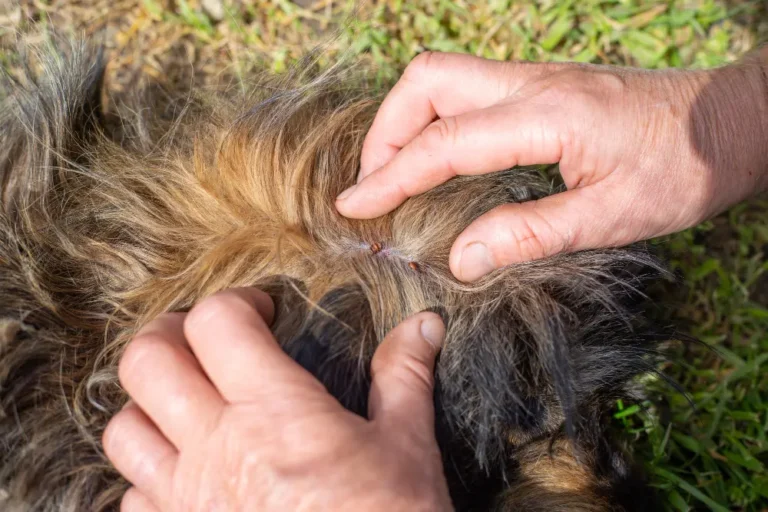
Parasites in dogs are a widespread and serious health concern that every pet owner should understand. These organisms, which can be either internal or external, live on or inside a dog’s body and survive by feeding off the host. Left untreated, parasitic infections can lead to severe health complications, including organ damage, malnutrition, anemia, and in extreme cases, death. Understanding the types, causes, symptoms, and treatments of parasites in dogs is essential for protecting your pet’s long-term health and well-being.
What Are Parasites in Dogs?
Parasites are organisms that live on or inside another living being, the host, and depend on that host for nutrients and survival. In dogs, parasites can inhabit the intestines, bloodstream, heart, lungs, skin, and coat. They are broadly categorized into two groups: internal parasites, which live inside the dog’s body, and external parasites, which reside on the skin or fur. Both types can cause significant discomfort, illness, and long-term health complications if not identified and treated promptly.
Types of Parasites in Dogs
Dogs can be affected by a wide range of parasites throughout their lives. These parasites are divided into two main categories , internal and external, each presenting unique risks, symptoms, and treatment challenges. Early identification of the parasite type is critical for effective treatment.
Internal Parasites in Dogs
Internal parasites are organisms that live and reproduce inside a dog’s body, typically in the intestines, heart, or lungs. They are often not visible to the naked eye and may go undetected for extended periods. Common internal parasites include roundworms, hookworms, whipworms, tapeworms, heartworms, and lungworms. These parasites are often transmitted through contaminated soil, feces, insects, or infected prey animals.
Internal Parasites Overview
| Parasite Type | Description | Common Symptoms | Risk Level |
| Roundworms | The most common intestinal worm in dogs; it can be transmitted to humans | Vomiting, diarrhea, pot-bellied appearance, weight loss | High |
| Hookworms | Small worms that attach to the intestinal lining and feed on blood | Bloody diarrhea, anemia, weakness, pale gums | High |
| Whipworms | Thread-like worms in the large intestine cause chronic irritation | Watery or bloody diarrhea, weight loss, dehydration | Moderate |
| Tapeworms | Segmented worms are transmitted via fleas or infected prey | Visible segments in stool, scooting, mild weight loss | Moderate |
| Heartworms | Parasitic worms live in the heart and pulmonary arteries via mosquitoes | Coughing, exercise intolerance, heart failure | Very High |
| Lungworms | Worms infecting the lungs and airways; acquired from snails/slugs | Persistent cough, breathing difficulty, and blood-clotting problems | High |
External Parasites in Dogs
External parasites live on the surface of a dog’s skin or within the coat and feed on blood, skin cells, or other bodily substances. They are typically visible during a physical examination or grooming session. Common external parasites include fleas, ticks, mites, and lice. These parasites can cause intense discomfort, skin disease, allergic reactions, and can also act as vectors for more serious infectious diseases.
External Parasites Overview
| Parasite | Where Found | Symptoms | Health Risk |
| Fleas | Skin and coat, especially around the neck, base of the tail, and belly | Intense itching, scratching, flea dirt, hair loss, skin irritation | Moderate to High |
| Ticks | Attached to skin in wooded or grassy areas; ears, neck, between toes | Skin irritation, Lyme disease, paralysis, anaplasmosis | High |
| Mites (Mange) | Deep in skin (sarcoptic) or hair follicles (demodectic) | Severe itching, crusty skin, hair loss, open sores | High |
| Lice | On the skin and coat surface, spread by direct contact | Itching, restlessness, rough coat, mild anemia | Low to Moderate |
Causes of Parasites in Dogs
Dogs can acquire parasites through a variety of environmental exposures and behavioral habits. Understanding how parasites are transmitted is the first step toward effective prevention. The risk of infestation is higher in dogs that spend time outdoors, interact with other animals, or live in areas with poor sanitation. Young puppies and dogs with weakened immune systems are particularly vulnerable to parasitic infections.
Common Causes of Parasitic Infection
- Contact with contaminated soil containing parasite eggs or larvae
- Ingestion of infected feces from other dogs or animals
- Mosquito bites transmit heartworm larvae into the bloodstream
- Flea infestation leading to tapeworm ingestion during grooming
- Poor hygiene and unsanitary living conditions
- Direct contact with infected animals, including wildlife
- Consumption of contaminated food or water sources
Related Videos


Symptoms of Parasites in Dogs
The symptoms of parasitic infection in dogs vary widely depending on the type of parasite involved, the severity of the infestation, and the dog’s age and overall health. Some infections may be asymptomatic in the early stages, making routine veterinary checkups all the more important. As the infestation progresses, symptoms typically become more pronounced and may affect multiple body systems. Recognizing the warning signs early can significantly improve treatment outcomes.
Common Symptoms to Watch For
- Diarrhea, which may be watery, bloody, or chronic
- Vomiting, sometimes containing visible worms
- Unexplained weight loss despite a normal appetite
- Bloated or pot-bellied appearance, particularly in puppies
- Persistent itching, scratching, or biting at the skin
- Hair loss or a rough, patchy coat
- Signs of anemia, such as pale gums, weakness, or fatigue
- Coughing or labored breathing, especially with heartworm or lungworm
- Lethargy and reduced interest in activity or play
- Visible worm segments or whole worms in the dog’s stool or around the anus
Diagnosis of Parasites in Dogs
Accurate diagnosis of parasitic infections requires veterinary evaluation. A veterinarian will typically begin with a thorough physical examination followed by diagnostic testing. A fecal examination is the most common method for detecting intestinal parasites, involving microscopic analysis of a stool sample for parasite eggs or larvae. Blood tests are used to detect heartworm antigens and signs of anemia. Skin scraping tests are used to identify mite infestations such as mange, while comprehensive parasite screening panels can detect multiple infections simultaneously.
VOSD Advance PetCare™ Parasite Control
Our parasite management is comprehensive, focusing on screening, prevention, and aggressive treatment of vector-borne diseases:
- Tick fever blood test: Immediate screening for Ehrlichia and Babesia when fever or anaemia is present.
- Preventive scheduling: Tailored recommendations for year-round prevention based on your dog’s lifestyle and local parasite risk.
- Integrated treatment model: Combining anti-parasitic medication with supportive care (e.g., IV fluids, blood transfusions) for severe tick fever cases.
Treatment of Parasites in Dogs
Treatment for parasites in dogs depends entirely on the type of parasite identified. Some parasites respond quickly to a single dose of medication, while others require prolonged treatment protocols. It is critical to complete the full course of prescribed treatment to ensure complete elimination of the parasite. Self-medicating without veterinary guidance is not recommended, as incorrect treatment can be ineffective or even harmful. Always consult a licensed veterinarian for an accurate diagnosis and appropriate treatment plan.
Treatment by Parasite Type
| Parasite | Common Treatment | Duration | Notes |
| Roundworms / Hookworms / Whipworms | Deworming medications (pyrantel, fenbendazole) | 1-3 doses over weeks | Repeat treatment and environmental cleaning are required |
| Tapeworms | Praziquantel (oral or injection) | Single dose, may repeat | Treat fleas simultaneously to prevent reinfestation |
| Heartworms | Melarsomine injections + doxycycline | Several months of treatment | Strict rest is required; prevention is far safer |
| Fleas & Ticks | Topical/oral treatments (spinosad, fipronil, afoxolaner) | Monthly preventatives | Treat the pet and the home environment together |
| Mites (Mange) | Medicated shampoos, lime sulfur dips, ivermectin | Weeks to months, depending on type | Sarcoptic mange is contagious to humans |
Related Products




Prevention of Parasites in Dogs
Prevention is always the most effective and cost-efficient approach to managing parasites in dogs. Establishing a consistent preventive care routine reduces the risk of infestation significantly and protects both your dog and your household. Many parasites, such as roundworms and hookworms, are zoonotic, meaning they can be transmitted to humans, making prevention even more critical for families with children or immunocompromised individuals. Speak with your veterinarian to develop a tailored parasite prevention plan.
Key Prevention Tips
- Administer regular deworming treatments as recommended by your veterinarian
- Use monthly flea and tick preventatives year-round in high-risk areas
- Keep your dog’s living environment clean, including bedding and yard areas
- Avoid allowing your dog to roam in areas with heavy wildlife activity or standing water
- Schedule routine veterinary checkups at least once or twice per year
- Use veterinarian-prescribed preventive heartworm medication monthly
When to See a Veterinarian
While mild parasitic infections can sometimes be managed with prescribed medications at home, certain warning signs require immediate veterinary attention. Seek prompt medical care if your dog experiences severe or persistent diarrhea that lasts more than 24 to 48 hours, repeated vomiting, breathing difficulties, or a persistent cough, visible signs of a heavy infestation such as worms in the stool, or extreme weakness, collapse, or pale gums. Early veterinary intervention can prevent life-threatening complications.