

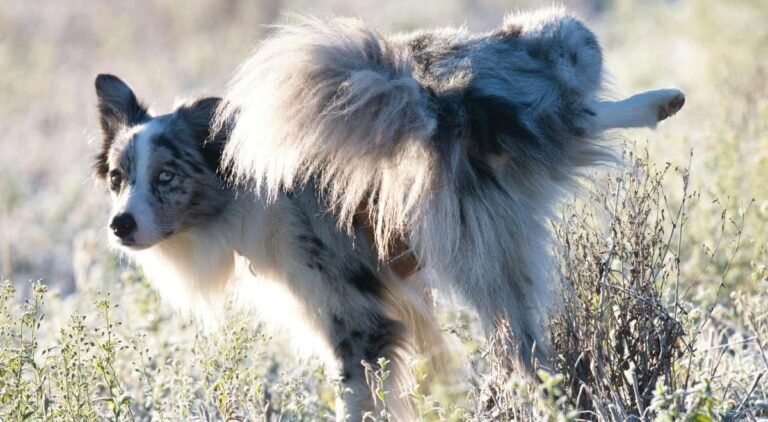
Urinary problems in dogs span a wide spectrum of severity, from a straightforward bacterial infection that resolves with a course of antibiotics to a complete urinary obstruction that becomes fatal within hours if not treated. The challenge for pet owners is that early symptoms across this spectrum, such as straining, frequent urination, and blood in the urine, can look nearly identical regardless of the underlying cause. Accurate diagnosis is not optional in urinary cases. It is the difference between appropriate targeted treatment and an escalating crisis.
How the Canine Urinary System Works
The urinary system in dogs consists of the kidneys, which filter waste products from the blood and produce urine; the ureters, which carry urine from the kidneys to the bladder; the bladder, which stores urine until voiding; and the urethra, through which urine is expelled from the body.
Disease can develop at any point along this pathway. Infections most commonly begin in the urethra or bladder and may ascend to the kidneys if left untreated. Bladder stones can form within the bladder itself or occasionally within the kidneys. Obstructions most often occur in the urethra, particularly in male dogs, where the urethra is longer and significantly narrower than in females, making it much more susceptible to blockage by stones or inflammatory debris.
Understanding where in the urinary tract the problem is located is a fundamental first step in determining appropriate treatment.
Common Urinary Conditions in Dogs
| Condition / Topic | Description | Common Symptoms | Dogs Most Affected / Causes |
|---|---|---|---|
| Urinary Tract Infection (UTI) | A bacterial infection affecting the lower urinary tract, including the bladder or urethra. It causes inflammation and irritation in the urinary system. | Frequent urination, straining while urinating, blood in urine, urinating in unusual places | More common in female dogs due to a shorter urethra; often caused by bacteria and may occur secondary to stones or tumors |
| Urinary Bladder Infection | Infection of the bladder that causes discomfort and may require veterinary treatment. Usually treatable with medication. | Increased water intake, frequent urination, and accidents indoors | Caused by bacterial infection in the bladder |
| Lower Urinary Tract Disease | A broad term describing various conditions affecting the bladder and urethra, including infections and sterile inflammation (cystitis). | Difficulty urinating, increased thirst, blood in urine, indoor accidents | Caused by infection, inflammation, or irritation of the bladder |
| Bladder Stones (Uroliths) | Hard mineral deposits that form inside the bladder. They can irritate the bladder and sometimes block urine flow. | Straining to urinate, frequent attempts to urinate, passing small amounts of urine, and blood in urine | Can occur in any breed; certain stone types are breed-related |
| Urethral Obstruction | A blockage in the urethra that prevents urine from leaving the body. Often caused by stones stuck in the urethra and is a medical emergency. | Inability to urinate, pain, restlessness, swollen bladder | Mostly seen in male dogs because their urethra is longer and narrower |
| Urinary Incontinence | Loss of bladder control leading to involuntary leakage of urine, often when the dog is resting or sleeping. | Urine leakage, wet bedding, dribbling urine | Common in spayed female dogs, especially medium to large breeds |
| Urinary Bladder Cancer | Cancer of the bladder, most commonly transitional cell carcinoma, often develops in the bladder’s trigone region. | Blood in urine, difficulty urinating, frequent urination in small amounts | Certain breeds, such as Scottish Terriers and Shetland Sheepdogs, are predisposed |
| Chronic Kidney Disease (CKD) | Progressive loss of kidney function affects the body’s ability to filter waste and regulate fluids. | Increased thirst, increased urination, weight loss, vomiting, reduced appetite | Mostly affects older dogs |
| Kidney Failure | Severe loss of kidney function due to infection, toxins, medications, or disease. | Excessive urination, thirst, vomiting, diarrhea, weight loss | Can occur due to toxins, infections, or underlying diseases |
| Heartworm-Related Urinary Impact | Though primarily affecting the heart and lungs, severe infections can indirectly affect the kidneys and urinary function. | Fatigue, coughing, weakness, abnormal urination | Caused by parasites transmitted through mosquito bites |
| Less Common Urinary Conditions | Includes kidney infections, kidney stones, proteinuria, neurological bladder disorders, and ureter or urethral abnormalities. | Similar symptoms such as difficulty urinating, blood in urine, or frequent urination | May occur due to infections, nerve disorders, or structural abnormalities |
| Other Diseases Affecting the Urinary System | Some systemic diseases may show symptoms in the urinary tract even though the primary disease originates elsewhere in the body. | Increased urination, thirst, urinary discomfort | Includes prostate disease, pyometra, Cushing’s disease, diabetes mellitus, and diabetes insipidus |
Common Causes of Urinary Problems in Dogs
- Bacterial infections affecting the bladder or urinary tract
- Bladder or kidney stones that irritate or block urine flow
- Poor hydration or concentrated urine
- Kidney disease or kidney failure
- Hormonal changes, especially in spayed female dogs
- Tumors in the urinary bladder or urinary tract
- Neurological disorders affecting bladder control
- Underlying diseases such as diabetes or Cushing’s disease
Related Videos




Recognising the Symptoms of Urinary Problems in Dogs
Urinary symptoms in dogs are frequently mistaken for behavioural issues, particularly in house-trained dogs that begin urinating indoors. Any change in urination pattern, volume, frequency, or appearance warrants veterinary evaluation rather than a behavioural correction approach:
- Straining to urinate: A dog that postures to urinate and produces little or no urine, or cries out during the attempt, is experiencing significant pain or obstruction.
- Frequent, small-volume urination: Urinating more often than usual while producing only small amounts each time is a hallmark sign of bladder inflammation or infection.
- Blood in urine (haematuria): Visible pink, red, or brown discolouration of the urine indicates bleeding within the urinary tract and always requires investigation. It does not self-resolve.
- Excessive licking of the urinary opening: A response to irritation or discomfort at the urethral opening, often associated with infection or inflammation.
- Urinating indoors or in unusual locations: A house-trained dog that begins having accidents inside is frequently experiencing urgency or inability to hold urine due to a medical condition rather than a behavioural regression.
- Strong or unusual urine odour: An abnormally pungent or ammonia-like smell may indicate bacterial infection or concentrated urine associated with kidney stress.
- Increased thirst alongside increased urination: This combination, rather than urination frequency alone, often points to kidney disease, diabetes, or hormonal disorders rather than a simple UTI.
Emergency Warning Signs of Urinary Blockage
A complete urinary obstruction is one of the most time-critical emergencies in veterinary medicine. When a dog cannot pass urine at all, toxic waste products that would normally be expelled accumulate rapidly in the bloodstream, causing acute kidney failure. Bladder pressure builds to the point where rupture becomes possible. Without emergency intervention, a fully obstructed dog can deteriorate fatally within 24 to 48 hours.
Seek emergency veterinary care immediately if your dog shows any of the following:
- Repeated, prolonged straining to urinate with no urine produced
- Crying out or vocalising in pain when attempting to urinate
- Visible distension or firmness of the lower abdomen
- Sudden collapse, extreme lethargy, or inability to stand
- Vomiting in a dog that has recently been straining to urinate
- Complete absence of urination for several hours in a dog that normally urinates regularly
Male dogs are at significantly higher risk of complete obstruction than females, but female dogs are not immune, particularly in cases of large bladder stones or urethral masses. Do not wait for a scheduled appointment if these signs are present.
VOSD Advance PetCare™ Urology Protocol
At VOSD Advance PetCare™, urinary cases are approached through a structured diagnostic pathway designed to identify the precise cause before any treatment is initiated:
- Urinalysis: A comprehensive assessment of a urine sample evaluating pH, specific gravity, protein, glucose, blood, and sediment, including crystal type, white blood cells, and bacteria. Urinalysis provides immediate, clinically actionable information at the first consultation.
- Urine culture and sensitivity: When bacterial infection is identified or suspected, a culture isolates the specific causative organism and determines which antibiotics are effective against it. This prevents the use of broad-spectrum antibiotics when targeted treatment is more appropriate and reduces the development of resistance.
- Ultrasound and radiography: Abdominal ultrasound allows real-time visualisation of the bladder wall, kidney architecture, and the presence and size of stones or masses. Radiography (X-ray) is particularly valuable for detecting calcium-containing stones, which are highly radiodense. Both imaging modalities are often used in combination for complete urinary tract assessment.
- Stone analysis: When stones are retrieved surgically or passed naturally, laboratory analysis identifies the mineral composition and directly guides dietary and preventive management to reduce recurrence risk.
- Surgical referral: Stone removal via cystotomy (bladder surgery) is recommended when stones are too large to pass, are not amenable to medical dissolution, or are causing obstruction. Emergency urethral catheterisation or surgical decompression is performed for acute obstructive cases.
- Long-term prevention planning: Following resolution of the acute condition, a tailored plan including appropriate veterinary therapeutic diet, increased water intake strategies, and scheduled urinalysis monitoring is implemented to reduce the risk of recurrence.
Related Products




Treatment of Urinary Problems in Dogs
Early detection and proper veterinary care are important for treating urinary problems in dogs. Pet owners should be familiar with their dog’s normal habits, such as drinking water, eating, and urinating, as changes in these behaviors can indicate health issues.
In homes with multiple pets sharing food and water bowls, it may be difficult to identify which animal is showing abnormal signs. In such cases, temporarily separating pets can help monitor each dog’s drinking and urination patterns more accurately.
Recovery and Management of Urinary Problems
Many urinary conditions in dogs are treatable with proper veterinary care, allowing dogs to return to normal activity. Your veterinarian may prescribe medication, dietary changes, or other treatments depending on the underlying cause.
For effective recovery and long-term management:
- Complete all prescribed medications and attend follow-up visits if recommended.
- Discuss any changes in your dog’s eating, drinking, or urination habits during routine veterinary check-ups.
- Maintain your dog at a healthy body weight.
- Keep the urogenital area clean and well-groomed, especially in dogs with long hair.
- Ensure your dog always has access to fresh, clean drinking water.
- Consider veterinary-recommended diets or supplements that support urinary health.
Because different urinary conditions require different treatments, always consult your veterinarian before starting any diet changes, supplements, or home remedies.















