Noticing unusual crusts around your dog’s nose, sores near their ears, or patchy hair loss across the face can be unsettling. These signs, particularly when they seem to come and go without a clear cause, are sometimes the first visible indicators of an autoimmune skin condition rather than a simple infection.
Pemphigus in dogs is one such condition. It occurs when the immune system, which should protect the body, begins attacking the dog’s own skin cells instead. The result is a range of skin lesions that can range from mild to quite extensive, depending on the type of pemphigus involved and how early it is recognised.
The reassuring truth is that pemphigus in dogs is manageable. It requires consistent veterinary guidance and ongoing care, but most dogs with this condition go on to live comfortable lives. Understanding the condition clearly is the first step toward that outcome.
What Is Pemphigus in Dogs?
Pemphigus in dogs is a group of autoimmune skin diseases in which the immune system produces antibodies that mistakenly target proteins holding the skin cells together. When these connections are disrupted, fluid-filled pustules and blisters form within or beneath the skin surface. These rupture, leaving crusts, erosions, and raw-looking sores.
There are several types of pemphigus in dogs. The most common and the one most frequently encountered in clinical practice is pemphigus foliaceus. It primarily affects the face, nose, ears, and footpads, though it can spread more widely in some cases. Other forms include pemphigus vulgaris, which is more severe and affects mucous membranes, and pemphigus erythematosus, a milder variant usually limited to the face and head.
In India, pemphigus in dogs is sometimes initially mistaken for fungal infections, mange, or bacterial skin disease, because the lesions can look similar at first glance. This is why a proper diagnosis through a vet assessment and, where needed, skin biopsy is important before starting treatment.
Why Early Recognition Matters
In many field cases, pemphigus in dogs reaches a more advanced stage before it is investigated as an autoimmune condition, partly because early lesions overlap visually with common infections. Early recognition matters because treatment started before extensive lesions develop tends to be more effective and requires lower doses of medication to achieve control. Keeping an eye on any skin changes that persist beyond two weeks or worsen despite standard treatment is a practical rule of thumb.
Symptoms of Pemphigus in Dogs
Symptoms of pemphigus in dogs vary depending on the type and severity, but the following are the most commonly observed signs:
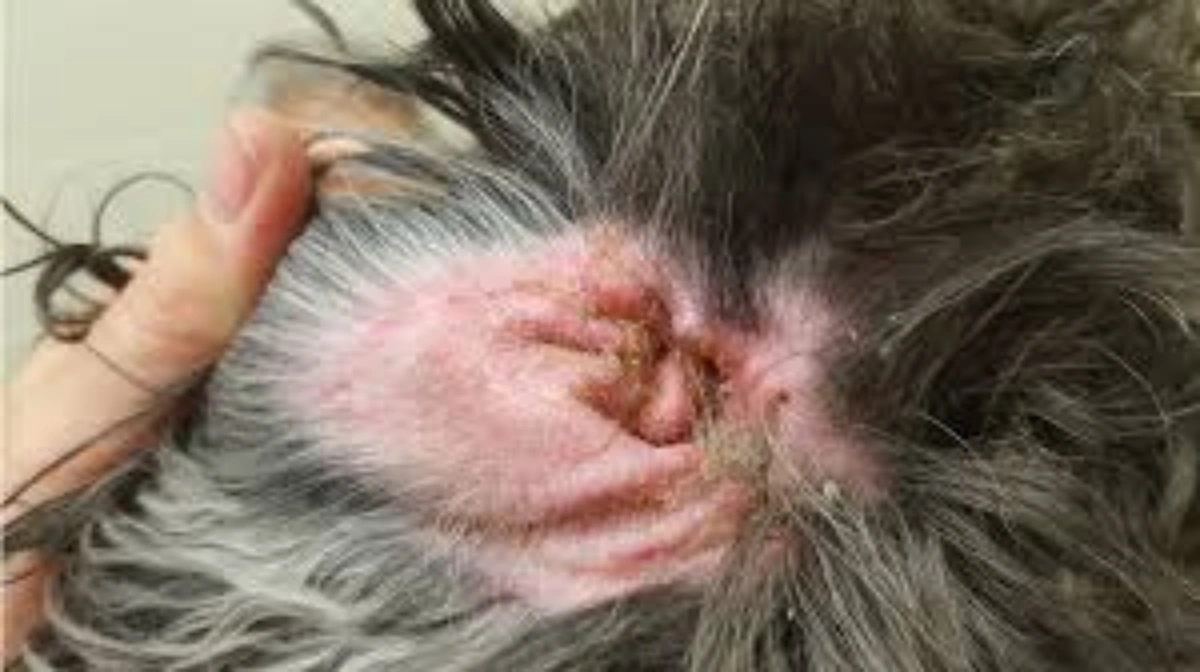
- Pustules or small fluid-filled bumps on the skin, particularly around the face, nose, and ears
- Crusting and scaling, often forming thick, yellowish or honey-coloured scabs
- Hair loss in affected areas, particularly around the muzzle, ears, and paws
- Redness and thickening of the skin surface
- Cracking and soreness of the footpads in some cases, making the dog reluctant to walk
- Sores or erosions where pustules have ruptured
- Itching, which can vary from mild to significant
- Lethargy and reduced appetite when the condition is more generalised or when pain is present
- Fluctuating signs, with periods of apparent improvement followed by worsening (flare-ups)
It is worth noting that the pattern of waxing and waning is characteristic of autoimmune conditions. A dog who seems to improve briefly and then deteriorates again without a clear infectious reason may be showing the episodic nature of pemphigus rather than responding to treatment for something else.Causes and Risk Factors of Pemphigus in Dogs
Pemphigus in dogs is an autoimmune condition, meaning the immune system is behaving abnormally rather than responding to an external pathogen. The precise reason this happens is not fully understood in every case, but several factors are associated with its development:
| Factor | Details |
|---|---|
| Genetic predisposition | Certain breeds including Akitas, Chow Chows, Dobermanns, and Collies appear to have higher reported rates, though any breed can be affected |
| Medication triggers | Some drugs, particularly certain antibiotics and antiparasitic agents, can trigger or worsen pemphigus in susceptible dogs |
| Environmental stressors | Excessive sun exposure and UV light can worsen some forms of pemphigus, particularly pemphigus erythematosus |
| Underlying immune dysregulation | Some dogs may have a pre-existing tendency toward immune system overactivity |
It is important to be clear that pemphigus in dogs is not caused by poor care, inadequate nutrition, or anything the pet parent did. It is an internal immune system error that arises from complex biological factors. This distinction matters because many owners carry unnecessary guilt when their dog develops an autoimmune condition.
How Is Pemphigus in Dogs Diagnosed?
Diagnosis of pemphigus in dogs involves a careful, staged process. Because the lesions can resemble several other conditions, ruling out infections and parasites is an important first step before pursuing autoimmune-specific testing.
The diagnostic process typically includes:
- Physical examination: The vet assesses the location, character, and distribution of the lesions and considers the dog’s history, including any recent medications.
- Skin scraping and cytology: To rule out mange (demodex or sarcoptes) and to examine pustule contents under a microscope. Acantholytic cells in the cytology sample, a specific finding, raise strong suspicion of pemphigus.
- Culture and sensitivity: To rule out bacterial or fungal infection that could mimic or complicate pemphigus.
- Skin biopsy: This is the most definitive diagnostic tool for pemphigus in dogs. A small sample of skin from an active lesion is sent for histopathology. Biopsy is particularly important before starting immunosuppressive treatment, as suppressing the immune system in a dog with an undiagnosed infection can have serious consequences.
In India, access to dermatology specialist referral and biopsy histopathology varies by location. In metropolitan areas, veterinary dermatologists and histopathology labs are available. In smaller cities or rural areas, a practical approach of careful clinical assessment, cytology, ruling out common infections, and a therapeutic trial may be the starting point while referral is arranged. Patience during the diagnostic phase is important, as rushing to immunosuppressive treatment without a clear diagnosis can lead to complications.
Related Videos


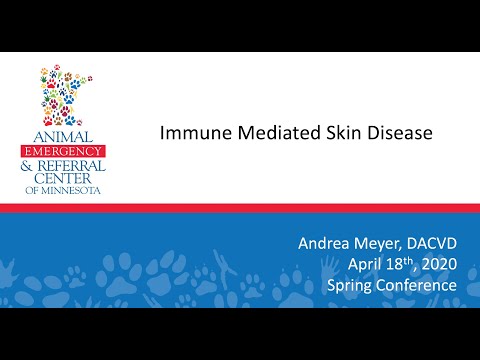
Treatment and Management of Pemphigus in Dogs
Treatment for pemphigus in dogs is centred on suppressing the overactive immune response responsible for the skin damage. The goal is to control the condition and prevent flare-ups rather than cure the underlying immune predisposition, which cannot currently be eliminated.
The main treatment approaches include:
- Corticosteroids: Prednisolone or dexamethasone at immunosuppressive doses is typically the first-line treatment. These medications reduce the immune system’s attack on skin cells and usually produce visible improvement within two to four weeks. Once remission is achieved, the dose is gradually tapered to the lowest effective level to minimise long-term side effects.
- Additional immunosuppressive agents: In dogs that do not respond adequately to steroids alone, or in those experiencing significant steroid side effects, additional medications such as azathioprine or ciclosporin may be added. These help control the immune response while allowing steroid doses to be reduced.
- Topical treatments: In mild or localised cases, topical corticosteroid preparations may be used to manage skin lesions directly, reducing the systemic medication load.
- Antibiotics: Secondary bacterial infection of skin lesions is common in pemphigus cases and often requires antibiotic treatment alongside immunosuppressive therapy.
- Sun protection: For dogs with face-predominant pemphigus, limiting direct sun exposure during peak hours reduces flare-up risk. In India’s climate, this is particularly relevant during summer months.
Long-term management is a reality for most dogs with pemphigus. Many require ongoing low-dose medication to remain in remission. Regular blood monitoring is important when using immunosuppressive drugs over extended periods, as these medications can affect the liver, kidneys, and blood cell counts over time.
Daily Care for Dogs with Pemphigus in India
Practical daily care makes a significant difference to the comfort of a dog living with pemphigus:
- Gently clean crusted lesions with a mild, vet-approved solution to keep secondary infection at bay. Avoid scrubbing or forcefully removing crusts, which can be painful and damage healing tissue.
- Keep the dog indoors or in shaded areas during the hottest and brightest parts of the day, particularly for dogs with facial lesions that may be worsened by UV exposure.
- Administer all medications at consistent times and do not reduce doses without veterinary guidance, even if the dog appears to be improving.
- Monitor footpads regularly in dogs with paw involvement. Keep floors clean, dry, and free of abrasive surfaces that could worsen cracking.
- Watch for signs of flare-up, including new pustule formation, increased itching, or lesion spreading, and contact your vet promptly rather than waiting to see if it settles.
Related Products


Prognosis: Living with Pemphigus in Dogs
The prognosis for pemphigus in dogs is variable but generally manageable. Many dogs achieve good control of their symptoms with appropriate medication and go on to live comfortable, active lives. The condition is lifelong in most cases, meaning some level of ongoing management is required, but quality of life can be very good with the right approach.
Dogs with mild to moderate pemphigus foliaceus that responds well to initial treatment tend to have the best long-term outcomes. Dogs with more severe or generalised disease, or those with the rarer, more aggressive forms such as pemphigus vulgaris, require closer monitoring and more intensive management.
Flare-ups can occur, particularly during periods of stress, illness, or when medication is tapered. Having a clear plan with your vet for how to respond to flare-ups means they can be managed quickly rather than allowed to escalate.
When to See a Vet
Contact your vet promptly if your dog with pemphigus shows any of the following:
- Rapid spread of new lesions over a period of days
- Fever, lethargy, or complete loss of appetite
- Open, weeping sores that are not drying or healing
- Significant change in behaviour suggesting pain
- Signs of systemic illness alongside skin worsening
If your dog has not yet been diagnosed but has had unusual skin lesions, crusting around the nose or ears, or recurring skin problems that have not fully responded to standard treatment for infection, a vet assessment that considers autoimmune causes is worthwhile.
Prevention and Awareness
Pemphigus in dogs cannot be reliably prevented, as it arises from an internal immune predisposition. What can be done is to raise awareness among pet parents, particularly those with predisposed breeds, so that early signs are recognised and investigated promptly rather than managed as routine skin infections for extended periods.
Responsible breeding discussions within affected breed communities are relevant, though breed-level guidance is best sought from specialist sources and breed health groups rather than generalised advice.
Pemphigus in dogs is an autoimmune skin condition that can look alarming when first encountered but is genuinely manageable with the right veterinary care and consistent daily attention. Understanding what pemphigus is, recognising its signs early, and working closely with a vet to establish effective treatment are the foundations of a good outcome.
For Indian pet parents navigating pemphigus in dogs, the key messages are these: do not attribute persistent skin changes to minor infections without investigation, pursue a proper diagnosis before starting immunosuppressive treatment, and approach management as a long-term commitment rather than a short-term fix. With those principles in place, most dogs with pemphigus live comfortable, settled lives alongside their families.