
India’s relationship with animals is changing. Urban pet ownership has grown significantly over the past few years, adoption conversations are louder than they have ever been, and the demand for veterinary care is rising across cities large and small. At the same time, shelters are more stretched than ever, stray populations remain a serious challenge, and the cost of even basic care continues to climb.
Pet care trends in India 2025 are not just about industry growth numbers. For NGOs and shelters, they represent real shifts in what animals need, what the public expects, and what organisations must be prepared to deliver. Understanding these trends from the ground up, not from a marketing lens, is what allows shelters and welfare workers to stay ahead rather than scramble to catch up.
Here are the eight trends that matter most.
Why Pet Care Trends in India 2025 Matter for NGOs and Shelters
Trends are not abstract. They show up in the volume of animals coming through shelter doors, the kinds of medical cases presenting, the questions adopters are asking, and the pressure on funding. When pet care trends in India 2025 point toward rising adoption interest, that affects how many animals a shelter might receive back after failed adoptions. When they point toward chronic disease in older animals, that affects medicine costs and space management.
Shelters that track these patterns can respond with planning. Those that do not tend to find themselves reactive, always managing the last crisis rather than preparing for the next one. This overview is intended as a practical tool, not a trend report for investors.
Trend 1: Rise in Pet Adoption Awareness
Adoption awareness in India has grown meaningfully, driven by social media campaigns, celebrity endorsements, and a broader cultural shift toward keeping pets in urban households. More people are asking about adoption rather than purchasing from breeders, and that is a genuine positive shift.
Causes
Social media has played the largest role. Short videos of rescued dogs thriving in homes reach millions of people and change perceptions quickly. Urban pet culture, particularly among younger professionals, has also made adoption a socially valued choice in ways it was not a decade ago.
Challenges in the System
The other side of rising interest is rising return rates and impulse adoptions. Many first-time pet owners underestimate what long-term care involves. Shelters are seeing more animals returned after a few weeks or months, particularly when the excitement of adoption fades and the reality of time, cost, and behavioural adjustment sets in. Pre-adoption counselling and post-adoption support are no longer optional. They are essential infrastructure.
Trend 2: Increased Demand for Veterinary Care
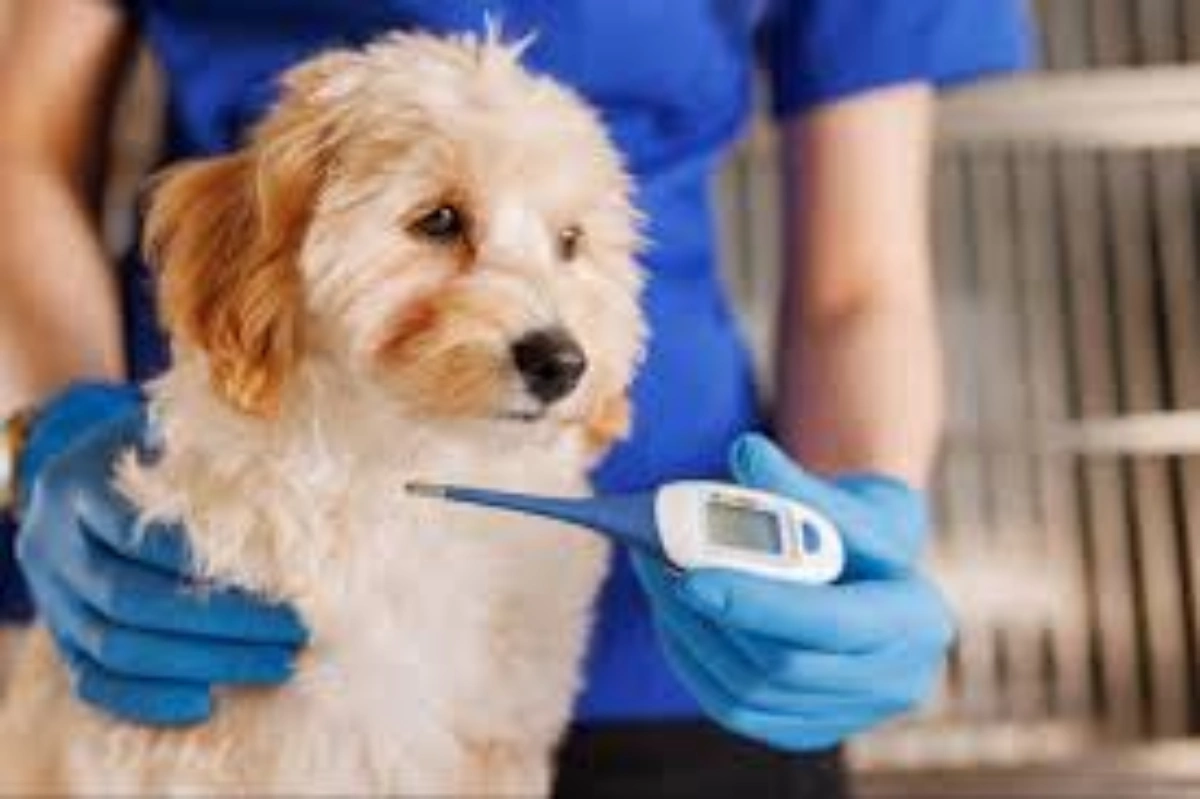
More pet owners are seeking veterinary care for their animals than in previous years. This is broadly positive, reflecting greater awareness of animal health. However, the infrastructure to meet this demand is uneven, with well-equipped clinics concentrated in metropolitan areas and significant gaps in smaller cities and rural regions.
Diagnostics and Gaps
For rescues and shelters, access to diagnostic tools such as blood panels, imaging, and specialist consultations remains limited by cost and geography. Many organisations must make treatment decisions with incomplete information, which affects outcomes. Telemedicine and remote consultation platforms are beginning to fill some of this gap, but their reach is still limited.
Impact on Outcomes
Early veterinary intervention consistently improves survival and recovery. Animals seen by a vet within 24 to 48 hours of showing illness symptoms have significantly better outcomes than those where care is delayed. Building relationships with local veterinary colleges and clinics is one of the most cost-effective strategies available to Indian shelters.
Related Videos


Trend 3: Focus on Preventive Healthcare
Vaccination and deworming awareness is growing among pet owners, particularly in urban areas where vet access is better. Community vaccination drives for stray and community dogs are also expanding, with several city corporations and NGOs running coordinated programmes.
The Gap in Stray Populations
Despite progress, preventive care coverage in free-roaming dog populations remains inconsistent. Parvo and distemper outbreaks continue to occur, particularly in areas with high dog density and limited programme reach. A single outbreak in an unvaccinated population can overwhelm a shelter’s medical resources within days.
What Shelters Can Do
Investing in preventive care upstream, meaning vaccination on intake, deworming protocols, and community outreach, costs significantly less than treating preventable disease. Organisations that have shifted resources toward prevention consistently report lower emergency medical caseloads over time.
Trend 4: Growth of Pet Nutrition Awareness
Feeding practices are shifting. More pet owners are asking about balanced diets, reading labels, and seeking advice on nutrition. This is a positive development, though it is accompanied by significant misinformation, particularly on social media, around raw diets, homemade food, and supplements.
Causes
Veterinary guidance has become more accessible online, and a generation of engaged pet owners is actively seeking information. The commercial pet food market in India has expanded considerably, offering more options than were available five years ago.
Challenges for Shelters
For organisations feeding large numbers of animals on tight budgets, nutrition consistency is a daily challenge. Donated food varies in quality. Volunteer-led feeding programmes often use whatever is available rather than what is nutritionally appropriate. Establishing minimum nutrition standards and training volunteers on basic dietary needs is a practical step many shelters have not yet formalised.
Related Products

Trend 5: Increase in Chronic Diseases in Pets
As pet care improves and animals live longer, chronic conditions are becoming more common. Diabetes, arthritis, kidney disease, and cancer are being diagnosed in dogs and cats at rates that reflect longer lifespans and better diagnostic capability. This is a positive sign of improved care, but it also creates new demands on shelters and owners.
Symptoms in the System
Senior animals with chronic conditions require ongoing medication, dietary management, and more frequent veterinary monitoring. For shelters, these animals are harder to place in adoptive homes and more expensive to maintain. Many are surrendered by owners who can no longer manage the cost or complexity of their care.
Long-Term Resource Planning
Organisations that are not planning for chronic disease management risk being overwhelmed by the growing number of senior and medically complex animals. Dedicated senior animal protocols, partnerships with veterinary colleges for ongoing care, and targeted fundraising for medical costs are all strategies that forward-looking shelters are beginning to implement.
Related Products

Trend 6: Technology in Animal Welfare
Digital tools are entering the animal welfare space at an accelerating pace. Adoption platforms, fundraising apps, volunteer management systems, and telemedicine services are all growing. For larger organisations, these tools are already changing how they operate. For smaller NGOs, the barrier to entry is still meaningful.
The Role of Diagnostics Technology
Remote veterinary consultations are particularly valuable for shelters in areas with limited local veterinary expertise. Even a basic video consultation with an experienced vet can help triage a case, guide treatment decisions, and reduce unnecessary travel for animals that are not stable enough to transport safely.
The key is not to adopt technology for its own sake but to identify the specific operational gaps that a digital tool can genuinely address within the organisation’s existing capacity.
Trend 7: Rising Cost of Pet Care
The cost of veterinary care, medicines, and quality food has increased significantly in the past two to three years. Inflation, the cost of imported medications, and growing demand have all contributed. For shelters operating on limited or inconsistent funding, this is one of the most pressing practical challenges in 2025.
Causes
Much of the specialist veterinary equipment and medication used in India is imported. Currency fluctuations and global supply chain disruptions have pushed costs higher. At the same time, the expectation of care quality among adopters and donors has risen, creating pressure to provide more with less.
Impact on Shelter Operations
Shelters are making harder prioritisation decisions more frequently. Which animals receive diagnostic testing when budgets are constrained? How is end-of-life care managed when resources are limited? These are not easy questions, and organisations benefit from having clear written protocols rather than making case-by-case decisions under pressure.
Trend 8: Mental Well-being of Shelter Animals
Awareness of psychological stress in shelter animals has grown considerably. Prolonged kennel living, lack of enrichment, limited human interaction, and noise exposure all contribute to anxiety, stereotypic behaviour, and reduced adoptability in shelter dogs.
Signs of Stress in Shelter Dogs
Pacing, repetitive circling, withdrawal, excessive barking, and aggression are all stress responses in shelter environments. These behaviours reduce adoption success and worsen over time without intervention. Recognising them as stress responses rather than character flaws changes how staff and volunteers approach these animals.
Practical Enrichment Approaches
Enrichment does not require significant investment. Rotation of simple toys, daily human interaction time, short walks outside kennel areas, puzzle feeders, and calm background sound all make measurable differences to stress levels. Training volunteers to provide consistent positive interaction is often more impactful than any single piece of equipment.
Related Products

How NGOs Can Prepare for 2025
Understanding pet care trends in India 2025 is only useful if it translates into concrete operational changes. The following approaches are realistic, scalable, and grounded in what Indian shelters can practically implement:
- Develop written pre-adoption counselling protocols and post-adoption check-in systems to reduce return rates
- Establish minimum preventive care standards on intake, including vaccination, deworming, and basic health assessment
- Build relationships with local veterinary colleges to access diagnostic support at reduced cost
- Create a dedicated budget line for chronic and senior animal care, even if it begins small
- Train all volunteers on basic stress recognition in shelter animals and consistent enrichment practices
- Identify two or three specific operational gaps where a digital tool would create genuine efficiency rather than administrative burden
Practical Low-Cost Strategies
Not every improvement requires funding. Consistent feeding schedules reduce anxiety in shelter animals. Clear volunteer training reduces errors in medical care. Open communication with the public about capacity and needs builds trust that translates into sustained donations. Many of the most effective changes in shelter management cost very little and require primarily consistency and leadership rather than budget.
Pet care trends in India 2025 are not distant forecasts. They are already visible in shelter intake patterns, medical caseloads, funding pressures, and the conversations happening between adopters and welfare organisations every day. The trends covered in this guide reflect real shifts in how India is engaging with animal welfare, and they carry both opportunity and challenge in equal measure.
For NGOs and shelters, the response to these pet care trends in India 2025 does not require perfection or unlimited resources. It requires clear priorities, consistent protocols, honest assessment of gaps, and a commitment to improving incrementally rather than waiting for ideal conditions. The animals in your care cannot wait for perfect. Consistent, thoughtful, and informed care delivered now is what changes outcomes.