
When a dog is in pain, moving stiffly after surgery, slowing down with age, or struggling to rise after a rest, the question of safe and effective pain relief becomes genuinely important. Carprofen for dogs is one of the medications vets reach for most often in these situations, and it can make a real difference to a dog’s comfort and quality of life. But like all medications with real benefits, it also comes with real considerations, and using it safely requires understanding both.
What is Carprofen for Dogs?
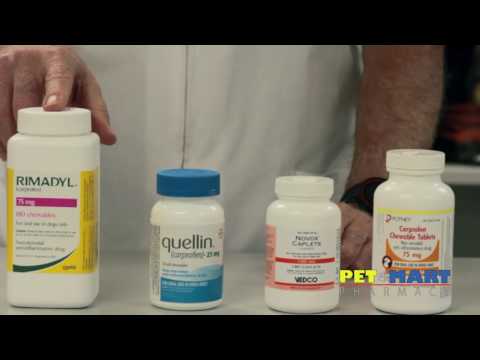
Carprofen is a non-steroidal anti-inflammatory drug, commonly abbreviated to NSAID, that is used specifically in veterinary medicine. It was one of the first NSAIDs developed specifically for dogs rather than adapted from human medicine. The brand name Rimadyl is the most commonly recognised name for carprofen, though other branded and generic versions exist.
It is available in tablet and chewable formulations, with the chewable version often beef-flavoured to make administration easier. Both forms require a veterinary prescription and should never be purchased or used without prior veterinary consultation and examination.
How Carprofen Works
Carprofen works by inhibiting the COX enzymes, specifically cyclooxygenase-1 and cyclooxygenase-2, that drive the production of prostaglandins. Prostaglandins are the chemical messengers responsible for producing inflammation, swelling, and pain at the site of injury or disease. By reducing prostaglandin production, carprofen for dogs reduces inflammation and the pain that comes with it.
The practical effect is that a dog on carprofen moves more comfortably, rests better, and shows less pain-related behaviour. It does not cure the underlying condition, arthritis does not go away because of an NSAID, but it significantly improves quality of life while that condition is managed.
When Do Vets Prescribe Carprofen for Dogs?
Carprofen for dogs is prescribed across a range of painful conditions. The most common include:
- Osteoarthritis: This is the most common long-term use. As dogs age, the cartilage in their joints breaks down and inflammation causes chronic pain. Carprofen is a standard component of arthritis management.
- Post-surgical pain: After orthopaedic surgery, soft tissue surgery, or dental procedures, carprofen is frequently prescribed to manage the acute post-operative pain.
- Trauma and injury: Dogs that have been in road accidents, sustained fractures, or suffered soft tissue injuries commonly require pain relief as part of their recovery.
- Musculoskeletal conditions: Hip dysplasia, intervertebral disc disease, and other structural conditions that cause chronic pain are also indications for carprofen use under veterinary management.
In India, we frequently see rescued or injured street dogs requiring pain relief after trauma, and carprofen is often the first line of appropriate veterinary pain management in these situations.
Symptoms That Suggest Your Dog May Need Pain Relief
Dogs cannot describe pain directly, but they show it consistently through behaviour. Watch for:
- Limping or favouring one limb, particularly after rest
- Reluctance to rise from lying down or to use stairs
- Reduced willingness to walk, play, or exercise
- Whimpering, vocalising, or flinching when touched in a specific area
- Changes in sleep pattern, particularly waking frequently or being unable to find a comfortable position
- Reduced appetite, which often accompanies significant discomfort
- Licking or chewing at a specific joint or area persistently
What Causes Pain in Dogs That May Require Carprofen
The most common causes of significant pain in dogs in India include:
- Osteoarthritis, which is extremely common in older dogs and in large breeds
- Road accident injuries including fractures, soft tissue trauma, and spinal injuries
- Hip dysplasia in predisposed breeds such as Labradors, German Shepherds, and Golden Retrievers
- Post-surgical recovery from orthopaedic or soft tissue procedures
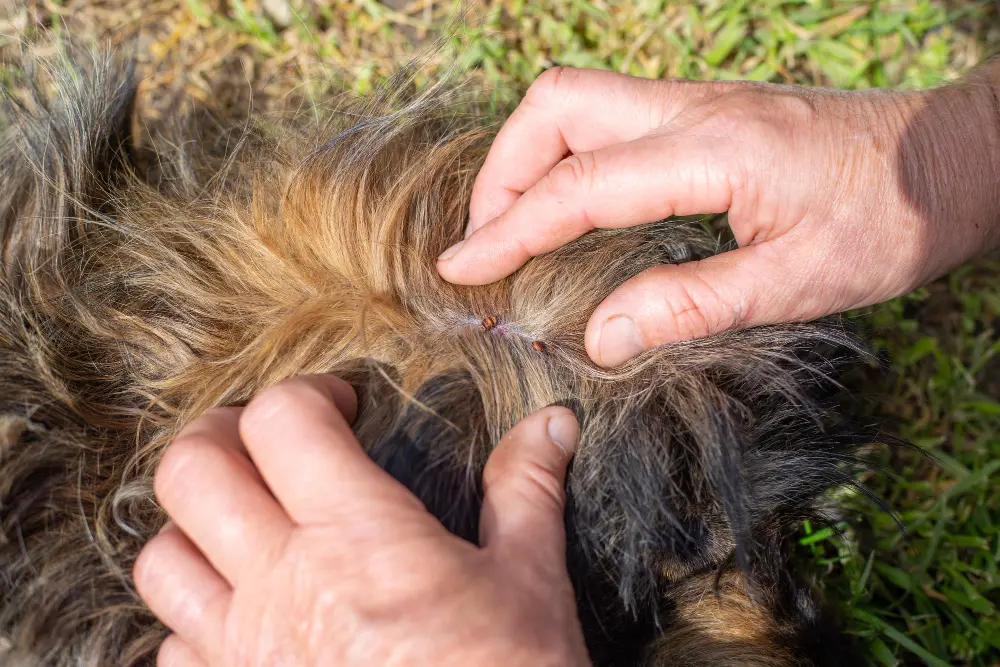
- Tick-borne diseases such as ehrlichiosis and babesiosis, which can cause significant joint and muscle pain alongside other systemic signs
Diagnostics Before Starting Carprofen
Before prescribing carprofen for dogs, a responsible vet will always perform a physical examination and typically recommend baseline blood work. This matters because:
- Carprofen is processed by the liver and kidneys. Dogs with existing liver or kidney disease are at higher risk of serious side effects.
- Baseline values allow the vet to monitor for any changes that develop during treatment.
- Blood work may identify underlying conditions that change the treatment approach entirely.
This examination and blood work requirement is one of the most important reasons why carprofen for dogs should never be sourced or administered without a vet’s involvement. A medication that is safe and appropriate for one dog may be genuinely dangerous for another.
Correct Dosage and Administration
Carprofen for dogs is typically dosed at approximately four milligrams per kilogram of body weight per day. This is most commonly given either as a single daily dose or divided into two doses given twelve hours apart. The specific dosing schedule for your dog will be determined by your vet based on the condition being treated, the dog’s weight, and their individual health status.
The chewable tablet is typically accepted readily by dogs, but the standard tablet can be given wrapped in a small piece of food if needed. Give carprofen with food to reduce the risk of stomach upset.
Never adjust the dose without consulting your vet, and never give doses more frequently than prescribed. More is not better with NSAIDs, a higher dose significantly increases the risk of gastrointestinal and organ side effects without providing proportionally more pain relief.
Related Videos



Possible Side Effects of Carprofen for Dogs
Most dogs tolerate carprofen for dogs well when it is used at the correct dose under veterinary monitoring. However, side effects do occur in some dogs, and understanding them allows you to detect any problems early.
- Gastrointestinal effects: These are the most common side effects. Vomiting, diarrhoea, reduced appetite, and abdominal discomfort can occur, particularly in the first few days of treatment. Giving carprofen with food reduces but does not eliminate this risk.
- Liver effects: NSAIDs can affect liver function in some dogs, particularly with long-term use. This is why periodic blood work monitoring during ongoing carprofen use is recommended.
- Kidney effects: Dogs that are dehydrated or have underlying kidney disease are at risk of carprofen contributing to reduced kidney function. Ensure your dog has consistent access to fresh water during treatment.
- Rare but serious reactions: A small number of dogs develop idiosyncratic reactions to carprofen including hepatotoxicity, which is serious liver toxicity. This is uncommon but underlines the importance of monitoring.
Warning Signs That Require Immediate Veterinary Contact
Stop carprofen and contact your vet the same day if your dog shows:
- Vomiting that does not resolve or worsens
- Black, tarry, or bloody stools, which indicate gastrointestinal bleeding
- Yellowing of the gums, skin, or whites of the eyes, which indicates jaundice from liver involvement
- Significant increase in thirst and urination alongside lethargy
- Sudden collapse or extreme weakness
- Marked increase in lethargy or change in behaviour
Which Dogs Should Not Take Carprofen
Carprofen for dogs is contraindicated in several situations:
- Dogs with known liver disease or significantly elevated liver enzymes
- Dogs with kidney disease or significantly reduced kidney function
- Puppies under six weeks of age
- Pregnant or nursing dogs
- Dogs currently taking other NSAIDs or corticosteroids (the two must not be given together, as the combined effect on the stomach lining is significantly increased)
- Dogs with a history of gastrointestinal ulcers or bleeding
Older dogs, particularly senior dogs over eight years of age, should have a blood panel before starting carprofen and should have periodic monitoring during ongoing use. This is a particularly important consideration in India where many older dogs have not had regular blood work and may have underlying conditions that have not been identified.
Treatment Context and Prognosis
Carprofen for dogs is a component of pain management, not a standalone cure for the conditions that cause pain. A dog with osteoarthritis will benefit from carprofen as part of a broader management plan that includes weight management, appropriate low-impact exercise, joint support under veterinary guidance, and in some cases physiotherapy.
The prognosis for conditions managed with carprofen depends on the underlying condition. Arthritis is managed rather than cured, but many dogs maintain a good quality of life for years with appropriate pain management. Post-surgical pain typically resolves as healing progresses and carprofen is tapered and discontinued.
For dogs with joint conditions requiring long-term support, a joint supplement can be a valuable part of the overall management plan. VOSD Joint Care Supplement supports joint health and mobility and may be used alongside veterinary pain management as part of a comprehensive approach. Always confirm with your vet before adding any supplement to the regimen of a dog on carprofen.
Related Products

Alternatives to Carprofen for Dogs
Where carprofen is not suitable, other veterinary NSAIDs including meloxicam, grapiprant, or mavacoxib may be considered, each with their own profile of efficacy and side effect risk. Your vet will determine which is most appropriate for your dog’s specific situation and health status.
Non-pharmacological approaches including physiotherapy, hydrotherapy, acupuncture, and appropriate targeted exercise can significantly complement or in some cases reduce the reliance on medication for managing chronic pain in dogs.
Safe Use Tips for Indian Pet Parents
- Never give human painkillers to your dog. Ibuprofen, paracetamol, aspirin, and diclofenac are all toxic to dogs and some are fatal even in small doses. This is one of the most important messages for Indian households where human painkillers are often readily accessible.
- Follow your vet’s prescribed dose and schedule precisely. Do not increase the dose if the dog still appears to be in pain instead, contact your vet to discuss whether the current management plan needs adjustment.
- Give carprofen with food consistently to reduce gastric upset.
- Store carprofen safely away from children and other pets. The chewable formulation is appealing and accidental overdose is a real risk.
- Attend all scheduled monitoring blood tests during long-term carprofen use. These are not optional extras, they are how problems are caught before they become serious.