Repeated lip licking after meals is not a quirk. Vomiting bile first thing in the morning is not just an empty stomach. A dog that gags, burps, or seems uncomfortable after eating is not simply being dramatic.
These are signs of acid reflux, and they are easy to dismiss precisely because they look like minor digestive irregularities rather than a condition that can progressively damage the oesophagus.
Acid reflux in dogs occurs when stomach acid flows backward into the oesophagus, the tube connecting the mouth to the stomach. Unlike the stomach, which is built to handle acid, the oesophagus has no such protection. Repeated exposure causes inflammation, pain, and, over time, structural damage that significantly worsens the condition and the dog’s quality of life.
This is not simple indigestion. It is a condition that needs to be identified and managed.
What Is Acid Reflux in Dogs?
Acid reflux, clinically referred to as gastro-oesophageal reflux disease (GERD) when it is chronic, is the abnormal backflow of gastric acid and digestive enzymes from the stomach into the lower oesophagus.
Under normal conditions, the lower oesophageal sphincter, a muscular valve at the junction between the oesophagus and stomach, prevents stomach contents from moving upward. When this sphincter fails to close properly, or when pressure within the stomach forces it open, acidic gastric contents enter the oesophagus and cause direct chemical irritation of the oesophageal lining.
Occasional reflux is not unusual. Chronic, repeated reflux is a medical condition that requires treatment.
Symptoms of Acid Reflux in Dogs
Acid reflux in dogs is frequently underdiagnosed because its symptoms are easy to attribute to other causes or to dismiss as normal digestive variation.
Regurgitation Versus Vomiting
This distinction matters clinically. Vomiting is an active process involving abdominal contractions, retching, and the forceful expulsion of stomach contents. Regurgitation is passive. Food or fluid simply flows back up the oesophagus without effort, often shortly after eating, and appears as partially digested or undigested material without the physical effort of vomiting.
Regurgitation points specifically toward oesophageal or lower oesophageal sphincter dysfunction and should always be investigated rather than accepted as normal.
Lip Licking and Drooling
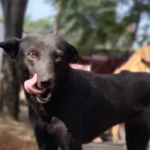
Excessive lip licking, particularly in the period following meals, is a frequently overlooked sign of nausea and acid irritation. It reflects the dog’s response to the discomfort of acid in the oesophagus. Many pet parents notice this behaviour without connecting it to a digestive problem.
Gagging, Burping, and Coughing
Post-meal gagging, audible belching, and a persistent low-grade cough, particularly when the dog is lying down, are all consistent with reflux. Acid irritating the oesophagus and occasionally reaching the throat triggers these responses.
Vomiting Bile (Especially in the Morning)
Dogs that vomit yellow or greenish bile, particularly first thing in the morning before eating, are often experiencing reflux of bile and gastric acid from an empty stomach. The stomach continues producing acid overnight, and without food to buffer it, the acid refluxes into the oesophagus, causing the nausea that triggers morning vomiting.
Loss of Appetite and Weight Loss
In chronic cases, the pain associated with oesophageal inflammation makes eating uncomfortable. Dogs begin to associate eating with discomfort, reduce their food intake, and lose weight progressively. This pattern in a dog without another obvious explanation for weight loss should prompt investigation of the oesophagus.
Difficulty Swallowing
As oesophageal inflammation worsens, swallowing becomes painful. Dogs may hesitate before eating, swallow repeatedly with apparent effort, or show reluctance to drink. These signs indicate that the oesophageal lining has sustained significant irritation.
Causes of Acid Reflux in Dogs
Weak or Dysfunctional Lower Oesophageal Sphincter
This is the core mechanism in most cases. The sphincter that should prevent gastric contents from moving upward fails to maintain adequate closure, allowing acid to escape into the oesophagus. This dysfunction can be primary, meaning the sphincter itself is the problem, or secondary to conditions that increase intra-abdominal pressure.
Delayed Stomach Emptying
When the stomach empties more slowly than normal, gastric contents remain under pressure for longer, increasing the likelihood of reflux episodes. This can be caused by dietary factors, underlying gastrointestinal disease, or metabolic conditions that slow digestive motility.
Hiatal Hernia
A hiatal hernia occurs when part of the stomach pushes upward through the opening in the diaphragm intended for the oesophagus. This structural abnormality directly compromises the lower oesophageal sphincter and creates persistent reflux. Brachycephalic breeds, including Bulldogs, French Bulldogs, and Pugs, have a higher incidence of hiatal hernia due to the anatomical pressures created by their conformation.
Diet Factors
High-fat diets delay stomach emptying and relax the lower oesophageal sphincter, both of which increase reflux risk. Large, infrequent meals create greater gastric volume and pressure than small, frequent feeding. Foods that are inherently irritating to the gastric lining can also worsen the condition.
Underlying Diseases
Gastritis, pancreatitis, and inflammatory bowel disease all produce gastric and intestinal inflammation that can contribute to or worsen reflux. Understanding conditions like oesophagitis in dogs and narrowing of the oesophagus in dogs is relevant here, as acid reflux is frequently both a cause and a consequence of these conditions, creating a cycle of progressive damage if untreated.
Obesity and Breed Predisposition
Excess body weight increases intra-abdominal pressure and directly worsens reflux. Brachycephalic breeds carry an elevated baseline risk due to both anatomical factors and their breed-associated tendency toward gastrointestinal dysfunction.
Related Videos


How Acid Reflux Damages the Body
Each reflux episode exposes the oesophageal lining to gastric acid and digestive enzymes it is not equipped to withstand. The initial response is inflammation, producing oesophagitis, characterised by redness, swelling, and erosion of the oesophageal surface.
With repeated exposure, the damage deepens. Ulcers can form in the oesophageal lining. In severe or longstanding cases, the healing process produces scar tissue that narrows the oesophageal lumen, creating a stricture that physically restricts swallowing. This is one of the most serious complications of untreated chronic reflux and requires its own complex treatment once established.
Aspiration of refluxed material into the airways can also cause aspiration pneumonia, a potentially life-threatening pulmonary complication.
How Veterinarians Diagnose Acid Reflux in Dogs
Acid reflux can be challenging to diagnose definitively because its symptoms overlap with other gastrointestinal conditions and because the oesophagus is not directly accessible during a standard physical examination.
Endoscopy
Oesophagoscopy, direct visual examination of the oesophagus using a flexible camera passed under general anaesthesia, is the gold standard for diagnosing acid reflux and assessing the degree of oesophageal damage. It allows direct visualisation of inflammation, erosion, ulceration, and any structural changes caused by chronic reflux.
X-rays and Blood Tests
Plain and contrast radiographs can identify structural abnormalities such as hiatal hernia, assess oesophageal size and contour, and rule out foreign bodies or other causes of regurgitation. Blood tests evaluate for underlying systemic disease contributing to the reflux.
Trial Treatment
In many cases, particularly in practices without immediate access to endoscopy, a trial of dietary modification and acid-suppressing medication is used both therapeutically and diagnostically. A positive response to treatment supports the diagnosis of reflux and guides the ongoing management approach.
Treatment for Acid Reflux in Dogs
Treatment is long-term, multi-component, and needs to address both the immediate symptoms and the underlying cause.
Diet Modification
This is the foundation of management. Feeding small, frequent meals rather than one or two large ones reduces gastric volume and pressure after eating. A low-fat, highly digestible diet reduces the time food spends in the stomach and minimises the sphincter-relaxing effect of high dietary fat. Elevated feeding, particularly for brachycephalic breeds, reduces the effort required for the oesophagus to move food downward.
Identifying and removing specific dietary triggers is part of the long-term management process.
Medications
Proton pump inhibitors such as omeprazole reduce gastric acid production, directly lowering the acid load available to reflux into the oesophagus. H2 receptor antagonists provide an alternative acid-reduction approach for milder cases. Pro-motility drugs improve gastric emptying and strengthen lower oesophageal sphincter function, reducing the frequency of reflux episodes. Coating agents such as sucralfate protect the inflamed oesophageal lining and support healing of erosions and ulcers.
Managing Underlying Causes
Where a specific underlying cause is identified, including a hiatal hernia requiring surgical correction, pancreatitis requiring targeted management, or IBD requiring immune modulation, addressing that cause is central to resolving the reflux. Treating symptoms without addressing their driver produces only temporary improvement.
Feeding Management
Beyond diet composition, the timing and structure of feeding matter. Avoiding exercise immediately after meals, maintaining an upright or slightly elevated position for a short period after eating, and ensuring consistent meal timing all contribute to reducing reflux frequency.
Related Products
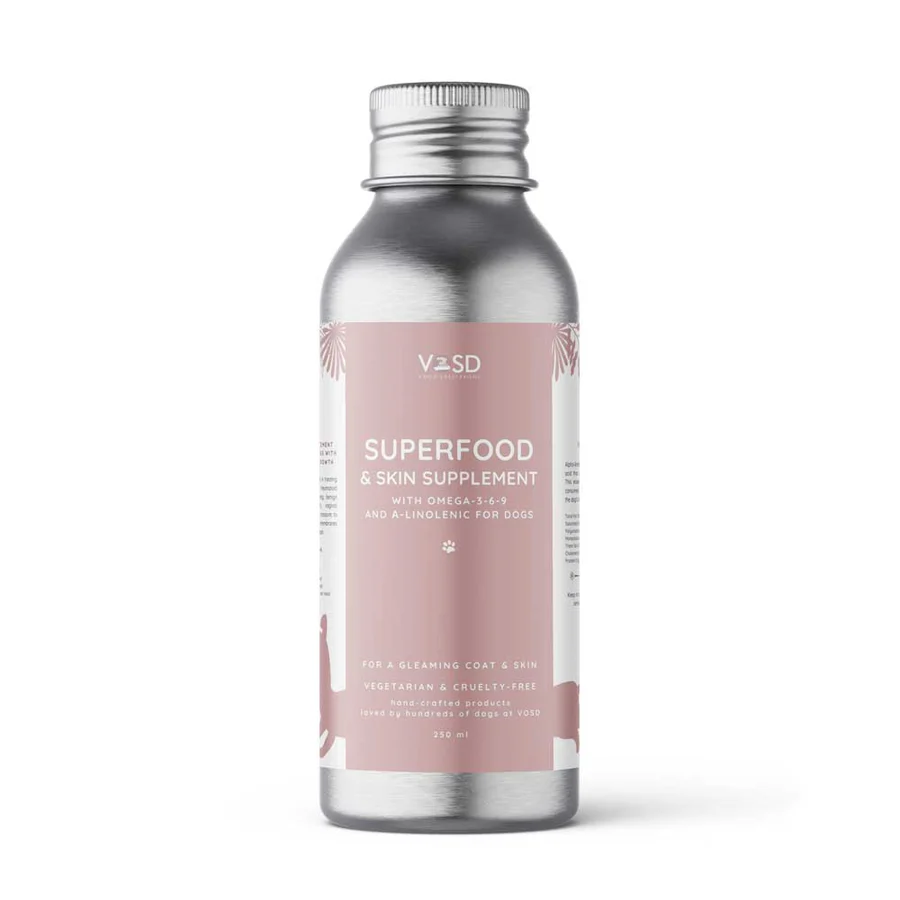
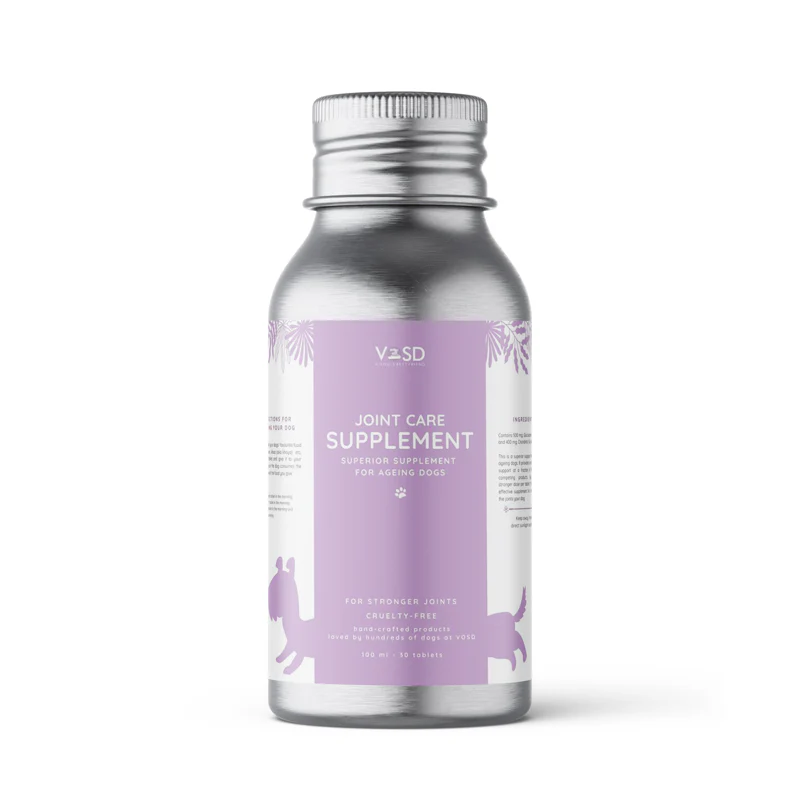
Prognosis
Mild acid reflux managed early with dietary modification and appropriate medication carries a good prognosis. Most dogs respond well to treatment and maintain a comfortable quality of life with consistent management.
Chronic reflux that has been present for an extended period, or that has progressed to significant oesophagitis, ulceration, or stricture formation, carries a more guarded prognosis. Oesophageal strictures require specific dilation procedures and significantly complicate long-term management. Aspiration pneumonia as a complication carries its own serious clinical consequences.
The consistent message is that early identification and treatment prevent the progression to these more serious outcomes.
When to See a Veterinarian
Contact your veterinarian promptly if your dog shows any of the following:
- Repeated regurgitation of food or fluid, particularly shortly after eating
- Persistent morning vomiting of yellow or green bile
- Progressive weight loss alongside changes in eating behaviour
- Difficulty or pain swallowing
- Persistent coughing or breathing changes following meals
- Any combination of the above that has been present for more than a few days
Do not manage recurring regurgitation or bile vomiting at home with dietary adjustment alone without veterinary assessment. These signs can reflect conditions beyond simple reflux that require specific diagnosis and treatment.
Preventing Acid Reflux in Dogs
Diet Control
Feed a low-fat, highly digestible diet in small, frequent portions. Avoid high-fat treats, table food, and dietary inconsistency. Dogs with a known history of reflux benefit from a consistent, veterinarian-approved dietary plan.
Weight Management
Maintaining a healthy body weight directly reduces intra-abdominal pressure and the reflux risk associated with it. Weight management through appropriate diet and regular exercise is one of the most impactful long-term preventive measures for gastrointestinal health.
Feeding Habits
Two to three small meals daily rather than one large meal, avoiding vigorous exercise immediately before or after meals, and not allowing extended periods without food, particularly overnight, all reduce the conditions that favour reflux.