You may notice your dog drinking more water than usual, developing a rounded belly, or losing patches of hair on their body without any obvious skin problem. These changes can seem like ageing at first glance, but in older dogs they can point to a hormonal condition driven by a problem with the adrenal glands. Adrenal gland tumours in dogs are one cause behind these kinds of systemic changes, and while the diagnosis can sound alarming, many dogs are managed well once the condition is identified and appropriate treatment is started.
What Are Adrenal Gland Tumours in Dogs?
The adrenal glands are two small glands located just above the kidneys, one on each side. Each gland has two distinct zones: the outer cortex, which produces steroid hormones including cortisol and aldosterone, and the inner medulla, which produces adrenaline and related compounds.
Adrenal gland tumours in dogs are abnormal growths that develop within one or both of these glands. They can be benign, meaning they do not spread to other parts of the body, or malignant, meaning they have the potential to invade surrounding tissue or spread to other organs. The clinical consequences of the tumour depend significantly on whether it is producing hormones.
Types of Adrenal Tumours in Dogs
Understanding the types of adrenal gland tumours in dogs helps clarify why they affect dogs so differently:
| Type | Zone of Origin | Hormone Produced | Clinical Effect |
|---|---|---|---|
| Cortisol-secreting adenoma or carcinoma | Adrenal cortex | Excess cortisol | Signs of Cushing’s disease (hyperadrenocorticism) |
| Aldosterone-secreting tumour (primary hyperaldosteronism) | Adrenal cortex | Excess aldosterone | High blood pressure, low potassium, muscle weakness |
| Phaeochromocytoma | Adrenal medulla | Excess adrenaline-related hormones | Episodes of hypertension, weakness, collapse |
| Non-functional incidentaloma | Either zone | None | Discovered incidentally; may cause local compression if large |
The most commonly encountered functional adrenal gland tumour in dogs in clinical practice is the cortisol-secreting type, which is one of the two main causes of Cushing’s disease in dogs alongside pituitary tumours.
Symptoms of Adrenal Gland Tumours in Dogs
The symptoms depend on the type of tumour. For functional tumours producing cortisol, the signs are those of Cushing’s disease and develop gradually over months:
Signs of Cortisol-Secreting Adrenal Tumours
- Increased thirst and more frequent urination, often noticeable as the dog needing to go outside through the night
- Increased appetite, which may seem at odds with the dog’s general weakness
- A rounded, pot-bellied abdomen from liver enlargement and fat redistribution
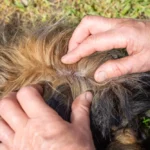
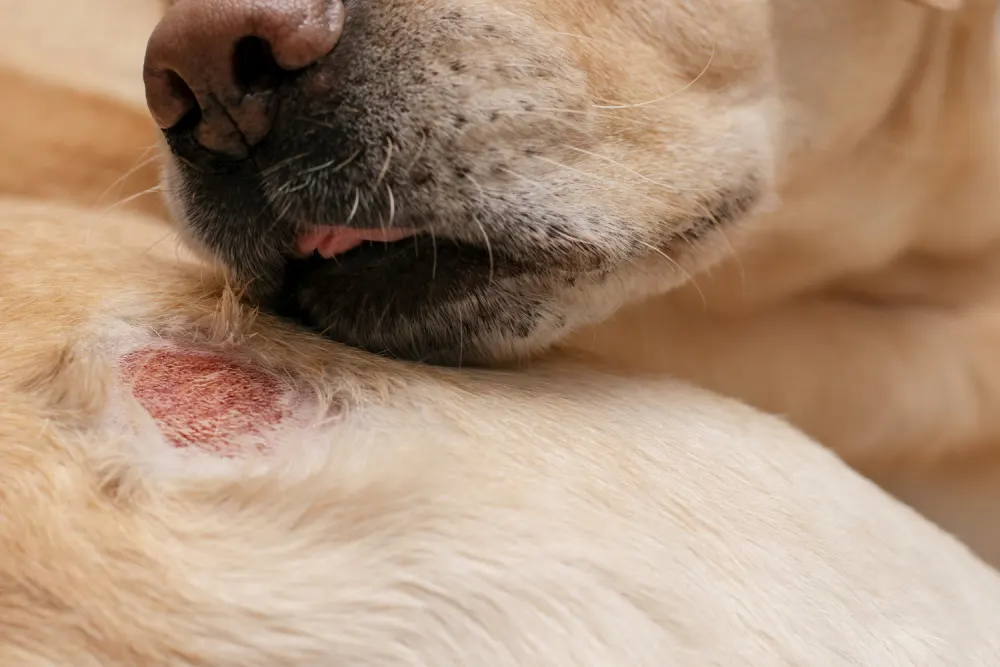
- Symmetrical hair loss on the trunk, with the head and legs usually unaffected
- Thin, fragile skin that tears easily or bruises with minor contact
- Muscle wasting and weakness, particularly in the hind limbs
- Lethargy and reduced willingness to exercise
- Panting more than usual, particularly in cooler environments
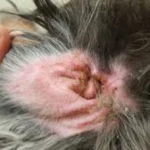
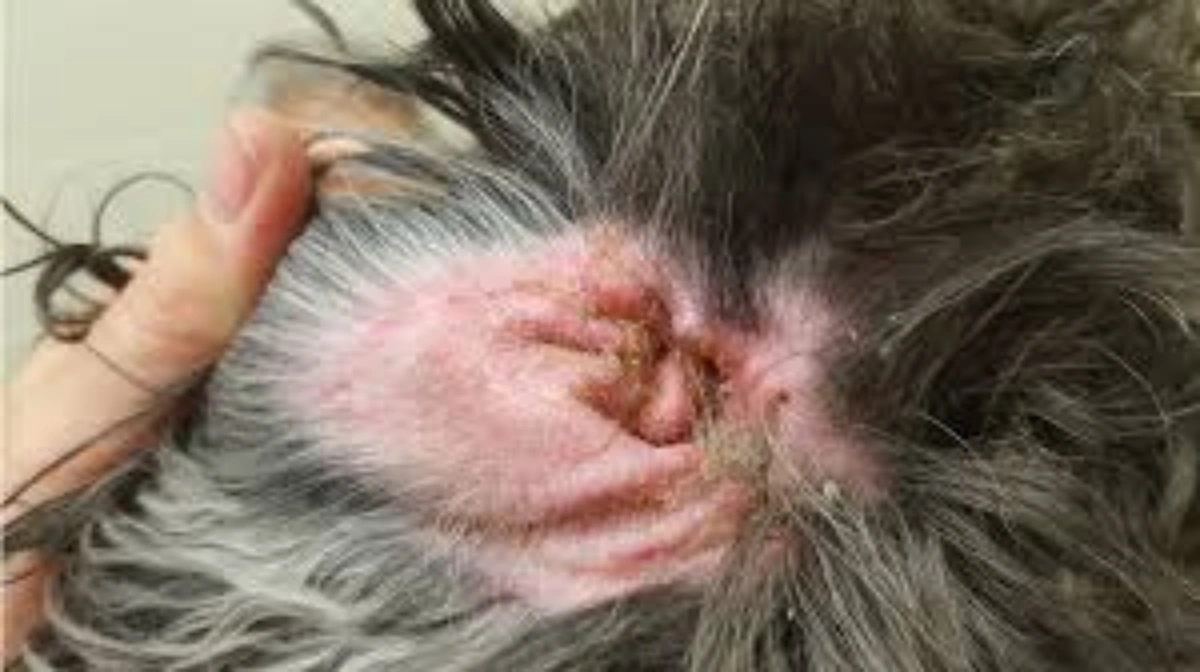
- Recurrent skin or ear infections due to cortisol-related immune suppression
Signs of Phaeochromocytoma
- Episodes of sudden weakness or collapse
- Panting and restlessness, sometimes appearing intermittent
- High blood pressure identified incidentally during examination
- Vomiting and loss of appetite
- In severe cases, sudden haemorrhage if the tumour bleeds internally
Phaeochromocytomas are particularly challenging to identify because their symptoms can be episodic and variable, sometimes looking like a transient illness that the dog appears to recover from before the next episode. If your dog has been having unexplained intermittent episodes of weakness or collapse, this is worth discussing specifically with your vet.
Related Videos


Causes and Risk Factors for Adrenal Gland Tumours in Dogs
The exact cause of adrenal gland tumours in dogs is not fully understood. Several factors are associated with higher risk:
- Age: The vast majority of adrenal gland tumours in dogs are diagnosed in middle-aged to older animals, typically over seven years of age. Finding one in a young dog is uncommon.
- Breed: Certain breeds including Poodles, Dachshunds, Boxers, and German Shepherds have been noted to have higher rates of adrenal tumours in veterinary literature, though any breed can be affected.
- Sex: Female dogs appear to have a slightly higher incidence of adrenal cortical tumours in some studies, though this varies by tumour type.
- Genetic factors: As with most tumours, there is likely a genetic component, though the specific genes involved in canine adrenal tumour development are not fully characterised.
Finding an adrenal gland tumour in your dog is not caused by anything you have done or not done. These are naturally occurring processes influenced by genetics and age.
Diagnosis: How Vets Confirm Adrenal Gland Tumours in Dogs
Diagnosing adrenal gland tumours in dogs is a stepwise process that typically begins with clinical suspicion based on symptoms and is confirmed through testing:
- Blood and urine tests: A full blood panel and urinalysis often show characteristic changes associated with Cushing’s disease, elevated liver enzymes, increased white blood cells, dilute urine. These findings raise suspicion and guide further testing.
- Hormone testing: Specific tests such as the ACTH stimulation test and the low-dose dexamethasone suppression test are used to confirm cortisol excess. Results can also help distinguish between a pituitary tumour and an adrenal tumour as the cause. A high-dose dexamethasone suppression test is particularly helpful in this distinction.
- Abdominal ultrasound: This is one of the most important tools for identifying adrenal gland tumours in dogs. An experienced ultrasonographer can assess the size, shape, and echogenicity of both adrenal glands and identify an asymmetric enlargement, which is highly suggestive of an adrenal tumour. Invasion of surrounding blood vessels can also sometimes be assessed on ultrasound.
- CT scanning: Where available, a CT scan provides detailed three-dimensional information about the adrenal glands, the surrounding blood vessels, and any evidence of local invasion or spread to lymph nodes. This is particularly important for surgical planning if an adrenalectomy is being considered.
- Blood pressure measurement: In dogs where a phaeochromocytoma is suspected, blood pressure monitoring over time helps identify the hypertension associated with this tumour type.
Treatment Options for Adrenal Gland Tumours in Dogs
Treatment depends on the type of tumour, whether it is functional, its size, and whether there is evidence of local invasion or spread:
Surgical Adrenalectomy
Surgical removal of the affected adrenal gland is the definitive treatment for localised adrenal tumours where surgery is technically feasible and the dog’s overall health allows for anaesthesia. For benign cortisol-secreting adenomas, surgery can achieve a complete cure. For adrenal carcinomas, surgery provides the best chance of long-term control, though the prognosis depends on whether the tumour has invaded blood vessels or spread elsewhere.
Adrenalectomy is a significant surgical procedure and carries meaningful peri-operative risk, particularly for dogs with phaeochromocytomas where sudden hormone release during surgery can cause dangerous blood pressure swings. Pre-operative stabilisation with specific medications is required for these cases. Surgery for adrenal tumours should be performed by an experienced veterinary surgeon, ideally one with specialist training in soft tissue or oncological surgery.
Medical Management
For dogs where surgery is not possible due to advanced age, concurrent illness, tumour involvement of major blood vessels, or owner preference, medical management provides symptom control. For cortisol-secreting tumours, trilostane is the primary medication used to reduce cortisol production. This does not treat the tumour itself but manages the hormonal effects and improves quality of life. Regular monitoring through ACTH stimulation tests is required to ensure the dose remains appropriate.
Supportive and Palliative Care
For dogs with non-resectable malignant tumours or those where curative intent is not the goal, supportive care focuses on maintaining comfort, managing symptoms, and preserving quality of life for as long as possible. This includes appropriate pain management, nutritional support, and addressing secondary complications such as skin infections or hypertension.
Related Products

Prognosis: What to Expect
The prognosis for adrenal gland tumours in dogs varies considerably depending on several factors:
- Tumour type: Benign adenomas treated surgically carry an excellent prognosis. Malignant adrenal carcinomas have a more guarded outlook, with survival times depending on whether complete resection was achieved and whether spread has occurred.
- Surgical outcome: Dogs that undergo complete resection of an adrenal adenoma and recover well from surgery often go on to live for several years without recurrence.
- Medical management: Dogs managed medically with trilostane can live comfortably for a year or more, though the underlying tumour continues to be present.
- Phaeochromocytoma: This tumour carries a more variable prognosis. Surgery offers the best chance of long-term control, but the procedure is high-risk. Without surgery, management is primarily supportive.
Early identification consistently gives more treatment options and better outcomes across all tumour types. This is why observing your dog carefully and seeking veterinary assessment when the characteristic pattern of symptoms develops is genuinely valuable.
Living with an Adrenal Tumour
For dogs being managed medically rather than surgically, daily life with an adrenal gland tumour requires some consistent adjustments:
- Give all prescribed medications at the same time each day and never adjust the dose without veterinary guidance
- Attend all follow-up ACTH stimulation tests, as the appropriate trilostane dose changes over time and monitoring ensures the dog remains in a safe cortisol range
- Monitor your dog daily for changes in thirst, urination, appetite, and energy levels, and keep a simple note to share at follow-up appointments
- Watch for signs of over-suppression of cortisol, which can be as dangerous as excess cortisol. Signs include sudden weakness, vomiting, and collapse. Your vet will advise on what to look for specifically.
- Manage secondary complications such as recurrent skin infections promptly rather than waiting for them to become severe
When to Seek Immediate Veterinary Help
Contact your vet or an emergency clinic without delay if your dog shows:
- Sudden collapse or inability to stand
- Severe breathlessness or unusual breathing
- Acute abdominal pain, which may indicate internal bleeding from a haemorrhaging adrenal tumour
- A dog on trilostane that suddenly becomes very weak or vomits repeatedly, which may indicate adrenal crisis from over-suppression