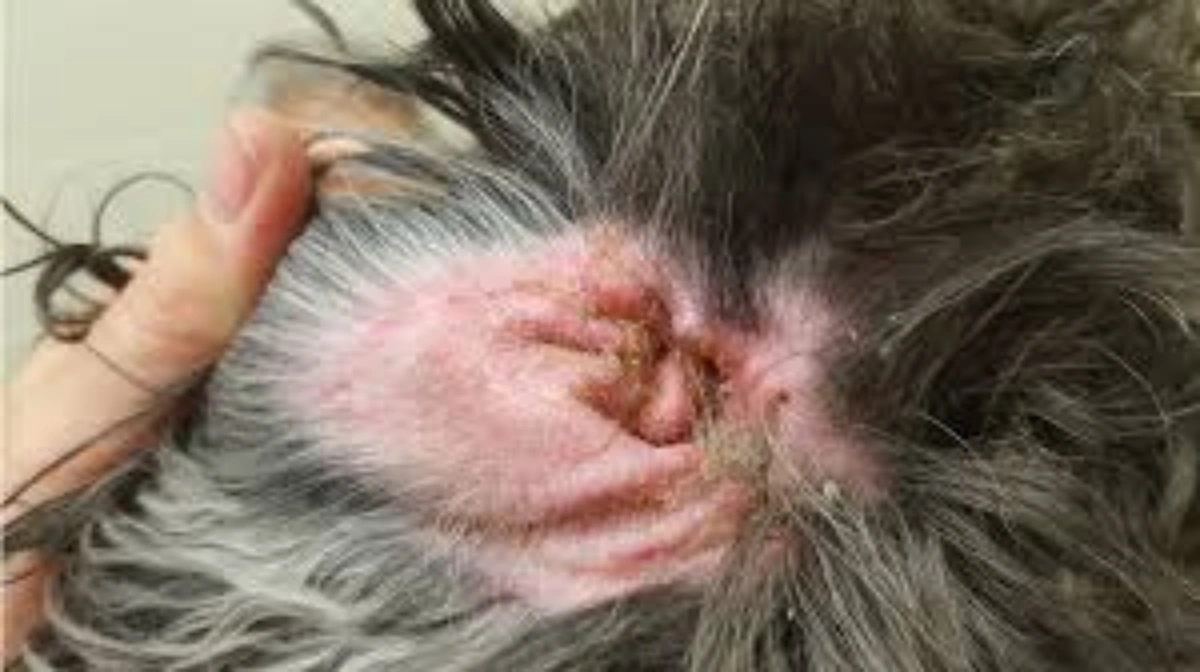
It starts with something most owners do not even notice.
A tick. Attached somewhere in the coat, feeding quietly. It may be there for hours before it is found. It may never be found at all.
But the damage can already be done.
Babesiosis is one of the most serious tick-borne diseases affecting dogs in India. It is not a skin condition or a mild infection. It is a blood parasite disease that destroys red blood cells from the inside, causes severe anaemia, and can kill a dog within days if it is not caught and treated in time.
The tick is small. The disease it carries is not.
What This Disease Actually Does Inside the Body
Babesiosis is caused by a protozoan parasite of the Babesia genus, most commonly Babesia canis or Babesia gibsoni, in dogs across India.
Once the parasite enters the bloodstream through a tick bite, it targets red blood cells directly. It invades them, uses them as a host to multiply, and in doing so, destroys them. The immune system, recognising infected red blood cells as foreign, accelerates the destruction further.
The result is haemolytic anaemia, a rapid, progressive loss of red blood cells that deprives the body of the oxygen-carrying capacity it needs to function. Organs begin to fail. Jaundice develops as the byproducts of destroyed red blood cells accumulate. The dog deteriorates quickly.
This is not a gradual or forgiving disease. It moves fast. And it requires an equally fast response.
Early Changes You May Notice Before It Gets Severe
The early signs of babesiosis are easy to miss or dismiss, which is part of what makes it dangerous.
In the first days after infection, a dog may simply seem off. Slightly less enthusiastic about food. A little more tired than usual. Running a mild fever that an owner might attribute to the heat or a long day.
Watch for these specific signs and take them seriously:
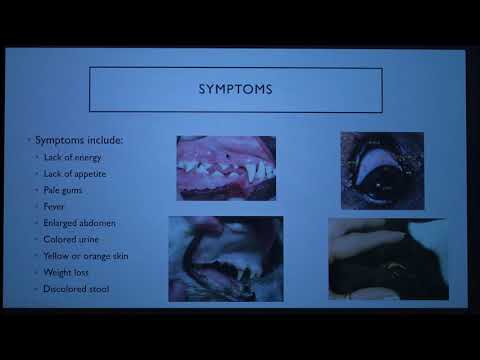
Fever, often the first measurable indicator, with the dog’s temperature rises above the normal range of 38 to 39 degrees Celsius. Lethargy and reluctance to move or engage. Loss of appetite that persists across multiple meals. Visible weakness, particularly in the hind legs. Pale or yellowish gums, which indicate anaemia and jaundice, respectively. Dark or rust-coloured urine is a sign that red blood cell destruction is already well advanced. Rapid or laboured breathing as the body struggles to compensate for reduced oxygen delivery.
Any combination of these signs in a dog that has been exposed to ticks, or that lives in a tick-prevalent environment, is a reason to see a vet the same day.
What Causes Babesiosis and How It Enters the Body
The primary route of transmission is a tick bite, most commonly from the brown dog tick, which is widespread across India and thrives in both urban and rural environments.
The tick must typically be attached for several hours before it can transmit the parasite. This is why regular tick checks and prompt removal matter. A tick found and removed within a few hours of attachment significantly reduces transmission risk.
Less commonly, babesiosis can be transmitted through blood transfusions from an infected donor dog, through direct contact with infected blood, such as during a fight involving bites, or from an infected mother to her puppies.
Dogs in India that spend time outdoors, in gardens, on walks in parks or fields, or in environments with other animals are at meaningful risk, particularly during warmer months when tick populations are highest.
Related Videos



How Babesia Destroys the Body: The Mechanism
This step-by-step understanding is what every owner should have.
The infected tick bites the dog and releases Babesia parasites into the bloodstream. The parasites locate red blood cells and invade them. Inside the red blood cell, the parasite replicates, producing multiple copies of itself. As the numbers grow, the red blood cell can no longer contain them and ruptures.
Each rupture releases more parasites into the bloodstream, ready to infect more red blood cells, and so the cycle accelerates.
Simultaneously, the immune system identifies the infected red blood cells and begins destroying them as well, compounding the anaemia. The breakdown of red blood cells releases haemoglobin into circulation, which gets converted into bilirubin, causing the yellowing of the gums, eyes, and skin known as jaundice.
As red blood cell numbers plummet, oxygen delivery to the heart, kidneys, brain, and liver falls. These organs begin to suffer. Without intervention, multi-organ failure follows.
The entire progression from initial infection to life-threatening crisis can unfold within 48 to 72 hours in acute cases.
Different Forms of Babesiosis and Their Severity
Not all cases of babesiosis present identically. The severity depends significantly on which Babesia species is involved and whether the infection is acute or chronic.
Babesia canis tends to cause more acute and clinically obvious disease. Symptoms develop rapidly and are typically severe. Dogs deteriorate quickly but may respond well to early treatment.
Babesia gibsoni is a smaller parasite and often causes a more chronic, insidious form of the disease. Symptoms may be milder or intermittent over weeks, making it harder to diagnose. It is also more resistant to treatment and more likely to result in a carrier state where the dog harbours the parasite long after apparent recovery.
Acute babesiosis presents dramatically, with sudden collapse, severe anaemia, and rapid deterioration. Chronic babesiosis may present as persistent mild lethargy, poor coat condition, and recurring low-grade fever, symptoms that are easy to attribute to other causes until the disease has progressed significantly.
How the Disease Progresses If Left Untreated
The trajectory of untreated babesiosis is predictable and grim.
In the first phase, anaemia develops as red blood cells are destroyed faster than they can be replaced. The dog becomes pale, weak, and breathless.
In the second phase, organ stress begins. The kidneys, working to filter the increasing load of haemoglobin from destroyed red blood cells, begin to fail. The liver, processing mounting bilirubin, becomes overwhelmed. Jaundice becomes visible.
In the third phase, circulatory shock sets in. Blood pressure drops. The dog collapses. Neurological signs, including disorientation and seizures, may appear as oxygen supply to the brain falls critically low.
Without treatment, death follows.
This progression can happen in days. In some acute cases, in hours.
How Vets Detect Babesiosis Accurately
Diagnosis requires clinical assessment combined with specific laboratory testing.
Blood smear examination is often the first step. A sample of the dog’s blood is examined under a microscope to look for Babesia parasites inside red blood cells. This is a direct and definitive method when parasites are present in sufficient numbers.
Complete blood count reveals the degree of anaemia, the platelet count, which is typically low in babesiosis, and the overall blood picture that guides the severity assessment.
PCR testing is the most sensitive diagnostic method, capable of detecting Babesia DNA even when parasite numbers are low. This is particularly important in chronic or subclinical cases where blood smear examination may miss the infection.
Biochemistry panel assesses organ function, particularly kidney and liver health, to determine the extent of systemic damage and guide treatment decisions.
If babesiosis is suspected based on clinical signs and tick exposure history, treatment should not wait for all test results. The disease moves faster than the diagnostic process in acute cases.
Treatment: Why Early Intervention Saves Lives
The core treatment for babesiosis is antiprotozoal medication. Imidocarb dipropionate is the most commonly used drug in India and is effective against Babesia canis. Treatment typically involves one or two injections administered under veterinary supervision.
For Babesia gibsoni, which is more resistant, a combination of drugs including atovaquone and azithromycin may be used, though availability and cost vary.
Alongside antiparasitic treatment, supportive care is critical. Dogs with significant anaemia may require blood transfusions to stabilise their oxygen-carrying capacity. Intravenous fluids support kidney function and maintain blood pressure. Anti-nausea medication, nutritional support, and close monitoring form the rest of the acute care protocol.
A dog that reaches the vet in the early stages of babesiosis has a good chance of recovery. A dog that arrives in multi-organ failure has a significantly reduced one.
This is the case for understanding the early signs and acting on them without delay.
For a broader overview of how tick fever is managed clinically, read VOSD’s detailed guide on tick fever treatment.
Related Products



What Recovery Looks Like and Why Relapses Happen
Recovery from babesiosis is not always complete in the way that owners hope.
Dogs that receive prompt, effective treatment typically show improvement within 48 to 72 hours. Appetite returns. Energy improves. Blood values begin to stabilise. Full clinical recovery may take one to three weeks, depending on the severity of the disease and the degree of organ involvement.
However, a significant proportion of dogs, particularly those infected with Babesia gibsoni, become long-term carriers. The parasite persists in the bloodstream at levels too low to cause active disease under normal circumstances but sufficient to trigger relapse during periods of stress, illness, or immunosuppression.
These dogs require periodic monitoring. Any future illness, surgery, or significant physiological stress should be communicated to the vet, who will factor in the carrier status when making clinical decisions.
Reinfection is also possible. A dog that has recovered from babesiosis has no lasting immunity and can be infected again if exposed to ticks carrying the parasite.
Babesiosis Versus Other Tick-Borne Diseases
Tick bites in India can transmit several different diseases, and their symptoms overlap enough to confuse. Understanding the distinctions helps in accurate diagnosis and targeted treatment.
Babesiosis targets red blood cells, causing haemolytic anaemia and jaundice. The hallmarks are pale or yellow gums, dark urine, and rapid deterioration.
Ehrlichiosis is caused by bacteria targeting white blood cells and platelets. It tends to cause a longer, more insidious illness with significant weight loss, bleeding tendencies, and chronic immune suppression. It does not typically cause haemolytic anaemia.
Anaplasmosis also affects white blood cells and platelets, presenting with fever, joint pain, and lethargy. It is generally less severe than babesiosis in acute presentations but can cause chronic disease if untreated.
A dog can be co-infected with more than one tick-borne pathogen simultaneously, which complicates both diagnosis and treatment. PCR testing is the most reliable way to identify exactly what is present.
For a comprehensive overview of all tick-borne diseases affecting dogs in India, read VOSD’s complete guide to tick-borne diseases in dogs.
When This Becomes an Emergency
Some presentations of babesiosis require emergency intervention, not a scheduled appointment.
Go to a vet immediately if your dog shows any of the following: complete collapse or inability to stand, gums that are white, pale grey, or yellow, urine that is dark brown or red in colour, breathing that is rapid and laboured at rest, seizures or loss of coordination, or a combination of high fever and profound weakness.
These are signs of acute, advanced disease. Every hour matters. Do not wait for the clinic to open the next morning. Find an emergency facility and go now.
The Right Prevention Is Already Available
The most effective response to babesiosis is not treatment. It is prevention.
Consistent, monthly tick prevention using veterinarian-recommended products, whether topical spot-ons, tick collars, or oral preventives, significantly reduces the risk of tick attachment and transmission. Tick checks after every outdoor session, particularly in the ears, between the toes, under the collar, and in the groin area, allow for early detection and removal.
Environmental management, including keeping grass short and checking dogs that spend time in gardens or parks, is part of the same preventive approach.
For complete guidance on protecting your dog from ticks and fleas through prevention and treatment options available in India, read VOSD’s comprehensive guide to flea and tick prevention and treatment for dogs.
The Danger You Cannot See Until It Is Too Late
A tick is easy to overlook. The disease it carries is not easy to reverse once it takes hold.
Babesiosis is fast, destructive, and capable of killing an otherwise healthy dog in a matter of days. The gap between a tick attaching and a dog in critical condition can be measured in hours. The gap between catching it early and catching it late can be measured in survival.
Check your dog for ticks after every outdoor session. Use prevention without gaps. Know the early signs. And if anything seems wrong after a tick has been found or suspected, do not wait.
The tick was small. Your response should not be.