
If your dog has started having accidents indoors, leaving stool while resting, or seems unaware that they have passed something, it can be both worrying and confusing. Bowel incontinence in dogs is more common than many pet parents realise, particularly in older dogs and those recovering from injuries. The first and most important thing to understand is that this is a medical issue, not a behaviour problem. Your dog is not being difficult or defiant. Something physical is affecting their ability to control their bowel, and that deserves attention and care.
What is Bowel Incontinence in Dogs?
Bowel incontinence in dogs refers to the inability to control when and where stool is passed. It is different from a house training issue or a dog choosing to go indoors. With true bowel incontinence, the dog either cannot feel the urge to defecate, cannot hold it until they reach an appropriate place, or is completely unaware that stool has passed at all.
It can occur in varying degrees. Some dogs leak small amounts of stool passively, particularly when lying down or relaxed. Others pass full stools without any apparent awareness. Understanding which pattern your dog is showing helps your vet identify the most likely underlying cause.
Common Symptoms of Bowel Incontinence in Dogs
The signs of bowel incontinence in dogs are usually visible in the dog’s daily routine and living space. Here is what to watch for:
- Stool found in the dog’s sleeping or resting area without any apparent attempt to move away
- Passing stool indoors with no warning behaviour such as circling, sniffing, or going to the door
- Small amounts of stool or staining around the anal area, particularly after lying down or rising
- The dog appearing unaware or unconcerned after passing stool
- Excessive licking of the anal area, which may indicate irritation from repeated soiling
- Scooting or dragging the bottom along the ground
- Skin irritation, redness, or soreness around the anal region from contact with faecal matter
In many rescued dogs who have survived road accidents or sustained untreated injuries, bowel incontinence may have been present for some time before being identified. Dogs adapt remarkably well to their circumstances, and some continue to function relatively normally despite significant neurological compromise.
When Should You Be Concerned About Bowel Incontinence?
Any new onset of bowel incontinence in dogs warrants a veterinary assessment, particularly if:
- The incontinence came on suddenly rather than gradually
- It is accompanied by hind limb weakness, stumbling, or difficulty walking
- There is blood in the stool or around the anal area
- Your dog also appears to have lost urinary control alongside bowel control
- A senior dog shows rapid deterioration in control over a short period
- You notice pain or distress when your dog attempts to defecate
Sudden onset alongside weakness or neurological signs is particularly important to address promptly, as some spinal conditions that cause bowel incontinence in dogs have a better outcome when treated early.
Causes of Bowel Incontinence in Dogs
Bowel incontinence in dogs can result from a range of underlying conditions. Identifying the cause is the foundation of appropriate management:
- Spinal cord injury or disease: The nerves that control the anal sphincter and bowel movement originate from the lower spine. Damage to this region, whether from a road accident, a slipped disc, or a spinal tumour, can interrupt the signals needed for normal bowel control. This is one of the most common causes seen in rescued Indian dogs that have survived road trauma.
- Nerve damage: Even without a visible spinal injury, nerve damage from chronic disc disease, diabetes, or other conditions can gradually reduce the sensitivity and strength of the anal sphincter, leading to passive leakage.
- Age-related muscle weakness: As dogs age, the muscles of the anal sphincter can lose strength and tone, making it difficult to hold stool reliably. This is a natural part of ageing in some dogs, particularly large breeds and those with a history of digestive issues.
- Severe or chronic diarrhoea: When stool is very loose or comes on urgently and frequently, even a dog with normal sphincter function may not be able to hold it in time. Chronic diarrhoea from infection, parasites, or inflammatory bowel disease can cause what appears to be incontinence but may improve once the underlying digestive condition is treated.
- Anal sphincter damage: Previous injury, surgery, or perineal disease can damage the sphincter muscle directly, reducing its ability to close and hold stool.
- Masses or obstruction: A growth near the rectum or anus can interfere with normal defecation and sphincter function, sometimes leading to leakage around the obstruction.
Age-Related and Neurological Causes in Indian Dogs
Older street and indie dogs frequently develop bowel incontinence as a result of accumulated physical wear, untreated disc disease, and age-related neurological changes. Many have lived with minor spinal compromise for years without it being identified. By the time incontinence appears, the underlying condition has often been present for some time.
Road accident survivors are another group in which neurological bowel incontinence is regularly seen. Even accidents that appear not to have caused obvious injury can result in spinal bruising or nerve damage that only becomes apparent weeks or months later as function gradually deteriorates. Any dog with a known history of trauma that now shows hind limb changes or loss of bowel control should have a spinal assessment.
Related Videos


How is Bowel Incontinence Diagnosed?
Your vet will approach the diagnosis methodically to identify the underlying cause rather than simply treating the symptom:
- History and physical examination: The vet will ask about when the incontinence began, whether it was sudden or gradual, any recent injuries, and the dog’s general health history. A physical examination includes assessing anal tone, rectal examination, and checking for pain or weakness in the hind limbs.
- Neurological assessment: The vet will test reflexes, proprioception, and pain sensation in the hind limbs and perineal area to determine whether nerve function is compromised and to what degree.
- Stool examination: A faecal test rules out parasitic or bacterial causes of diarrhoea-related incontinence.
- Blood tests: These assess general health, organ function, and markers that may indicate systemic disease contributing to neurological symptoms.
- Imaging: X-rays or an MRI may be recommended if spinal disease is suspected. Imaging gives the most precise information about the location and extent of any spinal involvement and is essential for planning treatment in neurological cases.
Treatment Options for Bowel Incontinence in Dogs
Treatment depends entirely on the underlying cause. In some cases, addressing the root condition restores bowel control. In others, management rather than cure is the realistic goal, and that is a perfectly valid outcome when handled well.
- Treating the underlying cause: If severe diarrhoea from infection or parasites is causing the incontinence, treating that condition often resolves the issue. If a disc problem is identified early, anti-inflammatory treatment or surgery may restore nerve function and bowel control.
- Medications: Depending on the diagnosis, the vet may prescribe anti-inflammatory drugs for spinal conditions, medications to firm up stool consistency, or treatments to address any infection contributing to the incontinence.
- Dietary management: A highly digestible, consistent diet that produces well-formed stools reduces the urgency and frequency of defecation, making it easier for a dog with reduced sphincter tone to manage. Your vet will advise on the right dietary approach for your dog’s specific situation.
- Physiotherapy: In some dogs with nerve damage, physiotherapy and targeted exercises can support nerve regeneration and improve muscle tone over time. This is a longer-term approach that requires patience and consistency.
- Supportive management: For dogs with permanent or long-standing incontinence, the focus shifts to maintaining quality of life through practical daily management rather than achieving full continence.
Home Care and Daily Management
Managing bowel incontinence in dogs at home requires some adjustment but is entirely achievable with the right routine:
- Regular toilet schedule: Take your dog outside frequently and consistently, particularly after meals and upon waking. This reduces the likelihood of accidents by capitalising on the natural urge to defecate at predictable times.
- Easy-to-clean bedding: Use waterproof mattress covers or washable vet bedding that can be cleaned daily without difficulty. Keeping the sleeping area clean prevents skin irritation and infection.
- Hygiene care: Clean the anal and perineal area gently but thoroughly after each episode of incontinence to prevent skin soreness, scalding, and secondary infection. A mild, dog-appropriate cleanser is better than plain water alone for keeping the skin in good condition.
- Dog nappies or wraps: For dogs with significant passive leakage, dog-specific nappies or wraps can be used during periods of indoor rest. These should be changed frequently to prevent skin problems.
- Comfortable, accessible living space: Ensure your dog can move easily to their regular outdoor toilet area. Removing unnecessary obstacles and keeping the path clear is especially important for dogs with hind limb weakness.
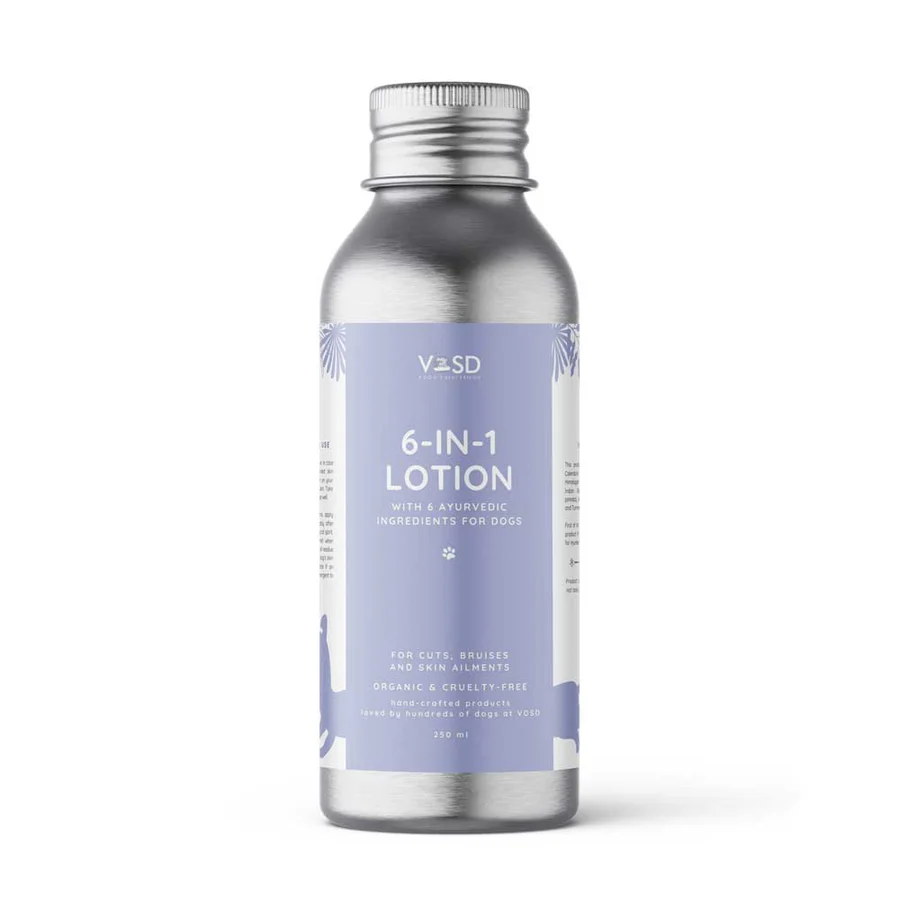
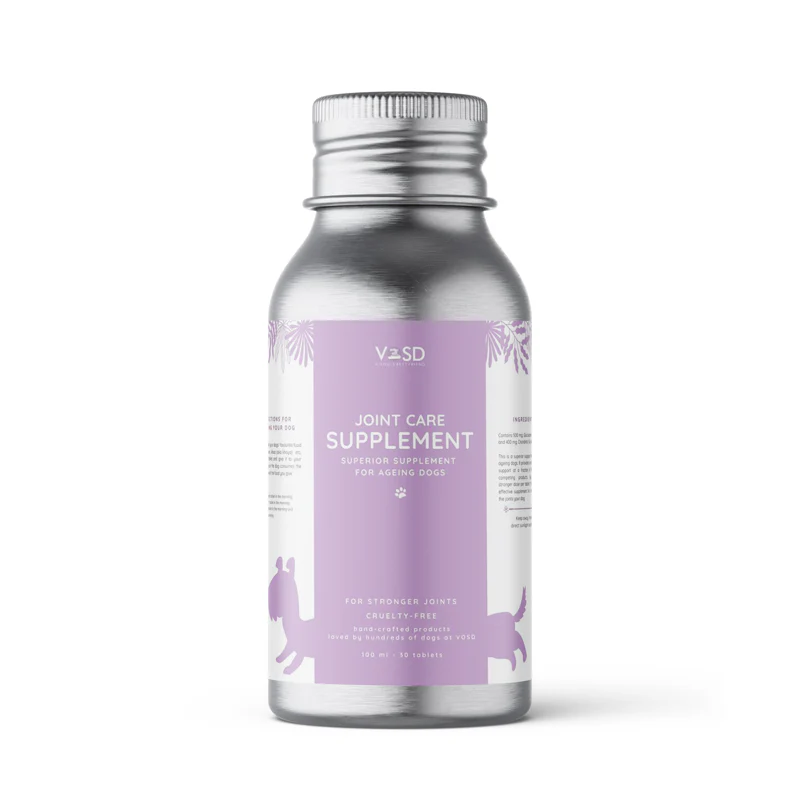
Keeping the skin around the anal area clean, moisturised, and protected is an important part of daily care. VOSD Organic 6-in-1 Dog Body Lotion with Calendula helps soothe and protect sensitive skin, which can be particularly useful for dogs prone to skin irritation in the perineal area from repeated soiling. For dogs who need joint and mobility support as part of their broader care, particularly older dogs with spinal or age-related causes of incontinence, VOSD Joint Care Supplement is worth discussing with your vet. Always consult your vet before introducing any new product to a dog with an ongoing medical condition.
Related Products
Prognosis: Can Dogs Recover from Bowel Incontinence?
The outlook depends on the cause. Dogs with incontinence from treatable diarrhoea or mild spinal inflammation often recover full or near-full control once the underlying condition is managed. Those with diarrhoea-related incontinence typically see improvement within days to weeks of appropriate treatment.
For dogs with permanent nerve damage or age-related sphincter weakness, full recovery of bowel control may not be achievable. This does not mean the dog cannot have a good quality of life. Many dogs with managed bowel incontinence remain happy, engaged, and comfortable with appropriate daily care and veterinary support. The goal in these cases is comfort and dignity rather than cure.
Preventing Bowel Control Issues in Dogs
Not all causes of bowel incontinence in dogs can be prevented, but these steps reduce the risk and support early detection:
- Have dogs assessed by a vet after any road accident or significant trauma, even if they appear uninjured
- Schedule regular veterinary check-ups for senior dogs to detect early signs of spinal disease or neurological changes
- Maintain a consistent, high-quality diet to support digestive health and reduce the risk of chronic diarrhoea
- Follow a regular deworming schedule, as chronic parasitic infection can contribute to ongoing digestive instability
- Address any signs of hind limb weakness, changes in gait, or difficulty jumping promptly rather than waiting to see if they resolve on their own
Living with a Dog with Bowel Incontinence
Caring for a dog with bowel incontinence requires patience, a practical routine, and a willingness to adapt your home management. Dogs do not experience shame or embarrassment about incontinence the way people might. They simply need clean, comfortable care and the same warmth and connection they have always received from you.
Many accident-survivor dogs and elderly dogs with incontinence live full, content lives with the support of a committed caregiver. The adjustment is primarily yours as the pet parent, and it becomes manageable with consistency. Seeking help early, staying in regular contact with your vet, and focusing on your dog’s comfort and happiness are the foundations of good care in these situations.