
Sometimes a swelling appears on a dog that does not go away the way a normal bump should. It may drain a little fluid, settle briefly, and then return. In many cases like this, what looks like a simple skin infection turns out to go deeper than expected. Actinomycosis in dogs is one of those conditions that can be easy to underestimate initially, but that responds well to the right treatment when identified correctly. It is a bacterial infection that tends to develop slowly and sit deep in the tissue, and understanding it helps pet parents seek the right care at the right time.
What is Actinomycosis in Dogs?
Actinomycosis in dogs is a bacterial infection caused by Actinomyces species, which are slow-growing bacteria that normally live in the mouth and digestive tract of dogs without causing harm. Problems begin when these bacteria are introduced into deeper tissues, typically through a puncture wound, a bite, the migration of a grass seed or thorn, or an oral injury. Once established in the tissue, the bacteria form localised colonies that the body attempts to wall off, resulting in abscesses, draining tracts, and in some cases, involvement of surrounding structures including bone.
Actinomycosis in dogs is not a common diagnosis, but it is seen with reasonable frequency in active outdoor dogs and in rescue dogs that have had injuries which were not promptly or fully treated. The infection tends to be slow-moving, which means it can be present for some time before the full picture becomes apparent. This also means it is manageable when the correct approach is taken consistently.
Symptoms of Actinomycosis in Dogs
The signs of actinomycosis in dogs can develop gradually over weeks, which is part of why the condition is sometimes attributed to other causes before the correct diagnosis is reached. The following signs are the most commonly seen.
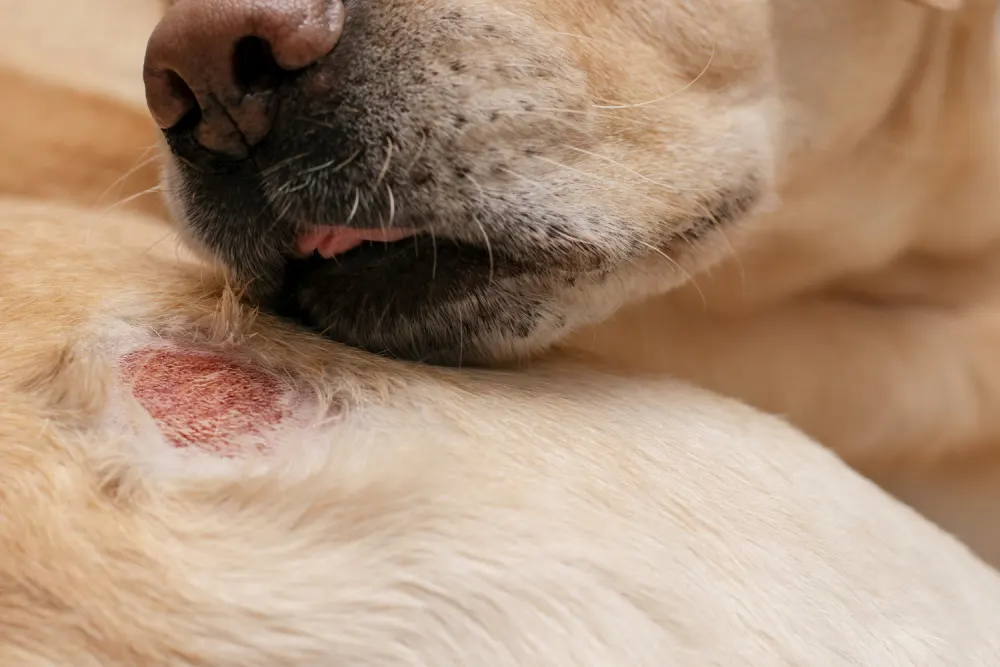
- A firm or fluctuant swelling under the skin, most commonly on the face, jaw, neck, or limbs, though any site of prior injury can be involved
- A draining tract or opening in the skin from which pus or a bloody discharge seeps, sometimes intermittently
- The discharge may have a characteristic granular or gritty texture, sometimes described as sulphur granules, which are colonies of the bacteria matted together
- Pain or sensitivity when the swollen area is touched
- Swelling that appears to partially resolve and then returns, often giving the impression of a recurring abscess
- Fever and general lethargy during active phases of the infection
- Reduced appetite, particularly when the infection involves the mouth, jaw, or throat
- In more advanced cases, stiffness or lameness if the infection has extended to involve a joint or bone
One feature that sets actinomycosis apart from a simple abscess is its tendency to recur or persist despite basic wound management. If a swelling has been drained or treated and keeps returning, this pattern is worth discussing with a vet as a possible indicator of a deeper bacterial infection rather than a surface-level problem.
Causes and How Dogs Get Actinomycosis
Actinomycosis in dogs develops when Actinomyces bacteria, which are normally harmless residents of the dog’s own mouth and gut flora, are introduced into deep tissue through a break in the normal protective barriers.
- Bite wounds: A bite from another dog or animal introduces oral bacteria directly into deep tissue. In India, where street dog encounters are common for both pet dogs and rescues, bite wounds are a frequent route of entry
- Grass seeds and thorns: Migrating foreign bodies such as grass awns or thorns can carry bacteria deep into tissue as they travel. This is particularly relevant for dogs that spend time in fields, parks, or scrubland
- Oral injuries: Damage to the gum tissue, tongue, or the tissue at the back of the throat during eating, chewing on sticks, or during dental procedures can introduce Actinomyces into the surrounding tissue
- Puncture wounds: Any deep puncture, including those from nails, wire, or sharp objects on the ground, can introduce bacteria below the skin surface where they find a low-oxygen environment suitable for Actinomyces growth
- Poorly managed wounds: Minor injuries that are not cleaned promptly or thoroughly, or that are allowed to close over the surface while contamination remains deeper, can develop into actinomycosis over time
Dogs that are active outdoors, that interact with other animals, or that have a history of wounds are at higher risk. This is not about negligence. It reflects the reality of an active dog’s life, particularly in the Indian environment where outdoor exposure is part of daily routine for many dogs.
Related Videos


How Vets Diagnose Actinomycosis in Dogs
Diagnosing actinomycosis in dogs requires a combination of clinical assessment and laboratory testing. Because the signs overlap with other types of abscess and deep tissue infection, laboratory confirmation is important for choosing the right treatment.
| Diagnostic Step | What It Identifies | Practical Notes for India |
|---|---|---|
| Physical examination | Location, size, and character of swelling and any draining tracts | The presence of granular discharge is a useful clinical indicator that prompts further investigation |
| Fine needle aspirate or pus sample | Collection of material for laboratory examination | Can be done at most veterinary clinics; the sample is sent for culture and cytology |
| Bacterial culture and sensitivity | Confirms presence of Actinomyces and identifies effective antibiotics | Actinomyces grows slowly and requires specific culture conditions; results may take longer than standard cultures |
| Cytology | Microscopic examination of cells and any sulphur granules in the sample | Can provide a strong presumptive diagnosis while culture results are awaited |
| X-ray or ultrasound | Assesses depth of infection, any bone involvement, and the extent of tissue affected | Recommended when the swelling is near a joint, bone, or the chest cavity |
Telling a vet the full history of the swelling, including how long it has been present, whether it has drained before, and whether there was a prior wound or outdoor incident in the area, helps guide the diagnostic process significantly.
Treatment and Management of Actinomycosis in Dogs
Treating actinomycosis in dogs requires a combination of surgical management and a prolonged course of antibiotics. Neither approach alone is typically sufficient for a full resolution. The key principles of treatment are as follows.
- Surgical drainage and debridement: The abscess or draining tract needs to be properly opened, cleaned, and in many cases the surrounding affected tissue removed to reduce the bacterial load and allow antibiotics to reach the site effectively. This is done under sedation or anaesthesia at a veterinary clinic
- Long-term antibiotic therapy: Actinomycosis in dogs responds to penicillin-class antibiotics in most cases, but the course required is significantly longer than for a standard infection, often ranging from six weeks to several months. Stopping treatment early is one of the most common reasons for relapse. Your vet will determine the most appropriate antibiotic based on culture results and the individual dog’s health
- Wound care at home: During treatment, the wound site needs to be kept clean and monitored daily. Gently cleaning discharge from the area as directed by your vet and preventing the dog from licking or interfering with the site using an Elizabethan collar is part of effective home management
- Follow-up assessments: Regular veterinary checks during treatment allow the vet to assess whether the infection is resolving as expected and to extend the antibiotic course if needed
- Removal of foreign bodies: If a migrating grass seed or thorn is identified as the source, surgical removal is necessary alongside antibiotic treatment
Related Products



Prognosis: Recovery Outlook
The prognosis for actinomycosis in dogs is good when the condition is identified and treated correctly. Dogs with superficial infections that are managed with proper drainage and a complete antibiotic course generally recover fully. Cases where the infection has extended to involve bone or internal structures are more complex and require a longer and more intensive treatment approach, but recovery is still achievable in many of these cases.
Relapse is the most common complication and is almost always linked to incomplete treatment, either stopping antibiotics early or not fully addressing the surgical component. A dog that relapses should be reassessed and the treatment plan adjusted rather than simply repeating the same course.
Prevention Tips for Pet Parents
Preventing actinomycosis in dogs is not always possible given how it is transmitted, but a number of practical measures significantly reduce the risk.
- Check your dog for wounds after every outdoor outing, paying particular attention to the feet, lower limbs, face, and neck where bite and puncture injuries are most common
- Clean any wound promptly with clean water and a gentle antiseptic. A wound that is flushed and cleaned within the first hour of injury is far less likely to develop a deep infection than one left unattended
- Do not allow wounds to close over at the surface if the entry point was deep or if contamination is suspected. A deep wound that seals at the surface while bacteria remain inside is a common setup for abscess formation
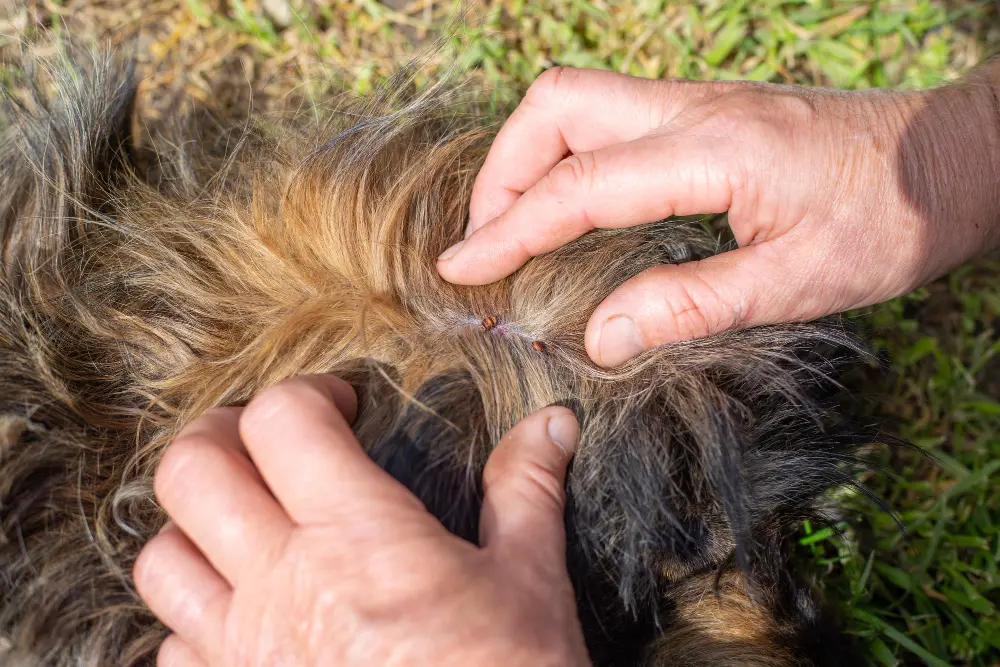
- Check the coat and skin for embedded grass seeds, particularly after walks in long grass or rural areas. The feet, ears, and armpit areas are the most common sites for grass awn penetration
- Keep up with routine dental care to reduce the bacterial load in the mouth, which lowers the risk of oral bacteria being introduced into tissue through mouth injuries
- Manage tick and flea infestations to reduce skin damage and the secondary infections that can follow scratching and skin trauma
When to See a Vet Without Delay
Some signs associated with actinomycosis in dogs indicate that a veterinary visit should not be postponed.
- A swelling that has been present for more than a week, is growing, or has begun to drain
- A wound that develops a foul smell, visible pus, or discharge with a gritty or granular texture
- Fever, loss of appetite, or significant lethargy alongside a skin or wound problem
- Stiffness, limping, or difficulty opening the mouth near a swollen area
- A recurring swelling in the same location that has been drained or treated before
Actinomycosis in dogs is a condition that rewards timely diagnosis and consistent management. With the right treatment approach and attentive home care, the majority of affected dogs recover well and go on to live fully normal, comfortable lives. The most important step is getting an accurate diagnosis early and committing to the full treatment course that follows.