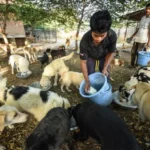

In many rescue puppies and young dogs coming from overcrowded or stressful environments, severe digestive illness can develop rapidly and without much warning. Most of the time, the cause is something familiar: parvovirus, a bacterial gastroenteritis, or a worm burden. But occasionally, the culprit is something less commonly discussed and more easily overlooked.
Tyzzer disease in dogs is a rare but serious bacterial infection that tends to affect puppies, immunocompromised dogs, and animals living in poor or overcrowded conditions. It is not the first thing a vet will reach for in a differential diagnosis, but in the right context, it is an important condition to be aware of. Early care genuinely makes a difference here.
This guide explains what Tyzzer disease is, how dogs are exposed to it, what signs to watch for, and how it is managed, with practical notes for the Indian context where many affected dogs come from rescue or shelter backgrounds.
What Is Tyzzer Disease in Dogs?
Tyzzer disease in dogs is caused by Clostridium piliforme, a spore-forming bacterium that primarily affects the intestines and, in more severe cases, the liver. The disease was first described in rabbits and laboratory rodents, where it remains more commonly encountered. In dogs, it is rare but tends to present acutely and seriously when it does occur.
The bacteria infect the cells lining the intestinal wall, causing inflammation and damage that disrupts normal gut function. In cases where the infection spreads beyond the gut to the liver, the condition becomes significantly more severe and the risk of rapid deterioration increases.
Tyzzer disease in dogs tends to affect individuals whose immune system is already under strain: very young puppies whose maternal immunity is waning, dogs in poor nutritional condition, and those living in overcrowded or unhygienic environments. Healthy adult dogs with robust immune systems are significantly less susceptible.
How Do Dogs Get Tyzzer Disease?
The primary route of transmission is ingestion of spores from contaminated faeces or environments. Clostridium piliforme produces hardy spores that survive in the environment for extended periods, making contaminated soil, bedding, and shared spaces a persistent source of exposure.
The main risk factors and transmission contexts include:
- Contact with the faeces of infected animals, which may include rodents such as rats and mice as well as other dogs
- Overcrowded living conditions where faecal contamination of shared spaces is difficult to control
- Poor sanitation in kennels, shelters, or rescue environments
- Stress, which suppresses immune function and increases susceptibility to opportunistic bacterial infections
- Malnutrition or poor body condition in young dogs
- Damp, poorly ventilated environments that favour bacterial survival
In India, the conditions that create risk for Tyzzer disease in dogs include overcrowded rescue shelters, areas with high rodent populations, and street-rescue contexts where young puppies have had inadequate nutritional support and high infection exposure. This is not a reflection of poor intentions on the part of carers. It reflects the challenging realities of high-volume animal welfare work in resource-limited settings.
Symptoms of Tyzzer Disease in Dogs
The symptoms of Tyzzer disease in dogs tend to develop rapidly, particularly in young or immunocompromised animals. The speed of onset is one of the features that makes this condition concerning: a puppy can go from appearing slightly unwell to being in serious difficulty within a short period.
Common signs include:
- Sudden onset of severe diarrhoea, which may be watery and profuse
- Extreme lethargy and weakness, often disproportionate to the duration of illness
- Complete loss of appetite
- Rapid dehydration, visible through dry gums, skin that does not spring back quickly when gently pinched, and sunken appearance around the eyes
- Abdominal discomfort or bloating in some cases
- Jaundice (yellowing of the gums or whites of the eyes) when liver involvement is present
- Collapse in severe or advanced cases
If a puppy becomes weak very quickly with sudden diarrhoea, this is not a situation to monitor at home hoping for improvement. The combination of rapid dehydration and bacterial toxin effects in a young animal can deteriorate quickly. Early veterinary care is the most important factor in survival.
Distinguishing Tyzzer Disease from Other Infections
Tyzzer disease in dogs shares many symptoms with other serious puppy infections, including parvovirus and other bacterial gastroenteritis conditions. Clinical signs alone cannot definitively distinguish between these. What makes Tyzzer disease somewhat characteristic is the speed of deterioration in a puppy from a high-risk background (shelter, street rescue, overcrowded environment) combined with evidence of potential liver involvement.
Related Videos


Diagnosis of Tyzzer Disease in Dogs
Diagnosing Tyzzer disease in dogs during life is challenging, partly because the condition is rare and partly because the diagnostic tools required are not widely available in most Indian clinical settings.
The diagnostic approach includes:
- Clinical assessment and history: The vet considers the dog’s age, background, environment, and the speed of symptom onset alongside the clinical signs present. A young puppy from a shelter environment with sudden severe diarrhoea and liver signs raises suspicion.
- Blood tests: A complete blood count and biochemistry panel can reveal signs of infection, anaemia, and liver dysfunction. Elevated liver enzymes alongside severe diarrhoea in a puppy are a significant finding.
- Stool testing: Standard faecal tests for parasites and common bacterial pathogens are usually run to rule out other causes. Clostridium piliforme is not easily identified on routine stool culture.
- Specialised laboratory testing: PCR testing or electron microscopy can identify the organism, but these are rarely available in routine Indian veterinary practice and are typically confined to research or post-mortem contexts.
- Post-mortem examination: In many confirmed cases, definitive diagnosis is made after death through histopathological examination of intestinal and liver tissue, which shows the characteristic intracellular bacterial filaments of Clostridium piliforme.
In practical Indian veterinary settings, Tyzzer disease is often managed as a clinical diagnosis based on the overall picture, with treatment initiated empirically while other serious infections are ruled out. This is appropriate and reflects the reality that not every diagnosis needs a definitive laboratory confirmation before treatment begins.
Treatment of Tyzzer Disease in Dogs
Treatment of Tyzzer disease in dogs is supportive and antibiotic-based. There is no specific licensed treatment, and the condition requires intensive veterinary management in hospitalised cases.
| Treatment Component | Purpose |
|---|---|
| Antibiotics (e.g. oxytetracycline, doxycycline, ampicillin) | Target the bacterial infection directly; tetracyclines are considered the most active against Clostridium piliforme |
| Aggressive intravenous fluid therapy | Corrects dehydration, maintains blood pressure, and supports organ function |
| Nutritional support | Maintaining caloric intake supports immune function and recovery; syringe feeding or IV nutrition in severely affected puppies |
| Liver support medications | Used when liver involvement is suspected or confirmed to reduce further hepatic damage |
| Anti-nausea and gut-protective medications | Manage symptoms and protect the intestinal lining during recovery |
| Warmth and nursing care | Young puppies lose heat rapidly and need a warm, quiet, stress-free environment during recovery |
The speed at which treatment is started is directly linked to outcome. Dogs treated early, before severe dehydration and liver damage have developed, have meaningfully better prospects than those in whom treatment is delayed by even a day or two in the acute phase.
Prognosis and Recovery
The prognosis for Tyzzer disease in dogs is guarded to poor in severe cases, particularly in very young puppies with liver involvement. However, some puppies do recover with early, intensive intervention, and the prognosis is significantly better when treatment is started in the early stages of illness before the condition has progressed.
In field experience from shelters and rescue operations, the puppies who fare best are those where the severity of illness is recognised quickly and fluid therapy is initiated without delay. Even in resource-limited settings, oral rehydration and antibiotic treatment started early can make a meaningful difference to survival.
Adult dogs who develop Tyzzer disease generally have a better prognosis than very young puppies, as their more developed immune systems and greater physiological reserves give them more capacity to respond to treatment.
Caring for a Dog with Tyzzer Disease at Home
If your dog or puppy is being managed at home following initial stabilisation, the following practical care measures support recovery:
- Ensure fresh, clean water is always accessible and encourage drinking frequently. Oral rehydration solutions as advised by your vet can supplement fluid intake.
- Feed small, frequent meals of easily digestible food such as plain boiled rice with boiled chicken, or a vet-recommended recovery diet. Avoid rich, fatty, or heavily spiced food.
- Keep the dog warm, particularly puppies, who lose body heat rapidly. A warm, draught-free space with clean, dry bedding is important.
- Clean the dog’s living area daily and disinfect surfaces where faecal contamination may have occurred. Use an appropriate disinfectant effective against bacterial spores.
- Administer all prescribed antibiotics at the correct times without missing doses. Complete the full course even if the dog appears to improve.
- Monitor closely for any worsening, and contact your vet immediately if diarrhoea intensifies, the dog stops drinking, or signs of jaundice appear.
Related Products

Prevention of Tyzzer Disease in Dogs
Because Tyzzer disease tends to affect dogs in specific risk contexts, prevention focuses on reducing those risk factors rather than vaccination, which does not currently exist for this condition in dogs:
- Maintain clean living conditions for puppies and dogs in shelters, rescues, and home environments. Daily removal of faeces from kennels and living spaces significantly reduces bacterial spore accumulation.
- Avoid severe overcrowding, particularly in spaces housing young puppies. Stress from crowding suppresses immunity and increases susceptibility.
- Control rodent populations in and around kennel or shelter facilities, as rodents are a natural reservoir of Clostridium piliforme.
- Ensure adequate nutrition for all puppies, particularly those from rescue or street backgrounds. Well-nourished puppies have stronger immune systems and are more resistant to opportunistic infection.
- Quarantine new animals before introducing them to existing populations in a shelter or multi-dog household.
- Disinfect feeding bowls, water containers, and shared surfaces regularly using appropriate products.
When to See a Vet
If a puppy shows sudden diarrhoea alongside weakness or extreme lethargy, do not wait to see if it resolves. Early veterinary care for Tyzzer disease in dogs can make the difference between recovery and a very poor outcome. The same applies to any young puppy that deteriorates rapidly from any cause: dehydration in small animals can become life-threatening within hours.
For adult dogs, seek veterinary attention for diarrhoea that is severe, contains blood, is accompanied by significant lethargy, or does not begin to improve within 24 hours.
Tyzzer disease in dogs is rare, but in the right circumstances, it is a serious condition that can progress rapidly in young and vulnerable animals. Awareness among those caring for puppies from rescue backgrounds, overcrowded shelters, or poor nutritional situations is the most practical form of preparedness.
The key messages are straightforward: maintain clean, stress-free environments for puppies, ensure adequate nutrition, control rodent access to kennel areas, and act quickly when a young dog deteriorates suddenly with severe diarrhoea and weakness. Tyzzer disease in dogs rewards early treatment, and the sooner veterinary care begins, the better the chance of a meaningful recovery.