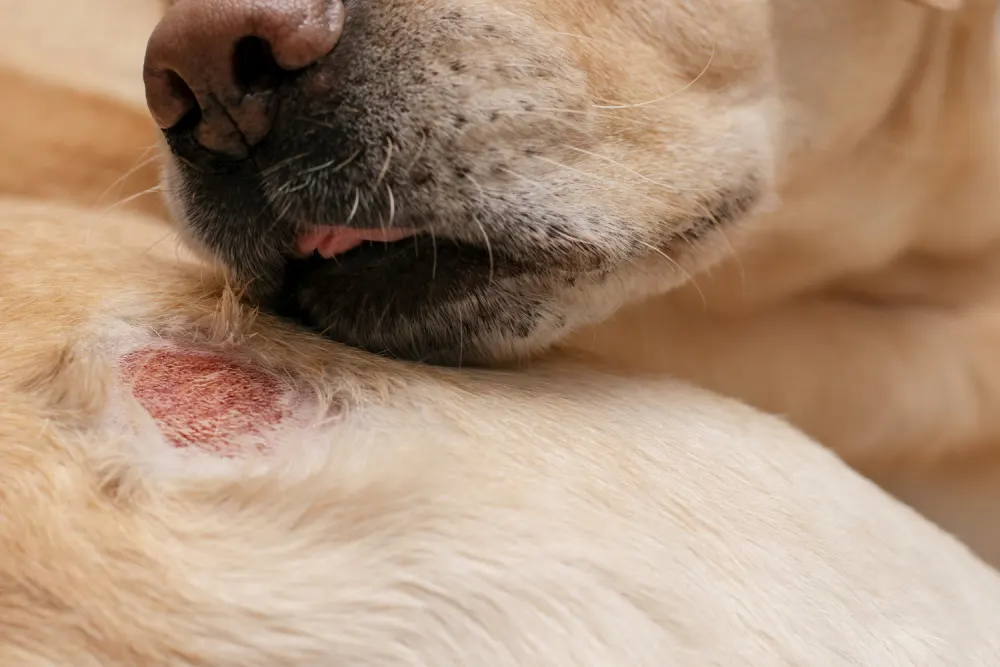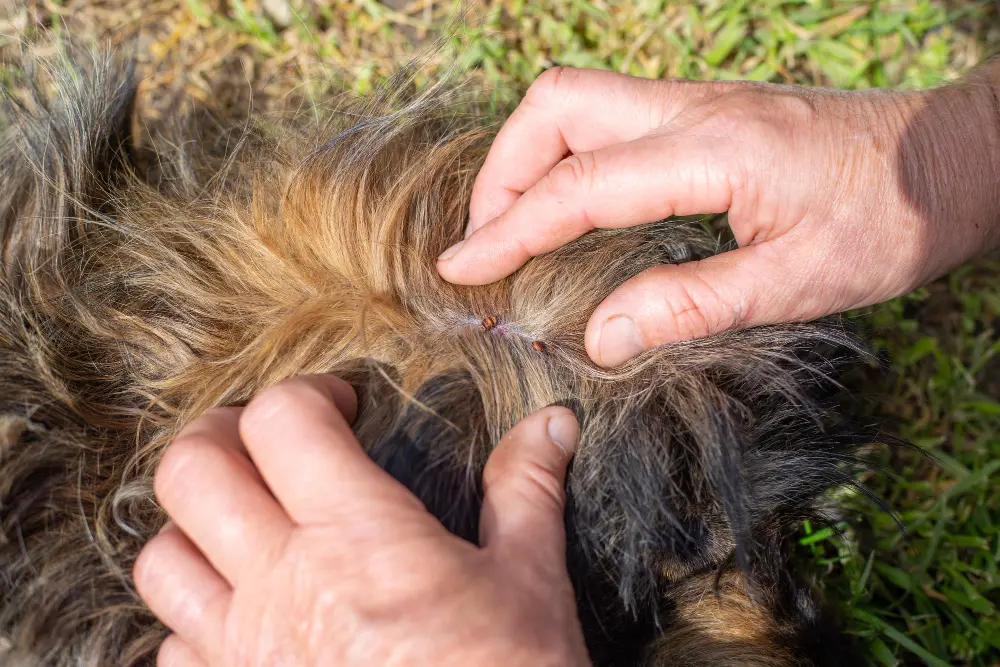

In many rescue and pet care situations across India, we come across dogs that seem slightly off. Low energy, a mild fever that comes and goes, or an unexplained limp that does not have an obvious cause. Sometimes, these subtle signs trace back to infections that are not easy to detect without targeted testing. Bartonella infection in dogs is one such condition. While not as commonly discussed as tick fever or parvovirus, it is a real and increasingly recognised bacterial illness that pet parents in India, where flea and tick exposure is a year-round concern for many dogs, should be aware of. The reassuring part is that when it is identified, bartonella infection in dogs is treatable, and most dogs respond well to appropriate care.
What is Bartonella Infection in Dogs?
Bartonella infection in dogs is caused by bacteria of the Bartonella genus, a group of small intracellular organisms that live inside the cells of their host. Several species of Bartonella have been identified in dogs, with Bartonella henselae, Bartonella vinsonii, and Bartonella clarridgeiae among the most commonly associated with canine disease. These bacteria are transmitted primarily through the bites of infected fleas, ticks, and sandflies, or through contact with infected flea faeces in skin wounds.
The bacteria infect the cells lining blood vessels and red blood cells, causing a range of effects that vary considerably from one dog to another. Some dogs carry Bartonella without showing obvious signs of illness. Others develop symptoms that can affect multiple body systems, including the heart, joints, eyes, and lymph nodes. This variability is one of the reasons bartonella infection in dogs is frequently missed or mistaken for other conditions.
In India, the connection between flea and tick populations and bartonella infection in dogs is particularly relevant. The warm climate supports year-round parasite activity, and many dogs, both pets and strays, carry significant flea or tick burdens that create ongoing exposure risk.
How Dogs Get Bartonella Infection
Understanding the transmission routes of bartonella infection in dogs helps identify which animals are most at risk and where prevention efforts matter most.
| Transmission Route | How It Occurs | Indian Context |
|---|---|---|
| Flea bites and flea faeces | Bartonella bacteria are shed in flea faeces and enter the dog’s bloodstream through skin scratches or bite wounds contaminated with flea dirt | Fleas are among the most common external parasites in Indian dogs and are present year-round in most urban and semi-urban environments |
| Tick bites | Certain tick species carry and transmit Bartonella when feeding on a host | Ticks are widespread across India with peak activity during and after the monsoon season, creating significant and consistent exposure risk |
| Sandfly bites | Sandflies are a known vector for certain Bartonella species in tropical and subtropical regions | Sandflies are present in many parts of India, particularly in rural and coastal areas |
| Bite wounds from infected animals | Direct blood contact through fighting wounds can transmit the bacteria | Relevant for stray dogs and outdoor dogs that interact with unknown animals |
Dogs that have significant flea or tick burdens, dogs with outdoor access, recently rescued street dogs, and dogs living in multi-pet households with inadequate parasite control are at the highest risk of bartonella exposure in the Indian context.
Symptoms of Bartonella Infection in Dogs
The symptoms of bartonella infection in dogs are one of its most challenging aspects. They can be vague, intermittent, and easy to attribute to other causes. Many dogs that test positive for Bartonella show no symptoms at all, while others develop significant multi-system illness. This wide spectrum is part of why the condition is often underdiagnosed.
Common symptoms that may indicate bartonella infection in dogs include:
- Persistent or recurring low-grade fever that does not resolve with standard treatment
- Unusual lethargy and reduced willingness to exercise or play, often described by pet parents as the dog just seeming “not quite right”
- Intermittent lameness or joint swelling, sometimes shifting between different legs
- Swollen lymph nodes, which may be felt as lumps under the jaw, in the armpits, or at the back of the hind legs
- Reduced appetite and gradual weight loss over weeks
- Eye inflammation, including redness, discharge, or cloudiness of the cornea
- Nosebleeds or abnormal bleeding that is difficult to explain
- Heart abnormalities, including arrhythmia or endocarditis, in more serious cases
- Neurological signs such as seizures or behavioural change in severe or chronic infections
Because so many of these symptoms can have other explanations, bartonella infection in dogs is often not the first thing considered. It tends to come into the diagnostic picture when a dog has persistent, unexplained symptoms that do not respond to initial treatment, or when a vet with experience in tick and flea-borne diseases considers it as part of a broader infectious disease workup.
Related Videos


Diagnosing Bartonella Infection in Dogs
Diagnosis of bartonella infection in dogs is genuinely challenging, and this is worth understanding so that pet parents have realistic expectations when pursuing a diagnosis for a dog with unexplained symptoms.
- PCR testing: Polymerase chain reaction testing on a blood sample is one of the most sensitive methods for detecting Bartonella DNA. However, because the bacteria are not always circulating in the bloodstream at detectable levels, a single negative PCR result does not definitively rule out infection. Repeated testing or testing of tissue samples may be needed
- Serology (antibody testing): Blood tests that detect antibodies against Bartonella can indicate past or current exposure. A positive result confirms the dog has been exposed, but does not always confirm active disease, as antibodies can persist after the infection has been cleared
- Complete blood count and biochemistry: Standard blood tests may reveal anaemia, low platelet count, elevated liver enzymes, or other abnormalities consistent with bartonella infection, though none of these are specific to the condition
- Bacterial culture: Growing Bartonella from a blood or tissue sample is the most definitive confirmation but is technically demanding, slow, and not routinely available at most veterinary laboratories in India
- Echocardiography: If heart involvement is suspected based on examination findings or clinical signs, an ultrasound of the heart may be recommended to assess for endocarditis
In practice, many vets in India will consider bartonella infection in dogs as part of a broader tick-borne disease panel when a dog has unexplained fever, shifting lameness, or other non-specific signs that do not resolve with initial treatment. Specialist veterinary facilities in larger Indian cities are increasingly able to offer PCR and serological testing for Bartonella.
Treatment of Bartonella Infection in Dogs
Treatment of bartonella infection in dogs requires a prolonged course of antibiotics, which is one of the distinguishing features of this condition compared to some other bacterial infections. Short courses of antibiotics are generally not sufficient to eliminate the bacteria, which live inside cells and can evade treatment if the course is not long enough.
- Doxycycline: The most commonly prescribed antibiotic for bartonella infection in dogs in India. It is given orally for a course that typically lasts four to six weeks, though some cases require longer treatment. Your vet will determine the appropriate duration based on the severity of clinical signs and the dog’s response to treatment
- Azithromycin: Used in some cases as an alternative or adjunct to doxycycline, particularly where cardiac or neurological involvement is present
- Rifampicin: Sometimes added to the treatment protocol in complex or resistant cases under specialist veterinary guidance
- Supportive care: Dogs with significant symptoms including anaemia, joint inflammation, or cardiac involvement may need additional supportive management alongside antibiotic therapy. This is guided by the specific clinical findings in each individual dog
It is important to complete the full antibiotic course as prescribed, even if the dog appears to improve before the course ends. Stopping treatment early is one of the most common reasons for incomplete clearance and potential relapse. Follow-up testing after treatment helps confirm whether the infection has been adequately managed.
Related Products



Prognosis and Recovery
The prognosis for bartonella infection in dogs depends on how early the condition was identified, which body systems are involved, and how well the dog responds to antibiotic treatment. Dogs with mild or moderate disease and no cardiac involvement generally do well and recover fully with appropriate treatment.
Dogs with bartonella-associated endocarditis, significant neurological signs, or those in which diagnosis was delayed have a more guarded outlook, as the damage to affected organs may not be fully reversible even after the bacteria are cleared. This is one of the strongest arguments for pursuing a diagnosis in dogs with persistent, unexplained symptoms rather than attributing them to vague causes indefinitely.
Some dogs may remain low-level carriers of Bartonella after treatment, with the potential for reactivation under conditions of stress or immune suppression. Ongoing parasite prevention and routine veterinary monitoring are therefore important even after clinical recovery.
Prevention of Bartonella Infection in Dogs
Because bartonella infection in dogs is transmitted primarily through fleas and ticks, effective and consistent parasite control is the most important preventive measure available to pet parents in India.
- Year-round flea and tick prevention: Use a vet-recommended product appropriate for your dog’s size and lifestyle. In India, the warm climate means flea and tick activity does not have a true seasonal break, making year-round prevention more relevant than a seasonal approach
- Regular tick checks: After every outdoor walk, check your dog carefully for ticks, paying attention to the ears, neck, between the toes, and around the tail. Remove any ticks promptly using a proper tick removal tool
- Environmental flea control: Treat the home environment as well as the dog, as flea eggs and larvae can accumulate in bedding, carpets, and furniture. A flea infestation in the environment can reinfect a treated dog repeatedly
- Flea dirt awareness: Flea faeces, which look like small dark specks on the coat, are a direct source of Bartonella transmission when they enter skin wounds or mucous membranes. Regular grooming and bathing help reduce flea burden and flea dirt on the coat
- Reducing exposure in high-risk areas: During peak tick season in India, particularly the monsoon and post-monsoon months, be extra vigilant when walking in grassy, wooded, or shrubby areas
- Routine veterinary check-ups: Regular health assessments allow early identification of parasite burdens, unexplained blood count changes, or early clinical signs that might indicate a vector-borne infection including bartonella
Can Humans Get Bartonella from Dogs?
Bartonella infection does carry a zoonotic risk, and this is worth understanding calmly and clearly without unnecessary alarm. Bartonella henselae is the species most associated with human illness, commonly known as cat scratch disease, though dogs can also carry and potentially transmit the bacteria.
Transmission to humans typically occurs through flea bites, contact with infected flea faeces in skin wounds, or scratches and bites from an infected animal. The risk from routine household contact with an infected dog is low for healthy adults. Individuals who are immunocompromised, including those on chemotherapy, people living with HIV, and those taking immunosuppressive medication, face a higher risk of significant illness if they do contract Bartonella and should discuss this with their doctor.
The most effective precautions are the same ones that protect your dog: consistent flea control reduces the flea population that serves as the transmission vector, and handwashing after handling your dog or dealing with ticks and fleas reduces direct exposure risk for household members.
When to See a Vet Without Delay
Contact your vet promptly if your dog shows any of the following:
- A fever that recurs or does not resolve despite initial treatment
- Persistent lethargy lasting more than a few days without a clear explanation
- Intermittent or shifting lameness that is not linked to a specific injury
- Visible swelling of the lymph nodes under the jaw, in the armpits, or behind the knees
- Nosebleeds, unusual bruising, or spontaneous bleeding
- Eye redness or cloudiness that develops alongside other systemic symptoms
- Any unexplained symptoms in a dog with known tick or flea exposure history
Bartonella infection in dogs is a condition that rewards careful observation and early veterinary attention. Many of its signs are subtle enough to be easy to dismiss, but in a dog with flea or tick exposure, persistent low-grade symptoms deserve proper investigation rather than a wait-and-see approach. With appropriate antibiotic treatment and consistent parasite control, most dogs with bartonella infection in dogs recover well and go on to live healthy, comfortable lives. Prevention, as always, remains the most powerful tool in your care routine.