
Chronic kidney disease in dogs is one of the more common conditions seen in older dogs and in rescued animals with unknown medical histories. It develops gradually, often over months or years, and because the kidneys have a considerable reserve capacity, noticeable symptoms frequently do not appear until a significant portion of kidney function has already been lost. That can feel daunting, but it is not a reason for despair. Many dogs with chronic kidney disease live comfortably for a long time with the right management, and understanding the condition is the first step towards giving a diagnosed dog the best possible quality of life. For pet parents in India managing senior dogs, rescued strays, or dogs with a history of infections or poor nutrition, knowing what to watch for and when to act makes a real difference.
What Is Chronic Kidney Disease in Dogs?
The kidneys perform several essential functions: filtering waste products from the blood, regulating fluid balance, controlling blood pressure, and producing hormones that stimulate red blood cell production. Chronic kidney disease in dogs, sometimes referred to as chronic renal failure or CKD, describes a progressive and irreversible reduction in the kidneys’ ability to perform these functions. Unlike acute kidney injury, which occurs suddenly and may be reversible, CKD develops slowly and cannot be cured. However, with appropriate management, its progression can be slowed and the dog’s quality of life preserved for a meaningful period of time.
Symptoms of Chronic Kidney Disease in Dogs
Because the kidneys compensate well in the early stages of disease, the symptoms of chronic kidney disease in dogs are often subtle at first and easy to attribute to ageing or other causes. Signs that warrant veterinary assessment include:
- Increased thirst and noticeably greater water consumption than usual
- Increased urination, often producing larger volumes of dilute, pale urine
- Gradual weight loss and muscle wasting over weeks or months
- Reduced appetite or selective eating, particularly a reluctance to eat protein-heavy foods
- Vomiting, particularly in the mornings or after eating, as waste products accumulate in the blood
- Lethargy and reduced interest in walks, play, or normal daily interactions
- A distinctive ammonia-like or unusually strong odour to the breath, caused by the build-up of urea in the bloodstream
- Mouth ulcers or a sore-looking mouth in more advanced cases
- Pale gums if anaemia has developed as a consequence of reduced kidney hormone production
It is worth noting that some dogs with chronic kidney disease in dogs remain relatively bright and continue eating reasonably well even as kidney values on blood tests indicate significant disease. The absence of dramatic symptoms does not mean the kidneys are functioning adequately, which is why blood and urine testing rather than observation alone is the reliable diagnostic tool.
Causes of Chronic Kidney Disease in Dogs
Chronic kidney disease in dogs develops from a range of causes, and in many cases the original trigger cannot be identified by the time the condition is diagnosed.
- Ageing: The most common predisposing factor. As dogs age, kidney tissue gradually loses its functional capacity, and many older dogs develop some degree of CKD simply as a consequence of the ageing process
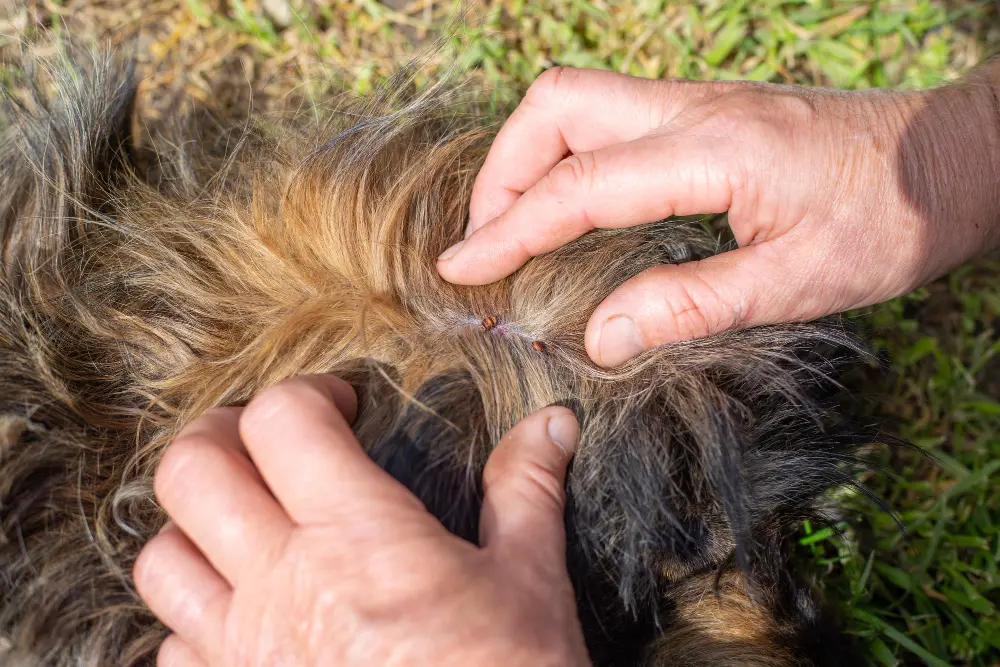
- Infections: Bacterial infections of the kidneys, known as pyelonephritis, and tick-borne diseases such as Ehrlichia and Leptospirosis cause kidney inflammation and damage that can progress to CKD if not treated fully and promptly. In India, tick-borne illness is a particularly significant and underappreciated contributor to kidney disease in dogs
- Toxin exposure: Certain medications given in excess, heavy metals, and toxins including some plants and human foods such as grapes and raisins cause kidney damage that may progress to chronic disease
- Chronic dehydration: Dogs with consistently poor water intake produce concentrated urine that places ongoing stress on the kidneys. In India’s warm climate, dogs without reliable access to fresh water are at higher risk
- Immune-mediated conditions: Some dogs develop immune system disorders that damage the kidney’s filtering membranes over time, leading to protein loss in the urine and progressive kidney decline
Related Videos



How Chronic Kidney Disease in Dogs Is Diagnosed
Diagnosis of chronic kidney disease in dogs is based on blood and urine testing, which together give the clearest picture of how well the kidneys are functioning.
| Diagnostic Test | What It Measures | Why It Matters |
|---|---|---|
| Blood urea nitrogen (BUN) | Level of urea in the blood, a waste product filtered by the kidneys | Elevated levels indicate reduced kidney filtration capacity |
| Creatinine | Muscle waste product cleared by the kidneys | A key marker for kidney function; rises as filtration capacity falls |
| SDMA | Symmetric dimethylarginine, a more sensitive early marker of kidney function | Detects CKD earlier than creatinine, sometimes before other symptoms appear |
| Urinalysis | Urine concentration, protein levels, presence of blood or infection | Dilute urine is an early sign of CKD; protein in urine indicates kidney damage |
| Blood pressure measurement | Systemic blood pressure | Hypertension is common in CKD and accelerates kidney damage if untreated |
| Ultrasound | Kidney size, shape, and structural changes | Small, irregular kidneys are consistent with chronic disease |
Stages of Chronic Kidney Disease in Dogs
The International Renal Interest Society (IRIS) staging system is widely used by veterinarians to classify the severity of chronic kidney disease in dogs based on creatinine levels and the presence of protein in the urine and high blood pressure. Stages run from 1 to 4, with Stage 1 representing early disease with minimal functional loss and Stage 4 representing severe dysfunction with significant clinical signs. Staging matters because treatment decisions, dietary recommendations, and the frequency of monitoring are all guided by which stage the dog is in at diagnosis and how the condition progresses over time.
Treatment and Management of Chronic Kidney Disease in Dogs
Chronic kidney disease in dogs cannot be cured, but its progression can be meaningfully slowed and the dog kept comfortable through a combination of dietary management, hydration support, and targeted medications.
- Renal diet: A diet specifically formulated for kidney disease, with reduced but high-quality protein, restricted phosphorus, and added omega-3 fatty acids, is the most evidence-supported dietary intervention for slowing CKD progression. Phosphorus restriction in particular reduces the rate of kidney damage. Commercial renal diets are available through veterinary clinics in India, and home-cooked renal diets can be formulated under veterinary nutritional guidance
- Hydration support: Keeping a CKD dog well hydrated is critical. Many dogs with CKD are chronically mildly dehydrated because their kidneys can no longer concentrate urine efficiently, meaning they lose more water than a healthy dog. Fresh water should always be available, wet food is preferable to dry where possible, and some dogs benefit from subcutaneous fluid therapy administered at home or at the clinic to maintain hydration
- Phosphate binders: Where dietary phosphorus restriction alone is insufficient to control blood phosphorus levels, phosphate-binding medications given with meals help reduce the amount of phosphorus absorbed from food
- Blood pressure medication: Hypertension is common in dogs with CKD and accelerates kidney damage. Where elevated blood pressure is confirmed, medication to bring it under control is an important part of slowing disease progression
- Anti-nausea medication: Dogs with CKD frequently experience nausea from the build-up of waste products in the blood. Anti-emetic medications improve appetite and quality of life significantly in dogs where nausea is a significant symptom
- Management of anaemia: Where kidney disease has reduced the production of erythropoietin, the hormone that stimulates red blood cell production, anaemia may develop. This can be managed with medications that stimulate red blood cell production or, in severe cases, with blood transfusions
Related Products

Home Care for Dogs with Chronic Kidney Disease
Day-to-day care at home is where the quality of life for a dog with chronic kidney disease in dogs is most directly shaped. Practical steps that make a real difference include:
- Offer water from multiple locations throughout the home and refresh it frequently. Some dogs with CKD prefer running water, and a pet water fountain can increase daily intake meaningfully
- Feed the prescribed renal diet consistently and avoid feeding table scraps, treats, or foods not approved by your vet. Even small amounts of high-phosphorus food can undermine the benefit of a carefully managed diet
- Monitor appetite daily. A dog with CKD that stops eating or significantly reduces its intake needs veterinary attention promptly, as appetite loss accelerates the decline in body condition
- Keep the dog’s environment comfortable, calm, and accessible. Dogs with CKD often experience fatigue and muscle weakness, and reducing the need to climb stairs or navigate difficult surfaces preserves their energy and comfort
- Track urination habits and note any reduction in urine output, which may indicate acute deterioration in kidney function and warrant urgent veterinary review
- Attend all scheduled follow-up appointments. Blood and urine monitoring every one to three months, depending on the stage of disease, is what allows your vet to adjust the management plan as the condition evolves
Prognosis: What to Expect
The prognosis for chronic kidney disease in dogs varies considerably depending on the stage at which it is diagnosed, the underlying cause, and how well the dog responds to management. Dogs diagnosed at Stage 1 or Stage 2 with good appetite and stable values can live comfortably for years with appropriate care. Dogs diagnosed at Stage 3 or Stage 4 have more limited prognosis, but even in these cases, thoughtful management can provide months of comfortable, dignified life. The goal of management is never simply to extend life at any cost, but to ensure that the time a dog has is spent feeling as well as possible, engaged with its family, and free from unnecessary discomfort.
When to See a Vet
Contact your vet promptly if a dog with known or suspected chronic kidney disease in dogs shows any of the following:
- A sudden reduction in appetite lasting more than 24 hours
- Vomiting more than once a day or vomiting that prevents the dog from keeping water down
- A noticeable reduction in urine output or straining to urinate
- Extreme lethargy, weakness, or an inability to stand
- Seizures or disorientation, which may indicate severely elevated waste products in the blood
Prevention of Chronic Kidney Disease in Dogs
Not all causes of chronic kidney disease in dogs are preventable, but several measures reduce the risk meaningfully:
- Ensure year-round access to fresh, clean water and prioritise hydration, particularly in India’s warm climate
- Use tick prevention consistently throughout the year, as tick-borne diseases are a significant and preventable contributor to kidney damage in Indian dogs
- Treat urinary and systemic infections promptly and completely, as untreated infections can cause kidney damage that progresses to CKD
- Schedule annual blood and urine checks for dogs over the age of seven, as early detection of CKD at Stage 1 or 2 gives far more management options than diagnosis at an advanced stage
- Avoid giving human medications, including common painkillers such as ibuprofen and paracetamol, which are toxic to the canine kidney
Chronic kidney disease in dogs is a condition that calls for patience, consistency, and a willingness to adapt daily routines around what the dog needs. It is not a quick fix, and it does require ongoing veterinary partnership. But for the many pet parents in India who are already providing attentive, loving care to their dogs, adding the specific adjustments that support a CKD diagnosis is entirely achievable. The dogs that do best are those whose owners caught the signs early, engaged their vet promptly, and committed to the long-term management that keeps chronic kidney disease in dogs from defining their dog’s life.