

When a dog bleeds longer than expected from a minor cut, develops unexplained bruising, or haemorrhages severely during routine surgery, an inherited clotting disorder may be the reason. These are genetic conditions, present from birth, in which specific proteins required for normal blood coagulation are absent or functionally deficient. Unlike acquired bleeding disorders triggered by illness or toxin exposure, inherited clotting deficiencies cannot be prevented or cured. They can, however, be diagnosed accurately, managed responsibly, and lived with, often very well, when the condition is understood and the environment is adapted accordingly.
What is a Clotting Deficiency in Dogs?
Normal blood clotting is a multi-step cascade. When a blood vessel is injured, platelets arrive first to form an initial plug, followed by a sequential activation of clotting factors, plasma proteins numbered I through XIII, that reinforce and stabilise the clot. Each factor activates the next in the sequence; a deficiency at any point in the chain disrupts the entire process.
In inherited clotting disorders, the deficiency is encoded in the dog’s DNA. Either the gene responsible for producing a specific clotting factor carries a mutation that reduces or eliminates that factor’s activity, or the gene is entirely non-functional. The result is a dog whose blood can begin to clot but cannot complete the process normally, leading to prolonged bleeding from injuries that a healthy dog would seal quickly, and in some cases, spontaneous haemorrhage into joints, muscles, or body cavities without any obvious trauma.
Types of Inherited Clotting Disorders in Dogs
Haemophilia A, deficiency of clotting Factor VIII. The most common inherited bleeding disorder in dogs. It is X-linked, meaning it is carried on the X chromosome and primarily affects males (who have one X chromosome and therefore no backup). Females can be carriers without showing clinical signs. Doberman Pinschers, German Shepherds, and mixed-breed dogs are all represented in case literature.
Haemophilia B, deficiency of clotting Factor IX, is also X-linked and clinically similar to Haemophilia A. Less common than Haemophilia A but equally serious in severe presentations. Certain breeds, such as Cairn Terriers, Black and Tan Coonhounds, and Labrador Retrievers, have documented breed lines.
Von Willebrand Disease (vWD), deficiency of von Willebrand factor (vWF), a protein that facilitates platelet adhesion at injury sites and also stabilises Factor VIII. The most common inherited bleeding disorder across all canine breeds. Three types exist: Type I (partial deficiency, usually mild), Type II (structural dysfunction, moderate to severe), and Type III (complete absence, severe). Doberman Pinschers have a very high prevalence of Type I vWD; Scottish Terriers and Chesapeake Bay Retrievers are prone to Type III.
Factor VII deficiency is less severe than haemophilia in most cases; Beagles and certain other breeds carry documented mutations. Often identified incidentally on pre-surgical clotting panels.
Symptoms of Clotting Deficiency in Dogs
Symptoms vary in severity depending on the specific disorder and whether the deficiency is partial or complete. Mild deficiencies may only become apparent during surgery or significant trauma. Severe deficiencies can produce spontaneous, life-threatening haemorrhage.
Common Clinical Signs
- Prolonged bleeding from minor cuts, nail trims, or bite wounds, bleeding that continues well beyond what the injury warrants
- Nosebleeds (epistaxis), spontaneous or disproportionate to minor nasal trauma
- Bruising or haematoma formation, particularly on the limbs or under the skin, following mild contact
- Blood in urine (haematuria), pink or red-tinged urine without urinary tract infection
- Blood in stool, dark, tarry, or visibly bloody faeces, indicating GI bleeding
- Joint swelling and lameness, haemarthrosis (bleeding into joint spaces) is particularly associated with haemophilia A and B; the joint becomes swollen, painful, and warm
- Excessive post-surgical or post-dental bleeding is often the first presentation in dogs with previously undiagnosed mild disorders
- Signs of internal haemorrhage, sudden weakness, abdominal distension, pale gums, or collapse without obvious external blood loss
It is worth noting that acid-base disturbances can accompany severe haemorrhage; in dogs experiencing significant blood loss, metabolic acidosis may develop rapidly. Excess acidity in the blood in dogs is a secondary complication that further details this condition.
Related Videos


Causes of Inherited Clotting Deficiency
Inherited clotting disorders result from spontaneous or heritable genetic mutations that affect the synthesis of clotting factors. The defect is present from birth, encoded in the dog’s DNA, and cannot be acquired through environment or lifestyle. However, the severity of clinical signs depends on whether the dog inherits one mutated copy of the gene (carrier, often subclinical) or two (fully affected, clinically significant).
Breed-associated risk is well-documented for several disorders, including Doberman Pinschers and von Willebrand disease (vWD) Type I, Scottish Terriers and vWD Type III, German Shepherds and Haemophilia A, and Beagles and Factor VII deficiency. This does not mean that these breeds will inevitably develop clinical disease; many carriers are subclinical; however, it does mean that pre-surgical screening is particularly important in these populations.
In rescue and mixed-breed dogs, inherited clotting disorders are often identified incidentally, during routine pre-anaesthetic screening or when a minor wound bleeds unexpectedly. This is one of several reasons why pre-surgical blood panels, including basic coagulation assessment, are standard practice in responsible veterinary care.
Diagnosing Clotting Disorders in Dogs
Accurate diagnosis requires a structured approach that first confirms abnormal clotting, then identifies the specific deficiency.
Prothrombin time (PT) and activated partial thromboplastin time (aPTT), screening tests that assess the extrinsic and intrinsic clotting pathways, respectively. Haemophilia A and B prolong the aPTT; Factor VII deficiency prolongs the PT; vWD may show normal or mildly abnormal results on these screens, depending on the severity.
A platelet count rules out thrombocytopenia as an alternative cause of bleeding; it is typically normal in inherited factor deficiencies.
Von Willebrand factor antigen assay (vWF: Ag) quantifies von Willebrand factor (vWF) levels in plasma; it is the definitive test for diagnosing and classifying von Willebrand disease (vWD).
Specific clotting factor assays, which confirmatory tests measure the activity of individual factors (e.g., VIII, IX, VII), are essential for the definitive diagnosis of haemophilia.
Buccal mucosal bleeding time (BMBT) is a simple in-clinic test that assesses primary haemostasis (platelet plug formation); it is usually normal in haemophilia but may be prolonged in vWD.
Genetic testing, now available for several disorders in specific breeds, provides carrier detection, confirms diagnosis, and informs breeding decisions.
Treatment and Management
Inherited clotting deficiencies are managed, not cured. The goal is to reduce haemorrhage risk, manage bleeding episodes when they occur, and maintain quality of life.
Fresh frozen plasma (FFP) transfusion replaces the deficient clotting factor, serving as the primary treatment for acute haemorrhagic episodes in haemophilia. The effect is temporary (hours to days) as transfused factors degrade, so ongoing management between episodes is equally important.
Cryoprecipitate, a blood product concentrated in vWF and Factor VIII, is particularly useful in vWD and Haemophilia A, where higher factor concentrations are needed.
Desmopressin (DDAVP) is a synthetic hormone that stimulates the release of stored vWF from endothelial cells; it is useful in mild to moderate vWD Type I for managing minor bleeding or pre-surgical prophylaxis; effective in Types II or III.
Avoiding haemostasis-impairing drugs, NSAIDs (including aspirin), certain antibiotics, and some anaesthetic agents that impair platelet function or clotting factor activity is crucial. These agents should be avoided or used with extreme caution in dogs with known coagulopathies.
Blood transfusion for acute severe anaemia resulting from haemorrhagic episodes; packed red cells restore the oxygen-carrying capacity, while specific product transfusions address the clotting deficiency.
Long-Term Care and Monitoring
Dogs with inherited clotting disorders can live full, comfortable lives with appropriate management. The practical framework includes:
- Informing all veterinarians, including emergency clinics, of the diagnosis before any procedure, including dental cleaning
- Pre-surgical administration of FFP or DDAVP (as appropriate to disorder type) to reduce intraoperative haemorrhage risk
- Monitoring for joint disease in dogs with haemophilia, where repeated haemarthrosis can cause chronic inflammation and degenerative changes over time
- Serial assessment of haematocrit and overall health in dogs with frequent haemorrhagic episodes
- Keeping the emergency contact for the nearest blood bank or veterinary hospital accessible
Preventing Injury in Dogs with Bleeding Disorders
Environmental management significantly reduces the frequency and severity of bleeding episodes:
- Supervised play, avoid rough contact with other dogs, particularly large or boisterous animals; monitor play sessions and end them before fatigue increases injury risk
- Safe, padded resting surfaces reduce incidental bruising from hard floors
- Nail maintenance: keep nails trimmed short and regularly to reduce accidental tearing; use proper tools and have styptic powder available
- Avoid off-leash access to rough terrain, rocks, dense undergrowth, or construction areas, as they increase the risk of minor trauma risk
- Careful grooming, use blunt-tipped scissors, check for skin irritation regularly, and address any wounds, however minor, promptly
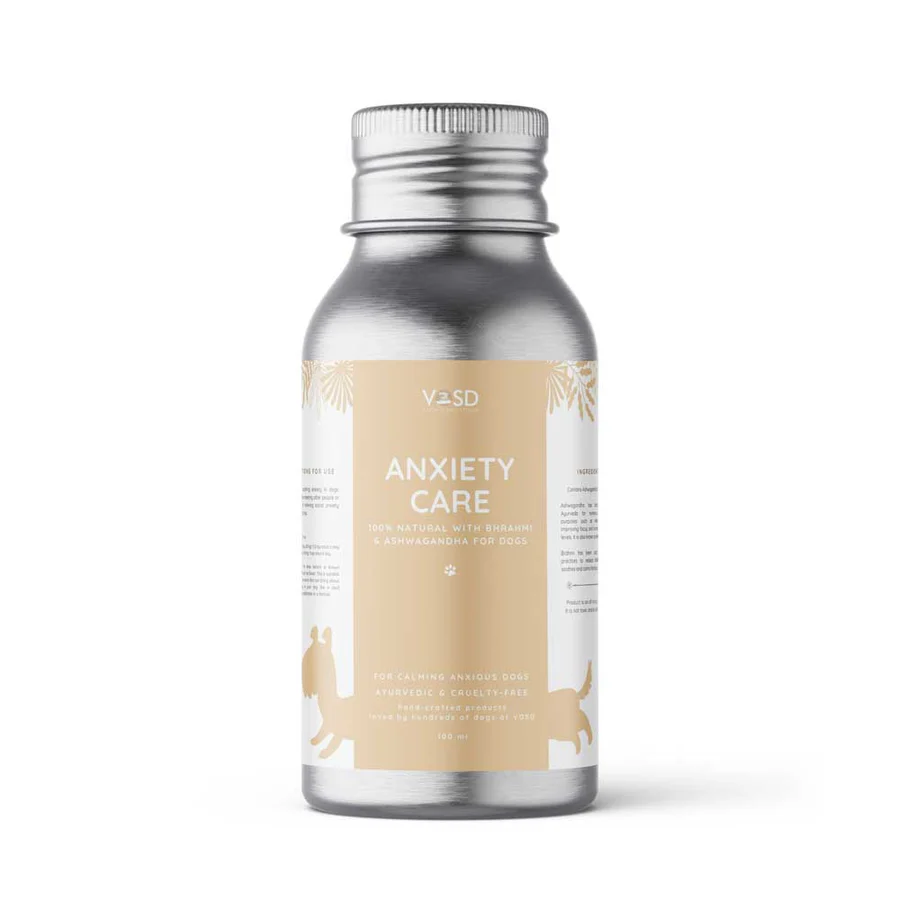
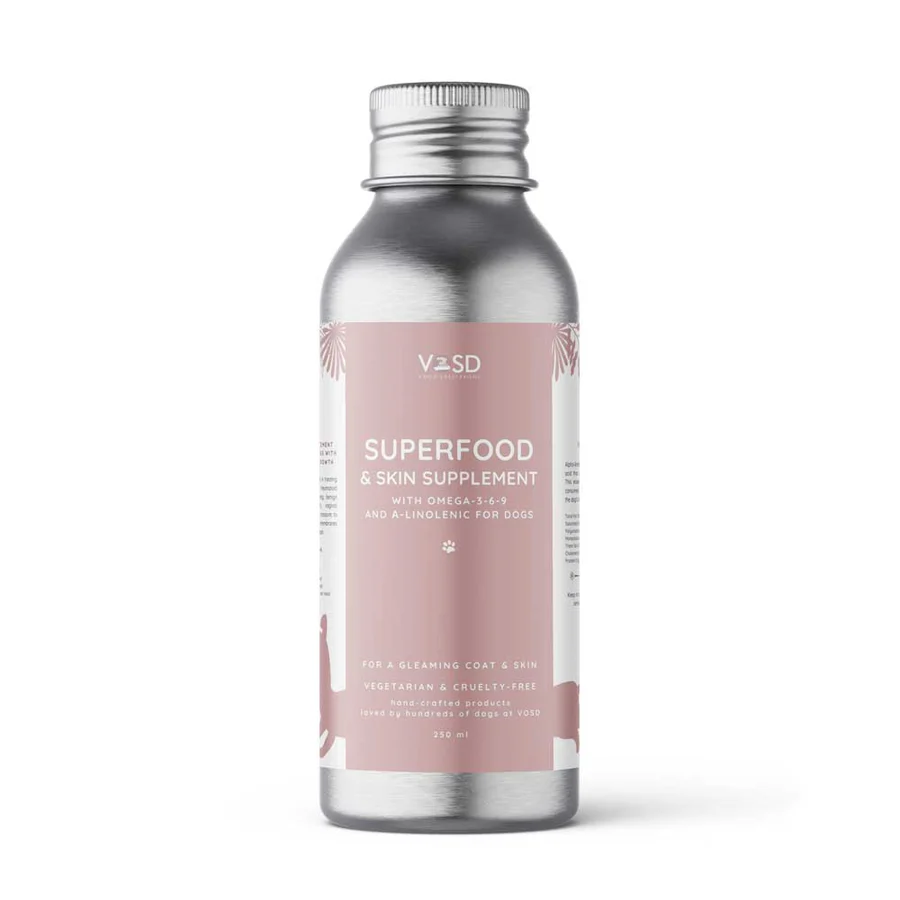
For dog healthcare essentials that support overall physical well-being in dogs with managed chronic conditions, the VOSD healthcare range includes vet-aligned options worth discussing with your veterinarian.
Related Products

When to Seek Emergency Veterinary Care
Go to a veterinarian immediately if your dog with a known clotting disorder shows bleeding that does not slow within 5–10 minutes of gentle pressure, develops a rapidly swelling limb or joint, shows blood in urine or stool, collapses or becomes acutely weak, or has been involved in any accident, even one that appears minor. Internal haemorrhage from blunt trauma in a dog with a clotting deficiency can be severe. Do not wait to see if it resolves.
Conclusion
An inherited clotting deficiency is a lifelong condition, but it is not a sentence to a diminished life. Dogs with haemophilia, Von Willebrand disease, and other factor deficiencies live well when their condition is accurately diagnosed, their environment is thoughtfully managed, and their veterinary team is fully informed. The earlier the diagnosis is made, ideally before the first surgical or traumatic event reveals the problem, the more seamlessly management can be integrated into daily care. Know the signs, communicate with your veterinarian, and provide your dog with the structured safety net they need.















