
Feeling cold is not hypothermia. Hypothermia is what happens when a dog’s body temperature drops to a point where normal physiological function begins to fail.
It is not just discomfort. It is a cascade of organ-level consequences that, in severe cases, leads to cardiac arrest, coma, and death. And it can develop faster than most owners expect, particularly in wet, small, or medically compromised dogs.
Knowing how to recognise hypothermia, what to do immediately, and when to get to a veterinarian is knowledge that can directly save a dog’s life.
What Happens in Hypothermia
A dog’s body maintains its core temperature through metabolic heat production. When heat loss to the environment exceeds the body’s ability to generate warmth, core temperature begins to drop.
As the temperature falls, every major body system slows down. The heart rate decreases. Breathing becomes slower and shallower. Blood is redirected away from the extremities toward the core in an attempt to protect vital organs, causing the paws, ears, and tail to become cold first. As cooling continues, blood flow to the core organs themselves becomes inadequate. The heart develops arrhythmias. The brain begins to malfunction. Without intervention, the cascade ends in cardiac arrest.
The dangerous aspect of this progression is that it accelerates. A dog that is shivering and lethargic can deteriorate to collapse within a short period if the underlying cold exposure is not corrected.
Symptoms of Hypothermia in Dogs
Symptoms follow a recognisable progression from mild to life-threatening. Understanding which stage a dog is in determines the urgency of the response.
Mild hypothermia produces shivering, which is the body’s active attempt to generate heat through muscle activity. The ears, paws, and tail feel cold to the touch. The dog appears lethargic and may seek warmth actively.
Moderate hypothermia progresses to muscle weakness and stiffness. The dog moves slowly and with difficulty. Breathing slows noticeably. The heart rate drops. The dog may appear confused or mentally dull, responding slowly to stimulation.
Severe hypothermia produces a critically important and frequently misread sign: shivering stops. This is not an improvement. It means the body has exhausted its ability to generate heat through shivering. At this stage, the dog is at immediate risk of cardiovascular collapse. The gums may appear pale, blue, or grey. The dog may be unresponsive or unconscious.
The cessation of shivering in a cold-exposed dog that was previously shivering is a sign of dangerous deterioration, not recovery. It requires emergency veterinary care without any delay.
Causes of Hypothermia in Dogs
Environmental Causes
Cold weather exposure is the most obvious cause, but temperature alone does not determine risk. The combination of cold and wet is significantly more dangerous than cold alone. Water conducts heat away from the body many times faster than air. A dog that falls into cold water, is caught in heavy rain, or is thoroughly wet in a cold environment can develop hypothermia in a fraction of the time it would take from air exposure alone.
Prolonged outdoor exposure without adequate shelter, even in temperatures that seem moderate, can cause hypothermia in vulnerable dogs if conditions are damp and windy.
Physical Risk Factors
Small body size and low body fat reduce a dog’s ability to retain heat. Small breeds and lean dogs lose heat faster relative to their body mass than large or heavier dogs. Toy breeds, greyhounds, whippets, and similar lean-bodied dogs are at significantly elevated risk in cold conditions.
Short or sparse coats provide less insulation than thick double coats. Short-haired breeds, particularly small ones, are far more susceptible to cold than northern breeds with dense fur.
Puppies and elderly dogs have less effective temperature regulation than healthy adult dogs and become hypothermic faster under the same conditions.
Medical Risk Factors
Several underlying health conditions impair a dog’s ability to maintain body temperature.
Hypothyroidism reduces metabolic rate, directly impairing heat production. Heart disease reduces circulation efficiency, affecting heat distribution. Kidney disease and diabetes affect metabolic and circulatory function. Anaemia reduces oxygen-carrying capacity, impairing the metabolic processes that generate heat. Any dog with a significant underlying medical condition is at an elevated risk of hypothermia in conditions that a healthy dog would tolerate without difficulty.
Anaesthetic recovery is a specific clinical context for hypothermia. Dogs lose body heat during surgery and anaesthesia, and veterinary facilities actively manage this with warming devices during and after procedures.
Related Videos


Immediate First Aid for Hypothermia
This section contains actionable steps. Follow them in order. Do not delay.
Move the dog to a warm environment immediately. Get the dog out of the cold, wet, or windy conditions causing heat loss. Even moving indoors to room temperature stops ongoing heat loss and allows the warming process to begin.
Dry the dog thoroughly if wet. Wet fur actively conducts heat away from the body. Use towels to dry the coat as completely as possible. This is one of the most important immediate steps for a wet hypothermic dog.
Wrap in warm blankets or towels. Cover the dog completely, including the head, if the dog is unconscious, leaving the face clear for breathing. Warming from outside the body helps retain the heat that the dog’s metabolism is generating and supplements it.
Use a warm, not hot, heat source applied indirectly. A warm water bottle wrapped in a towel, or a heating pad set to low and placed under a blanket rather than in direct contact with the skin, provides gentle supplementary warmth. Direct contact with hot surfaces causes burns to skin that is already compromised by poor circulation.
Do not use direct heat. Heating pads applied directly to the skin, hot water, or placing the dog directly in front of a radiator risks burns and can cause dangerous, rapid shifts in blood flow. Warming must be gradual.
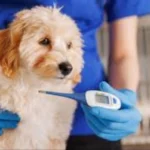
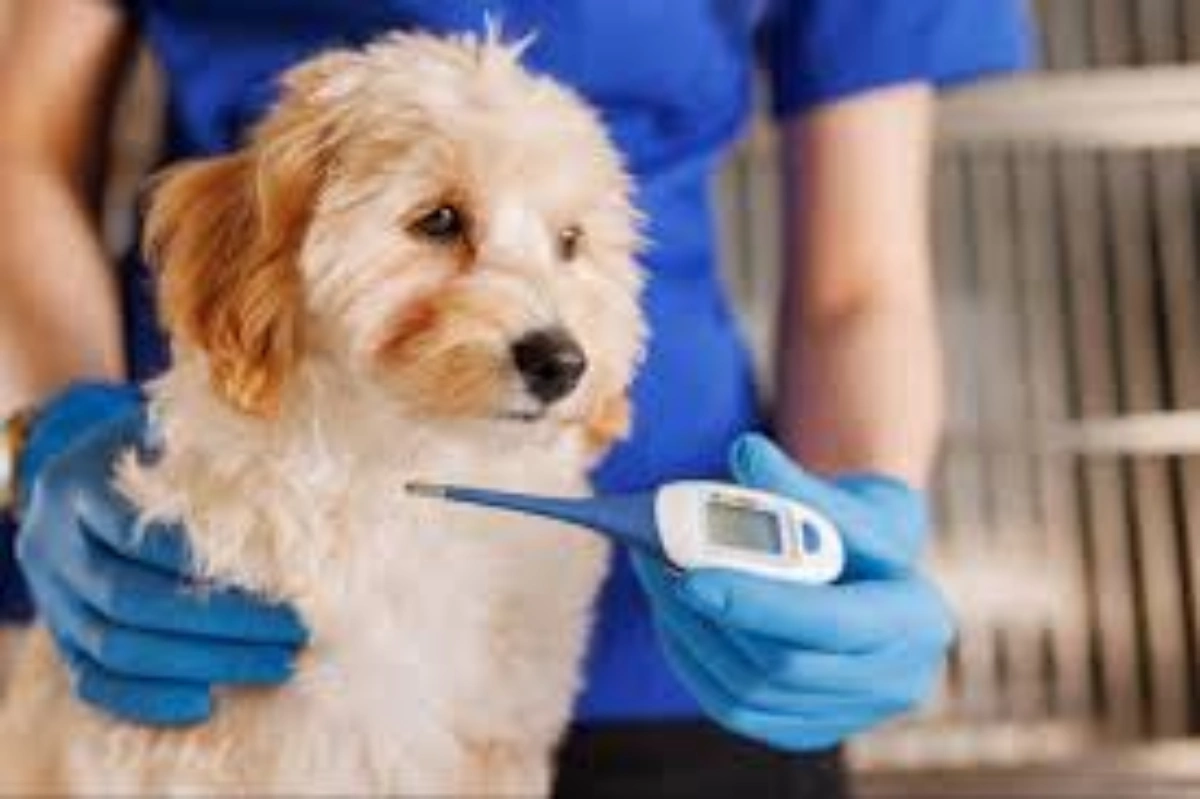
Monitor body temperature every ten minutes if you have a thermometer. A dog’s normal temperature is between 38 and 39.2 degrees Celsius (100.4 to 102.5 degrees Fahrenheit). Hypothermia begins below 37 degrees Celsius (98.6 degrees Fahrenheit). If the temperature is below 35 degrees Celsius (95 degrees Fahrenheit) and not rising, or if the dog is unconscious or not shivering, emergency veterinary care is required immediately.
Do not offer food or water to a dog that is significantly hypothermic and not fully conscious. Swallowing is compromised, and aspiration is a risk.
Transport to a veterinary facility if the dog does not begin to improve within fifteen to twenty minutes of warming, if the temperature is critically low, if the dog is unconscious or collapsed, or if you have any doubt about the dog’s condition. Call ahead so the clinic can prepare.
How Veterinarians Diagnose Hypothermia
Diagnosis is clinical and straightforward. Rectal temperature measurement confirms the diagnosis and determines severity. Clinical examination assesses heart rate, respiratory rate, blood pressure, and the dog’s level of consciousness.
Blood tests evaluate glucose levels, which drop in hypothermia as metabolic reserves are depleted, kidney and liver function, electrolyte balance, and clotting status. An electrocardiogram monitors for cardiac arrhythmias, which are common in moderate to severe hypothermia.
The diagnosis itself is rapid. The investigation runs in parallel with treatment because stabilisation cannot wait for results.
Treatment of Hypothermia in Dogs
| Severity | Treatment Approach |
|---|---|
| Mild | Passive warming with blankets, dry environment, monitoring |
| Moderate | External heat sources, warm intravenous fluids, close monitoring |
| Severe | Warm IV fluids, oxygen, cardiac monitoring, intensive care |
Passive warming for mild cases involves removing the dog from the cold environment, drying thoroughly, wrapping in blankets, and monitoring temperature. Many mild cases resolve with these measures alone if started promptly.
Active external warming for moderate cases uses warm water bottles, heated blankets, and warm fluid administration to accelerate the return to normal temperature. Warming must be gradual. Rapid rewarming causes peripheral blood vessels to dilate suddenly, dropping blood pressure and potentially causing rewarming shock.
Internal warming and intensive support for severe cases includes warm intravenous fluids administered directly into the circulation, oxygen supplementation, cardiac monitoring and management of arrhythmias, blood glucose support, and continuous monitoring of all vital parameters. Severely hypothermic dogs require ICU-level care.
Throughout treatment, temperature is monitored regularly. Warming is continued until the dog reaches and maintains a normal body temperature independently. The underlying cause is addressed concurrently, whether that is drying the dog, treating an underlying medical condition, or managing post-anaesthetic heat loss.
Related Products

Prognosis and Recovery
Prognosis depends directly on the severity of hypothermia and how quickly treatment is initiated.
Mild hypothermia treated promptly carries a good prognosis. Most dogs recover fully within hours of appropriate warming and supportive care.
Moderate hypothermia with prompt veterinary treatment carries a guarded but often positive prognosis. Recovery may take longer and requires monitoring for secondary complications.
Severe hypothermia, particularly with cardiac arrhythmias, unconsciousness, or significantly prolonged exposure, carries a poor prognosis. Even with maximum intervention, some dogs do not survive. Those who do may require extended recovery and monitoring for organ complications.
The consistent pattern is this: the earlier the hypothermia is recognised and addressed, the better the outcome. Every stage of treatment delay allows the temperature to drop further and the physiological cascade to advance.
Complications of Untreated Hypothermia
When hypothermia is not recognised or not treated effectively, serious complications develop across multiple organ systems.
Cardiac arrhythmias are among the most dangerous complications. The cold heart develops abnormal electrical rhythms that reduce its pumping efficiency and can precipitate ventricular fibrillation, an immediately life-threatening arrhythmia.
Respiratory failure develops as breathing slows and becomes increasingly ineffective. The combination of reduced oxygen delivery and impaired respiratory drive creates progressive hypoxia.
Acute kidney injury results from prolonged reduced blood flow to the kidneys. This can persist beyond the acute hypothermic episode, requiring ongoing management.
Coagulopathy occurs because the clotting cascade is temperature-dependent. A hypothermic dog cannot clot normally, increasing the risk of internal bleeding.
Immune suppression is a well-documented effect of hypothermia that increases susceptibility to secondary infection during and after the hypothermic episode.
Death from cardiac arrest or multi-organ failure is the endpoint of severe untreated hypothermia.
Preventing Hypothermia in Dogs
Prevention is practical and largely within an owner’s direct control.
Limit cold weather exposure for vulnerable dogs. Small breeds, elderly dogs, dogs with medical conditions, and short-coated breeds should not be left in cold outdoor environments for extended periods, particularly in wet or windy conditions.
Dry the dog promptly after any water exposure. Whether from swimming, rain, or bathing, a wet dog in a cool environment loses heat rapidly. Towel dry thoroughly and keep the dog in a warm space until fully dry.
Use jackets or coats for small, lean, or short-coated breeds in cold conditions. A well-fitted dog jacket significantly reduces heat loss in breeds that have limited natural insulation.
Provide warm, insulated shelter. Dogs kept outdoors need shelters that are elevated off the ground, draught-free, and sized appropriately. A shelter that is too large does not retain the dog’s body heat effectively.
Avoid cold surfaces. Concrete and tile floors conduct heat away from a resting dog. Providing a raised bed or insulating mat reduces continuous passive heat loss, particularly important for elderly dogs or those recovering from illness.
Know your individual dog’s risk. A Siberian Husky and a Chihuahua have fundamentally different cold tolerances. Manage exposure based on your specific dog’s breed, size, coat, age, and health status rather than general assumptions about what dogs can handle.
Helping Dogs Stay Safe
Hypothermia is preventable in the vast majority of cases. It becomes dangerous when it is not recognised early or when first aid is delayed.
VOSD cares for over 1,800 rescued dogs, many of whom have survived the most extreme conditions imaginable. Warmth, shelter, and timely care are not luxuries for dogs. They are the basics of survival.
If your dog has been exposed to cold and is showing signs of hypothermia, act immediately. Warm, dry, monitor, and if in any doubt, go to a veterinarian. Speed of response is everything in this condition.