

In the early stages, the signs can be easy to miss. A dog with peritonitis may simply seem quieter than usual, eat less, or seem a little uncomfortable when lying down. These small changes are often the first indicators that something is happening inside the abdomen that needs attention. Dog peritonitis, which refers to inflammation or infection of the peritoneum, the lining that surrounds the abdominal organs, is a condition where recognising the early signs and acting without delay genuinely matters. Dogs that receive timely veterinary care tend to recover far better than those where treatment is put off.
What is Dog Peritonitis?
The peritoneum is a thin tissue lining that covers the inside of the abdominal cavity and the surfaces of the organs within it. When this lining becomes inflamed or infected, the condition is called peritonitis. Think of it as the environment inside the abdomen becoming hostile, irritated or infected tissue surrounding the organs makes it difficult for the body to function normally, and the inflammation tends to worsen over time rather than resolve on its own.
Dog peritonitis is a serious condition, but it is also a treatable one when identified early. The key is understanding what can cause it, what the signs look like, and what to do when you notice something is not right with your dog.
Types of Dog Peritonitis
Peritonitis in dogs is broadly categorised into two types, and understanding the difference helps clarify why some cases are more complex than others:
| Type | What It Means | Common Causes |
|---|---|---|
| Septic peritonitis | Inflammation caused by bacterial infection inside the abdomen | Intestinal rupture, perforated ulcer, leaking wound, organ perforation |
| Non-septic peritonitis | Inflammation without active bacterial infection | Bile leakage, urine leakage, sterile foreign material, post-surgical irritation |
Septic peritonitis tends to progress more rapidly and carries a higher risk of serious complications because bacteria multiply quickly in the warm environment of the abdominal cavity. Non-septic forms can also be severe but may allow slightly more time for diagnosis and preparation before surgery.
Symptoms of Dog Peritonitis
The symptoms of dog peritonitis vary depending on the cause and how long the condition has been developing. Early signs are often subtle, which is one of the reasons this condition can go unrecognised until it has progressed.
- Abdominal pain, which may show as a visibly tense or rigid belly, a hunched posture, reluctance to be touched around the abdomen, or a dog that keeps shifting position without settling
- Repeated vomiting that does not improve with basic care
- Complete or significant loss of appetite
- Lethargy and a notable reduction in normal activity and engagement
- Fever, which may only be identified through a veterinary examination
- Signs of dehydration such as dry or sticky gums, reduced skin elasticity, or sunken eyes
- A progressively swollen or distended abdomen as fluid accumulates
- Weakness or, in advanced cases, an inability to stand or walk steadily
No single symptom on its own confirms peritonitis. It is the combination of abdominal discomfort, persistent vomiting, and reduced appetite, particularly when these do not improve or worsen over a short period — that should prompt a veterinary assessment.
How Symptoms of Dog Peritonitis May Progress
One of the challenges with dog peritonitis is that the early presentation can resemble a straightforward digestive upset. A dog that vomits once and seems quieter than usual does not necessarily suggest something as serious as peritonitis. The key is to watch for progression rather than isolated incidents.
- In the early stage, a dog may seem mildly off, eating less, sleeping more, occasionally uncomfortable
- Over the following hours to days, vomiting becomes more persistent, abdominal discomfort becomes more visible, and the dog’s overall condition declines
- In advanced cases, the abdomen may appear visibly swollen, the dog may develop a fever, and weakness or collapse can occur
The speed of progression depends significantly on the underlying cause. Septic peritonitis caused by a ruptured intestine, for example, can worsen within hours. A milder non-septic form may progress more gradually. Either way, a dog that is getting worse rather than better over twelve to twenty-four hours needs veterinary assessment without further delay.
Causes of Dog Peritonitis
Dog peritonitis develops when something introduces bacteria, irritants, or foreign material into the abdominal cavity, triggering inflammation. There are several known causes:
- Organ rupture or perforation: A ruptured intestine, perforated stomach ulcer, or ruptured gallbladder allows digestive contents or bile to spill into the abdominal cavity. This is one of the most common pathways to peritonitis in dogs and can result from disease progression, foreign body ingestion, or trauma.
- Foreign body perforation: Dogs that swallow sharp objects such as bones, sticks, wire, or small toys may sustain perforations of the intestinal wall as the object moves through the digestive tract. This is unfortunately not uncommon, particularly in dogs with unsupervised outdoor access or in scavenging dogs in Indian urban environments.
- Trauma: Road accidents, falls, and blunt abdominal injuries can damage internal organs and cause leakage of digestive or urinary contents into the abdominal cavity. Street dogs and dogs with outdoor access are at particular risk in India, and any dog involved in an accident should be assessed by a vet even if they appear physically uninjured on the outside.
- Post-surgical complications: In rare cases, a leak at a surgical join in the intestine or other abdominal structure following an operation can introduce bacteria into the abdominal cavity. Veterinary teams monitor for this carefully after relevant procedures.
- Severe infections: Certain bacterial infections, particularly those affecting the prostate in male dogs or the uterus in unspayed females such as pyometra, can progress to peritonitis if the infected organ ruptures or leaks.
- Bile or urine leakage: As discussed in relation to bile peritonitis, leakage from the gallbladder or bile ducts into the abdominal cavity causes significant irritation and inflammation. Similarly, a ruptured bladder causes urine to accumulate in the abdomen, leading to non-septic peritonitis.
In rescue dogs or dogs that have experienced delayed veterinary care due to circumstances, dog peritonitis may sometimes present at a more advanced stage than in pets with regular access to veterinary support. This is not a reflection of neglect by those caring for the dog, many of these cases develop from conditions or injuries that were not immediately visible.
Related Videos


When Should You Seek Immediate Help?
Dog peritonitis is not a condition to monitor at home for extended periods once the signs become clear. Contact your vet the same day or seek emergency veterinary care if your dog shows any of the following:
- The abdomen appears visibly swollen, distended, or feels rigid when gently touched
- Your dog is showing obvious signs of pain around the belly area
- Vomiting is persistent and not settling
- Your dog has a fever alongside abdominal symptoms
- Your dog collapses, cannot stand steadily, or seems extremely weak
- A recent accident or known ingestion of a sharp object has occurred
- Your dog is an unspayed female showing abdominal symptoms alongside vaginal discharge
When you contact the clinic, describe the symptoms clearly and mention any relevant history such as recent accidents, known foreign body ingestion, or recent surgery. This helps the veterinary team prepare to assess your dog as quickly and effectively as possible.
Diagnosis: How Vets Confirm Dog Peritonitis
Diagnosing peritonitis in dogs involves a combination of physical assessment and targeted investigations. The process typically follows these steps:
- Physical examination: Your vet will carefully palpate the abdomen to assess tenderness, rigidity, and distension. They will also check the gums, assess hydration, and measure temperature and vital signs. A dog with peritonitis often reacts visibly to abdominal palpation.
- Blood tests: A full blood count and biochemistry panel can reveal signs of infection, elevated white blood cell counts, organ dysfunction, and markers of systemic illness. These results help the vet assess the severity of the condition and plan treatment.
- Ultrasound: Abdominal ultrasound is typically one of the most useful tools in confirming peritonitis. It can identify free fluid in the abdominal cavity, detect organ abnormalities such as a ruptured gallbladder or intestinal perforation, and guide fluid sampling.
- X-rays: Abdominal radiographs can reveal abnormal gas patterns, free air in the abdomen which strongly suggests organ perforation, and abnormal fluid distribution.
- Abdominal fluid analysis: If fluid is detected, a sample is drawn using a fine needle and analysed. The nature of the fluid, whether it contains bacteria, bile, urine, or blood, provides critical information about the type and cause of peritonitis.
Be prepared for the diagnostic process to take some time, particularly if your dog needs to be stabilised before imaging can be safely performed. Your vet will keep you updated throughout.
Treatment for Dog Peritonitis
Treatment for dog peritonitis depends on the severity of the condition and the underlying cause. It almost always involves a combination of emergency stabilisation and surgical intervention.
Stabilisation: Before surgery can safely proceed, the vet will work to bring your dog into a more stable condition. This typically involves intravenous fluids to address dehydration and support blood pressure, broad-spectrum antibiotics to manage or prevent infection, pain management, and careful monitoring of vital signs and organ function.
Surgery: In most cases of dog peritonitis where a rupture, perforation, or leak is identified, surgery is necessary to address the source. This may involve repairing or removing a damaged intestinal segment, removing the gallbladder, repairing a bladder rupture, or removing an infected uterus. Crucially, the abdominal cavity is thoroughly flushed during surgery to remove as much contaminated fluid and material as possible.
Post-operative intensive care: Following surgery, dogs require close monitoring in the clinic. The risk of complications including continued infection, organ dysfunction, and fluid imbalance remains elevated for the first twenty-four to seventy-two hours after surgery. The length of hospitalisation varies based on the dog’s individual response to treatment.
There is no effective home management for confirmed dog peritonitis. Veterinary hospital care is essential, and the sooner it begins, the better the outcomes tend to be.
Prognosis and Recovery
The prognosis for dog peritonitis is closely linked to how quickly treatment begins and how severe the condition is at the time of surgery. Dogs that receive surgical care before the condition has progressed to systemic complications have a significantly better chance of recovery than those where treatment is substantially delayed.
Recovery after surgery for peritonitis is gradual. Most dogs require several weeks of restricted activity, a carefully managed diet, and consistent medication. Energy and appetite typically return slowly over the first one to two weeks following discharge. Regular follow-up appointments allow the vet to confirm that healing is progressing as expected and to identify any complications early.
Home Care After Treatment
Once your dog is discharged following treatment for dog peritonitis, home care is an important part of their recovery:
- Rest and restricted movement: Avoid all vigorous activity, jumping, and rough play for the duration advised by your vet. Short, calm lead walks are usually permitted after a few days.
- Soft, easily digestible diet: Your vet will advise on the appropriate diet for the recovery period. Plain boiled rice with boiled chicken or a vet-recommended recovery food is typically suitable. Avoid rich, fatty, or spiced food entirely.
- Medication adherence: Give all prescribed medications at the correct times and complete every course fully, even if your dog appears to be improving before the medication runs out.
- Wound monitoring: Check the surgical site daily for redness, swelling, or discharge and report any concerns to your vet promptly.
- Monitoring appetite and energy: A steady, gradual improvement in both is reassuring. Let your vet know if your dog is still not eating by the second or third day at home, or if energy levels seem to plateau or decline.
- Attending all follow-up appointments: These are important even when your dog seems to be doing well, as some complications develop quietly and are best caught early during a check-up.
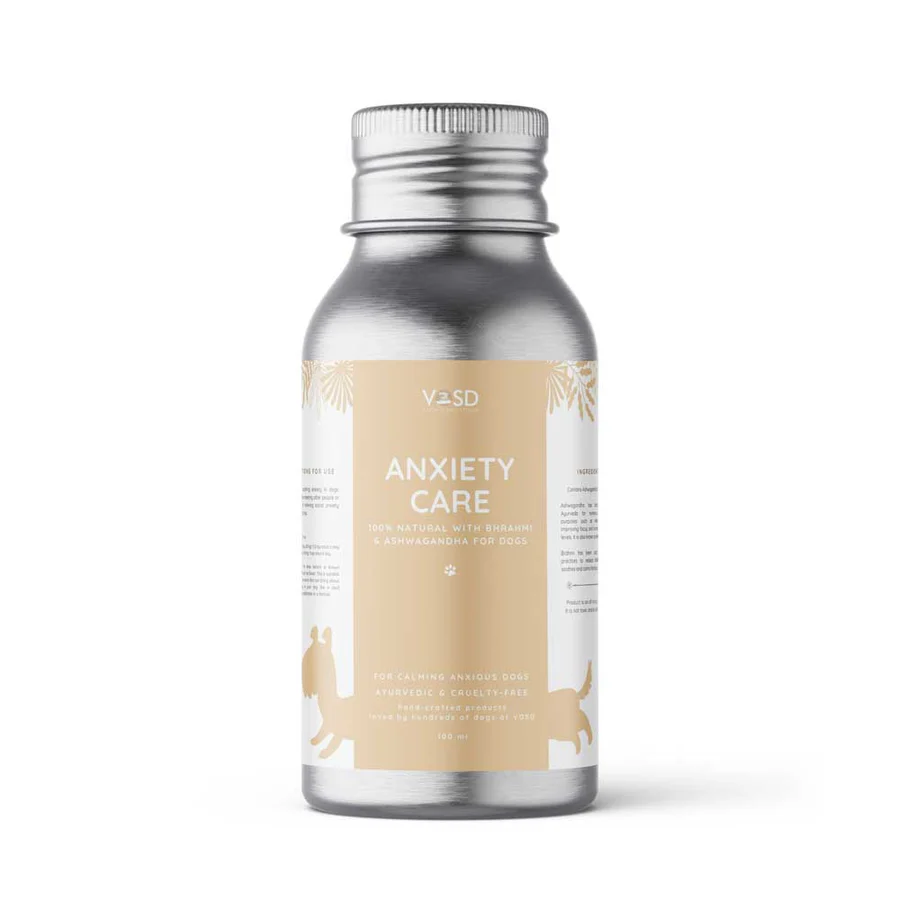
Dogs recovering from abdominal surgery can experience anxiety from the change in routine, restricted movement, and the unfamiliar experience of recovery. VOSD Anxiety Care may support dogs that show signs of stress during the post-operative period at home. For dogs that need gentle support for movement and joint comfort as they ease back into activity after a period of enforced rest, VOSD Joint Care Supplement may be worth discussing with your vet as part of the broader recovery plan. Always consult your vet before introducing any supplement to a dog that has recently undergone surgery.
Related Products

Prevention and Awareness
Not every case of dog peritonitis is preventable, particularly those that arise from spontaneous organ disease or conditions with no clear warning signs. However, there are practical steps that reduce risk and support early detection:
- Keep sharp objects, small toys, cooked bones, and other potential foreign bodies well out of your dog’s reach
- Do not dismiss persistent vomiting, abdominal discomfort, or unexplained lethargy — have these assessed sooner rather than later
- Ensure unspayed female dogs are monitored closely for signs of pyometra, particularly after a heat cycle, and discuss the option of spaying with your vet
- Have dogs assessed by a vet after any road accident or significant abdominal trauma, even if they appear superficially well
- Schedule regular health checks, which allow your vet to identify developing issues before they reach a crisis point
Dog peritonitis is a condition where attentive observation by a pet parent, combined with prompt veterinary care, can make a meaningful difference to the outcome. Recognising that something is not right and acting on it early remains the most valuable thing you can do for your dog.















