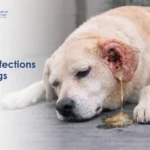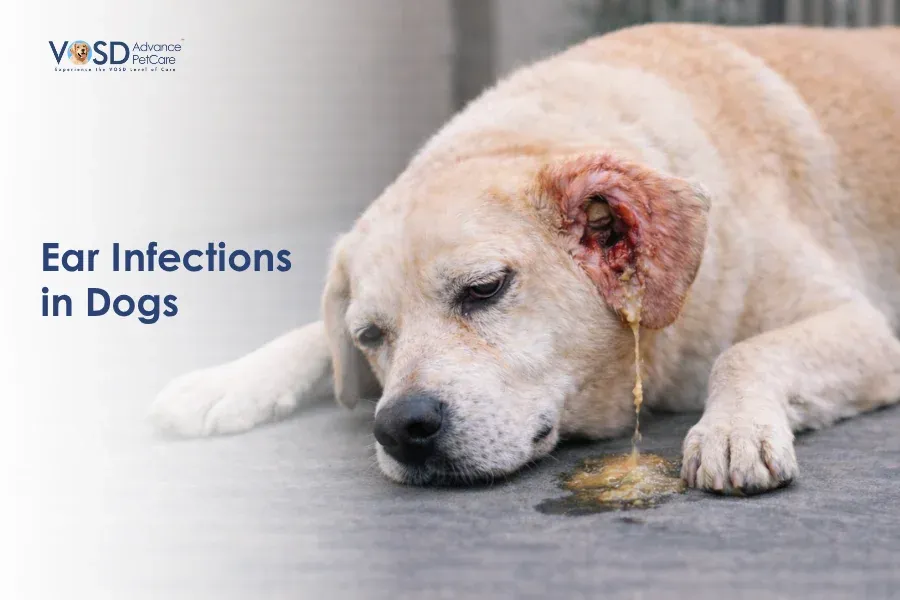

It can happen quite suddenly, you notice your dog’s ear flap is swollen, soft, and thickened, as if a small cushion has appeared where it was flat before. Ear hematoma in dogs is one of the most commonly seen ear conditions, and while it looks dramatic, it is entirely manageable with timely veterinary care. Understanding what caused it and addressing the underlying trigger is just as important as treating the swelling itself.
What is an Ear Hematoma in Dogs?
An ear hematoma in dogs, also known as an aural hematoma, is a collection of blood that accumulates between the layers of the ear flap, which is medically called the pinna. The ear flap has two layers of skin with cartilage sandwiched between them. When blood vessels within this structure rupture, blood fills the space between the layers and causes the characteristic soft, fluid-filled swelling that is visible and often immediately noticeable.
Think of it as a blood-filled pocket sitting within the ear flap itself. The swelling is generally on the inner surface of the ear and may involve part or the whole of the pinna depending on the severity. It is usually warm to the touch, soft and fluctuant, and causes the dog noticeable discomfort.
How an Ear Hematoma Develops
The mechanism behind most ear hematomas in dogs is straightforward. When a dog shakes its head vigorously or scratches at its ear repeatedly and forcefully, the small blood vessels within the ear flap are subjected to shearing forces that cause them to rupture. Blood leaks out of these vessels and collects in the space between the cartilage and the skin layers.
The important thing to understand is that the head shaking and scratching are almost always triggered by something causing irritation inside the ear, an infection, ear mites, an allergy, or a foreign body. The ear hematoma is therefore a consequence of the underlying ear problem rather than the problem itself. Treating the hematoma without addressing the root cause leads to recurrence in many cases.
Symptoms of Ear Hematoma in Dogs
The symptoms of an ear hematoma in dogs are generally visible and localised to the ear flap. Here is what to watch for:
- A soft, fluid-filled swelling on one side of the ear flap, most commonly the inner surface
- The affected ear may appear thicker, heavier, or droopier than normal
- Warmth in the swollen area compared to the rest of the ear
- Pain or sensitivity when the ear flap is touched
- Your dog holding the ear at an unusual angle or tilting their head
- Continued head shaking and scratching at the affected ear
- Visible discomfort or reluctance to allow the ear to be examined
The swelling can range from a small localised area to involvement of nearly the entire ear flap. In severe or long-standing cases, the weight of the fluid-filled ear can cause the dog to carry their head at an angle, which may be mistaken for a neurological problem. The key differentiating feature is that the swelling is clearly in the ear flap itself rather than a neurological sign.
Causes and Underlying Triggers of Ear Hematoma in Dogs
As noted, the head shaking and scratching that cause blood vessel rupture are almost always driven by an underlying ear condition. The most common triggers include:
- Ear infections: Bacterial or yeast infections of the ear canal cause significant irritation, itching, and discomfort that drive dogs to shake their heads vigorously and scratch at their ears. This is the most frequent underlying cause of ear hematoma in dogs seen in Indian clinics.
- Ear mites: These tiny parasites cause intense irritation inside the ear canal, provoking frantic scratching and head shaking. Ear mites are particularly common in rescued street dogs and in dogs with outdoor access.
- Allergies: Both food allergies and environmental allergies frequently manifest as ear inflammation and chronic itching, which drives the repeated head shaking that leads to hematoma formation.
- Foreign bodies: A grass seed, insect, or other small object lodged in the ear canal causes sudden and intense irritation and head shaking.
- Injury: In some cases, a direct blow or trauma to the ear flap can rupture blood vessels without prior ear irritation, though this is less common than the infection-related pathway.
Common Triggers in the Indian Context
Several factors specific to the Indian environment increase the likelihood of ear hematoma in dogs:
- High humidity during the monsoon season creates ideal conditions for yeast and bacterial ear infections, making this one of the peak periods for ear hematomas
- Tick and mite infestations are common in outdoor and rescued dogs without regular parasite control, and ear mites in particular are a frequent trigger
- Many rescued dogs arrive with long-standing untreated ear infections that have been causing chronic irritation, sometimes for months before the hematoma appears
- Allergies to common environmental exposures and dietary ingredients are widespread in Indian dogs and contribute to chronic ear inflammation
Related Videos



Diagnosis: How Vets Assess an Ear Hematoma
Diagnosing an ear hematoma in dogs is typically straightforward from the physical examination alone — the swollen, fluid-filled ear flap is visually apparent and confirms the diagnosis when palpated. However, the veterinary assessment goes further than simply confirming the hematoma is present:
- Ear canal examination: The vet will examine both ear canals using an otoscope to identify the underlying cause of the head shaking and scratching. Finding and treating the root cause is essential to prevent recurrence after the hematoma has been addressed.
- Ear cytology: Cells from the ear canal discharge may be examined under a microscope to identify whether a yeast infection, bacterial infection, or mite infestation is present and to guide appropriate treatment.
- Assessment of the hematoma itself: The vet will assess the size, duration, and firmness of the swelling. Fresh hematomas are soft and fully fluid-filled. Older ones may have begun to organise and feel firmer as the blood starts to clot and fibrose internally.
Treatment Options for Ear Hematoma in Dogs
Treatment for ear hematoma in dogs aims to drain the accumulated blood, relieve pain, prevent recurrence of the fluid accumulation, and resolve the underlying cause. The approach depends on the size of the hematoma and how long it has been present.
Non-Surgical vs Surgical Treatment
| Approach | When Used | How It Works | Limitations |
|---|---|---|---|
| Needle aspiration | Small or early hematomas | Blood is drawn out using a needle and syringe | High recurrence rate without additional treatment |
| Steroid injection | Small to moderate hematomas | Anti-inflammatory injection reduces fluid production and promotes resolution | May need repeating; not suitable for all dogs |
| Surgical drainage and suturing | Large or persistent hematomas | The hematoma is opened, drained, and the layers of the ear flap are sutured together to prevent re-filling | Requires anaesthesia; recovery takes two to three weeks |
| Teat cannula placement | Moderate hematomas | A small tube is placed to allow continuous drainage over several weeks | Requires management; can be uncomfortable |
Your vet will recommend the most appropriate approach based on the size of the hematoma, how long it has been present, and your dog’s overall health. In all cases, treating the underlying ear condition alongside the hematoma is essential. Draining the hematoma while the ear infection or mite infestation continues to drive head shaking will almost always result in recurrence.
Recovery and Aftercare
Recovery from treatment for ear hematoma in dogs takes patience. Here is what aftercare typically involves:
- Elizabethan collar: Preventing your dog from scratching at the treated ear is critical during healing. An Elizabethan collar should be worn consistently until the vet confirms the ear has healed sufficiently to remove it.
- Medication compliance: Any prescribed antibiotics, antifungals, antiparasitics, or anti-inflammatory medications for the underlying ear condition must be given at the correct times and completed in full.
- Wound monitoring: If surgery was performed, check the incision daily for redness, swelling, or discharge and contact your vet promptly if anything concerns you.
- Follow-up appointments: The ear will need to be re-examined to confirm healing and to check that the underlying ear problem has been successfully treated.
- Managing changes in ear shape: After a significant hematoma heals, the ear flap may develop some thickening or wrinkling, often described as a cauliflower ear appearance, due to scar tissue formation. This is cosmetic rather than harmful and does not cause the dog ongoing discomfort.
Related Products

Prognosis and Long-Term Outlook
The prognosis for ear hematoma in dogs is generally very good. Most dogs recover fully from the hematoma itself with appropriate treatment, and once the underlying cause is addressed, recurrence is uncommon.
The primary risk of recurrence is failure to identify and treat the root cause. A dog that had an ear hematoma due to an ear infection and received treatment only for the swelling is very likely to develop another hematoma when the infection is not resolved or recurs. This is why the underlying cause must be investigated and properly treated as part of every ear hematoma management plan.
Some permanent change in ear flap appearance is common after a significant hematoma, particularly the thickening or crinkled texture associated with scar tissue. This is entirely cosmetic and does not affect the dog’s comfort or hearing.
When to See a Vet
An ear hematoma in dogs should be examined by a vet promptly, ideally on the same day you notice the swelling, rather than monitoring at home. Early treatment leads to better outcomes and a shorter, simpler recovery. Contact your vet immediately if:
- You notice a sudden soft swelling on your dog’s ear flap
- The swelling is growing in size
- Your dog is in obvious pain or distress around the ear
- The swelling is accompanied by ear discharge, odour, or signs of infection
Prevention Tips
The most effective prevention for ear hematoma in dogs is consistent ear health management:
- Check your dog’s ears weekly. Look for redness, discharge, odour, or any sign of irritation that might lead to head shaking.
- Treat ear infections promptly and completely whenever they arise, rather than allowing them to persist with partial treatment.
- Follow a regular antiparasitic routine to prevent ear mite infestations, particularly for dogs with outdoor access in India.
- If your dog has a history of ear infections or allergies, maintain regular veterinary check-ups to catch recurrences early.
- Clean ears gently with a vet-approved ear cleaner on a regular basis, particularly for dogs with floppy ears that reduce airflow in the canal.