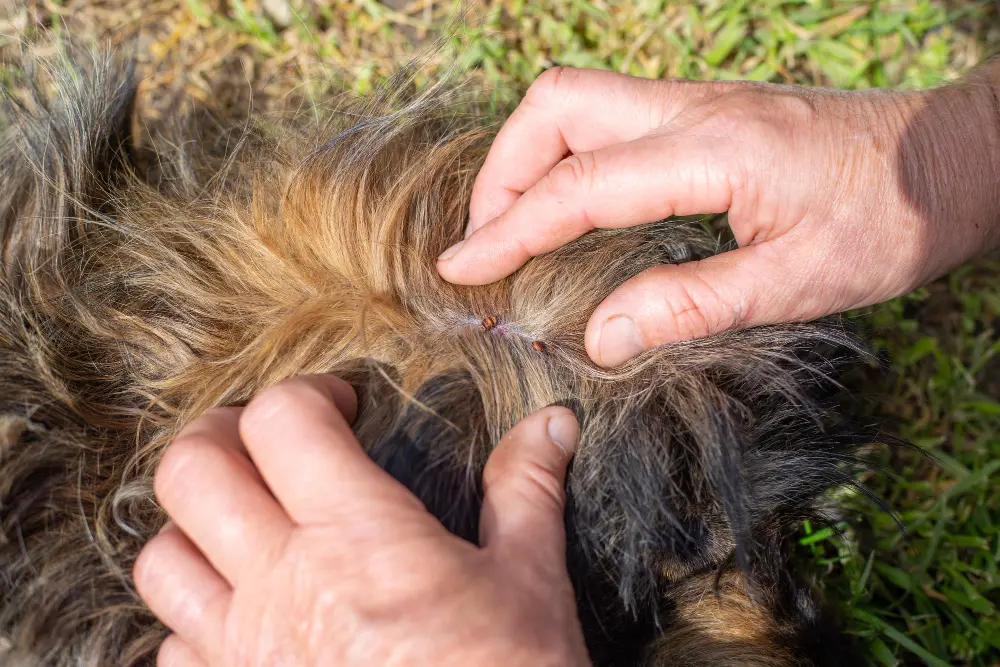

It starts with a tick.
Not a dramatic event. Not a visible wound. Just a small, brown tick attached somewhere in the coat, feeding quietly, and releasing bacteria into the bloodstream that will begin dismantling the dog’s immune defences from the inside.
Ehrlichiosis is one of the most common and most underdiagnosed tick-borne diseases in India. It does not cause an immediate, obvious crisis in most cases. It works slowly, quietly, degrading the blood, suppressing immunity, and damaging organs over weeks and months until the dog that once seemed mildly unwell is now critically ill.
The dog that survived the first phase did not beat the disease. It just entered the hidden one.
What This Disease Really Does Inside the Body
Ehrlichiosis is a bacterial infection caused by Ehrlichia canis, transmitted primarily through the bite of the brown dog tick, which is one of the most widespread tick species in India.
Unlike babesiosis, which destroys red blood cells, ehrlichiosis targets white blood cells, specifically the monocytes that are a critical part of the immune system’s defence network. By invading and replicating inside these cells, the bacteria simultaneously disrupt immunity and use the immune system itself as a vehicle for spreading through the body.
The result is a disease that:
- Weakens the body’s ability to fight infection at the very moment it needs that capacity most
- Destroys platelets, causing a dangerous drop in the blood’s clotting ability
- Creates widespread inflammation across multiple organ systems
- Progresses through stages that can span months to years before reaching a clinical crisis
The First Signs That Often Go Unnoticed
The acute phase of ehrlichiosis typically begins one to three weeks after the tick bite. The signs at this stage are non-specific enough to be easily dismissed or misattributed.
Watch carefully for:
- Fever that appears suddenly and may fluctuate without obvious cause
- Lethargy that is disproportionate to the dog’s activity or environment
- Loss of appetite persisting across multiple meals
- Swollen lymph nodes particularly around the neck, jaw, and behind the knees
- Runny nose or eyes with clear or slightly cloudy discharge
- Weight loss beginning even in the early weeks
- Stiffness or joint discomfort causing reluctance to walk normally
These signs may last one to four weeks and then appear to resolve. This is not recovery. This is the disease moving into its next, more dangerous phase.
Where This Infection Comes From in Everyday Life
The brown dog tick is the primary culprit. It is:
- Widely distributed across India in both urban and rural environments
- Capable of completing its entire lifecycle inside a home or kennel, unlike many other tick species
- Difficult to eliminate once established in an environment
- Active year-round in warm climates, with peak activity during warmer months
Dogs acquire ehrlichiosis when an infected tick attaches and feeds for a sufficient period to transmit the bacteria, typically several hours of attachment. The tick does not need to be engorged for transmission to occur.
Dogs at elevated risk include those that:
- Spend time outdoors in gardens, parks, or fields
- Live in multi-dog households or have contact with other dogs
- Have incomplete or inconsistent tick prevention
- Have previously been treated for tick infestations, suggesting an environment with ongoing tick presence
Related Videos


How Ehrlichia Weakens the Body: The Mechanism
This is the section that explains why ehrlichiosis is so much more than a simple infection.
Step 1: The infected tick bites the dog and releases Ehrlichia canis bacteria into the bloodstream.
Step 2: The bacteria specifically target monocytes, a type of white blood cell central to immune function. They invade these cells and begin replicating inside them, forming clusters called morulae.
Step 3: The infected monocytes carry the bacteria through the bloodstream, spreading the infection to the spleen, liver, lymph nodes, and bone marrow.
Step 4: The immune system recognises the infected cells and attempts to destroy them. This immune response causes the inflammation that produces the early signs of fever, lymph node swelling, and lethargy.
Step 5: Platelet production is disrupted as the bone marrow becomes affected. Platelet counts fall, reducing the blood’s ability to clot normally. This creates a risk of spontaneous bleeding.
Step 6: If the acute phase passes without treatment, the bacteria do not leave. They persist at low levels in a subclinical phase, continuing to suppress immunity and cause low-grade systemic damage.
Step 7: The chronic phase develops when the sustained infection eventually overwhelms the bone marrow’s ability to produce adequate blood cells, leading to severe anaemia, profound thrombocytopenia, and multi-organ compromise.
Stages of the Disease: From Mild to Life-Threatening
Ehrlichiosis progresses through three distinct stages, each with different clinical presentations and treatment implications.
Acute Stage (Weeks 1 to 4)
- Fever, lethargy, reduced appetite
- Mild to moderate drop in platelet count
- Swollen lymph nodes and mild anaemia
- Responds well to early antibiotic treatment
- Most owners miss this window because signs resolve without treatment
Subclinical Stage (Weeks to Months)
- No obvious outward symptoms
- Bacteria persist in the spleen and bone marrow
- Platelet counts remain depressed
- Immune function continues to be compromised
- Dog appears normal, making diagnosis much harder
- This phase can last months to years
Chronic Stage
- Severe anaemia and dangerously low platelet counts
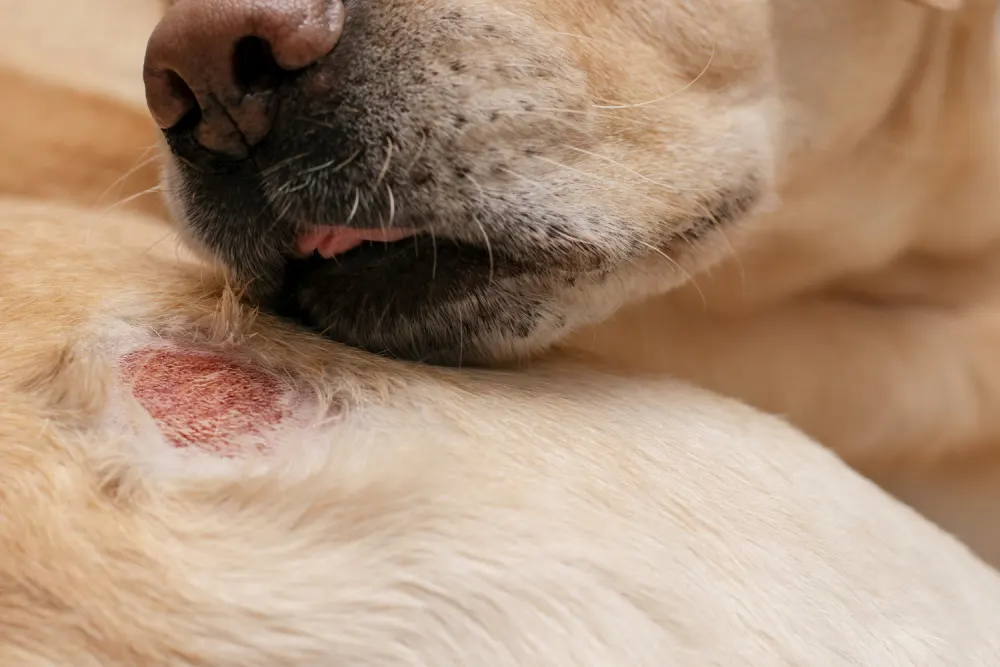
- Spontaneous bleeding from the nose, gums, or into the skin
- Significant weight loss and muscle wasting
- Kidney involvement with protein loss in the urine
- Eye abnormalities, including bleeding within the eye
- Bone marrow failure in the most severe cases
- Much harder to treat and carries a more guarded prognosis
How the Disease Progresses If Left Untreated
Without antibiotic treatment, ehrlichiosis follows a predictable and increasingly serious trajectory:
- The platelet count continues to fall, increasing bleeding risk with each passing week
- The bone marrow becomes progressively suppressed, reducing production of all blood cell types
- Anaemia deepens, causing weakness, breathlessness, and pale gums
- The kidneys sustain damage from immune complex deposition, leading to protein loss and eventual renal compromise
- The eyes develop inflammation and haemorrhage, with potential for permanent vision damage
- Immune suppression makes the dog vulnerable to secondary infections that a healthy immune system would easily contain
- In the most advanced cases, bleeding into body cavities, organ failure, and death occur
The window between manageable acute disease and life-threatening chronic disease is not a wide one. Missing the acute phase means the next opportunity for effective treatment may not arrive until the damage is already significant. For a deeper understanding of how tick-borne diseases affect dogs across different body systems, read VOSD’s comprehensive guide to tick-borne diseases in dogs.
How Vets Detect Ehrlichiosis Accurately
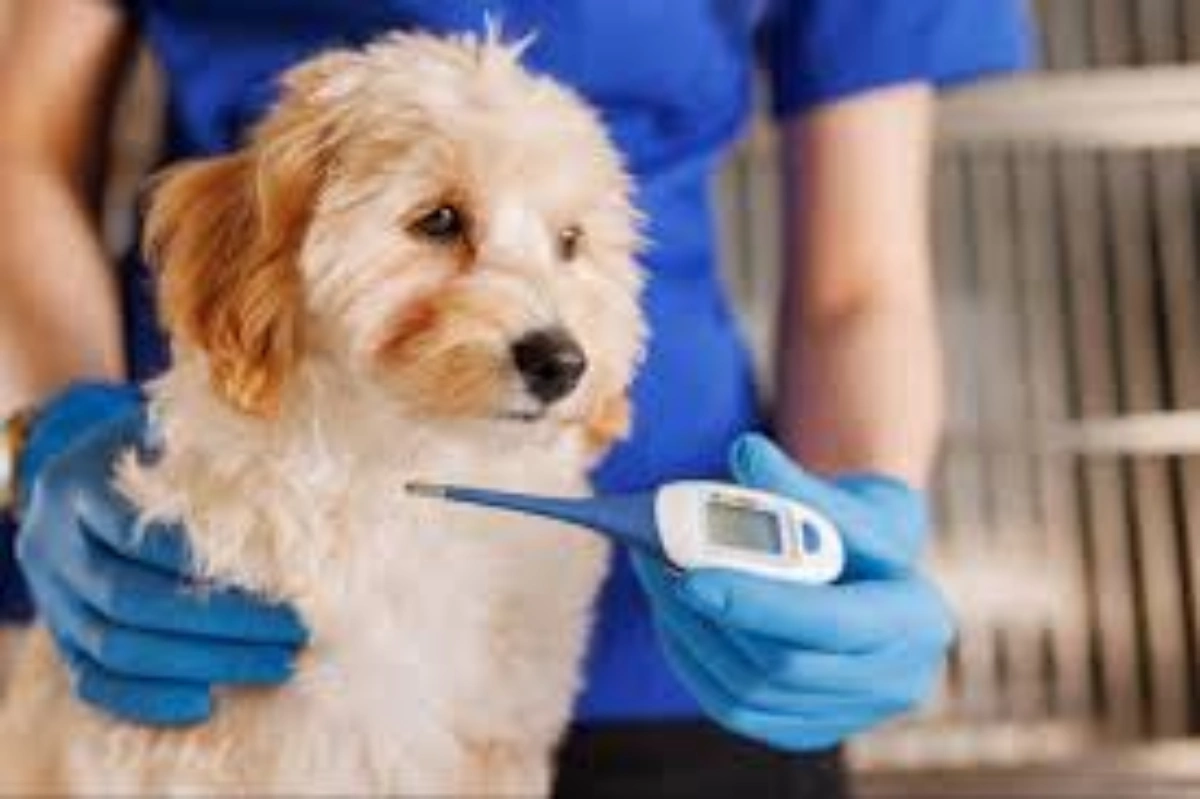
Diagnosis involves a combination of clinical assessment and targeted laboratory testing:
- Complete blood count (CBC): Reveals thrombocytopenia (low platelets), anaemia, and changes in white blood cell populations that are characteristic of ehrlichiosis
- Platelet count: A consistently low platelet count in a dog with tick exposure history is a strong indicator warranting further investigation
- Serology (antibody testing): Detects antibodies to Ehrlichia canis in the blood, confirming exposure and immune response
- PCR testing: Identifies bacterial DNA directly, most reliable during the acute phase when bacterial numbers are higher
- Urinalysis: Checks for protein in the urine, which indicates kidney involvement and influences both prognosis and treatment approach
- Bone marrow biopsy: In severe chronic cases, may be needed to assess the degree of marrow suppression
It is worth noting that in the subclinical phase, routine blood tests may show only mild abnormalities, and serology may be needed to confirm what clinical signs alone cannot demonstrate.
Treatment: Why Early Antibiotics Are Critical
Ehrlichiosis is one of the tick-borne diseases where the treatment is well established and highly effective, but only when started early.
Primary treatment:
- Doxycycline is the antibiotic of choice and remains the standard of care
- Treatment duration is typically a minimum of four weeks, sometimes longer in chronic cases
- Improvement is usually visible within 24 to 48 hours of starting treatment in acute cases
- Completing the full course is non-negotiable; stopping early when the dog feels better almost guarantees relapse
Supportive care depending on severity:
- Intravenous fluids to support kidney function and maintain hydration
- Blood transfusions in cases of severe anaemia
- Platelet transfusions in cases of life-threatening bleeding
- Nutritional support for dogs with significant weight loss
- Medications to manage secondary complications as they arise
Chronic cases require the same antibiotic treatment but respond more slowly and incompletely. The bone marrow damage that has accumulated during the subclinical phase does not reverse quickly. Some dogs with severe chronic ehrlichiosis never fully recover their pre-infection blood counts.
Related Products



What Recovery Looks Like and When It Does Not
Dogs treated during the acute phase:
- Typically shows rapid improvement within days of starting doxycycline
- Platelet counts begin recovering within one to two weeks
- Full clinical recovery is expected with complete treatment
- Prognosis is excellent when treatment begins promptly
Dogs treated during the chronic phase:
- Recovery is slower, less predictable, and sometimes incomplete
- Bone marrow function may take months to partially restore
- Some dogs remain mildly thrombocytopenic despite successful treatment
- Recheck blood counts at regular intervals to monitor progress
Dogs that relapse:
- Relapse can occur if treatment was stopped too early
- Some dogs in highly endemic tick environments are reinfected after recovery
- Persistent subclinical infection can reactivate during periods of stress or illness
Understanding how kidney function is affected during the chronic phase is important for long-term management. Read VOSD’s detailed guide to kidney failure in dogs to understand the renal consequences of chronic ehrlichiosis and how they are monitored and managed.
Ehrlichiosis Versus Other Tick-Borne Diseases
Several tick-transmitted diseases circulate in India, and their presentations overlap significantly. Here is how ehrlichiosis compares:
| Feature | Ehrlichiosis | Babesiosis | Anaplasmosis |
|---|---|---|---|
| Pathogen | Ehrlichia canis (bacteria) | Babesia canis/gibsoni (protozoa) | Anaplasma platys (bacteria) |
| Primary target | White blood cells (monocytes) | Red blood cells | Platelets |
| Key finding | Low platelets + immune suppression | Haemolytic anaemia + jaundice | Low platelets + mild anaemia |
| Disease course | Acute to chronic over months | Acute and rapid | Often mild but can be severe |
| Treatment | Doxycycline (antibiotic) | Imidocarb (antiprotozoal) | Doxycycline (antibiotic) |
| Reversibility | Good if caught early | Good with prompt treatment | Generally good |
Co-infection with more than one of these pathogens is possible, particularly in dogs with high tick burdens. When a dog does not respond as expected to treatment for one condition, testing for co-infection should be considered.
When This Becomes an Emergency Situation
Seek immediate veterinary care if your dog shows any of the following:
- Spontaneous bleeding from the nose, gums, or visible blood under the skin appearing as red or purple spots or bruising
- Pale or white gums indicating severe anaemia
- Extreme weakness or inability to stand
- Collapse with or without loss of consciousness
- Blood in the urine or stool
- Sudden eye changes, including visible bleeding within the eye or sudden loss of vision
- Rapid or laboured breathing at rest
These signs indicate that the platelet count or red blood cell count has fallen to a dangerous level. Emergency supportive care is required alongside antibiotic treatment. Do not wait for a scheduled appointment. Go directly to the nearest veterinary facility.
Fever combined with lethargy in a dog with any history of tick exposure is also a reason to act promptly, even before emergency-level signs develop. Understanding the full picture of how fever presents and progresses in dogs will help you recognise when urgency is warranted. Read VOSD’s complete guide to dog fever for detailed guidance on assessment and response.
A Disease That Hides Before It Harms
The tick was there. You may not have seen it. The dog may have scratched briefly and moved on.
But ehrlichiosis does not move on.
It settles in, works quietly through the immune system, drops the platelet count week by week, and waits. It waits through the phase where the dog seems fine. It waits through the months where nothing looks wrong. And then it arrives, fully established, in a body that has been weakened without anyone noticing.
The protection against this is not complicated:
- Consistent tick prevention without gaps
- Regular tick checks after outdoor time
- Prompt veterinary assessment when fever and lethargy appear together
- A complete course of treatment when ehrlichiosis is confirmed
The disease is serious. The prevention is simple. The treatment works when it is started in time.
Do not wait for the chronic phase to make the diagnosis obvious. By then, the dog has already paid too high a price for a disease that a tick check and a vet visit could have caught months earlier.