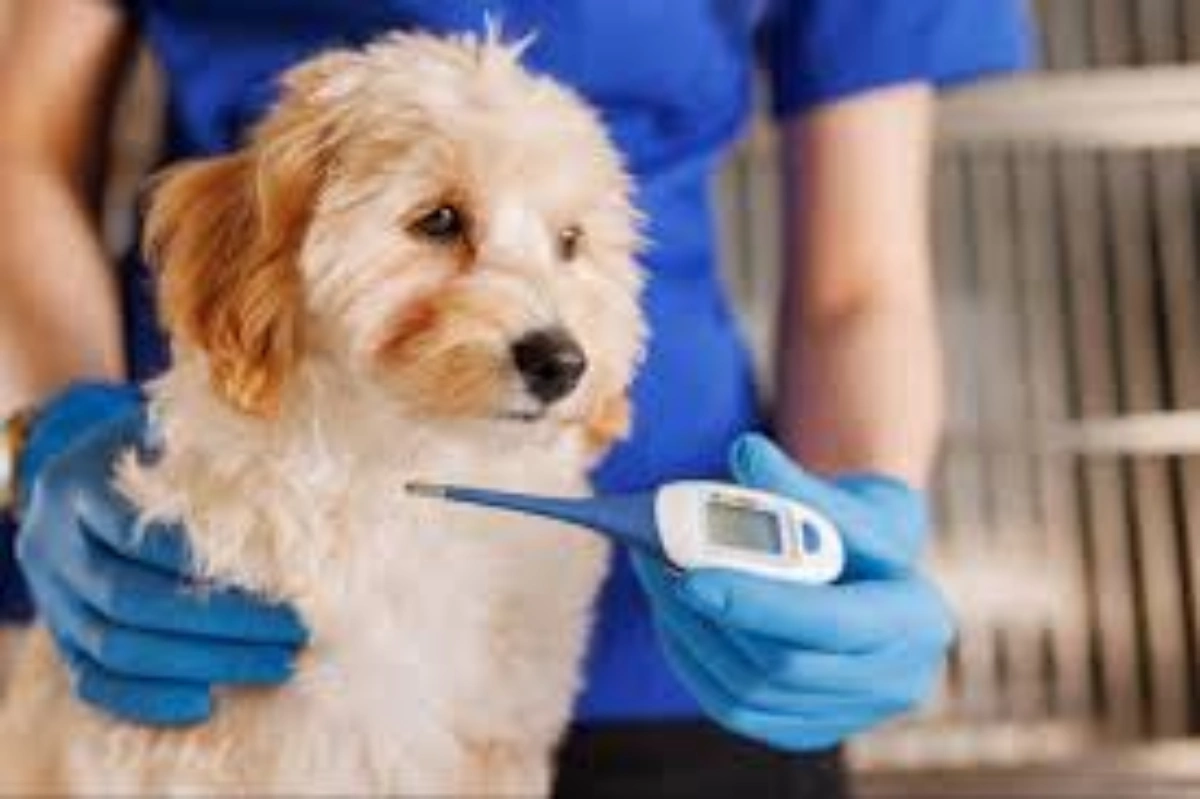


If your dog has been breathing faster than usual at rest, seems unusually weak, or has become less responsive after a period of illness, these signs can point to a disruption in the body’s internal chemistry. Excess acidity in dogs is one condition that can produce exactly this pattern, and it is one that develops as a downstream consequence of other serious health problems rather than appearing out of nowhere. Recognising it and getting veterinary support promptly makes a genuine difference to how the story unfolds.
What is Excess Acidity in the Blood in Dogs?
The body works hard to keep blood pH, which is its measure of acidity and alkalinity, within a very tight and specific range. Normal dog blood has a pH between approximately 7.35 and 7.45. This range is not arbitrary, it is the window within which the body’s enzymes, heart muscle, nerves, and organs function correctly. Even a small fall below this range constitutes acidosis, and the consequences become more serious as the pH drops further.
Excess acidity in dogs, or acidosis, occurs when the blood pH falls below 7.35. The body has compensatory mechanisms that try to correct this, including increased breathing to expel carbon dioxide and adjustments in kidney function. When the underlying cause is severe enough to overwhelm these mechanisms, clinical signs appear and worsen progressively.
Metabolic vs Respiratory Acidosis
There are two main forms of excess acidity in dogs, and the distinction matters for treatment:
- Metabolic acidosis: The more commonly encountered form. It develops when acids accumulate in the blood or when bicarbonate, the blood’s primary buffer, is lost. Kidney disease, diarrhoea, diabetes, and toxin ingestion are the most frequent drivers. The body compensates by increasing the breathing rate to expel carbon dioxide.
- Respiratory acidosis: Develops when carbon dioxide accumulates in the blood because the lungs cannot remove it effectively. This is seen in dogs with severe respiratory disease, chest trauma, airway obstruction, or conditions affecting the breathing drive from the nervous system.
How Excess Acidity Affects the Body
When blood pH falls, the effects are systemic. The heart’s ability to contract effectively is reduced. Nerve conduction slows. The brain becomes less responsive. Enzymes that are essential to virtually every metabolic process in the body work less effectively outside their optimal pH range. These are not abstract consequences, they show up as the clinical signs that alert concerned pet parents that something is genuinely wrong.
Symptoms of Excess Acidity in Dogs
The signs of excess acidity in dogs vary depending on the severity and speed of the pH change. Early or mild cases may show only subtle changes, while significant acidosis produces more obvious and rapidly worsening signs.
Early Signs
- A faster-than-normal breathing rate at rest, as the body tries to expel carbon dioxide to compensate
- Reduced appetite and mild nausea
- Low energy and a general reluctance to engage
- Vomiting, which may also be the cause of the acidosis if it has been prolonged
More Advanced Signs
- Laboured or visibly effortful breathing
- Pronounced weakness, particularly in the limbs
- Disorientation or reduced responsiveness to familiar cues
- Very pale, grey, or bluish gums indicating poor oxygenation
- Collapse or inability to rise
The breathing change is often the most noticeable early sign for observant pet parents. A dog that is breathing noticeably faster than usual even when resting and cool, in the context of a known illness, is showing a compensatory response that should prompt same-day veterinary assessment.
Causes of Excess Acidity in Dogs
Excess acidity in dogs is almost always a consequence of another disease. Understanding the causes helps identify which dogs are most vulnerable.
1. Kidney Disease
Healthy kidneys excrete acids and regulate bicarbonate to maintain blood pH. When kidney function declines, the ability to excrete acid and retain bicarbonate is progressively lost. Metabolic acidosis from kidney disease develops gradually and is one of the more commonly encountered causes in middle-aged and older dogs. In India, where many dogs do not receive regular health screening, kidney disease with significant acidosis is often identified later than it ideally should be.
2. Severe Diarrhoea
The intestine secretes bicarbonate-rich fluid. Severe or prolonged diarrhoea causes the body to lose this bicarbonate faster than it can be replaced, directly tipping the blood toward excess acidity. This is particularly relevant during the monsoon season in India when gastrointestinal infections are common and diarrhoea can persist for days without adequate treatment.
3. Diabetic Ketoacidosis
When a diabetic dog’s insulin requirements are not being met, the body breaks down fat as an emergency fuel source, producing acidic ketone bodies as a by-product. Diabetic ketoacidosis is one of the more rapidly progressive causes of excess acidity in dogs and represents a veterinary emergency requiring urgent hospitalisation.
4. Toxin Ingestion
Certain toxins, most notably ethylene glycol from antifreeze products, directly cause severe metabolic acidosis alongside kidney failure. Any suspected toxin ingestion requires immediate emergency veterinary care.
5. Respiratory Conditions
Pneumonia, severe bronchitis, chest trauma, and conditions affecting the brain’s breathing centres all impair the ability to exhale carbon dioxide effectively, producing respiratory acidosis.
6. Common Risk Factors in India
Several factors particular to the Indian context increase the risk of excess acidity in dogs being identified late or reaching a severe stage before treatment:
- The heat and humidity of Indian summers significantly increase the risk of dehydration and heat-related illness, both of which can drive acidosis
- Delayed presentation to a vet, sometimes by days after the dog first became unwell, allows conditions like diarrhoea-associated acidosis to progress further than necessary
- Many cases of diabetic ketoacidosis in India are identified only when the dog is already seriously unwell, because diabetes had not been previously diagnosed
- Toxin exposure from inadequately secured pesticides and antifreeze products remains a risk for dogs with outdoor access
Related Videos




Diagnosis: How Vets Confirm Excess Acidity in Dogs
Diagnosing excess acidity in dogs and identifying its cause requires blood testing. Clinical signs are suggestive but not specific enough to direct treatment without laboratory confirmation.
- Blood gas analysis: This directly measures blood pH, carbon dioxide, bicarbonate, and oxygen levels, confirming whether acidosis is present, how significant it is, and whether it is metabolic or respiratory in origin.
- Electrolyte panel: Measuring potassium, chloride, and bicarbonate alongside the blood gas provides additional information about the type of acidosis and any accompanying electrolyte imbalances.
- Full biochemistry panel: Kidney function, blood glucose, liver markers, and total protein help identify the underlying cause.
- Urinalysis: Urine assessment identifies glucose, ketones, and kidney function markers, which are relevant in diabetic and renal causes.
- History: The history of what the dog has been eating, any potential toxin exposure, current medications, and how long symptoms have been present is as important as the blood results in guiding the diagnosis and management plan.
Treatment for Excess Acidity in Dogs
Treatment for excess acidity in dogs is directed at correcting the blood pH through addressing the underlying cause and providing supportive care that allows the body to restore its own balance.
1. Intravenous fluid therapy: IV fluids restore hydration, improve kidney perfusion and acid excretion, and provide bicarbonate precursors that help correct the pH. Appropriate fluid selection is important, as some fluids are more suitable than others depending on the type and cause of the acidosis. This is always a veterinary decision based on the full clinical picture.
2. Bicarbonate supplementation: In severe acidosis where the pH is dangerously low, sodium bicarbonate may be added to the IV fluids under close monitoring. This must be done carefully, as over-correction carries its own risks. It is a hospital-level intervention.
3. Oxygen support: For respiratory acidosis or in any dog with significantly impaired oxygenation, supplemental oxygen is provided to support breathing while the underlying cause is treated.
4. Treating the root cause: Managing kidney disease, starting insulin therapy for diabetic ketoacidosis, treating the gastrointestinal illness causing bicarbonate loss, or decontaminating and supporting a dog with toxin ingestion are each the treatments that address excess acidity at its source.
Home Care After Treatment
After returning home following hospitalisation for excess acidity in dogs:
- Give all prescribed medications at the correct times without interruption
- Ensure fresh water is consistently available; hydration supports kidney acid excretion during recovery
- Feed small, consistent, easily digestible meals during the recovery period
- Monitor breathing rate, appetite, and energy levels daily and report any worsening to your vet promptly
- Attend all scheduled follow-up blood tests without delay
Prognosis: What to Expect
The prognosis for excess acidity in dogs is most closely tied to the underlying cause. Dogs with acidosis from a correctable cause, such as resolved diarrhoea, a stabilised diabetic crisis, or a single toxin exposure where treatment began early, often recover fully and return to normal life. Dogs with progressive kidney disease require ongoing management of the acidosis as part of managing the broader condition, with the goal being to keep the pH within a tolerable range rather than permanent resolution.
How quickly treatment begins remains the most consistent predictor of outcome. A dog that is brought in at the first signs of significant respiratory change or collapse following illness has a meaningfully better outlook than one where the same signs have been present for two or three days before a vet is seen.
When to See a Vet Immediately
Do not delay veterinary assessment if your dog shows:
- Rapid or laboured breathing in a dog that is resting, not hot, and not anxious
- Gums that are pale, grey, or have a bluish tinge
- Collapse or inability to stand after any period of known illness
- A diabetic dog that is vomiting and seems more unwell than their usual controlled state
- Any suspected ingestion of antifreeze, pesticides, or other toxins alongside systemic signs
Prevention Tips
Preventing excess acidity in dogs centres on managing the conditions that cause it:
- Treat vomiting and diarrhoea within twenty-four hours if it is not resolving, rather than waiting to see if it passes without care
- Ensure diabetic dogs receive their insulin consistently and attend regular monitoring appointments, so any diabetic destabilisation is caught early
- Keep all potential toxins completely out of reach and avoid using antifreeze products in areas accessible to dogs
- Ensure senior dogs have blood work that includes kidney function annually, so any developing kidney disease is identified before acidosis compounds it
- In Indian summers, ensure consistent water access and avoid prolonged heat exposure, as dehydration accelerates the development of acid-base imbalances in dogs with underlying conditions