
When a Collie puppy is consistently smaller than expected, gains weight slowly, or seems less energetic than their age and breed would suggest, it is natural to feel concerned. Failure to thrive in Collie dogs is a term used to describe this pattern of poor growth and development, and it is important to understand that it is a description of a clinical picture rather than a single diagnosis. In most cases, there is an underlying cause that can be identified and addressed. The earlier that process begins, the better the outcome for the puppy.
What Does Failure to Thrive Mean in Dogs?
Failure to thrive refers to a puppy or young dog that is not growing, gaining weight, or developing at the expected rate for their age, breed, and sex. It is not a disease in itself but rather a presentation that signals something else is going on. The puppy may appear thin, tired, or developmentally behind others of the same age and litter.
In Collies specifically, failure to thrive can reflect nutritional deficiencies, a heavy parasite burden, an underlying infection, a congenital problem present from birth, or poor conditions in early life such as early weaning or inadequate maternal nutrition. Often, more than one factor is contributing simultaneously, which is why a methodical veterinary assessment is valuable rather than assuming a single cause and addressing only that.
Symptoms of Failure to Thrive in Collie Dogs
The signs of failure to thrive in Collie dogs are usually visible over time rather than appearing suddenly. A puppy that is falling behind in development will typically show a combination of the following.
- Noticeably smaller body size or lower weight compared to littermates of the same sex over a sustained period
- Poor appetite or inconsistent eating, though some affected puppies eat well and still do not gain weight
- Excessive sleeping or low energy relative to what is expected of an active young dog
- A dull, dry, or thin coat that does not have the texture expected in a well-nourished Collie
- A pot-bellied appearance alongside thin limbs, which often points to a significant worm burden
- Delayed physical milestones such as coordination, activity level, or physical development relative to age
- Loose stools, diarrhoea, or visible worms in the faeces
- Muscle weakness or difficulty keeping up with normal puppy activity
Any puppy showing several of these signs consistently over two weeks or more deserves a veterinary assessment rather than a wait-and-watch approach.
Common Causes of Failure to Thrive in Collies
In Indian conditions, the causes of failure to thrive in Collie dogs are often straightforward, though they may appear together rather than in isolation.
1. Parasitic Infections
Intestinal parasites are the single most common cause of failure to thrive in puppies across India, including in pedigree breeds such as Collies. Roundworms, hookworms, and whipworms all compete with the puppy for the nutrients from every meal, effectively preventing the dog from absorbing what they eat. A puppy born to an undewormed mother, or kept in an environment with soil or faecal contamination, is at high risk of a significant worm burden from early life.
Deworming on the correct schedule with the correct medication and dose is one of the most impactful and inexpensive interventions available for a puppy not growing well.
2. Nutritional Deficiencies
Puppies have significantly higher protein, fat, and micronutrient requirements than adult dogs relative to their body weight. A Collie puppy fed primarily on rice, roti, or adult dog food without adequate protein and caloric density will not have the building blocks needed for normal growth. Early weaning from the mother before appropriate nutritional alternatives are in place is another common contributing factor.
3. Infections and Illness
Viral infections including parvovirus and distemper, bacterial infections, and tick-borne diseases all divert the body’s resources away from growth and towards fighting illness. A puppy recovering from a significant infection during a critical growth window may show a period of failure to thrive even after the acute illness has resolved.
4. Congenital and Genetic Factors
Some puppies have structural or metabolic abnormalities present from birth that affect their ability to grow normally. Heart defects, liver shunts, hormonal insufficiencies, and absorption disorders all fall into this category. These are less common than nutritional and parasitic causes but are worth considering when simpler causes have been ruled out and the puppy continues to fail to thrive despite appropriate care.
5. Poor Early Life Conditions
Puppies sourced from irresponsible breeders, pet shops, or unregulated breeding environments in India frequently arrive in their new home already behind in development. Inadequate maternal nutrition during pregnancy, early separation from the mother, poor hygiene in the whelping environment, and lack of early veterinary care all contribute to failure to thrive patterns that the new owner then needs to address.
Related Videos


Diagnosis: Finding the Underlying Cause
A veterinary assessment for failure to thrive in a Collie typically follows a structured approach that starts with the most common and easily treatable causes before progressing to more complex investigations.
| Diagnostic Step | What It Assesses | Why It Matters in India |
|---|---|---|
| Physical examination and body condition scoring | Overall health status, muscle condition, hydration, coat quality | Provides a baseline and helps prioritise next steps |
| Faecal examination | Identifies intestinal parasites and their eggs | Essential first step; parasite burden is the leading cause of poor growth in India |
| Diet history review | Assesses nutritional adequacy and identifies feeding gaps | Commonly reveals inadequate protein, calorie, or feeding frequency |
| Blood work | Organ function, protein levels, signs of infection or anaemia | Identifies systemic causes not apparent on physical examination alone |
| Tick disease testing | Rules out ehrlichiosis and other tick-borne infections as contributing causes | Particularly relevant in India where tick exposure is high year-round |
| Further imaging or specialist referral | Assesses congenital structural problems where simpler causes have been excluded | Reserved for cases that do not improve with initial interventions |
Treatment and Immediate Care for a Struggling Puppy
Treatment for failure to thrive in Collie dogs depends on the identified cause, but several immediate care measures apply in almost every case while the investigation proceeds.
- Deworming with the correct product and dose: This is the single most important first step in India. Deworming should be done at the correct weight-based dose and repeated at the schedule your vet recommends, typically every two weeks during the first three months of life.
- Nutritional improvement: Transition to a high-quality, age-appropriate puppy diet with adequate protein and caloric density. A puppy that has been on an inadequate diet needs a gradual transition rather than a sudden large change.
- Frequent small meals: Puppies have small stomachs and benefit from three to four meals per day rather than one or two large ones. This supports better nutrient absorption and more consistent energy levels.
- Hydration: Ensure fresh, clean water is always available. A dehydrated puppy absorbs nutrients less efficiently and recovers more slowly.
- Warmth and a low-stress environment: A puppy using energy to thermoregulate or cope with stress has less energy available for growth. A warm, quiet resting space supports recovery.
Nutritional Support for Recovery in Indian Homes
For pet parents feeding home-prepared food in India, practical recovery nutrition for a Collie puppy with failure to thrive can be built around accessible ingredients.
- Boiled chicken with bone removed or boiled eggs as the primary protein source
- White rice as the easily digestible carbohydrate base
- Small amounts of cooked pumpkin or carrot for fibre and micronutrients
- A calcium source such as boiled eggshell powder if the diet does not include bone
- Cooked fish two to three times per week for omega-3 fatty acids, which support coat recovery and the inflammatory response
Any home-prepared diet for a puppy should be reviewed by a vet or veterinary nutritionist to confirm it meets growth requirements. What is adequate for an adult dog in maintenance is frequently insufficient for a puppy already behind in development.
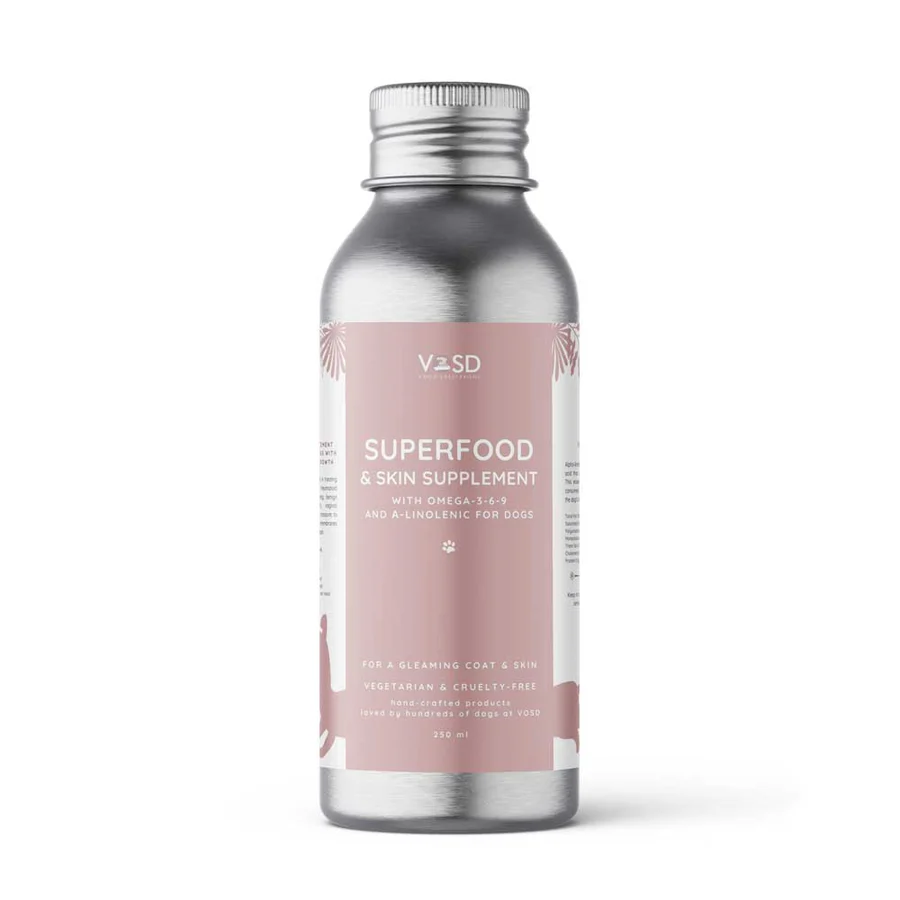
Coat and skin recovery, which is often visibly affected in puppies that have been nutritionally compromised, benefits from consistent omega fatty acid support once the nutritional baseline is improved.
Related Products
Long-Term Monitoring and Management
Once treatment is underway for failure to thrive in a Collie, consistent monitoring helps confirm that the puppy is responding and allows early identification of any setback.
- Weigh the puppy weekly and record the results so that progress or plateaus are clearly visible over time
- Monitor stool quality after deworming, as improvement in consistency is one of the earliest positive signs
- Track energy and activity levels relative to what is expected for the age
- Keep vaccination appointments on schedule, as immunity is particularly important for a puppy whose health has already been compromised
- Follow up with your vet at the agreed intervals to reassess progress and adjust the plan if needed
Prognosis: Can Collie Puppies with Failure to Thrive Recover Fully?
In most cases, failure to thrive in Collie dogs caused by parasites, nutritional deficiency, or treatable infection carries a good prognosis when identified and addressed reasonably early. Many puppies that were significantly behind their littermates at eight to twelve weeks of age reach a healthy adult size and weight with appropriate care.
The outlook is more variable when the underlying cause is congenital or structural. Some of these conditions are manageable; others may have long-term implications for the dog’s health. Early veterinary assessment is what determines how quickly and clearly the picture becomes understood.
Catch-up growth is most effective when intervention begins before the primary growth period ends, which in most dogs is around the age of six months. Earlier is better, but meaningful improvement is possible even in puppies identified later than this.
Common Mistakes Seen in Practice
A few patterns come up consistently when failure to thrive in Collie dogs is managed in India.
- Delaying deworming or completing only one round when repeat doses at two-week intervals are needed to address the full parasite lifecycle
- Feeding milk or rice as the primary diet without adequate protein, which is insufficient for a growing puppy even when offered in quantity
- Attributing the size difference between littermates entirely to natural variation without investigating a potentially treatable cause
- Waiting for symptoms to become severe before seeking veterinary input, when earlier assessment would have allowed a simpler and quicker resolution
When to See a Vet Without Delay
Contact your vet the same day if a Collie puppy shows any of the following:
- Active weight loss over several consecutive days
- Complete refusal to eat for more than twenty-four hours in a puppy under three months of age
- Vomiting alongside poor growth
- Blood in the stool or persistently very watery diarrhoea
- Extreme weakness, inability to stand, or collapse
With the right attention and a consistent care approach, most Collies experiencing failure to thrive can make meaningful and often full recoveries. The key is not to wait and hope the problem resolves on its own, but to investigate it with the same seriousness you would give any other health concern. Failure to thrive in Collie dogs is in most cases a treatable situation, and the earlier care begins, the better the puppy’s trajectory.