Seeing your dog vomit repeatedly or pass loose, frequent stools is distressing, especially when it happens suddenly and without an obvious reason. Gastroenteritis in dogs is one of the most commonly encountered digestive conditions, and the reassuring reality is that most cases respond well to timely and appropriate care. Understanding what it is, what triggers it, and what your dog actually needs during recovery helps you make calm, informed decisions rather than anxious ones.
What is Gastroenteritis in Dogs?
Gastroenteritis in dogs refers to inflammation of the stomach and intestines. When these parts of the digestive system become irritated or infected, they stop functioning normally, leading to the characteristic symptoms of vomiting and diarrhoea. Think of it as a severe form of digestive upset, similar in effect to food poisoning in people, though the causes can vary considerably.
Gastroenteritis can be acute, meaning it comes on suddenly and resolves within a few days, or chronic, where symptoms persist or keep recurring over a longer period. Acute gastroenteritis is far more common and is the focus of this guide. Chronic cases point to an underlying condition that needs a more thorough veterinary investigation.
Common Symptoms of Gastroenteritis in Dogs
The symptoms of gastroenteritis in dogs are primarily digestive, though the condition can affect overall energy and comfort levels significantly. Here is what to watch for:
- Vomiting, which may be repeated and contain food, bile, or foam
- Diarrhoea, ranging from soft and frequent to watery and urgent
- Loss of appetite or complete refusal of food
- Lethargy and reduced engagement with normal activities
- Signs of dehydration including dry or tacky gums, reduced skin elasticity, and sunken eyes
- Abdominal discomfort, which may show as a slightly tense belly or reluctance to be touched there
- Audible stomach gurgling or excessive gas
Dehydration is one of the most significant concerns with gastroenteritis in dogs, particularly in puppies and small breeds that lose fluids more quickly. In many rescue cases, dogs arrive already significantly dehydrated from days of untreated gastroenteritis, which is why early veterinary involvement makes such a difference to recovery speed and comfort.
When Should You Be Concerned?
Not every case of gastroenteritis in dogs needs an immediate emergency vet visit, but there are clear signs that should prompt you to seek veterinary attention the same day:
- Blood in the vomit or stool, whether fresh red or darker and digested-looking
- Vomiting or diarrhoea that continues for more than twenty-four hours without any sign of improvement
- Your dog is refusing water or showing clear signs of dehydration
- A puppy, senior dog, or a dog with an existing health condition is affected
- Your dog is extremely weak, cannot stand properly, or collapses
- Symptoms began shortly after a known ingestion of something potentially toxic
If your dog has vomited once, is still alert, and is drinking water normally, it is reasonable to monitor closely for a few hours. But any worsening or persistence of symptoms warrants a call to your vet.
Causes of Gastroenteritis in Dogs
Gastroenteritis in dogs can develop from a wide range of triggers. In the Indian context, several causes come up particularly often:
- Dietary indiscretion: Dogs that scavenge from bins, eat street food scraps, or consume spoiled leftovers frequently develop gastroenteritis. This is one of the most common causes seen in both pet dogs and rescued street dogs in India.
- Viral infections: Parvovirus is one of the most serious causes of gastroenteritis in unvaccinated dogs and puppies, producing severe vomiting, bloody diarrhoea, and rapid deterioration. Canine distemper can also cause digestive symptoms. Keeping vaccinations current is one of the most effective preventive measures available.
- Bacterial infections: Bacteria such as Salmonella and Campylobacter, often from contaminated food or water, can cause acute gastroenteritis in dogs. Contaminated water sources are a particular risk in some Indian localities.
- Intestinal parasites: Roundworms, hookworms, giardia, and coccidia are widespread in Indian dogs, particularly those with outdoor access or a rescue background. Heavy parasite burdens frequently cause gastroenteritis-like symptoms and are easily missed without a stool test.
- Sudden diet changes: Switching food abruptly, even between two good-quality options, can irritate the digestive system enough to trigger vomiting and diarrhoea. Transitions should always be gradual over seven to ten days.
- Toxin ingestion: Certain plants, rodent poison, human medications, and some household products are toxic to dogs and can cause acute gastroenteritis as a primary symptom. Any suspected toxic ingestion should be treated as an emergency.
Risk Factors in Indian Conditions
Several factors specific to the Indian environment increase the risk of gastroenteritis in dogs:
- Contaminated open water sources and water that sits in bowls for extended periods, particularly during the monsoon season when bacterial growth is faster
- Widespread availability of street food and garbage, which unsupervised dogs frequently access
- Monsoon conditions that increase the prevalence of waterborne and soil-borne parasites and bacteria
- Inadequate deworming in many dogs, both pets and community animals, allowing parasite burdens to reach symptomatic levels
- Heat-related stress during summer months, which can affect digestive function and make dogs more susceptible to infections
Understanding these factors helps pet parents take simple but effective preventive steps that reduce their dog’s risk considerably.
Related Videos


How is Gastroenteritis Diagnosed?
Diagnosing gastroenteritis in dogs is primarily a clinical process. Your vet will begin by asking about your dog’s diet, recent activities, vaccination history, and how the symptoms began and progressed.
- Physical examination: The vet will assess your dog’s hydration status, check the gums, feel the abdomen for tenderness, and evaluate general condition and vital signs.
- Stool examination: A faecal test checks for parasites including worms, giardia, and coccidia. This is particularly useful in dogs with a history of outdoor access or unknown dietary background.
- Blood tests: These are recommended when the vet suspects a more serious cause, such as a systemic infection, organ involvement, or significant electrolyte imbalance from prolonged vomiting and diarrhoea.
- Additional imaging: Ultrasound or X-rays may be used if the vet suspects a foreign body, blockage, or structural issue contributing to the symptoms.
In many straightforward cases of acute gastroenteritis in dogs, a clinical examination and stool test provide enough information to begin treatment without extensive testing. Your vet will guide what level of investigation is appropriate for your dog’s specific presentation.
Treatment for Gastroenteritis in Dogs
Treatment for gastroenteritis in dogs depends on the severity of the condition and the underlying cause. Here is what management typically involves:
- Fluid therapy: Rehydration is the most important component of treatment for dogs with significant vomiting and diarrhoea. Mildly affected dogs may be managed with oral encouragement of water intake, while more dehydrated dogs require intravenous or subcutaneous fluids administered by the vet. In many rescue cases we see, IV fluids are what turn the corner for a dog that has been losing fluids for days.
- Short-term dietary rest: Withholding food for eight to twelve hours allows the stomach and intestines to settle. Water should always remain available. This fasting period is appropriate for adult dogs only and should not be used for puppies without veterinary advice.
- Bland diet: After the fasting period, a simple, easily digestible diet such as plain boiled rice with boiled chicken is introduced in small amounts. This is continued for two to three days before gradually reintroducing normal food.
- Antiparasitic treatment: If parasites are identified on stool testing, appropriate deworming or antiparasitic medication will be prescribed.
- Antibiotics: These are only prescribed when a bacterial infection is confirmed or strongly suspected based on clinical findings. Antibiotics are not routinely given for all cases of gastroenteritis, as most acute cases are viral or dietary in origin and do not require them.
- Antiemetics and antacids: Medications to reduce nausea and settle the stomach lining may be prescribed to help the dog retain fluids and food more comfortably during recovery.
Home Care Tips for Mild Cases of Gastroenteritis in Dogs
For dogs with mild symptoms who are still alert and able to drink water, there is a practical approach you can follow at home while monitoring the situation carefully:
- Offer small amounts of water frequently rather than allowing the dog to drink large quantities at once, which can worsen nausea
- After an eight to twelve hour rest from food, introduce plain boiled rice with a small portion of boiled chicken in small meals every three to four hours
- Avoid all treats, table scraps, and rich food until your dog has been fully normal for at least forty-eight hours
- Keep your dog in a comfortable, quiet environment with access to rest and shade
- Do not give human medications including antacids, anti-diarrhoeal tablets, or painkillers without specific veterinary advice
These home care steps are only appropriate for mild, isolated cases in adult dogs that are still drinking and not showing signs of dehydration. If you are at all unsure, a vet call is always the safer choice.
Prognosis: How Long Does Recovery Take?
Most cases of acute gastroenteritis in dogs resolve within two to five days with appropriate care. Dogs that receive fluid support and dietary management early tend to recover more quickly than those where treatment is delayed.
Puppies, senior dogs, and dogs with underlying health conditions may take longer to recover and should be monitored more closely throughout. Cases caused by parvovirus or a significant bacterial infection typically require a longer treatment period and more intensive support, but many dogs recover fully with appropriate veterinary care.
Once your dog has been symptom-free for twenty-four to forty-eight hours and is eating and drinking normally, you can gradually transition back to their regular diet over three to five days.
Preventing Gastroenteritis in Dogs
While not every episode of gastroenteritis in dogs can be prevented, these practical steps reduce the risk considerably:
- Keep dustbins secured and prevent access to garbage, food waste, and scavenging areas on walks
- Ensure fresh, clean water is always available and change it daily, especially during the monsoon season
- Keep vaccinations current, particularly for parvovirus and distemper, which are significant causes of severe gastroenteritis
- Follow a regular deworming schedule as recommended by your vet, at least every three months for most adult Indian dogs
- Transition between foods gradually over seven to ten days to avoid digestive disruption
- Avoid feeding oily, spiced, or heavily seasoned human food, which is a common trigger in Indian households
- Clean food and water bowls daily to reduce bacterial contamination
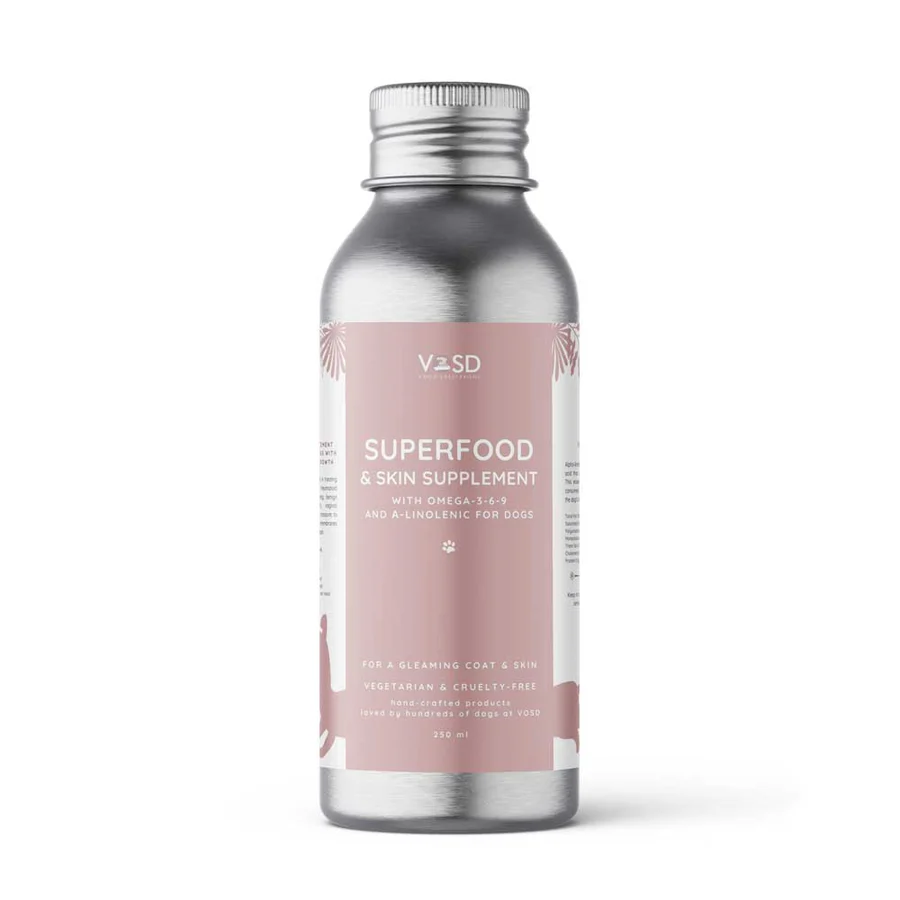
Supporting your dog’s skin and coat health as part of overall wellness also reflects good internal health. A dog recovering from gastroenteritis may show temporary dullness in coat condition as a result of the nutritional disruption. VOSD Superfood Skin Supplement with Omega provides essential fatty acids that support skin and coat recovery as part of a broader wellness routine once your dog has fully recovered. Always confirm with your vet before starting any supplement for a dog that has recently been unwell.