

Most dog owners have dealt with an upset stomach at some point. A bad meal. A scavenged piece of garbage. A sudden bout of loose stools that resolves in a day or two.
But what happens when it does not resolve?
What happens when the diarrhea keeps coming back, the dog keeps losing weight, and every treatment seems to work for a few days before the symptoms return?
In many of those cases, the answer is not diet. It is not stress. It is a microscopic parasite called Giardia, quietly dismantling your dog’s digestive system from the inside.
What This Infection Really Is. A Microscopic Parasite in the Intestine.
Giardia is not a worm. It is not a bacterium. It is a protozoan parasite, a single-celled organism that lives and multiplies in the small intestine of infected dogs.
Key facts about this organism:
- Its scientific name is Giardia duodenalis, also known as Giardia intestinalis
- It exists in two forms: the active trophozoite form that lives in the gut, and the cyst form that is shed in stool and survives in the environment
- It is one of the most commonly identified intestinal parasites in dogs worldwide
- It is particularly prevalent in environments where multiple dogs share space, such as kennels, shelters, and dog parks
- It is zoonotic in some strains, meaning certain assemblages can potentially infect humans as well
The cyst form is what makes this parasite so difficult to control. It is hardy, resistant to standard disinfectants, and can survive in moist soil or water for weeks to months.
Where This Infection Comes From in Daily Life
Giardia does not require exotic exposure. It is everywhere, and the routes of transmission are remarkably ordinary:
- Drinking from puddles, ponds, streams, or any water source contaminated with infected feces
- Sniffing or licking contaminated soil or grass in parks, gardens, or public areas
- Contact with infected stool from another dog, whether directly or via paws and coat
- Shared water bowls in kennels, grooming facilities, or multi-dog households
- Grooming and licking their own coat after walking through contaminated ground
Any dog that spends time outdoors has some level of exposure risk. Puppies, elderly dogs, and immunocompromised dogs face the highest risk of developing active infection after exposure.
Early Signs That Most Pet Parents Overlook
The symptoms of Giardia are easy to attribute to something else, which is exactly why it gets missed so often. Watch for:
- Soft, loose, or watery stools that come and go rather than resolving completely
- Stool that is pale, greasy, or has a distinctly foul smell beyond normal
- Visible mucus in the stool
- Flatulence that is excessive or unusually strong
- Gradual but unexplained weight loss over weeks
- Reduced energy or mild lethargy
- Occasional vomiting, though less common than diarrhea
- A coat that appears dull or loses its healthy texture over time
The pattern that should raise the most concern is intermittent diarrhea that keeps returning after seeming to improve. That cycle is a classic Giardia signature.
Related Videos

How Giardia Disrupts the Digestive System
This is the section that explains why the symptoms are what they are.
The step-by-step mechanism of infection:
- The dog ingests Giardia cysts from a contaminated source
- Cysts travel to the small intestine, where they transform into the active trophozoite form
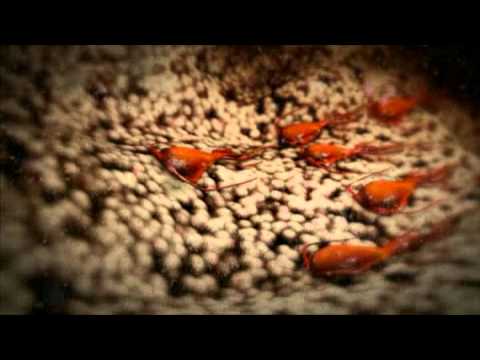
- Trophozoites attach to the lining of the intestinal wall using a suction disc structure
- This attachment physically damages the microvilli, the tiny projections that absorb nutrients from digested food
- With the microvilli damaged, the intestine loses its ability to absorb nutrients, water, and electrolytes properly
- Unabsorbed fats and carbohydrates remain in the gut and draw water in, producing the characteristic loose, greasy, foul-smelling stool
- The dog eats but cannot adequately extract nutrition from its food, leading to gradual weight loss regardless of appetite
- Trophozoites reproduce rapidly and shed new cysts into the stool, which then contaminate the environment and perpetuate the cycle
This is why treatment cannot stop at killing the parasite. The intestinal damage needs recovery time and nutritional support to heal properly.
Why Some Dogs Show No Symptoms at All
This is one of the most clinically important aspects of Giardia and one that most pet owners do not know.
A significant proportion of infected dogs show no symptoms whatsoever. They appear healthy. They eat normally. Their energy levels seem fine.
But they are shedding cysts in their stool every day.
Important points about asymptomatic carriers:
- They are a major source of environmental contamination and spread to other dogs
- The absence of symptoms does not mean the infection is harmless over the long term
- Stress, illness, or any event that suppresses immune function can trigger active disease in a previously asymptomatic carrier
- Routine stool testing is the only way to identify carriers, which is why regular fecal checkups matter even in apparently healthy dogs
Different Patterns of the Disease You May See
Giardia does not always present the same way. The three main patterns are:
Acute diarrhea: Sudden onset of significant loose stools, sometimes with mucus or blood, occurring in puppies or dogs with weaker immune systems shortly after exposure.
Chronic intermittent symptoms: The most commonly seen pattern in adult dogs. Diarrhea comes and goes over weeks or months. The dog has good days and bad days. Owners often attribute improvement to dietary changes rather than natural fluctuation in the infection cycle.
Asymptomatic carriage: As described above, the dog shows no clinical signs but tests positive for Giardia cysts on stool examination.
How Vets Confirm Giardia Infection
Diagnosis requires laboratory confirmation. Clinical signs alone are not sufficient because many conditions produce similar symptoms.
Diagnostic methods include:
- Fecal flotation test: A standard stool test that can identify Giardia cysts, though it may miss them in a single sample due to intermittent shedding
- Fecal antigen test or ELISA: A more sensitive test that detects Giardia-specific proteins in the stool, considered more reliable than flotation alone
- PCR testing: The most sensitive method, capable of confirming infection even at low parasite loads
- Multiple stool samples: Because cyst shedding is inconsistent, vets often recommend testing three samples collected on different days to improve detection accuracy
If your dog has recurring diarrhea that is not resolving with standard treatment, specifically request Giardia testing rather than assuming it has already been ruled out.
Treatment. Why Clearing the Parasite Is Only Half the Job.
Treatment for Giardia typically involves:
- Fenbendazole: An antiparasitic drug given over three to five days, highly effective against Giardia with a good safety profile
- Metronidazole: An antibiotic with antiparasitic properties, often used alongside fenbendazole in resistant or severe cases
- Hydration support: Oral rehydration or, in severe cases, intravenous fluids to address fluid loss from chronic diarrhea
- Gut recovery support: Probiotics and easily digestible food to help restore the damaged intestinal lining
- Environmental decontamination: Bathing the dog to remove cysts from the coat, cleaning bedding and living areas with appropriate disinfectants, and removing feces promptly from the environment
The environmental piece is non-negotiable. A dog that is treated successfully but returned to a contaminated environment will simply become reinfected.
What Recovery Looks Like. And Why Reinfection Is Common.
Most dogs begin showing improvement within a few days of starting treatment. Stool consistency improves. Energy increases. Appetite normalises.
But recovery is not the end of the story:
- Cysts can persist in the environment for weeks after treatment ends
- Dogs that groom themselves after walking through contaminated areas can reinfect themselves
- Multi-dog households require all dogs to be tested and treated simultaneously
- Yards, kennels, and bedding must be thoroughly cleaned and, where possible, kept dry, as Giardia cysts are far less viable in dry conditions
- A follow-up stool test two to four weeks after treatment is important to confirm clearance
Reinfection is not a treatment failure. It is an environmental control failure. Addressing it requires looking beyond the dog to the spaces it lives and moves through.
What Happens If Giardia Is Ignored
Untreated Giardia rarely resolves on its own in symptomatic dogs. Over time, the consequences compound:
- Progressive dehydration from ongoing fluid loss through diarrhea
- Malnutrition despite normal or even increased food intake due to ongoing malabsorption
- Significant weight loss and muscle wasting in chronic cases
- Secondary bacterial infections taking advantage of a compromised gut lining
- Long-term gut motility issues that can persist even after the parasite is cleared
- In puppies and elderly dogs, severe dehydration can become life-threatening rapidly
The longer the infection continues unaddressed, the longer the recovery period after treatment and the higher the risk of lasting digestive sensitivity.
Giardia vs Other Causes of Diarrhea. A Comparison That Matters.
| Feature | Giardia | Gastroenteritis | Dietary Diarrhea |
|---|---|---|---|
| Cause | Protozoan parasite | Bacterial or viral infection | Food intolerance or sudden diet change |
| Onset | Gradual, intermittent | Often sudden | Follows dietary change |
| Stool appearance | Pale, greasy, foul-smelling | Variable, may have blood | Loose but not typically greasy |
| Weight loss | Common in chronic cases | Uncommon unless severe | Rare |
| Resolves on its own | Rarely in symptomatic cases | Often within days | Yes, once diet normalises |
| Treatment required | Antiparasitic medication | Supportive care, antibiotics if bacterial | Dietary management |
This comparison matters because the treatment paths are completely different. Giving a dog with Giardia a bland diet and waiting it out will not eliminate the infection. It will only temporarily reduce the severity of symptoms while the parasite continues its damage.
For a deeper understanding of related gut conditions, our guide on Gastroenteritis in dogs explains how gut inflammation develops and why it needs targeted treatment. Dogs dealing with ongoing digestive issues may also benefit from reading about Chronic Diarrhea in dogs, which covers the range of causes behind persistent loose stools. And if you have noticed mucus in your dog’s stool alongside diarrhea, our detailed guide on Mucus in Dog Stool explains what that sign means and when it requires attention.
When This Becomes an Emergency Situation
Take your dog to a vet immediately if you observe:
- Diarrhea continuing for more than 48 hours without any improvement
- Blood visible in the stool alongside mucus
- Signs of dehydration, including sunken eyes, dry gums, skin that does not spring back when gently pinched
- Complete refusal to eat or drink for more than 24 hours
- Significant weakness or inability to stand steadily
- Rapid or unexplained weight loss over a short period
These signs indicate that the infection has progressed beyond what home monitoring can manage.
When You Should Not Delay Veterinary Care
Beyond emergencies, these situations warrant a prompt vet visit rather than waiting:
- Any diarrhea in a puppy under six months that lasts more than 24 hours
- Recurring loose stools that keep returning after seeming to improve
- Weight loss without an obvious dietary explanation
- A visibly dull coat or declining energy alongside digestive symptoms
- Multiple dogs in a household showing similar symptoms around the same time















