
White blood cells are the immune system’s front line. They identify and neutralise bacteria, viruses, fungi, and abnormal cells before illness can establish itself. When white blood cell counts fall below the normal range, a condition called leukopenia, the body loses a significant part of that capacity. A dog with leukopenia is not just mildly vulnerable; depending on severity, they may be unable to mount an effective immune response to infections that a healthy dog would clear without issue. Early identification and prompt veterinary assessment are what determine whether leukopenia is managed before it leads to serious secondary illness.
What Is Low White Blood Cell Count (Leukopenia) in Dogs?
White blood cells (WBCs) are produced in the bone marrow and are released into circulation, where they patrol the blood and tissues looking for threats. There are several distinct types: neutrophils, lymphocytes, monocytes, eosinophils, and basophils, each with a specific role in the immune response. Leukopenia refers to a reduction in total WBC count, though in clinical practice, the specific cell type that is reduced matters: neutropenia (low neutrophils) is the most clinically significant because neutrophils are the primary responders to bacterial infection.
Leukopenia is almost always discovered through a Complete Blood Count (CBC), either ordered because a dog is showing signs of illness or identified incidentally on a routine health panel before the dog appears unwell. The finding itself is not a diagnosis; it directs a further investigation to identify what is suppressing white cell production or increasing their destruction. The broader context of how blood cell deficiencies present across all cell lines is covered in blood-related deficiencies in dogs.
Symptoms of Low White Blood Cell Count in Dogs
Symptoms of leukopenia reflect two things simultaneously: the inability of the immune system to respond normally, and the effects of whatever underlying condition is causing the WBC suppression. A dog may appear outwardly normal in early or mild leukopenia, with the finding only visible on blood work. As counts drop further or as secondary infection develops, clinical signs emerge.
Common Clinical Signs
- Lethargy and weakness – the dog is visibly less engaged and tires more quickly than usual
- Fever – the body attempting to create an inhospitable environment for pathogens, even when cellular immune response is compromised; recurrent or persistently elevated temperature is a key clinical flag
- Loss of appetite – often among the earliest owner-noticed signs
- Recurrent or unusually severe infections – respiratory infections, skin infections, gastrointestinal infections, or urinary tract infections that return despite treatment or respond more slowly than expected
- Slow wound healing – without adequate white cells, the inflammatory and repair phases of healing are impaired
- Vomiting and diarrhoea – particularly in leukopenia caused by parvovirus or other gastrointestinal pathogens
- Enlarged lymph nodes – especially in cases where lymphoma or systemic infection is the underlying cause
It is important to understand that many of these symptoms are not caused by the low WBC count directly – they are caused by infections the dog cannot adequately fight because of it. This is why leukopenia can rapidly escalate: the dog’s immune deficit allows infections to progress that would otherwise be contained.
Causes of Low White Blood Cell Count in Dogs
Bone Marrow Disorders and Infections
Viral infections are among the most significant causes of acute, severe leukopenia in dogs. Canine parvovirus is the most clinically important virus that directly targets the rapidly dividing cells of the bone marrow and intestinal lining, causing a profound drop in neutrophil production alongside gastrointestinal haemorrhage. Parvoviral leukopenia is a genuine emergency. Distemper virus also suppresses WBC production during acute infection.
Bone marrow suppression from non-infectious causes includes: chemotherapy drugs (which non-selectively target rapidly dividing cells, including marrow precursors), certain antibiotics (chloramphenicol is well-documented), oestrogen toxicity (from intact females with ovarian cysts or accidental hormone exposure), and idiopathic aplasia, where the marrow fails without an identifiable cause.
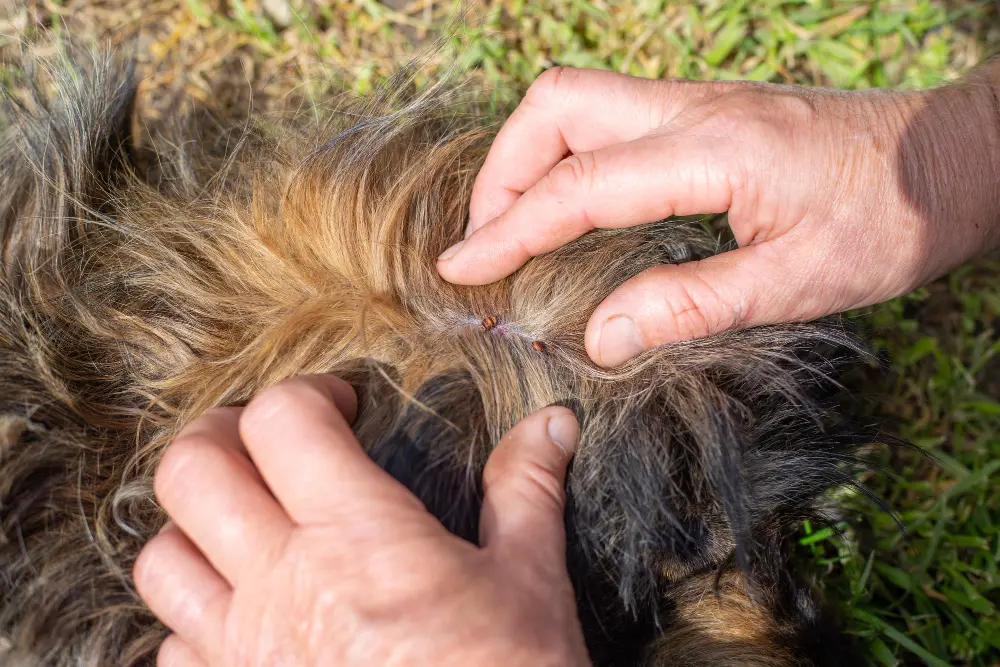
Tick-borne diseases – Ehrlichiosis in particular- directly infect and destroy white blood cells and are a significant and underdiagnosed cause of leukopenia in dogs across India. A dog presenting with fever, lethargy, and leukopenia in a tick-endemic environment should have tick-borne disease serology performed as a priority.
Immune-mediated leukopenia occurs when the dog’s immune system produces antibodies against its own white blood cells, a less common but recognised mechanism, and one that overlaps with other autoimmune blood disorders.
Cancer, leukaemia and lymphoma can infiltrate the bone marrow and displace normal haematopoietic tissue, suppressing WBC production across one or multiple cell lines.
Severe systemic infection or sepsis – in overwhelming bacterial infection, WBCs are consumed at the site of infection faster than the bone marrow can replace them, producing a secondary leukopenia alongside the primary disease.
Related Videos



Diagnosing Low White Blood Cell Count in Dogs
The diagnostic pathway begins with confirming leukopenia and characterising which WBC populations are affected, then identifying the underlying cause.
Complete Blood Count (CBC) – the essential first test. Quantifies total WBC, differential counts by cell type (neutrophils, lymphocytes, monocytes, etc.), and provides concurrent information about red blood cells and platelets. The pattern of which cell types are reduced, and whether other cell lines are also affected, guides subsequent investigation.
Blood smear examination – assesses cell morphology; abnormal lymphocytes may indicate leukaemia; toxic changes in neutrophils point to severe infection or inflammation; the presence of intraerythrocytic parasites may indicate tick-borne disease.
Biochemistry panel – evaluates organ function, liver enzymes, and inflammatory markers; supports identification of systemic illness contributing to marrow suppression.
Tick-borne disease serology – Ehrlichia, Babesia, Anaplasma panels; in India’s climate, this should be part of the standard workup for any dog with leukopenia and a history of tick exposure.
Parvovirus antigen test – rapid in-clinic test; essential in any unvaccinated or incompletely vaccinated dog presenting with leukopenia and gastrointestinal signs.
Bone marrow aspiration or biopsy – indicated when other investigations have not identified a cause, or when leukaemia or aplasia is suspected; provides direct assessment of marrow cellularity and the presence of abnormal cell populations.
Abdominal ultrasound – evaluates lymph node size, spleen, liver, and the presence of any structural abnormality contributing to the haematological picture.
Prognosis and Treatment Options
Prognosis is directly tied to the underlying cause and how early intervention begins.
Infectious causes – dogs with leukopenia from parvovirus require intensive supportive care including IV fluids, nutritional support, antibiotics to prevent secondary bacterial infection (since the dog cannot mount its own defence), and anti-nausea medication. Survival rates are significantly higher with hospitalisation than with home management. Tick-borne disease-related leukopenia typically responds well to appropriate antibiotic therapy (doxycycline for Ehrlichiosis), with WBC counts improving as the infection is controlled.
Drug or toxin-induced leukopenia: removing the offending agent is the priority; marrow recovery can take days to weeks, depending on the degree of suppression.
Immune-mediated leukopenia treated with immunosuppressive therapy; response is variable and requires ongoing monitoring.
Cancer-related leukopenia requires oncology input; management depends on the specific malignancy, its stage, and the owner’s treatment goals.
Growth factor therapy recombinant granulocyte colony-stimulating factor (G-CSF) is occasionally used in severe neutropenia to stimulate marrow WBC production; use is specialised and requires haematology involvement.
Broad-spectrum antibiotics– often initiated empirically while awaiting culture results in leukopenic dogs who are febrile, given the high infection risk.
Related Products

Supportive Care and Monitoring
During recovery, WBC counts are checked on serial CBC panels at intervals determined by severity, sometimes daily in hospitalised critical cases, weekly or bi-weekly in stable outpatients. Nutritional support maintains the body’s capacity to regenerate marrow cells. Dogs with severe leukopenia should be kept away from other animals and high-pathogen environments (dog parks, kennels) until counts recover. Any fever, new lethargy, or wound that is not progressing normally during recovery should prompt immediate re-evaluation.
Preventing Immune System Disorders in Dogs
Several of the most serious causes of leukopenia are preventable:
- Vaccination– canine parvovirus vaccination is among the most important preventive measures in veterinary medicine; unvaccinated and incompletely vaccinated dogs are at significant risk of parvoviral leukopenia
- Year-round tick prevention– reduces the risk of Ehrlichiosis and other tick-borne diseases that are prevalent across India
- Parasite control– chronic parasite burden contributes to immune system strain; regular deworming and ectoparasite management support baseline immune health
- Balanced nutrition – immune function is directly affected by nutritional status; complete, age-appropriate feeding supports haematopoiesis and leukocyte function
- Routine annual blood screening – CBC as part of a health panel can identify developing trends before clinical illness appears
When to Seek Veterinary Care
Go to a veterinarian promptly if your dog develops a high or persistent fever, becomes acutely and severely lethargic, shows repeated or unusually severe infections, is vomiting and has diarrhoea alongside lethargy in an unvaccinated or recently vaccinated status, or if blood work from any context shows a flagged low WBC. A dog with known leukopenia who develops any new fever or clinical deterioration requires same-day assessment, as their capacity to contain infection independently is reduced, and delays have consequences.
Conclusion
Low white blood cell count is a significant finding that warrants proper investigation, not reassurance without assessment. In some cases, the cause is treatable, and the dog recovers fully. In others, it signals a condition requiring long-term management. What is consistent across all presentations is that early identification, prompt investigation, and appropriate treatment produce better outcomes than watchful delay. Routine blood screening and keeping vaccinations current remain the most practical, accessible tools a pet parent has for protecting their dog’s immune health.