
Lupus in dogs is a condition that many pet parents have not heard of until their own dog receives the diagnosis. It is an autoimmune disease, which means the immune system that is supposed to protect the body begins mistakenly attacking the dog’s own tissues. While lupus in dogs is not among the most common conditions, it is one that requires careful management and consistent veterinary care. The good news is that many dogs with lupus, particularly those identified early, go on to live comfortable and stable lives with the right treatment and support at home.
In India, where sun exposure is intense year-round and access to specialist diagnostics varies by region, understanding lupus in dogs matters practically. This article covers what lupus in dogs is, how to recognise it, how it is diagnosed, and how affected dogs are managed day to day.
What Is Lupus in Dogs?
Lupus in dogs is an autoimmune condition in which the immune system loses the ability to distinguish between the body’s own tissues and foreign threats. Instead of protecting the dog, it begins producing antibodies that attack normal cells and tissues. This immune misdirection is the root of all lupus-related damage.
Lupus in dogs presents in two distinct forms, which differ significantly in severity, the tissues affected, and the approach to management.
Discoid Lupus Erythematosus (DLE)
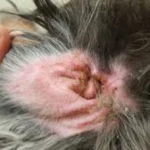
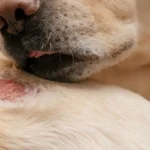
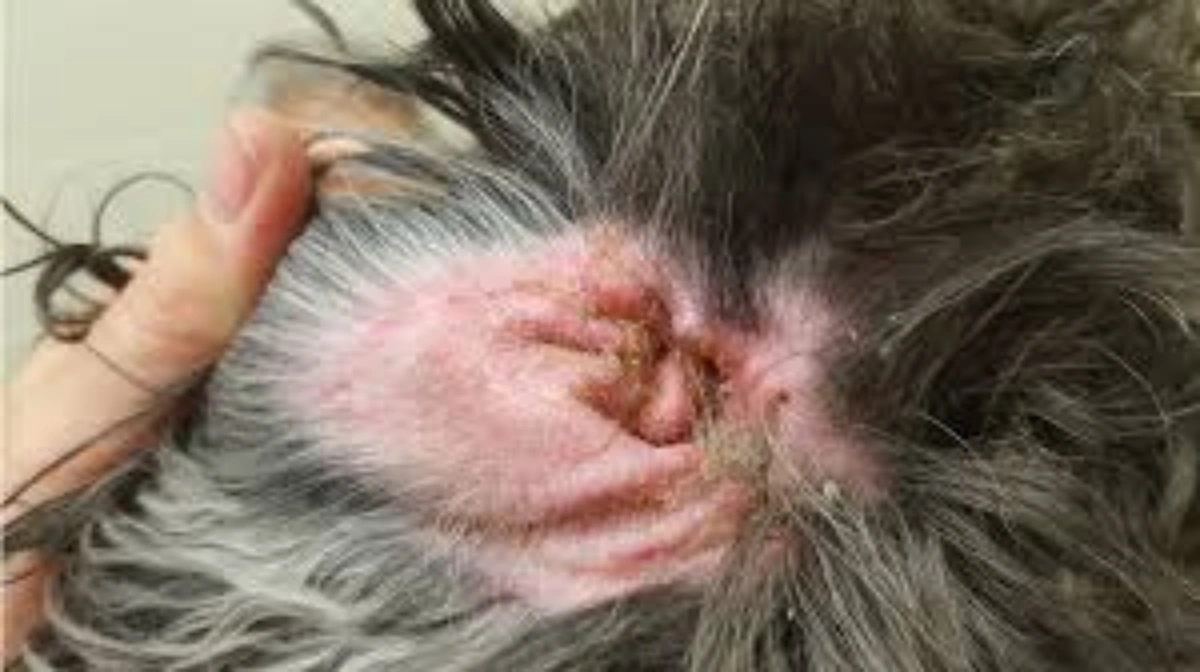
Discoid lupus erythematosus is the milder and more common form of lupus in dogs. It is limited to the skin and most characteristically affects the nose, the area around the nostrils, and sometimes the lips, ears, and skin around the eyes. DLE does not affect internal organs, which is why it carries a better prognosis. The most recognisable early sign is depigmentation of the nose, where the normally dark, firm nasal tissue becomes pale, pink, or ulcerated. Sun exposure significantly worsens DLE, which is an important practical consideration for pet parents in India’s climate.
Systemic Lupus Erythematosus (SLE)
Systemic lupus erythematosus is the more serious and less common form of lupus in dogs. It is a multisystem condition in which the immune system attacks multiple organs including the kidneys, joints, skin, and blood cells. SLE requires more aggressive management and carries a more guarded prognosis, but with consistent treatment many dogs achieve periods of good stability and quality of life.
| Feature | Discoid Lupus (DLE) | Systemic Lupus (SLE) |
|---|---|---|
| Organs affected | Skin only | Multiple organs including kidneys, joints, blood |
| Severity | Mild to moderate | Moderate to severe |
| Most common signs | Nose depigmentation, skin lesions | Fever, joint pain, anaemia, kidney disease, skin lesions |
| Worsened by sun | Yes, significantly | Yes, particularly skin involvement |
| Prognosis | Generally good with management | Variable; manageable with consistent care |
| Treatment intensity | Topical or mild oral therapy | Systemic immunosuppression required |
Symptoms of Lupus in Dogs
The symptoms of lupus in dogs depend on which form the dog has developed. Knowing what to look for helps pet parents seek veterinary advice at the right time.
Symptoms of Discoid Lupus (DLE)
- Loss of pigment on the nose, beginning as a fading of the dark nasal colour to a greyish or pink tone
- The nose surface losing its normal cobblestone texture, becoming smooth, then ulcerated or crusty
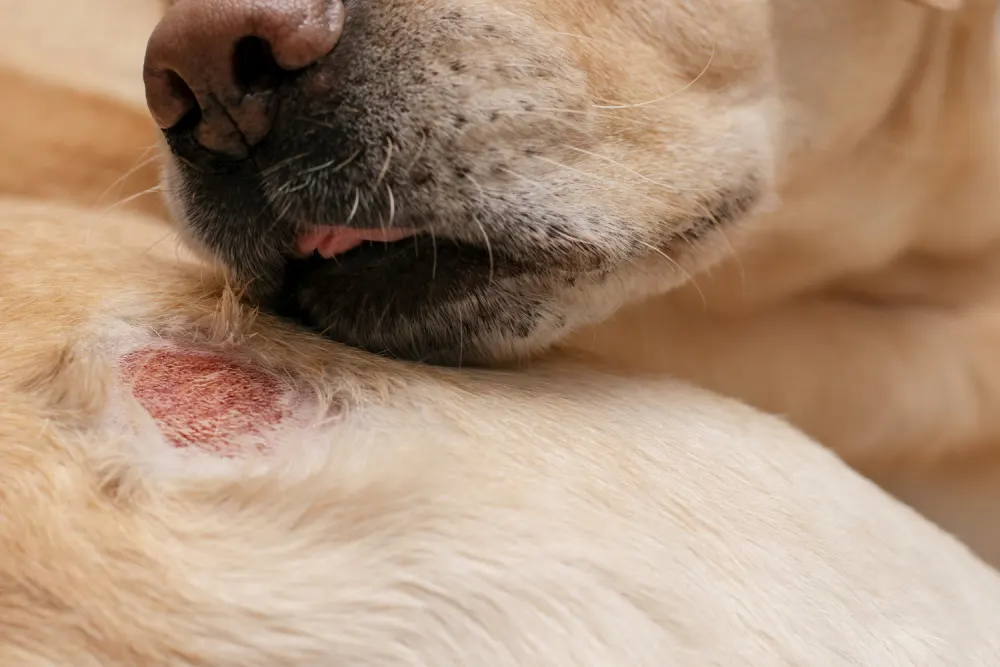
- Redness, scaling, or sores around the nostrils, lips, or eyes
- Hair loss in affected areas
- Worsening of skin changes during periods of increased sun exposure
Symptoms of Systemic Lupus (SLE)
- Recurring or persistent fever without an identifiable infectious cause
- Joint swelling, pain, and lameness that shifts between limbs
- Profound lethargy and reduced interest in normal activities
- Skin lesions, ulcers, or hair loss
- Reduced appetite and gradual weight loss
- Anaemia, presenting as pale gums, weakness, and rapid tiring
- Protein in the urine, indicating kidney involvement
- Swollen lymph nodes
- Oral ulcers in some cases
At VOSD, we have seen dogs brought in with recurring fever and shifting lameness that had been treated repeatedly for suspected tick-borne disease without lasting improvement. In a proportion of these cases, the underlying diagnosis turned out to be lupus in dogs rather than infection, and appropriate immune-modulating treatment brought meaningful stability. A dog that keeps relapsing despite treatment always warrants a broader diagnostic investigation.
Causes and Risk Factors
The exact cause of lupus in dogs is not fully understood, which is consistent with autoimmune disease broadly. Several contributing factors have been identified.
- Genetic predisposition: Certain breeds appear more frequently in reported cases of lupus in dogs. German Shepherd Dogs, Siberian Huskies, Shetland Sheepdogs, Collies, and Afghan Hounds are among those with documented higher incidence of DLE and SLE. However, lupus in dogs can develop in any breed including mixed-breed dogs.
- Ultraviolet light exposure: Sunlight is a well-established trigger for both forms of lupus in dogs, particularly for skin manifestations. In India, where UV intensity is high year-round, this is a practically significant risk factor that can be managed through shade and sun protection.
- Infections: Some infectious agents may trigger an abnormal immune response in genetically predisposed dogs, initiating or worsening autoimmune activity.
- Drug reactions: Certain medications have been associated with drug-induced lupus-like reactions in dogs, though this is less common than naturally occurring forms.
- Hormonal factors: Intact females may be at slightly higher risk for some immune-mediated conditions, though this is not conclusively established for lupus in dogs specifically.
Lupus in dogs is not caused by anything the pet parent has done or failed to do. It is a complex biological process involving genetics and environmental triggers working together.
Related Videos


Diagnosis of Lupus in Dogs
Diagnosing lupus in dogs, particularly the systemic form, requires combining multiple findings rather than relying on a single test. This can make it a complex and sometimes lengthy diagnostic journey.
- Physical examination: Assessment of skin lesions, joint pain, lymph node size, and general body condition provides initial clinical direction.
- Blood tests: A complete blood count may reveal anaemia, low platelet count, or abnormalities in white cell numbers. Biochemistry assesses organ function, particularly kidney health.
- Antinuclear antibody (ANA) test: This specific blood test detects antibodies against the dog’s own cell nuclei. A positive ANA result, combined with clinical signs, supports a diagnosis of SLE. ANA testing may not be universally available across India, and a positive result alone is not sufficient without corroborating clinical evidence.
- Urinalysis: Protein in the urine is an important indicator of kidney involvement in lupus in dogs with SLE.
- Skin biopsy: For DLE diagnosis, a biopsy of affected skin confirms the characteristic inflammatory pattern.
- Joint fluid analysis: In dogs with joint involvement, analysis of fluid collected from affected joints can confirm immune-mediated joint disease.
If your veterinarian suspects lupus in dogs but complete specialist testing is not available locally, they can guide you on where to send samples and whether referral to a veterinary internal medicine specialist or dermatologist is appropriate.
Treatment and Management of Lupus in Dogs
Treatment for lupus in dogs is tailored to the form of the condition and the severity of involvement. There is no one-size-fits-all approach, and treatment is typically long-term.
- For discoid lupus (DLE): Mild cases may be managed with topical corticosteroid creams or tacrolimus applied to affected skin. Sun protection is a critical part of DLE management, including restricting outdoor activity during peak sun hours and providing shade. Oral medications including low-dose corticosteroids or niacinamide with tetracycline are used in more persistent cases.
- For systemic lupus (SLE): Systemic immunosuppression is required. Prednisolone is the most commonly used first-line drug, often combined with azathioprine or other immunosuppressive agents to achieve adequate control. The dose is started high and gradually tapered as the dog responds, with regular blood test monitoring.
- Sun protection for all lupus dogs: In India’s climate, avoiding direct sun exposure between 10am and 4pm, particularly on the face and nose, makes a meaningful practical difference to DLE management. Using pet-safe sunscreen on exposed areas such as the nose is recommended by veterinary dermatologists.
- Regular monitoring: Lupus in dogs requires ongoing veterinary monitoring with periodic blood tests, urinalysis, and clinical reassessment to catch flare-ups early and adjust treatment accordingly.
Related Products





Prognosis: What to Expect
The prognosis for lupus in dogs differs significantly between the two forms.
- Dogs with discoid lupus generally have a good prognosis. DLE is rarely life-threatening, and most dogs achieve stable skin with consistent medication and sun protection. Flare-ups can occur during periods of high sun exposure but are manageable with adjusted treatment.
- Dogs with systemic lupus have a more variable outlook. SLE is a serious condition, and kidney involvement in particular worsens the long-term prognosis. However, many dogs with lupus achieve stable periods of comfortable life with consistent immunosuppressive treatment and regular monitoring. Early diagnosis before significant organ damage meaningfully improves outcomes.
Living with a Dog with Lupus
Caring for a dog with lupus requires attention, consistency, and a degree of practical adaptation at home.
- Limit sun exposure during peak UV hours. Provide shade in the garden or balcony and avoid walks in direct midday sun, particularly in India’s warmer months.
- Use pet-safe sunscreen on vulnerable areas such as the nose and ear tips if your dog spends time outdoors.
- Keep bedding clean, dry, and soft, and monitor skin lesions daily for new changes, worsening, or secondary infection.
- Administer all medications consistently. Never stop corticosteroids or immunosuppressive drugs abruptly without veterinary instruction.
- Offer a balanced, nutritious diet to support overall immune health and organ function.
- Reduce unnecessary stressors, as stress can trigger immune flare-ups in dogs with lupus.
- Attend all scheduled veterinary follow-ups and blood tests to catch any changes in disease activity early.
When to See a Vet
Seek veterinary attention promptly if your dog shows any of the following.
- Progressive loss of pigment or ulceration on the nose or around the face
- Recurring fever that does not resolve or keeps returning after treatment
- Joint swelling or lameness that shifts between limbs
- Pale gums, rapid tiring, or unexplained weakness
- A dog already diagnosed with lupus that is showing new or worsening symptoms despite ongoing medication
Lupus in dogs is a complex autoimmune condition, but it is one that can be managed effectively with the right veterinary care and consistent support at home. Whether your dog has the skin-limited form or the systemic variety, early diagnosis and adherence to treatment make the single most significant difference to outcomes. In India’s climate, managing sun exposure is a practical and impactful part of daily care for any dog with lupus. If you have noticed changes to your dog’s nose, recurring fever, or unexplained joint pain, do not wait to seek veterinary advice. Lupus in dogs is always more manageable when identified and treated early, and many affected dogs live well for years with the right care in place.