
Pseudorabies in dogs, commonly known as mad itch or Aujeszky’s disease, is a serious viral infection that most Indian pet parents have never heard of, and for good reason. It is rare in companion dogs living in urban homes. However, dogs that roam freely, live near farms, or are fed raw or unprocessed meat are at meaningful risk, and the condition progresses so rapidly that awareness genuinely matters.
This article is not intended to cause alarm. Pseudorabies in dogs is rare, but it is also almost entirely preventable with the right information and a few practical changes to how your dog lives and what it eats.
What Is Pseudorabies in Dogs?
Pseudorabies in dogs is caused by Suid herpesvirus 1, also known as Aujeszky’s disease virus. Despite its common name suggesting a connection to rabies, the two diseases are entirely different. Pseudorabies is caused by a herpesvirus, not the rabies virus, and it does not cause the same type of progressive brain disease. The name “mad itch” comes from the intense, frantic itching that is one of the most striking signs of the condition in affected dogs.
Pigs are the natural reservoir and primary host of this virus. They can carry and shed the virus without always showing obvious signs of illness. Dogs are accidental hosts, meaning they can contract the infection from pigs or pig-derived materials but are not part of the natural transmission cycle of the disease. For a dog that is exposed to the virus, however, the consequences are severe and rapid.
| Feature | Detail |
|---|---|
| Causative agent | Suid herpesvirus 1 (Aujeszky’s disease virus) |
| Natural host | Pigs |
| Accidental hosts | Dogs, cats, cattle, sheep |
| Common name | Mad itch, pseudorabies, Aujeszky’s disease |
| Primary concern in dogs | Rapid neurological deterioration, intense self-directed itching |
How Do Dogs Get Pseudorabies?
Pseudorabies in dogs is not transmitted between dogs or from dogs to humans. Transmission always involves contact with an infected pig or pig-derived product. Understanding the routes of exposure helps identify which dogs face genuine risk.
- Eating raw or undercooked pork: This is the most common route of pseudorabies infection in dogs. The virus can survive in raw pork meat, offal, and processing waste from infected pigs. Dogs fed raw pork or those that access slaughterhouse waste, rubbish areas near meat processing facilities, or uncooked pork scraps are at direct risk. In India, where raw meat feeding is practised in some households and free-roaming dogs frequently access food waste, this route is particularly relevant.
- Direct contact with infected pigs: Dogs living near pig farms or in rural settings where pigs roam freely can contract pseudorabies through direct nose-to-nose contact or through contact with pig saliva, nasal secretions, or urine. This is most relevant for dogs in peri-urban and rural India near piggeries or households that keep pigs.
- Contact with infected carcasses: Dogs that scavenge on pig carcasses or animal waste near abattoirs can be exposed to the virus even without direct pig contact. Free-roaming and stray dogs in areas near meat processing or pig farming face this exposure regularly.
It is worth emphasising that pseudorabies in dogs cannot spread from one dog to another, and it is not transmitted through routine contact between a dog and its human family.
Symptoms of Mad Itch in Dogs
The symptoms of pseudorabies in dogs are distinctive, particularly the intense itching that gives the condition its common name. Once symptoms begin, progression is extremely rapid, typically over hours rather than days. This makes early recognition critical, even though there is no curative treatment once the virus has taken hold.
Early signs:
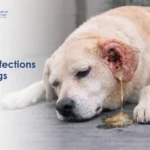
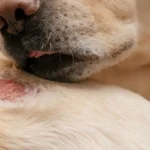
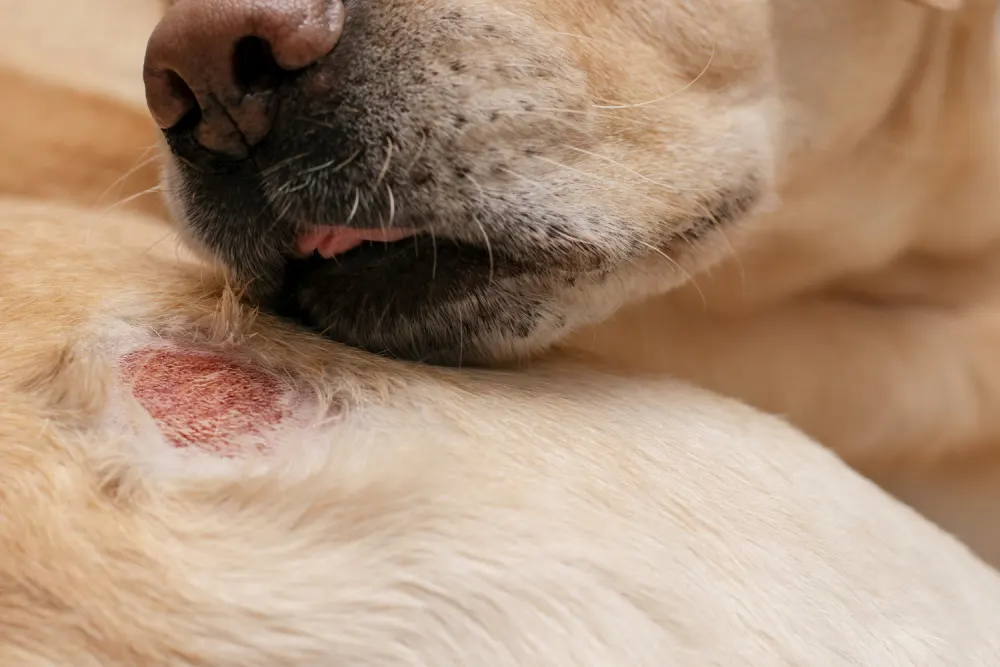
- Sudden onset of intense, frantic itching, most commonly around the face, muzzle, neck, and ears
- Rubbing the face and head violently against surfaces, floors, or furniture
- Scratching at the face and head with the paws
- Restlessness and visible distress that appears suddenly without an obvious external cause
- Vocalisation, whimpering, or crying associated with the itching sensation
Signs of neurological involvement as the illness progresses:
- Disorientation and confusion
- Incoordination and difficulty walking in a straight line
- Seizures or convulsions
- Changes in behaviour, including unusual aggression or extreme fearfulness
- Excessive salivation and difficulty swallowing
- Paralysis in the later stages
If your dog suddenly begins scratching at its own face with extreme intensity and there are no visible fleas or skin changes to explain it, and your dog has had any access to raw pork or pig-related environments, this warrants emergency veterinary contact rather than monitoring at home. The window between first symptoms and serious neurological deterioration in pseudorabies in dogs can be very short.
Related Videos

When to See a Vet
Pseudorabies in dogs is a veterinary emergency. If your dog shows sudden, intense itching of the face or head alongside any behavioural change, disorientation, or neurological sign, contact your vet immediately. Do not wait to see if the symptoms settle.
When you call, mention whether your dog has had any access to raw pork, pig waste, or pig farm environments. This history will help your vet assess pseudorabies alongside other possible causes and respond appropriately.
Diagnosis of Pseudorabies in Dogs
Diagnosing pseudorabies in dogs is challenging, partly because the disease progresses so quickly and partly because specific testing is not widely available in routine veterinary settings across India. Your vet will approach the situation as follows:
- Clinical presentation and exposure history: The combination of sudden intense facial itching, rapid neurological deterioration, and a clear history of raw pork or pig contact is highly suggestive of pseudorabies. This clinical picture, particularly the itching distribution and speed of progression, is often enough to make a strong working diagnosis.
- Ruling out rabies: Because pseudorabies in dogs can produce behavioural changes and neurological signs similar to rabies, your vet will consider both conditions. The history of pig or raw pork exposure and the distinctive itching pattern help differentiate them.
- Laboratory confirmation: Definitive diagnosis requires specialist viral testing, including PCR on blood, saliva, or tissue samples, or post-mortem brain tissue analysis. These tests are available at veterinary university laboratories and specialist diagnostic facilities in India’s major cities. In a rapidly deteriorating patient, treatment decisions may need to be made before confirmation is available.
- Ruling out other causes of acute itching: Severe allergic reactions, insect envenomation, and certain toxin exposures can also cause sudden intense itching. Your vet will consider these alongside pseudorabies, particularly if pig exposure is unclear or uncertain.
Treatment and Management of Pseudorabies in Dogs
This is the part of the article where honesty matters more than comfort. There is no antiviral treatment that can clear the pseudorabies virus once infection has established in a dog’s nervous system. By the time neurological symptoms are visible, the prognosis is very poor, and most affected dogs do not survive beyond 24 to 48 hours of symptom onset.
What veterinary care can offer in this situation:
- Supportive and comfort care: Sedation to reduce distress and prevent self-injury from frantic scratching is one of the most important immediate interventions. Your vet may use sedative medications to help keep the dog calm and reduce suffering during the acute phase.
- Anti-seizure medication: If seizures are occurring, anticonvulsant medication may be used to reduce their frequency and severity, though they are unlikely to stop the progression of the disease.
- Hydration support: Intravenous fluids may be used to maintain comfort and basic physiological support in dogs that are hospitalised.
- Humane end-of-life decisions: Given the very poor prognosis once neurological signs have developed, your vet may discuss euthanasia as a compassionate option to prevent prolonged suffering. This is a deeply personal decision and one that deserves to be made with full understanding of the dog’s condition and the likely trajectory of illness.
There is no benefit in searching for home remedies or delaying veterinary involvement. The only meaningful thing a pet parent can do at this stage is ensure the dog is safe from self-injury and receives professional veterinary support as quickly as possible.
Prognosis for Pseudorabies in Dogs
The prognosis for pseudorabies in dogs is, in most cases, very poor. Dogs that develop neurological symptoms almost universally deteriorate rapidly and do not recover. Death typically occurs within one to two days of symptom onset in untreated or advanced cases.
This reality makes prevention the only genuinely effective strategy when it comes to pseudorabies in dogs. There is no vaccination available for dogs, and there is no curative treatment. Every practical prevention measure is therefore more valuable than any treatment option.
Caring for a Dog Showing Symptoms
If your dog is showing signs that suggest pseudorabies, the following steps will help keep both your dog and your household safe while you seek emergency veterinary care:
- Do not leave the dog unsupervised. Frantic scratching can cause significant self-inflicted wounds within a very short period of time.
- Wrap the dog gently in a blanket or towel to reduce self-trauma if the scratching is severe, but avoid restraining it forcefully as this increases distress.
- Avoid contact with the dog’s saliva as a precautionary measure. Wear gloves if you need to handle the dog’s mouth area or any discharge.
- Keep the dog away from other pets and children during transport to the vet.
- Call your vet ahead of arriving so they can prepare appropriately and advise you on handling during transport.
- Stay as calm as possible around the dog. An anxious owner increases a distressed dog’s agitation.
Prevention of Pseudorabies in Dogs
Prevention of pseudorabies in dogs is straightforward and highly effective when followed consistently. Because the virus always enters through pig contact or pig-derived products, these steps address the risk directly:
- Never feed raw or undercooked pork: This is the single most important preventive measure. Pork scraps, raw pork offal, and unprocessed pork products should never be given to dogs, regardless of how they were sourced. Cooking pork thoroughly before feeding eliminates the virus.
- Prevent access to slaughterhouse waste and meat processing rubbish: Dogs that roam freely near abattoirs, meat markets, or food waste disposal areas are at significant risk. Where possible, restrict access to these environments.
- Supervise dogs in rural areas near pig farms: Dogs in peri-urban and rural India near piggeries should be kept away from pig housing areas and prevented from contact with pigs or their waste.
- Prevent scavenging on animal carcasses: Dogs should be discouraged from investigating or eating any animal carcass found outdoors, regardless of its apparent species or condition.
- Keep free-roaming dogs away from high-risk food waste areas: For community dogs and rescues in your care, monitoring the environments they access and reducing exposure to pig-related waste reduces risk meaningfully.
Is Pseudorabies Dangerous to Humans?
Pseudorabies in dogs is not considered a significant risk to humans under normal circumstances. There are no confirmed cases of Suid herpesvirus 1 causing disease in immunocompetent adult humans through contact with an infected dog. The virus does not replicate in the human body in the way it does in accidental animal hosts.
As a general precaution, avoid direct contact with saliva or neurological tissue from a dog suspected of having pseudorabies, and wash hands thoroughly after any contact with an ill dog. This is standard hygiene practice and is sufficient protection for healthy adults.
Pseudorabies in dogs is a rare but serious viral infection with a very poor prognosis once symptoms appear. It is almost entirely preventable through straightforward dietary and environmental management. Avoiding raw pork, preventing access to pig farm environments, and supervising dogs in areas where pig carcasses or processing waste may be accessible are the steps that genuinely protect your dog from this condition.
If your dog ever shows sudden, frantic facial itching alongside behavioural changes or neurological signs, do not wait. Contact your vet immediately and mention any possible pig or raw pork exposure. In pseudorabies in dogs, speed of response and quality of supportive care are the only tools available once symptoms have begun.