
Many pet parents notice something small first. A dog that is a little slower in the morning. A lump they noticed a few months ago that seems slightly larger. A gradual fading of appetite that is easy to put down to the heat or a batch of food the dog did not like. These small observations matter more than they might seem. Subtle signs of cancer in pets are often the first indicators, and catching them early consistently produces better outcomes. This is not about fear, it is about knowing what to look for.
Why Early Detection of Cancer in Pets Matters
Cancer in dogs and cats is genuinely common. It is one of the leading causes of death in middle-aged and older pets worldwide, and the pattern is similar in India. Because many pet parents do not associate subtle changes in behaviour or appearance with cancer, the condition is frequently diagnosed at a more advanced stage than it needed to be.
Early detection matters because the treatment options available at an early stage are broader, less invasive, and more likely to result in extended good-quality life. A tumour removed when it is small and localised has a fundamentally different outcome profile from the same tumour found after it has grown significantly or spread.
What Causes Cancer in Pets
Cancer develops when cells begin dividing and growing abnormally. Several factors influence this risk:
- Age is the most significant factor. Most cancers in pets occur in animals over seven years of age.
- Genetic predisposition means that certain breeds carry higher lifetime cancer risk. Golden Retrievers, Boxers, Bernese Mountain Dogs, and several others are well-documented examples.
- Unsterilised animals have higher risk of hormone-driven cancers, including mammary cancer in females and testicular cancer in males.
- Chronic inflammation from untreated infections or injuries creates a cellular environment where abnormal growth is more likely.
- Environmental exposures including secondhand smoke, pesticide residue, and pollution may contribute, though this is harder to quantify in individual cases.
How Vets Diagnose Cancer in Pets
Diagnosis typically involves a combination of physical examination, blood work, imaging, and tissue sampling. Not every lump, every weight change, or every behavioural shift turns out to be cancer, many findings have entirely benign explanations. The important principle is that changes which persist, worsen, or are accompanied by other signs deserve professional assessment rather than extended home observation.
A fine needle aspirate, a simple, minimally invasive procedure where a small sample of cells is taken from a lump with a needle, can often provide a preliminary answer within hours. Biopsy with histopathology provides definitive diagnosis. Blood work, X-rays, and ultrasound help assess the extent of any disease found.
Sign 1: Unexplained Weight Loss
A dog or cat that is losing weight despite eating normally, or whose appetite has gradually faded over weeks, is showing a pattern that always warrants veterinary investigation.
What to Watch For
- Visible ribcage or hip bones in a dog that was previously well-covered
- Reduced muscle mass, particularly noticeable over the back and hindquarters
- Weight loss continuing despite no change in food or apparent activity level
Why It Happens
Tumours can alter the body’s metabolism and compete for nutrients. Some cancers produce substances that reduce appetite. Gastrointestinal tumours can interfere with digestion and absorption. Weight loss is one of the most consistent non-specific signs of cancer across species.
When to Act
If your pet has lost noticeable body condition over two to three weeks without a clear dietary or environmental explanation, a veterinary assessment with blood work and physical examination is appropriate.
Sign 2: Lumps or Swellings That Persist or Grow
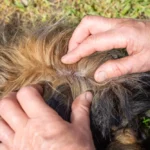
Not every lump is cancer, fatty lipomas, cysts, and inflammatory swellings are all common and frequently benign. But a lump that is growing, hardening, or changing in character over weeks deserves professional evaluation rather than continued monitoring at home.
What to Watch For
- A lump that is larger than it was a month ago
- A firm, irregular, or fixed lump rather than a soft, moveable one
- Multiple lumps appearing over a short period
- A lump in a location associated with higher cancer risk, such as the mammary glands in unsterilised females
Diagnostics
A fine needle aspirate is the first diagnostic step for most lumps. It is quick, minimally uncomfortable, and often provides useful preliminary information. Biopsy provides definitive tissue diagnosis when needed.
Related Videos



Sign 3: Wounds or Sores That Do Not Heal
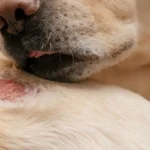
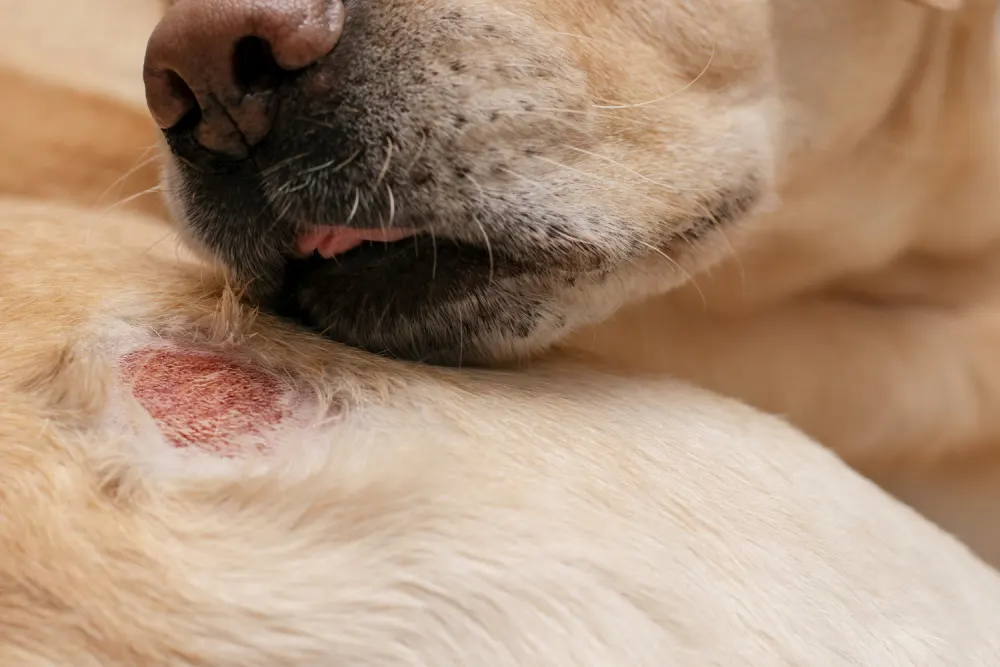
A wound that is not healing despite appropriate care, or a sore that keeps reopening or expanding, is one of the subtle signs of cancer in pets that is particularly easy to dismiss as a slow-healing injury.
Why It Happens
Certain tumours, including mast cell tumours and squamous cell carcinoma, can appear as or within skin lesions. The abnormal tissue does not heal normally because the underlying cellular process is ongoing. In street and rescue dogs with frequent skin injuries, this sign can be particularly easy to miss.
When to Act
Any wound that has not shown clear improvement after ten to fourteen days of appropriate treatment, or that keeps reopening, should be evaluated for underlying causes beyond simple infection or injury.
Sign 4: Loss of Appetite or Reduced Interest in Food
A subtle, gradual reduction in food interest is different from a dog that refuses a meal because the food has changed or the weather is hot. The pattern to look for is a pet that was reliably food-motivated and is now consistently less interested over a period of weeks.
What to Watch For
- Eating noticeably less than usual at each meal without a dietary explanation
- Selective eating, picking out certain ingredients and leaving others, which may indicate nausea or oral discomfort
- Reluctance to approach the food bowl that is new and unexplained
Why It Happens
Internal tumours affecting the gastrointestinal tract, liver, or spleen can cause nausea, discomfort, and metabolic changes that reduce appetite. Tumours in the oral cavity may make eating uncomfortable. Systemic effects of cancer can reduce appetite through hormonal and metabolic mechanisms.
Sign 5: Persistent Unusual Lethargy
Every dog has low-energy days. The pattern that suggests something more serious is one of ongoing reduced energy that persists across days and weeks rather than a single quiet afternoon.
What to Watch For
- A dog that used to greet you enthusiastically but now lifts its head and settles back down
- Reduced engagement with activities that previously produced obvious interest, including walks, play, and interaction
- Sleeping longer and more deeply than usual, and not responding to normal cues to get up
- Progressive rather than episodic, the energy level is consistently declining rather than fluctuating
Lethargy alone is not specific to cancer and can reflect many conditions, but when it is persistent and accompanied by any of the other subtle signs of cancer in pets on this list, it becomes a meaningful part of the pattern.
Sign 6: Changes in Bathroom Habits
Changes in urination or defecation that persist beyond a day or two are among the subtle signs of cancer in pets most commonly attributed to other causes a dietary change, a minor infection, or simply variation. But patterns that persist or recur warrant attention.
What to Watch For
- Blood in the urine, which appears as pink, red, or brown discolouration
- Blood in the stool, either as bright red streaks or as dark, tarry stools
- Straining to urinate or defecate without producing the expected amount
- A significant change in frequency in either direction
- Faecal ribbon-like shape, which can indicate mass lesions narrowing the intestinal passage
Diagnostics
Urine analysis, faecal examination, blood work, and abdominal ultrasound are the appropriate initial steps when these changes are persistent. Many of these signs have non-cancerous explanations, but cancer of the bladder, colon, prostate, and intestinal tract all present through changes in elimination.
Sign 7: Persistent Cough or Breathing Difficulty
A cough that resolves within a week or two alongside other signs of respiratory infection is usually exactly that. A cough or breathing change that persists beyond two weeks, does not respond to appropriate treatment, or gradually worsens is one of the subtle signs of cancer in pets that warrants chest imaging.
Why It Happens
Primary lung tumours, pleural effusion from metastatic cancer, and thoracic masses can all cause respiratory signs. Some cancers that originate elsewhere spread to the lungs as a secondary site, producing cough as a late sign. A persistent soft cough in a middle-aged or older dog with no obvious respiratory infection history should be investigated with chest X-rays.
When to Act
If a cough has been present for more than two weeks, has not responded to treatment, or is accompanied by exercise intolerance or breathing effort at rest, chest imaging is appropriate as part of the investigation.
Treatment Options and Prognosis
When cancer is confirmed, the treatment approach depends on the type, location, extent of disease, and the individual patient’s overall health. Options include:
- Surgery: For many solid tumours, surgical removal offers the best chance of cure or long-term control when the tumour is localised and accessible.
- Chemotherapy: For cancers such as lymphoma that respond well to systemic treatment, chemotherapy protocols can produce remission periods of months to years.
- Radiation therapy: Available at specialist veterinary oncology centres in India’s larger cities, for tumours in locations not amenable to surgery.
- Palliative care: For dogs where curative treatment is not possible or the owner’s choice, palliative care focuses on maintaining comfort and quality of life for as long as possible.
Quality of life is always a central consideration in cancer care decisions. A dog that is comfortable, engaged, and enjoying daily life even with active disease, is doing well by the measure that matters most.
Caring for a Dog with Cancer
Practical day-to-day care for a dog with cancer centres on maintaining comfort and dignity:
- Feed a nutritious, consistent diet and monitor body weight regularly
- Give all medications at the correct times and attend all follow-up appointments
- Maintain normal routines where the dog’s energy and comfort allow familiar rhythms are reassuring
- Watch for pain signs including changes in posture, reluctance to be touched, and behavioural changes
- Support your own emotional wellbeing, caring for a seriously ill pet is genuinely demanding, and seeking support from your veterinary team and other caregivers is appropriate