You notice your dog panting heavily after almost no activity. Or perhaps they seem suddenly restless, their heart racing beneath your hand when you reach out to calm them. A visit to the vet reveals something unexpected: an abnormal heart rhythm. The vet mentions a condition called Wolff-Parkinson-White syndrome in dogs.
It sounds complex, and honestly, it is not among the most common heart conditions vets see. But Wolff-Parkinson-White syndrome in dogs is an important condition to understand, because when it is diagnosed early and managed properly, many dogs go on to live comfortable, well-monitored lives. This guide breaks down everything you need to know, without unnecessary alarm.
What Is Wolff-Parkinson-White Syndrome in Dogs?
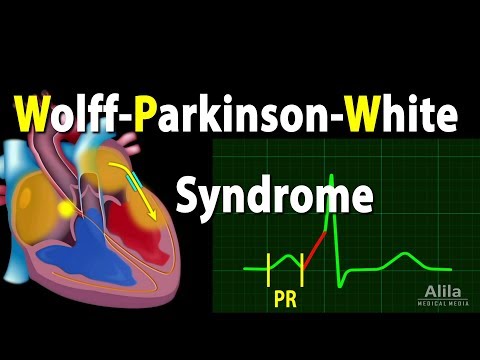
Wolff-Parkinson-White syndrome, commonly referred to as WPW syndrome, is a heart rhythm disorder caused by the presence of an extra electrical pathway in the heart. In a healthy dog, the heart’s electrical signals follow a specific route that controls the timing and rhythm of each beat. In a dog with WPW syndrome, there is an additional accessory pathway that allows electrical signals to travel faster than they should.
This shortcut bypasses the normal delay that the heart relies on to beat in a controlled, coordinated way. The result is an abnormally rapid heart rate, a condition known as tachycardia, which can arrive suddenly and without warning.
Think of it like a road system where every driver is supposed to pass through a roundabout to slow down before entering a busy junction. In WPW syndrome, there is a hidden side road that bypasses the roundabout entirely, causing the traffic to arrive too quickly and creating chaos at the junction. The heart experiences something similar.
How a Dog’s Heart Normally Works
In a healthy dog, the heart’s electrical signal begins at the sinoatrial (SA) node in the right atrium. It travels through the atria, causing them to contract, and then passes through the atrioventricular (AV) node, which introduces a brief, deliberate delay. This delay allows the ventricles to fill with blood before they contract and pump it out to the body and lungs.
This system is elegant in its precision. Every beat is timed, every chamber has a role, and the whole process happens thousands of times a day without a single conscious effort from your dog.
What Happens in WPW Syndrome
In Wolff-Parkinson-White syndrome, the accessory pathway bypasses the AV node entirely. Electrical signals travel directly from the atria to the ventricles via this extra route, arriving far too early. This can set off a cycle of very rapid heartbeats as signals loop between the normal and accessory pathways, resulting in a sustained episode of tachycardia.
During these episodes, the heart beats so rapidly that it cannot fill properly between beats, reducing the amount of blood pumped with each cycle. This is what causes the symptoms that pet parents may notice.
Symptoms of WPW Syndrome in Dogs
The symptoms of Wolff-Parkinson-White syndrome in dogs vary depending on how frequently episodes of tachycardia occur and how long they last. Some dogs may experience only occasional, brief episodes, while others may have prolonged or recurrent episodes that significantly affect their quality of life.
Common symptoms include:
- Sudden rapid or racing heartbeat, noticeable when you place your hand on your dog’s chest
- Restlessness or agitation during an episode
- Unusual fatigue or weakness, especially after mild activity
- Heavy or laboured breathing unrelated to heat or exercise
- Exercise intolerance, tiring very quickly during walks
- Pale or greyish gums during or after an episode
- Fainting or collapse in more severe cases
It is worth noting that episodes can come and go. Your dog may appear completely normal between episodes, which can make the condition easy to miss without proper monitoring.
What Pet Parents May Notice at Home
At home, you may notice your dog has moments of sudden restlessness or seems confused and unsettled for no obvious reason. They may pace, lie down quickly, or seem reluctant to move. After the episode passes, they often return to normal, which can leave pet parents wondering whether they imagined it.
If you notice your dog’s heart beating very rapidly when you gently place your hand on their chest, make a note of the time, duration, and any associated behaviour. This information is genuinely helpful for your vet when assessing what is happening.
When It Becomes an Emergency
Some situations require an immediate visit to the vet rather than a scheduled appointment:
- Fainting or collapse that lasts more than a few seconds
- Prolonged rapid heartbeat that does not resolve within a few minutes
- Severe breathing difficulty or open-mouth breathing in a dog that is not a brachycephalic breed
- Blue or grey gums, which indicate reduced oxygen circulation
- Complete unresponsiveness
These are signs that your dog needs urgent veterinary attention. Stay calm, keep your dog still and quiet, and get to a vet as quickly as possible.
Causes of Wolff-Parkinson-White Syndrome in Dogs
Wolff-Parkinson-White syndrome in dogs is generally considered a congenital condition, meaning the extra electrical pathway is present from birth. It is part of how the heart developed in that individual dog, and it is not caused by anything the pet parent did or did not do. It is not linked to diet, exercise, environment, or care practices.
In some dogs, WPW syndrome occurs in isolation with no other cardiac abnormality. In others, it may be associated with underlying structural heart disease, such as cardiomyopathy or congenital defects, which can complicate the clinical picture.
| Factor | Details |
|---|---|
| Origin | Congenital (present from birth) |
| Cause | Extra accessory electrical pathway in the heart |
| Associated conditions | May occur alongside structural heart disease |
| Preventable? | No — not caused by lifestyle or environment |
| Age of onset | Often identified in young to middle-aged dogs |
Risk Factors
Because WPW syndrome is congenital, it can technically occur in any dog. However, certain factors may increase the likelihood of it being identified:
- Young dogs, in whom congenital conditions are more likely to be detected early
- Dogs already known to have structural heart disease, which may prompt more thorough cardiac screening
- Dogs presenting with unexplained episodes of tachycardia, collapse, or exercise intolerance
There is currently insufficient evidence to make strong breed-specific generalisations about WPW syndrome in dogs. Any breed can be affected.
Related Videos




Diagnosis of WPW Syndrome in Dogs
Diagnosing Wolff-Parkinson-White syndrome in dogs requires cardiac testing. A physical examination alone, even by an experienced vet, is not sufficient to confirm WPW syndrome or distinguish it from other arrhythmias.
The primary diagnostic tools include:
- Electrocardiogram (ECG or EKG): This is the most important test. An ECG records the heart’s electrical activity and can identify the characteristic pattern associated with WPW syndrome, particularly the delta wave.
- Holter monitor: A 24-hour or 48-hour portable ECG worn at home. This is especially useful when episodes are intermittent and may not occur during a brief clinic visit. It captures the heart’s rhythm over an extended period in your dog’s normal environment.
- Echocardiography (cardiac ultrasound): Used to examine the structure and function of the heart, rule out concurrent structural disease, and assess overall cardiac health.
- Blood tests: To check for underlying illness, electrolyte imbalances, or anaemia that could be contributing to or complicating the arrhythmia.
What Vets Look For on ECG
On an ECG, the hallmark of Wolff-Parkinson-White syndrome is a feature called a delta wave. This is a slurred or blurred upstroke at the beginning of the QRS complex — the part of the ECG that represents ventricular contraction. The delta wave appears because the ventricles begin to depolarise early, before the normal AV node signal even arrives, due to the accessory pathway.
Vets also look for a shortened PR interval, which reflects the faster-than-normal conduction through the accessory pathway. Together, these findings on an ECG provide a strong basis for diagnosing WPW syndrome in dogs.
Treatment Options for WPW Syndrome in Dogs
Treatment for Wolff-Parkinson-White syndrome in dogs depends on the frequency and severity of episodes, the presence of associated heart disease, and how well the dog is tolerating the condition. Not every dog with WPW syndrome requires the same level of intervention.
| Situation | Approach |
|---|---|
| Rare, brief episodes with no symptoms | Monitoring and regular ECG reviews |
| Frequent or prolonged episodes | Anti-arrhythmic medication to control rate and rhythm |
| Associated structural heart disease | Treat underlying cardiac condition alongside arrhythmia management |
| Severe, life-threatening tachycardia | Emergency stabilisation, IV medication, hospitalisation |
| Advanced cases (limited availability in India) | Radiofrequency catheter ablation to destroy the accessory pathway |
Emergency Management
When a dog with WPW syndrome arrives at a vet clinic in an active episode of severe tachycardia, the immediate priority is stabilisation. This typically involves:
- Supplemental oxygen to support circulation
- Intravenous anti-arrhythmic medication to slow and stabilise the heart rate
- Continuous ECG monitoring throughout the episode
- Intravenous fluids if the dog is compromised or in shock
Once stabilised, the vet will assess the need for ongoing medication and further cardiac investigation.
Long-Term Management
For dogs requiring ongoing treatment, long-term management of WPW syndrome typically involves daily oral anti-arrhythmic medication to reduce the frequency and severity of episodes. Consistent administration of medication is essential. Skipping doses or stopping medication without veterinary guidance can trigger a return of episodes, sometimes more severe than before.
Regular follow-up appointments, including periodic ECGs, allow your vet to assess whether the current treatment is working and adjust if necessary. In India, access to advanced cardiac facilities varies significantly by city, so it is worth speaking openly with your vet about what is available in your area and what is realistic for your household.
Radiofrequency catheter ablation, a procedure that destroys the accessory pathway and potentially cures WPW syndrome, exists in human medicine and is occasionally available in veterinary referral centres. However, its availability in India is very limited and it remains a specialist option rather than a routine treatment.
Prognosis
The prognosis for Wolff-Parkinson-White syndrome in dogs varies depending on how often episodes occur, whether there is underlying heart disease, and how well the condition responds to treatment. Dogs with infrequent, well-controlled episodes generally do well and can maintain a good quality of life with appropriate monitoring and medication.
Dogs with more frequent or severe episodes, or those with concurrent cardiac disease, face a more guarded outlook. However, even in these cases, proper management can significantly improve comfort and longevity. The key is not to delay evaluation once the condition is suspected.
Living with a Dog with WPW Syndrome
Caring for a dog with Wolff-Parkinson-White syndrome requires some adjustments, but it does not need to be overwhelming. A few practical habits make a meaningful difference:
- Keep all scheduled vet appointments and do not skip follow-up ECGs
- Administer medication at the same time each day without missing doses
- Avoid over-exertion and high-intensity exercise, particularly in the heat
- Keep your dog calm during stressful situations such as loud festivals, fireworks, or travel
- Know the signs of an episode and have a plan ready for getting to your vet quickly if needed
- Keep a simple log of any episodes you notice at home, including duration and symptoms
Related Products

Prevention and Awareness
Because Wolff-Parkinson-White syndrome in dogs is congenital, it cannot be prevented. The extra electrical pathway is present from birth and is not the result of any external cause. What you can do is ensure your dog receives regular health checks that include cardiac auscultation, so any rhythm abnormality is identified as early as possible.
If your dog has been diagnosed with any form of heart disease, ask your vet whether an ECG screening for accessory pathway arrhythmias would be appropriate. Early diagnosis consistently leads to better outcomes.
Wolff-Parkinson-White syndrome in dogs is a rare but genuinely manageable condition when it is identified early and handled with appropriate veterinary care. The extra electrical pathway cannot be prevented, and it is not the result of anything you have done or failed to do as a pet parent. What matters now is timely diagnosis, consistent treatment, and thoughtful monitoring.
If your vet has mentioned the possibility of WPW syndrome, or if your dog has been experiencing unexplained episodes of rapid heartbeat, weakness, or collapse, do not wait. A proper ECG evaluation is the right next step, and the sooner you have answers, the sooner you can put a clear, calm management plan in place for your dog.