
It can be unsettling to look at your dog and notice that their face looks puffy, lopsided, or swollen in a way that was not there a short while ago. A dog swollen face can develop over hours or over days, and it understandably causes concern. The reassuring reality is that most cases have an identifiable cause and respond well to appropriate treatment. Understanding what you are looking at, and knowing when it needs urgent attention, makes a meaningful difference in how quickly your dog recovers.
Symptoms of a Swollen Face in Dogs
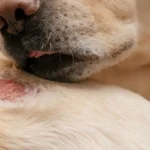
Facial swelling in dogs does not always look the same. Depending on the underlying cause, you may notice different signs alongside the puffiness itself.
- Visible puffiness around the muzzle, cheeks, or under the eyes
- Swelling on one side of the face only, which often points to a dental abscess or localised injury
- Redness or warmth over the swollen area
- Pawing at the face or rubbing it against surfaces
- Difficulty eating, reluctance to chew, or dropping food
- Drooling more than usual
- A foul smell from the mouth, particularly in cases involving dental infection
- Lethargy or reduced interest in activity
- In severe allergic reactions, laboured breathing or restlessness alongside the swelling
When swelling is accompanied by breathing difficulty, rapid deterioration, or extreme weakness, this moves from a concern to an emergency requiring immediate veterinary care.
Common Causes of Facial Swelling in Dogs
A dog swollen face can result from several different conditions. Some are mild and short-lived; others need treatment to resolve. The following are the most frequent causes seen in Indian dogs, both pets and rescues.
1. Allergic Reactions
Allergic reactions are among the most common reasons for sudden facial swelling in dogs, particularly around the muzzle and eyes. In our experience with rescues and community dogs, insect bites and stings are a frequent trigger, especially during warmer months when bees, wasps, and other insects are active. Food allergies and reactions to medications can also cause this pattern of swelling.
A dog that was completely normal a short while ago and has suddenly developed a puffy face is showing a presentation that is often allergic in origin. Mild reactions may settle with veterinary antihistamine treatment. However, if the swelling is affecting the throat, your dog is struggling to breathe, or they seem unusually weak or distressed, seek veterinary help immediately. Severe allergic reactions can escalate quickly.
2. Dental Abscess or Infection
Dental problems are a particularly common and often underrecognised cause of dog facial swelling in India. Poor dental care awareness means many dogs develop significant tooth root infections before the problem is identified. A dental abscess typically causes a slow-building swelling on one side of the face, often below the eye or along the jaw line, as the infection at the tooth root spreads into the surrounding tissue.
Other signs that point towards a dental cause include reluctance to eat hard food, pawing at the mouth, a persistent unpleasant smell from the mouth, and visible discomfort when the area is touched. Treatment requires veterinary attention, as the underlying tooth will need to be assessed and the infection treated with antibiotics and often with extraction.
3. Injuries and Trauma
Dogs, particularly those with outdoor access or those living on the street, are exposed to situations that can cause facial injuries. Fights with other dogs, road accidents, encounters with sharp objects, or even a stick injury while playing can all result in facial swelling. The swelling in trauma cases often develops over hours after the incident as tissue responds to the damage.
In rescued dogs or community dogs being brought into care, unexplained facial swelling with no clear allergic or dental pattern often turns out to have a traumatic origin. Even if the wound is not visible, internal bruising and tissue damage can cause significant puffiness.
4. Insect Bites and Stings
Separate from generalised allergic reactions, a direct insect bite or sting on the face can cause localised swelling at the site, even without a full-body allergic response. Dogs are curious animals and often investigate insects with their nose and mouth, making the muzzle and lip area particularly vulnerable. This type of swelling is usually localised, develops quickly, and in most cases resolves within a day with appropriate care.
5. Growths and Tumours
Less commonly, a swelling on the face may represent a growth rather than an inflammatory process. Tumours, cysts, or abscesses that are not related to teeth can all present as a visible lump or area of swelling. These tend to develop more gradually than allergic or traumatic swelling and do not come with the same sudden-onset pattern. Any growth that persists, enlarges, or changes in texture should be assessed by a vet. Most are benign, but early evaluation is always worthwhile.
How Vets Diagnose Facial Swelling in Dogs
When a dog with facial swelling is brought in for assessment, the veterinary approach is systematic and not complicated to understand.
- History and onset: How quickly did the swelling appear? Was your dog recently outside, in contact with other animals, or has their diet changed? This information significantly narrows the likely cause.
- Physical examination: The vet will assess the distribution of swelling, check the mouth and teeth, examine the skin for bite marks or wounds, and assess the lymph nodes.
- Dental examination: If a dental cause is suspected, the vet will examine the teeth and gums carefully and may recommend dental X-rays to assess the tooth roots.
- Blood work: In cases where infection or systemic illness is suspected, blood tests help assess the extent of the problem and guide treatment.
- Fine needle aspirate: If a discrete lump is present, the vet may take a small sample with a needle to examine the cells under a microscope and determine the nature of the growth.
Related Videos


Treatment and Prognosis
Treatment for a dog’s swollen face depends directly on what is causing it. The prognosis across most causes is good when the problem is identified and treated appropriately.
| Cause | Treatment | Expected Recovery |
|---|---|---|
| Allergic reaction (mild) | Antihistamines, corticosteroids under vet guidance | 24 to 48 hours with treatment |
| Severe allergic reaction | Emergency veterinary care, adrenaline if needed | Rapid with prompt treatment |
| Dental abscess | Antibiotics, dental assessment, tooth extraction if required | Days to weeks depending on severity |
| Trauma or injury | Wound care, anti-inflammatories, antibiotics if infection present | Several days to two weeks |
| Insect bite or sting | Antihistamines, monitoring for worsening | Usually resolves within 24 hours |
| Growth or tumour | It depends on type; surgical removal often recommended | Variable: early treatment improves outcomes |
What You Can Do at Home
While veterinary care is important for facial swelling in dogs, there are sensible first steps you can take at home before your appointment or while you are arranging to be seen.
- Apply a clean, cool cloth gently to the swollen area to help reduce discomfort. Do not press hard or use ice directly on the skin.
- Keep your dog calm and in a quiet, comfortable space. Excitement and activity can worsen swelling in allergic cases.
- Do not give human antihistamines or any medication without veterinary guidance. Some human medications are harmful to dogs, and dose errors are common.
- Monitor breathing carefully. If your dog’s breathing changes or becomes laboured, move to an emergency vet visit rather than waiting.
- If you can identify a visible sting or bite site, you may carefully remove a stinger if it is visible, using a flat surface to scrape it out rather than tweezers, which can squeeze more venom in.
When Is It an Emergency?
Contact your vet immediately or go to an emergency clinic if your dog shows any of the following alongside a swollen face:
- Difficulty breathing, noisy breathing, or open-mouth breathing
- Rapid swelling that is visibly worsening over minutes
- Extreme weakness, collapse, or inability to stand
- Pale or bluish gums
- Vomiting alongside the facial swelling
- Loss of consciousness or unresponsiveness
These signs indicate a severe allergic reaction or a systemic emergency that requires immediate intervention.
Prevention Tips
Not every case of dog facial swelling can be prevented, but the risk of several common causes can be reduced with consistent care.
- Maintain regular dental hygiene for your dog. Brushing teeth or using vet-approved dental chews reduces the build-up that leads to tooth root infections.
- Keep vaccinations up to date to prevent infectious diseases that can cause secondary swelling and facial changes.
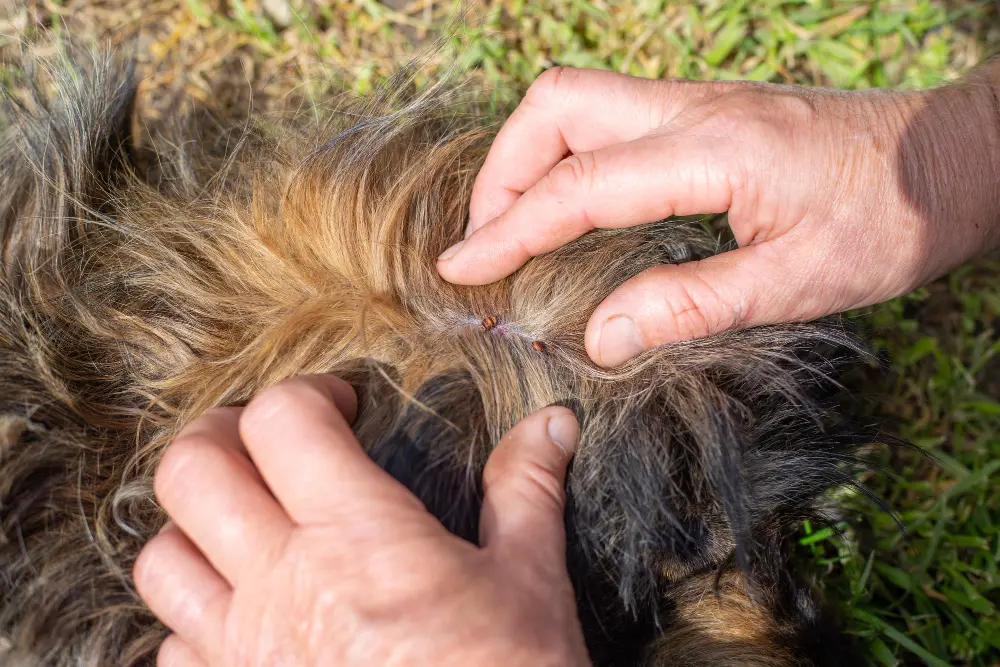
- Use appropriate tick and flea protection, particularly in Indian conditions, where ectoparasite exposure is high year-round. Tick-borne infections can cause lymph node swelling that affects the neck and jaw area.
- Be aware of potential allergens in your dog’s environment and diet, particularly if your dog has had a previous allergic reaction.
- For dogs with outdoor access, check their face and mouth after play sessions for any visible injuries or insect contact.