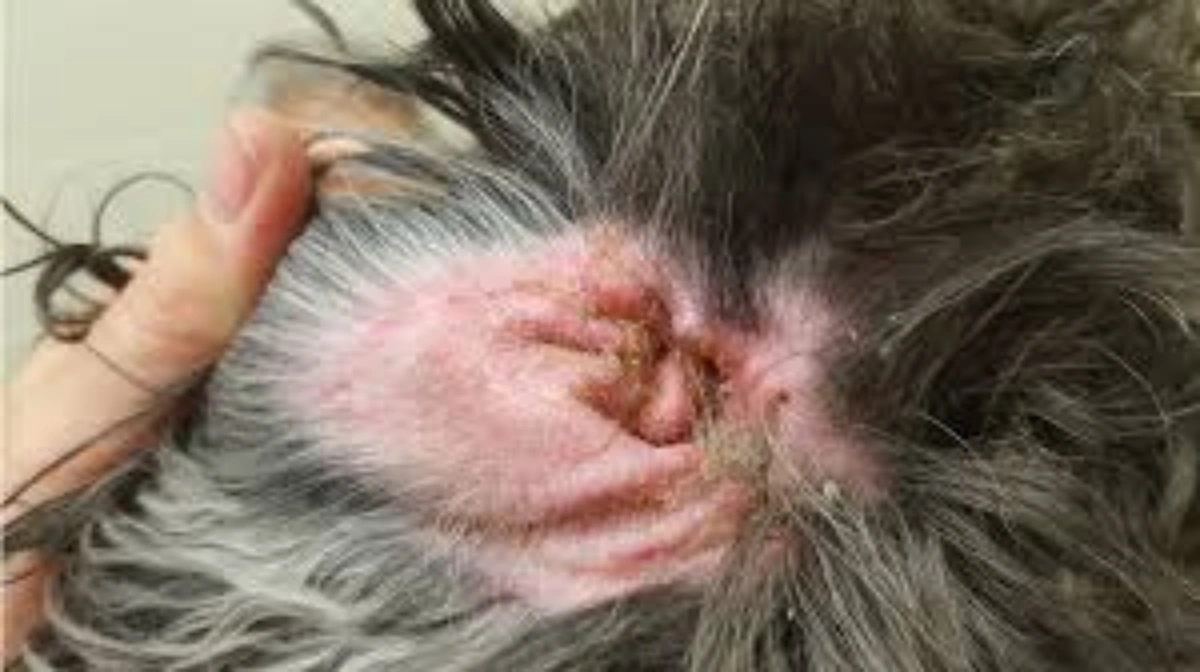

You have done everything right. Your dog is vaccinated, fed well, and dewormed regularly. But they keep falling sick. Ear infections come back within weeks of clearing. Skin issues return despite treatment. Every minor wound takes longer than it should to heal.
When a dog keeps getting infections despite good care, it is natural to wonder what is being missed. In some cases, the answer lies not in the environment or the care routine, but in genetics. A weak immune system in dogs caused by a hereditary disorder means the body’s defence system is not functioning as it should, and no amount of excellent care can fully compensate for a biological gap that the dog was born with.
Understanding this is not discouraging. It is clarifying. Knowing what you are dealing with allows you to manage it properly, access the right veterinary support, and give your dog the best possible quality of life within realistic expectations.
What Is a Weak Immune System in Dogs?
The immune system is a complex network of cells, proteins, and organs that work together to identify and neutralise threats to the body. Bacteria, viruses, fungi, and parasites are all recognised and responded to by a healthy immune system. When functioning correctly, it also remembers past threats through immunological memory, making subsequent responses faster and more effective.
A weak immune system in dogs, also called primary immunodeficiency, is a condition in which one or more of these components is missing, deficient, or not working properly from birth. This is different from secondary immunodeficiency, where the immune system is weakened by an external factor such as a severe illness, long-term medication, or malnutrition. Primary immunodeficiency is inherited and reflects a genetic defect in how the immune system was built.
Think of it as a defence system that was assembled with a key component missing or malfunctioning. External threats that a normal immune system would handle without difficulty become persistent, recurring problems.
Hereditary Disorders That Affect Immunity in Dogs
Several specific hereditary immune disorders have been identified in dogs. The presentation and severity vary depending on which component of the immune system is affected.
| Condition | What Is Deficient | Commonly Reported In |
|---|---|---|
| Selective IgA deficiency | Immunoglobulin A, an antibody important for mucosal immunity in the gut, respiratory, and urinary tracts | German Shepherds, Beagles, Shar-Peis |
| Selective IgM deficiency | Immunoglobulin M, an early-response antibody | Dobermanns, occasionally mixed breeds |
| X-linked severe combined immunodeficiency (X-SCID) | Both T cells and B cells, leaving virtually no immune response capability | Basset Hounds, Cardigan Welsh Corgis |
| Cyclic neutropaenia (Grey Collie syndrome) | Neutrophils cycle between normal and critically low levels every 10 to 12 days | Grey-coated Collies |
| Complement deficiency | Proteins of the complement system that assist antibody responses | Reported in several breeds |
| Leukocyte adhesion deficiency (LAD) | White blood cells’ ability to migrate to infection sites | Irish Setters |
In India, many of these conditions go undiagnosed because the pattern of recurring infections is managed symptom by symptom rather than investigated for an underlying immune cause. This is particularly true for dogs adopted from rescue or street backgrounds where detailed health history is not available.
Symptoms of a Weak Immune System in Dogs
The hallmark of a weak immune system in dogs is not a single dramatic illness but a persistent, recurring pattern of infections and health problems that do not fully resolve or keep returning despite appropriate treatment.
Signs that may indicate hereditary immune deficiency include:
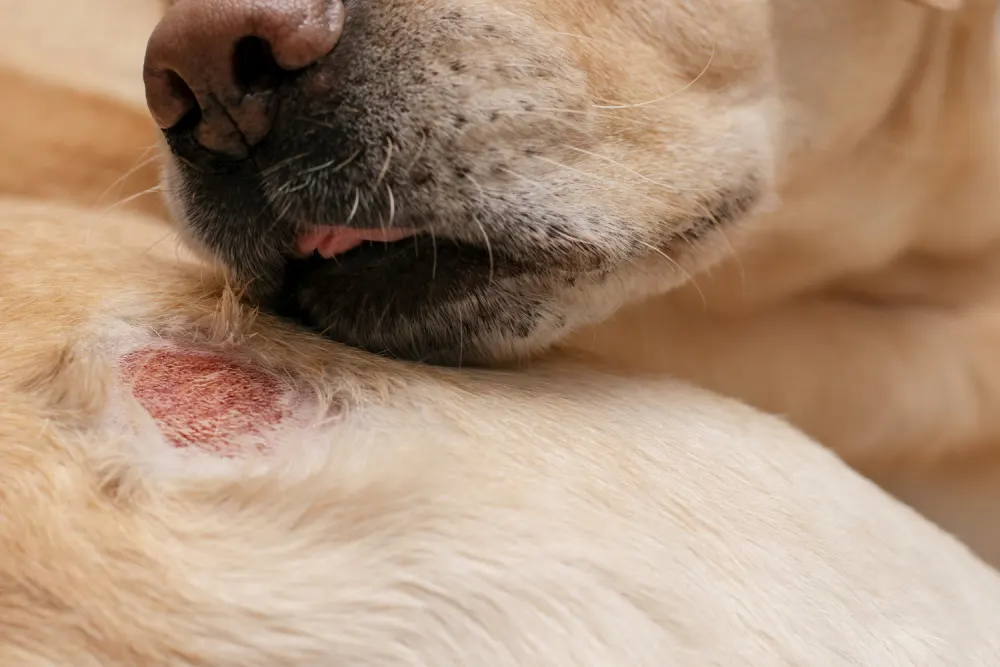
- Recurring skin infections, often appearing within weeks of successful treatment
- Persistent or frequently returning ear infections
- Respiratory infections such as pneumonia or persistent coughing that recurs despite antibiotics
- Urinary tract infections that do not resolve fully or return repeatedly
- Wounds that take unusually long to heal or become infected with minimal exposure
- Digestive issues including chronic diarrhoea or vomiting linked to gut infections
- Generalised lethargy and reduced vitality that persists between illness episodes
- Poor body condition, slow growth in puppies, or failure to thrive despite adequate nutrition
- Recurring fever without a clearly identifiable focus
The age of onset matters. Dogs with primary immune deficiency typically begin showing problems from puppyhood, once the protection provided by maternal antibodies starts to wane. A puppy who falls ill repeatedly in the first few months of life, despite vaccination and good care, deserves immune function investigation rather than continued treatment of each infection in isolation.
Related Videos


Causes of Weak Immune System in Dogs: The Genetic Focus
Primary immune deficiency in dogs is caused by inherited genetic mutations that affect the development or function of specific immune system components. The defect is present from birth, encoded in the dog’s DNA, and is not caused by anything in their environment or care.
These mutations can be passed from affected breeding lines, which is why hereditary immune disorders tend to appear in specific breeds at higher rates. They can also arise spontaneously in dogs with no known family history of the condition.
In the Indian context, breeding practices that prioritise appearance over health screening, combined with a lack of accessible genetic testing for most pet owners, means that hereditary conditions including immune deficiencies are often discovered through clinical presentation rather than proactive screening. This is not a failure of care. It reflects the reality of how veterinary genetics access is structured in much of India currently.
It is important to be clear that a dog born with a hereditary immune disorder is not the result of poor care by the current owner or the rescue organisation that rehomed them. It is a biological inheritance that is nobody’s fault.
Diagnosis: How Vets Identify Hereditary Immune Disorders in Dogs
Diagnosing a weak immune system in dogs requires a combination of clinical pattern recognition and targeted laboratory testing. The process may take time and multiple appointments, particularly in areas where specialist diagnostic testing is less accessible.
The typical diagnostic pathway includes:
- Detailed clinical history: The vet documents the frequency, type, and response to treatment of all infections the dog has experienced. A pattern of recurring infections since puppyhood, each responding temporarily to antibiotics but returning, is a strong clinical indicator.
- Complete blood count (CBC): Assesses the number and appearance of white blood cells, which are central to immune function. Persistent low neutrophil counts or abnormal lymphocyte populations raise suspicion for immune deficiency.
- Serum immunoglobulin levels: Measuring IgA, IgG, and IgM antibody levels identifies specific antibody deficiencies. Low or absent levels of a specific immunoglobulin class point toward a selective deficiency.
- Lymphocyte subset analysis: In more complex cases, flow cytometry can assess the proportions and function of different lymphocyte populations, identifying T cell or B cell deficiencies.
- Ruling out secondary causes: Blood tests for systemic diseases, tick-borne infections, and organ function ensure that the immune weakness is primary rather than caused by another underlying condition.
- Genetic testing: For conditions where specific genetic mutations have been identified, such as X-SCID or grey Collie syndrome, DNA testing can provide a definitive diagnosis. Availability in India is limited but accessible through international laboratories in select cases.
If your dog has been experiencing recurring infections and your regular vet has not identified a clear cause, asking specifically about immune function testing is a reasonable and appropriate step.
Treatment and Management of Hereditary Immune Disorders in Dogs
There is currently no cure for primary hereditary immune deficiency in dogs. The goal of treatment is to manage infections as they arise, minimise their frequency and severity, and support the immune system as much as possible through nutrition, hygiene, and targeted supplementation.
The main management components include:
- Prompt and appropriate antibiotic treatment: Infections in immunodeficient dogs need to be treated quickly and with appropriate antibiotics based on culture and sensitivity testing where possible, as these dogs cannot clear infections as effectively as healthy dogs.
- Preventive antibiotic courses: In some dogs with severe or frequent infections, low-dose preventive antibiotic therapy may be recommended by the vet to reduce the frequency of bacterial infections.
- Immunoglobulin replacement: In dogs with severe antibody deficiencies, intravenous immunoglobulin (IVIG) therapy can provide temporary immune support. Availability and cost in India are significant limitations for most pet owners.
- Nutritional support: A well-balanced, high-quality diet provides the nutritional foundation that supports whatever immune function is present. Deficiencies in zinc, vitamin E, and omega fatty acids can further compromise immunity, making diet quality a meaningful practical intervention.
- Hygiene management: Reducing the dog’s exposure to infectious agents through clean living environments, avoiding overcrowded dog-dense spaces, and prompt wound care reduces the infectious burden on an already limited immune system.
- Vaccination guidance: Modified-live vaccines may carry risks in severely immunodeficient dogs and vaccine scheduling should be discussed with a vet who understands the specific condition present.
Related Products



Prognosis: What to Expect Long-Term
The prognosis for a weak immune system in dogs due to a hereditary disorder depends significantly on the severity of the deficiency. Dogs with mild selective antibody deficiencies, such as isolated IgA deficiency, often live comfortable lives with careful management of recurring infections. Their quality of life can be good, particularly when infections are treated promptly and environmental management is consistent.
Dogs with severe combined immunodeficiency (SCID) face a more serious outlook and typically do not survive to adulthood without very intensive management. Cyclic neutropaenia and other moderate deficiencies sit in the middle ground, often requiring ongoing veterinary involvement but allowing for a reasonable quality of life in well-managed cases.
Honesty about prognosis matters. Some dogs with severe hereditary immune disorders have a shortened life expectancy despite the best possible care. For these dogs, the focus of management is quality of life, comfort, and minimising suffering rather than indefinite extension of life at any cost.
Daily Care Tips for Dogs with Weak Immune Systems in India
Practical daily management makes a real difference to the health and comfort of a dog with hereditary immune deficiency:
- Keep the dog’s living area clean and dry. Damp, humid conditions encourage bacterial and fungal growth that an immunodeficient dog is less able to resist.
- Inspect the skin, ears, and paws regularly for early signs of infection. Catching problems early allows treatment to begin before they become established.
- Feed a high-quality, nutritionally complete diet. Avoid irregular or nutritionally imbalanced home-cooked diets without veterinary nutritional guidance.
- Avoid highly social dog environments such as dog parks or kennels where infectious exposure is high.
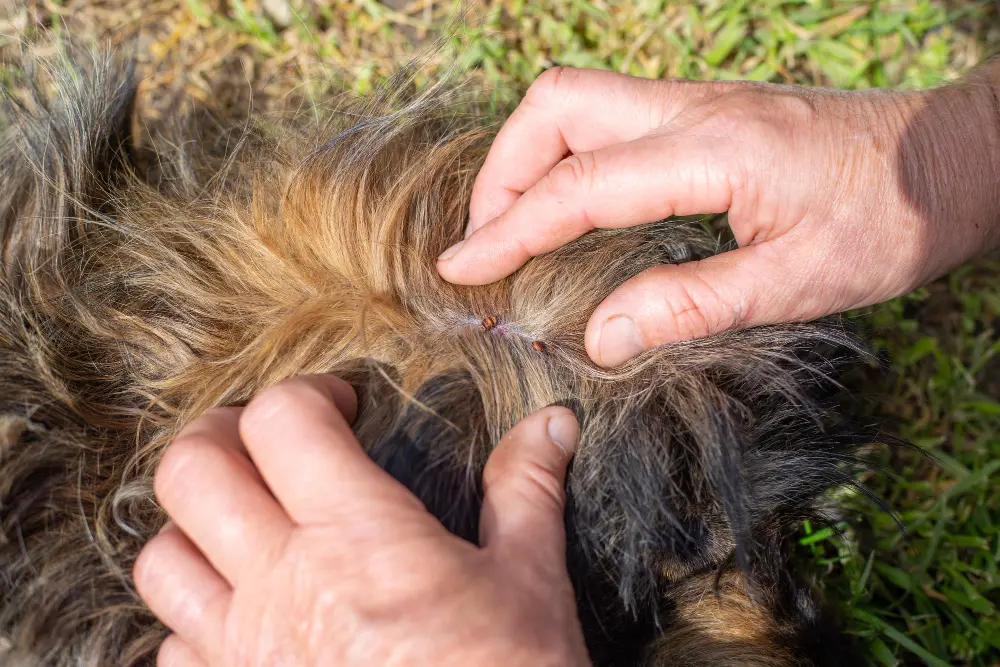
- Maintain tick and parasite prevention consistently. Secondary infections from tick-borne diseases place additional burden on an already limited immune system.
- Follow your vet’s guidance on vaccination timing and type. Do not skip vaccinations without veterinary discussion, but also do not proceed with modified-live vaccines without confirming they are appropriate for your dog’s specific condition.
- Keep all veterinary follow-up appointments even when the dog appears well.
When to Seek Veterinary Help
Contact your vet promptly if your dog with known or suspected immune deficiency shows:
- Any new infection developing, however minor it may seem initially
- A wound that is not healing normally within three to five days
- Recurring fever
- An existing infection that is not responding to the prescribed antibiotic within the expected timeframe
- Rapid deterioration in general condition
For these dogs, early intervention is not overcautious. It is appropriate and protective.
A weak immune system in dogs caused by a hereditary disorder is not a failure of care. It is a biological reality that some dogs are born into, and it is one that becomes significantly more manageable when it is recognised early and approached with consistent, informed support.
If your dog has been experiencing a pattern of recurring infections that respond temporarily but keep returning, or if they have been failing to thrive despite good nutrition and appropriate veterinary care, raising the possibility of a hereditary immune disorder with your vet is a worthwhile and potentially important step. A weak immune system in dogs is not something to manage one infection at a time indefinitely. With the right diagnosis and a clear management plan, these dogs can live well, and that is what they deserve.