
Your dog woke up this morning and could not walk straight.
He is tilting to one side. His eyes are moving rapidly back and forth. He keeps falling over. He looks terrified and confused, and so are you.
Nothing happened. No accident. No fall. He was completely fine last night.
What you are seeing is not a stroke. It is not the end. But it is something that needs to be understood and addressed without delay.
What Is Happening Inside: The Balance System Explained
The vestibular system is your dog’s built-in gyroscope. It tells the brain where the body is in space at every moment, whether the head is level, which direction is up, and how fast the body is moving.
This system has two main components. The peripheral vestibular system lives in the inner ear. The central vestibular system lives in the brainstem. Both are connected by a network of cranial nerves, particularly the vestibulocochlear nerve, that carry balance information continuously to the brain.
When any part of this pathway is disrupted, the brain receives conflicting or absent signals about the body’s position. The result is the sudden, dramatic loss of balance that terrifies owners and dogs alike.
In plain terms: the body’s internal compass has stopped working, and the brain has no reliable information about which way is up.
What You May Notice: Early Warning Signs at Home
Physical signs that appear suddenly:
- Pronounced head tilt to one side, often dramatic and persistent
- Circling repeatedly in one direction
- Falling or rolling to the affected side
- Inability to stand or walk without stumbling
- Rapid, involuntary back-and-forth eye movements (nystagmus)
- Nausea and vomiting from the sensation of constant motion
Behavioural signs that accompany the physical ones:
- Visible distress and disorientation
- Reluctance to move or stand
- Pressing against walls or furniture for support
- Reduced appetite due to persistent nausea
- Crying or vocalising from confusion and discomfort
The characteristic head tilt and rapid eye movements are the most recognisable signs of vestibular disease. For owners wanting to understand these specific signs in more detail, the clinical explanation of head tilt in dogs and the specific causes and management of nystagmus in dogs both provide important context for what is happening and why.
Why This Happens: Root Causes Behind Vestibular Disease
Idiopathic vestibular disease is the most common cause, particularly in older dogs. No underlying disease is identified. Onset is sudden and dramatic. This is often called old dog vestibular syndrome. The cause remains unknown, but the prognosis is generally excellent with supportive care.
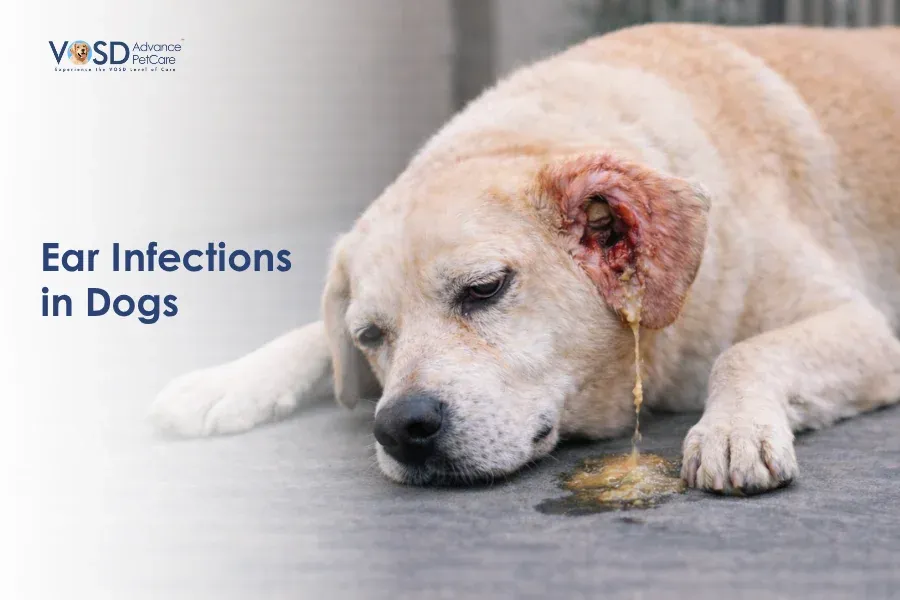
Ear infections: Middle and inner ear infections are among the most significant treatable causes of vestibular disease. Bacterial or yeast infections extend from the outer ear into the middle and inner ear, directly damaging the vestibular apparatus. Chronic or untreated ear infections carry a higher risk of this complication.
Toxin exposure: Certain medications, particularly aminoglycoside antibiotics such as gentamicin and some antiseptic ear drops, are toxic to the inner ear structures when used inappropriately. This can produce irreversible vestibular damage.
Brain tumours: Tumours affecting the brainstem or cerebellum can produce central vestibular disease. This is a more serious cause requiring imaging to identify and carries a more guarded prognosis than peripheral causes.
Trauma: Head injuries from road accidents or falls can damage inner ear structures or the brainstem directly, producing acute vestibular dysfunction.
Hypothyroidism: Thyroid hormone deficiency has been associated with vestibular dysfunction in some dogs. This is an important cause to test for because it is both treatable and often overlooked.
Inflammatory or immune-mediated conditions: Encephalitis and meningoencephalitis affecting the brainstem produce central vestibular disease alongside other neurological signs.
Related Videos



How the Disorder Progresses in the Body
Stage 1: The vestibular pathway is disrupted
An infection, toxic exposure, structural lesion, or idiopathic process affects either the inner ear structures or the central vestibular pathways in the brainstem. The affected side of the vestibular system stops sending accurate signals to the brain.
Stage 2: Signal imbalance reaches the brain
The brain receives accurate vestibular information from the unaffected side but absent or distorted signals from the affected side. This asymmetry creates an overwhelming sense of continuous rotation or movement. The brain cannot reconcile the conflicting input.
Stage 3: Symptoms emerge from the signal conflict
The head tilts toward the affected side as the body tries to compensate for the perceived imbalance. The eyes develop nystagmus as they attempt to track the perceived rotation. The dog falls or circles because the postural reflexes are trying to respond to a movement that is not actually occurring.
Stage 4: Nausea and distress develop
The persistent sensation of motion triggers nausea, vomiting, and profound distress. The dog cannot understand why its body is behaving this way and cannot make it stop.
Stage 5: Compensation begins
In idiopathic and peripheral cases, the brain begins compensating over days to weeks. It learns to rely on visual and proprioceptive input to fill the gap left by the damaged vestibular signal. Most dogs improve significantly as this compensation develops, though a mild residual head tilt may persist permanently.
Different Forms of Vestibular Disease You Should Know
Peripheral vestibular disease: The problem originates in the inner ear or the peripheral portion of the vestibulocochlear nerve. This is the most common form. Signs are acute and dramatic, but the prognosis is generally good. Idiopathic old dog vestibular syndrome and ear infections are the most common peripheral causes.
Central vestibular disease: The problem originates in the brainstem or cerebellum. This form is less common but more serious. Additional neurological signs, including weakness, altered consciousness, and other cranial nerve deficits, are typically present alongside the balance dysfunction. Causes include tumours, encephalitis, and vascular events. Imaging is essential to identify central disease.
Key distinguishing features:
| Feature | Peripheral | Central |
|---|---|---|
| Onset | Sudden | Sudden or gradual |
| Head tilt | Present | Present |
| Nystagmus direction | Horizontal or rotary | Vertical or changing |
| Other neurological signs | Absent | Usually present |
| Prognosis | Generally good | More guarded |
| Treatment | Supportive or treat the cause | Depends on the underlying cause |
How Vets Pinpoint the Problem
The diagnostic process typically involves:
- Otoscopic examination: Thorough assessment of both ear canals for infection, inflammation, foreign bodies, and eardrum integrity
- Neurological examination: Systematic assessment of cranial nerve function, postural reactions, reflexes, and gait to determine whether the dysfunction is peripheral or central
- Blood tests: Complete blood count, biochemistry panel, and thyroid function to identify metabolic causes and assess general health
- MRI or CT imaging: Essential when central vestibular disease is suspected, when signs are not improving as expected, or when an underlying structural cause needs to be identified or ruled out
- Cerebrospinal fluid analysis: Used when inflammatory or infectious central nervous system disease is suspected on imaging
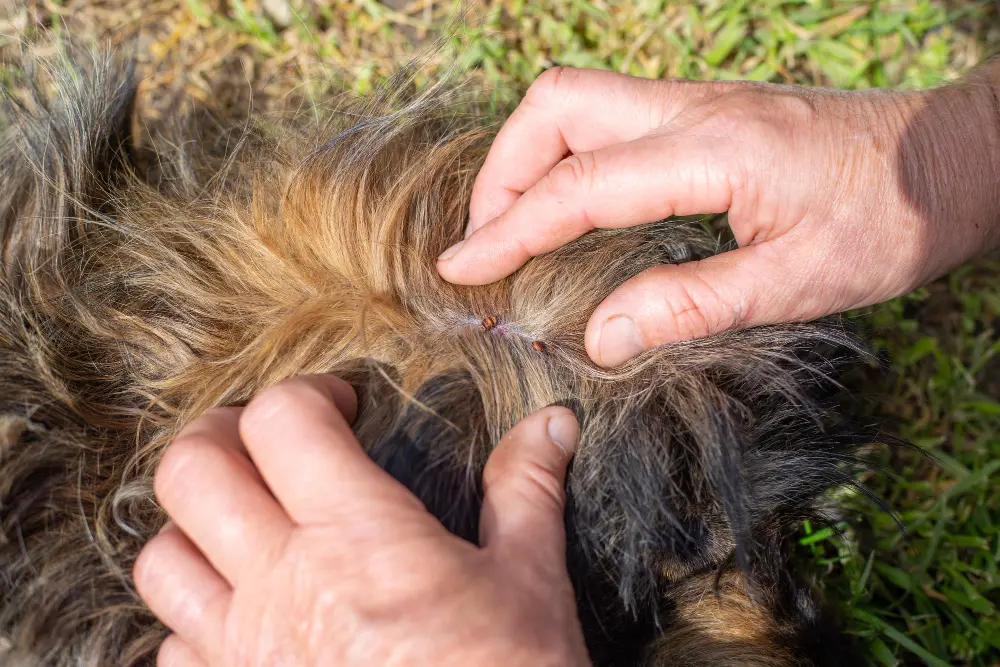
- Infectious disease serology: Tick-borne organisms and other pathogens are screened for, where relevant
The distinction between peripheral and central disease is the most clinically important determination in vestibular assessment and drives all subsequent treatment decisions.
Treatment That Focuses on Recovery and Comfort
For idiopathic vestibular disease:
- There is no specific treatment. The condition resolves with time as the brain compensates.
- Supportive care is the priority throughout the recovery period.
- Anti-nausea medications, including maropitant, reduce vomiting and improve comfort significantly.
- Sedation may be used in the first 24 to 48 hours in dogs that are extremely distressed or injuring themselves through repeated falling.
For ear infection-related vestibular disease:
- Appropriate antimicrobial or antifungal treatment targeting the specific organism identified in ear cytology and culture.
- Treatment of the infection does not immediately reverse the vestibular signs, which improve as the inner ear recovers over weeks.
- Surgical intervention is required in some chronic or severe middle ear infections.
For hypothyroidism:
- Thyroid hormone supplementation. Many dogs show significant improvement in vestibular signs once thyroid levels are normalised.
For central vestibular disease:
- Treatment depends entirely on the underlying cause. Tumours may be surgically addressed or managed with radiation and palliative care. Encephalitis requires immunosuppressive or antimicrobial therapy as appropriate.
Supportive care throughout all forms:
- Assisted walking and physical support to prevent falls and injury
- Elevated food and water bowls to reduce the effort and nausea associated with eating and drinking
- A calm, confined, safe environment during the acute phase
- Consistent reassurance, as distressed dogs respond to the presence of a calm, familiar person
Living With a Dog Who Has Vestibular Issues
Practical steps that help during recovery:
- Use a sling or towel under the abdomen to assist walking during the acute phase
- Confine the dog to a safe, padded area where falls cannot cause injury
- Place food and water in locations that do not require the dog to lower its head significantly
- Keep the environment calm, quiet, and predictable
- Avoid stairs, elevated surfaces, and slippery floors until balance has significantly improved
- Offer small, frequent meals if nausea is reducing food intake
- Provide consistent, gentle reassurance through touch and a calm voice
Understanding the Difference: Vestibular Disease vs Other Neurological Disorders
Many owners initially believe their dog has had a stroke. Understanding the differences between these conditions is important.
| Feature | Vestibular Disease | Stroke | Epilepsy |
|---|---|---|---|
| Onset | Sudden | Sudden | Sudden (seizure) then recovery |
| Head tilt | Yes, prominent | Possible | Not typical |
| Nystagmus | Yes | Possible | Not typical |
| Seizures | Not typical | Possible | Yes, primary sign |
| Level of consciousness | Usually normal | May be altered | Altered during the episode |
| Progression | Improves from days to weeks | Variable | Episodic |
| Prognosis | Generally good for peripheral | Variable | Manageable with medication |
The broader context of how vestibular disease relates to the full range of conditions affecting the canine nervous system is explored in the comprehensive resource on neurological disorders in dogs for owners trying to understand how different conditions compare and overlap.
When It Is an Emergency Situation
Go to a vet immediately if your dog:
- Cannot stand at all and is continuing to deteriorate rather than stabilise
- Is having seizures alongside the balance signs
- Shows additional neurological signs, including limb weakness, altered consciousness, or facial asymmetry
- Is vomiting so severe that hydration is at risk
- Shows no improvement whatsoever after 72 hours
- Has a known history of ear disease or a previous tumour diagnosis
The presence of additional neurological signs alongside vestibular dysfunction is the most important red flag distinguishing peripheral from central disease and requires urgent imaging.
Sudden Imbalance Is Never Normal
Your dog fell this morning and could not get up straight.
That is not just one of those things that happens. That is a signal from a nervous system under significant stress, asking for help in the only way it knows how.
Vestibular disease looks dramatic. It is frightening to witness. But it is also one of the most recoverable neurological conditions in veterinary medicine when assessed and managed correctly.
The dogs who do best are the ones whose owners did not dismiss what they saw as aging or clumsiness. Who recognised that something was genuinely wrong and acted on it the same day.
If your dog’s balance has changed, do not wait to see if it improves on its own. Get it assessed today. Because your dog needs you to trust what you are seeing.