Ameloblastoma in dogs is a tumour that develops from cells involved in tooth formation, typically appearing as a firm growth in the gum tissue or jaw. While the name may be unfamiliar, this is a condition that veterinarians do diagnose, and the good news is that it is often treatable when caught early. Unlike many other cancers, ameloblastoma tends to be locally aggressive rather than quick to spread to distant organs, which means that prompt surgical management frequently leads to good outcomes. Understanding what to look for and when to act is the most important thing a pet parent can do.
Understanding Ameloblastoma in Dogs
Ameloblastoma is a type of odontogenic tumour, meaning it arises from the cells responsible for forming teeth and the surrounding dental structures. In dogs, these tumours most commonly develop in the gum tissue (gingiva) or the bone of the upper or lower jaw.
What makes ameloblastoma in dogs distinctive is its behaviour. It grows and expands locally, often invading the surrounding bone as it enlarges, but it rarely spreads to distant organs such as the lungs or lymph nodes in the way that more aggressive cancers do. This local invasiveness is what makes early diagnosis so important; a smaller tumour is significantly easier to remove completely than one that has had time to erode into the jawbone.
Ameloblastoma can be classified as either conventional (more likely to recur if not fully removed) or acanthomatous ameloblastoma, previously called acanthomatous epulis, which is the more commonly diagnosed form in dogs and generally responds very well to complete surgical removal.
Where Ameloblastoma Commonly Appears
Ameloblastoma in dogs most frequently develops in the following locations:
- The lower jaw (mandible): The most common site. Tumors here may cause visible swelling along the lower jaw line or inside the mouth near the lower teeth.
- The upper jaw (maxilla): Tumors in the upper jaw may cause swelling of the upper gum line, pushing teeth out of alignment or causing the muzzle to appear asymmetrical.
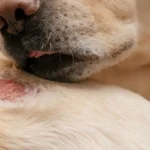
- The gum tissue (gingiva): Many ameloblastomas present initially as a firm, pinkish or reddened growth emerging from the gum surface near the teeth.
These tumours can appear at any location along the dental arcade from the incisors at the front to the molars at the back. Tumors at the front of the mouth (rostral) are generally more accessible surgically and associated with better outcomes than those further back.
Regular visual checks of your dog’s mouth during grooming or dental care are one of the simplest ways to detect oral growths before they become large. Any new swelling or growth in the mouth deserves veterinary attention promptly.
Symptoms of Mouth Cancer (Ameloblastoma) in Dogs
Because dogs instinctively hide discomfort, symptoms of ameloblastoma often develop gradually and may only become obvious once the tumour has grown considerably. Watch carefully for the following signs:
- A visible firm lump or growth on the gums or inside the mouth
- Swelling along the jawline is visible from outside the mouth
- Loose teeth without an obvious dental explanation, such as periodontal disease
- Difficulty picking up food, chewing, or swallowing
- Dropping food while eating or a preference for one side of the mouth
- Persistent bad breath that does not respond to dental treatment
- Excessive drooling, sometimes blood-tinged
- Bleeding from the gum tissue around or near the growth
- Reluctance to have the mouth touched or examined
- Gradual reduction in appetite and unexplained weight loss
Early symptoms of ameloblastoma in dogs can be subtle a small growth that does not yet cause obvious discomfort or a very gradual change in eating habits. This is why making mouth checks a regular habit is so valuable. The earlier this tumour is found, the simpler the treatment and the better the outcome.
Related Videos


Causes and Risk Factors
The precise cause of ameloblastoma in dogs is not fully established. As with most tumours arising from specialised cell types, it is thought to result from a combination of factors rather than a single trigger:
- Age-related cellular changes: Ameloblastoma is more commonly diagnosed in middle-aged to older dogs, suggesting that cumulative changes in odontogenic cells over time play a role.
- Chronic oral tissue irritation: Long-term dental disease, persistent inflammation of the gums, or repeated trauma to oral tissues may contribute to abnormal cell growth in susceptible dogs.
- Genetic predisposition: Certain breeds, including Golden Retrievers, Labrador Retrievers, Cocker Spaniels, and Shetland Sheepdogs, appear to be diagnosed with acanthomatous ameloblastoma more frequently, suggesting a possible breed-related genetic component.
- Unknown factors: In many cases, no specific cause can be identified. Ameloblastoma can develop in otherwise healthy dogs with good dental care and no unusual environmental exposures.
Finding this tumour in your dog is not a reflection of neglected dental care. Many cases occur in dogs with perfectly maintained oral hygiene, and the condition is not preventable through routine care alone.
How Veterinarians Diagnose Ameloblastoma
Accurate diagnosis is the foundation of effective treatment planning for ameloblastoma in dogs. The diagnostic process typically includes:
1. Oral Examination: The vet will carefully examine the entire mouth under sedation or general anaesthesia to assess the size, location, and appearance of the growth. The surrounding teeth and gum tissue will also be evaluated for involvement.
2. Dental X-Rays: Intraoral dental X-rays are essential for assessing whether the tumour has invaded the underlying jaw bone. Bone involvement significantly affects the extent of surgery required and the likely prognosis.
3. CT Scan: For larger tumours or those in complex locations, a CT scan of the head provides the most detailed three-dimensional picture of tumour extent, bone involvement, and proximity to vital structures. This is increasingly available at veterinary referral centres and greatly assists surgical planning.
4. Biopsy: A tissue sample from the mass is sent to a laboratory for histopathology. This is the definitive step that confirms the diagnosis of ameloblastoma and distinguishes it from other oral tumours such as squamous cell carcinoma, fibrosarcoma, or benign gingival hyperplasia. Knowing the exact tumour type is essential before deciding on treatment.
5. Regional Lymph Node Assessment: The lymph nodes under the jaw are assessed for enlargement and may be sampled by fine needle aspiration to check for any spread, though this is uncommon with ameloblastoma.
Treatment Options for Ameloblastoma in Dogs
Surgery is the cornerstone of treatment for ameloblastoma in dogs and, when performed with adequate margins, offers excellent outcomes for many patients:
1. Surgical Removal with Wide Margins: The goal of surgery is to remove the entire tumour along with a sufficient border of healthy tissue to reduce the risk of local recurrence. For tumours that have not deeply invaded the bone, this may involve removal of the gum tissue and the immediately surrounding bone while preserving the jaw’s overall integrity.
2. Partial Jaw Removal (Mandibulectomy or Maxillectomy): When the tumour has invaded deeper into the jawbone, removal of a portion of the mandible or maxilla provides the best chance of complete excision and long-term control. This sounds significant, but dogs tolerate partial jaw surgery remarkably well. Most adapt quickly and regain comfortable eating ability within weeks of recovery.
3. Radiation Therapy: For tumours that cannot be fully removed surgically due to size or location, radiation therapy can help control local disease and reduce the risk of regrowth. It may also be used after surgery if margins are incomplete.
4. Monitoring After Treatment: Regular oral examinations and imaging after surgery are important to detect any recurrence early. Acanthomatous ameloblastoma in dogs has a low rate of distant spread, making local recurrence the primary concern to monitor.
5. Pain and Supportive Management: Anti-inflammatory and pain relief medications are a vital part of care, both before surgery and during the recovery period, ensuring your dog remains comfortable throughout.
Oral surgery and the recovery period that follows can be a stressful experience for dogs, particularly around feeding changes and repeated veterinary visits. Keeping the home environment calm and predictable is an important part of supporting recovery. VOSD Anxiety Care is gently formulated to support dogs experiencing stress and unsettled behaviour. Always check with your vet before introducing any supplement during the post-surgical period.
Related Products

Prognosis and Life Expectancy
The prognosis for ameloblastoma in dogs, particularly the acanthomatous form, is generally favourable compared with many other oral cancers. Key factors that influence the outcome include:
Completeness of surgical margins: Dogs whose tumours are removed with clean, wide margins have significantly lower rates of local recurrence and the best long-term outcomes. Studies report recurrence rates well below 5 percent for acanthomatous ameloblastoma when excised completely.
Tumor location: Rostral (front of mouth) tumours are more accessible and easier to remove with adequate margins. Caudal (back of mouth) tumours present more surgical challenges and may carry a slightly higher recurrence risk.
Bone involvement: Tumors that have deeply invaded the jawbone require more extensive surgery but can still be managed successfully when addressed early.
Distant spread to organs such as the lungs or lymph nodes is rare with ameloblastoma in dogs, which is one of the reasons this condition, while serious, is considered among the more manageable oral tumours when treated appropriately.
Caring for a Dog Recovering from Oral Tumor Surgery
Post-surgical care is an important part of your dog’s recovery from ameloblastoma treatment. Here is what to focus on:
- Feed soft or moistened food: For several weeks after oral surgery, soft food is essential. Your vet will advise on appropriate diet options and when to transition back to normal feeding.
- Avoid hard chews and toys: Hard items that require heavy chewing should be avoided during the healing period to protect the surgical site.
- Follow oral hygiene instructions carefully: Your vet will advise specifically on whether and how to clean around the healing area. Never attempt to clean or disturb the surgical site without guidance.
- Monitor appetite and comfort: A dog that is eating willingly and showing interest in food and activity is recovering well. Reluctance to eat, persistent drooling, or signs of pain should be reported to your vet promptly.
- Give all medications on schedule: Pain management and anti-inflammatory medications need to be given consistently throughout the recovery period.
- Attend all follow-up appointments: Post-surgical rechecks and imaging allow your vet to confirm healing and monitor for any signs of recurrence.
Most dogs adapt to life after oral surgery with a speed and resilience that genuinely surprises their pet parents. With attentive home care and regular veterinary follow-up, many dogs with ameloblastoma go on to live comfortably for years after treatment.
When Should Pet Parents Seek Veterinary Help?
Contact your veterinarian promptly if you notice any of the following in your dog:
- A new or growing swelling inside the mouth or along the jaw line
- Loose teeth without obvious dental disease
- Unexplained bleeding from the gums or mouth
- Difficulty eating, dropping food, or a sudden preference for soft food
- Persistent bad breath that worsens over time
- Reluctance to have the mouth or jaw area touched
Ameloblastoma in dogs is a condition where early action genuinely changes the outcome. A small tumour detected during a routine mouth check is far simpler to treat than one that has grown into the jawbone over months. Make oral observation part of your regular care routine, and do not hesitate to consult your veterinarian about any change you notice. Early evaluation is always the safest and kindest course of action for your dog.