

We often see dogs brought in with a history of gradual weight gain, reduced energy, and a coat that has lost its quality, all developing so slowly that the pet parent assumed it was simply their dog getting older. In many of these cases, thyroid disorder in dogs is what has been quietly happening in the background. It is one of the most common hormonal conditions in dogs, and one of the most rewarding to treat, because the response to the right medication is often striking.
What is the Thyroid Gland and What Does It Do?
The thyroid gland is a small butterfly-shaped structure located in the neck. It produces thyroid hormones, primarily thyroxine (T4) and triiodothyronine (T3), which regulate the body’s metabolic rate. In simple terms, the thyroid acts as the body’s pace-setter, it determines how fast or slow the body runs its internal processes including energy use, body temperature regulation, heart rate, and the turnover of skin and hair cells.
When the thyroid functions normally, these processes run at the right speed. When it malfunctions, the consequences affect virtually every body system because metabolism touches everything.
Types of Thyroid Disorder in Dogs
There are two main forms of thyroid disorder in dogs, and they have opposite effects on the body:
| Type | What Happens | How Common | Primary Signs |
|---|---|---|---|
| Hypothyroidism | The thyroid produces insufficient hormone, slowing metabolism | Very common; most frequently diagnosed thyroid disorder in dogs | Weight gain, lethargy, poor coat, cold intolerance |
| Hyperthyroidism | The thyroid produces excess hormone, speeding metabolism | Rare in dogs; more common in cats | Weight loss despite good appetite, restlessness, increased thirst |
The vast majority of thyroid disorder in dogs that pet parents and vets encounter is hypothyroidism. Hyperthyroidism in dogs is uncommon and is often associated with a thyroid tumour when it does occur. The rest of this guide focuses primarily on hypothyroidism, as this is the form pet parents are most likely to encounter.
Why Thyroid Balance Matters for Your Dog
Because thyroid hormones regulate metabolism, their absence or excess affects the entire body. In hypothyroidism, the slowed metabolism shows up in ways that can look like many different conditions:
- Energy production slows, causing fatigue and reduced willingness to exercise
- Metabolic rate drops, leading to weight gain even without increased food intake
- Skin cell turnover slows, causing thickened, darkened, or dry skin
- Hair follicle cycling is disrupted, leading to hair loss and a dull, sparse coat
- Heart rate may slow, and some dogs develop a degree of cardiac involvement over time
- Mental alertness and responsiveness can diminish, producing a dog that seems duller than their previous self
In the Indian context, where mixed-breed dogs are often fed home-prepared diets and may not receive regular blood work, thyroid disorder in dogs can go undetected for a long time because the gradual changes are attributed to diet, age, or seasonal variation.
Related Videos


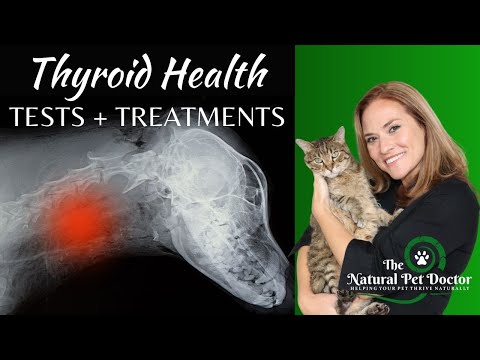
Symptoms of Thyroid Disorder in Dogs
The symptoms of thyroid disorder in dogs develop slowly, which is both why they are easy to miss and why looking back, the pattern often seems obvious once the diagnosis is made. Here is what to watch for:
- Weight gain without any increase in food intake, or difficulty losing weight despite dietary management
- Lethargy and exercise intolerance, the dog may be reluctant to walk, tires quickly, or seems generally unwilling to be active
- Symmetrical hair loss, often starting on the flanks, tail base, or neck, without any itching or skin infection explaining it
- A coat that becomes dry, brittle, dull, or thin
- Thickened, darkened, or scaly skin, particularly in areas of chronic hair loss
- Recurrent skin or ear infections, as the compromised skin barrier and slowed immune function increase susceptibility
- Cold intolerance, the dog seeks warm spots more than usual or shivers in temperatures that previously did not affect them
- A slower heart rate in some cases
- A subtle change in personality, a previously lively dog that becomes calmer, duller, or less engaged
The combination of unexplained weight gain, bilateral hair loss without scratching, and reduced energy in a middle-aged dog is a classic presentation of thyroid disorder in dogs that should prompt a thyroid blood test.
Causes of Thyroid Disorder in Dogs
The vast majority of hypothyroidism in dogs is acquired rather than inherited, and two processes are most commonly responsible:
- Lymphocytic thyroiditis: The immune system attacks the thyroid tissue, gradually destroying the hormone-producing cells. This immune-mediated destruction is the most common cause of hypothyroidism in dogs and is thought to have a genetic predisposition in certain breeds.
- Idiopathic thyroid atrophy: The functional thyroid tissue is progressively replaced by fat without any immune process driving it. This accounts for the remainder of most hypothyroidism cases and is particularly common in middle-aged and older dogs.
- Thyroid tumour: Less commonly, a tumour affecting the thyroid gland can impair its function, leading to hypothyroidism. Thyroid tumours are also the most common cause of hyperthyroidism when it does occur in dogs.
Dogs at Higher Risk of Thyroid Disorder
Several factors are associated with a higher likelihood of developing thyroid disorder in dogs:
- Age: Most diagnoses occur in middle-aged to older dogs, typically between four and ten years of age
- Breed: Labrador Retrievers, Golden Retrievers, Doberman Pinschers, Irish Setters, and Cocker Spaniels are among the breeds with documented higher incidence. In India, Labradors and Golden Retrievers are among the most commonly kept large breeds and are worth monitoring more closely as they age.
- Mixed-breed dogs: While pedigree breeds carry specific predispositions, any dog can develop thyroid disorder, and mixed-breed indie dogs in India are not exempt.
Diagnosis: How Thyroid Disorder is Confirmed
Diagnosing thyroid disorder in dogs requires blood testing. Clinical signs alone are suggestive but not definitive, as many other conditions can produce similar symptoms.
- Total T4 (thyroxine) measurement: This is the most commonly used screening test. A low T4 level in a dog with consistent clinical signs is strongly suggestive of hypothyroidism. However, some dogs with other illnesses can have temporarily low T4 without true thyroid disease, so results are interpreted alongside the clinical picture.
- Free T4 measurement: Free T4, measured by an equilibrium dialysis method, is more specific than total T4 and is less affected by non-thyroidal illness. It is particularly useful when the total T4 result is borderline or ambiguous.
- TSH (thyroid stimulating hormone) measurement: Measuring canine TSH alongside T4 improves diagnostic accuracy. A high TSH alongside a low T4 strongly confirms hypothyroidism, as the pituitary gland releases more TSH in an attempt to stimulate an underperforming thyroid.
- General blood work: A complete blood count and biochemistry panel are usually performed alongside thyroid testing, as hypothyroidism can cause characteristic changes including mildly elevated cholesterol and, in some cases, mild anaemia.
Treatment for Thyroid Disorder in Dogs
The good news about thyroid disorder in dogs is that treatment is straightforward, effective, and well-tolerated. The standard treatment for hypothyroidism is synthetic thyroid hormone supplementation:
Levothyroxine (synthetic T4): This is given orally once or twice daily, depending on the individual dog’s response. It replaces the hormone the thyroid can no longer produce adequately. Levothyroxine for dogs is available through veterinary clinics in India and is generally affordable for long-term use.
Dose adjustment: Finding the right dose takes a few weeks. The initial dose is based on body weight, but follow-up blood testing four to six weeks after starting treatment allows the dose to be adjusted based on the dog’s actual T4 response. Most dogs settle at a stable maintenance dose relatively quickly.
Lifelong medication: Hypothyroidism is not cured by treatment, the underlying thyroid damage does not reverse. Levothyroxine must be given lifelong to maintain normal thyroid hormone levels. This is a manageable commitment that most dogs and their families adjust to very quickly, and the improvement in the dog’s quality of life is typically significant and motivating.
Related Products
Prognosis and Long-Term Care
The prognosis for thyroid disorder in dogs that is identified and treated appropriately is excellent. Most dogs show noticeable improvement within four to eight weeks of starting levothyroxine, with energy levels, coat condition, and weight gradually returning toward normal over three to six months of consistent treatment.
Regular monitoring is part of long-term care. A thyroid hormone check every six to twelve months allows the dose to be adjusted as the dog ages or their response changes. Maintaining a consistent daily medication schedule is the single most important factor in sustaining a good response to treatment.
Role of Diet and Lifestyle in Thyroid Disorder
Diet does not treat thyroid disorder in dogs, and it cannot replace medication. However, it plays a supportive role in managing the consequences of the condition:
- Dogs with hypothyroidism often gain weight because of their slowed metabolism. Once medication is started, the metabolic rate normalises and weight management becomes more manageable. A consistent, appropriately portioned diet during this period supports a return to healthy body weight.
- A diet with good-quality protein supports coat and skin recovery as thyroid levels normalise.
- Avoid dramatic dietary changes while starting medication, as digestive disruption complicates the monitoring of treatment response.
Common Mistakes Pet Parents Make
A few patterns come up repeatedly when managing thyroid disorder in dogs:
- Stopping medication once the dog improves and appears normal. The improvement is the result of the medication working, stopping it means the thyroid levels will drop again and symptoms will gradually return.
- Missing follow-up blood tests. The dose that worked initially may need adjustment as time passes, and monitoring is how the vet confirms the treatment is still at the right level.
- Assuming weight loss alone will resolve the problem. Thyroid-related weight gain does not respond well to diet restriction until the hormone levels are corrected, addressing the hormone deficiency is always the priority.















