Bacterial Meningitis and other Nervous System Infections in Dogs
Similar to humans, dogs possess a protective membrane system surrounding their central nervous system known as the meninges. When this system becomes inflamed, it triggers meningitis. Meningoencephalitis refers to inflammation affecting both the meninges and the brain, while meningomyelitis involves inflammation of the meninges and spinal cord.
Meningeal inflammation often leads to secondary inflammation of the brain and/or spinal cord, resulting in various neurological complications. Prolonged inflammation can obstruct the flow of cerebrospinal fluid (CSF) – the fluid that provides protection and nourishment to the brain and spinal cord. This obstruction can lead to CSF accumulation in the brain, resulting in severe complications such as seizures and paresis.
Symptoms and Types
Neurological symptoms commonly linked with meningitis, meningoencephalitis, and meningomyelitis, such as impaired movement, altered mental state, and seizures, can be severe and worsening over time. Other symptoms typically observed in dogs afflicted with any of these conditions include:
- Depression
- Shock
- Low blood pressure
- Fever
- Vomiting
- Abnormal heightened sensitivity to various stimuli (hyperesthesia)
Causes
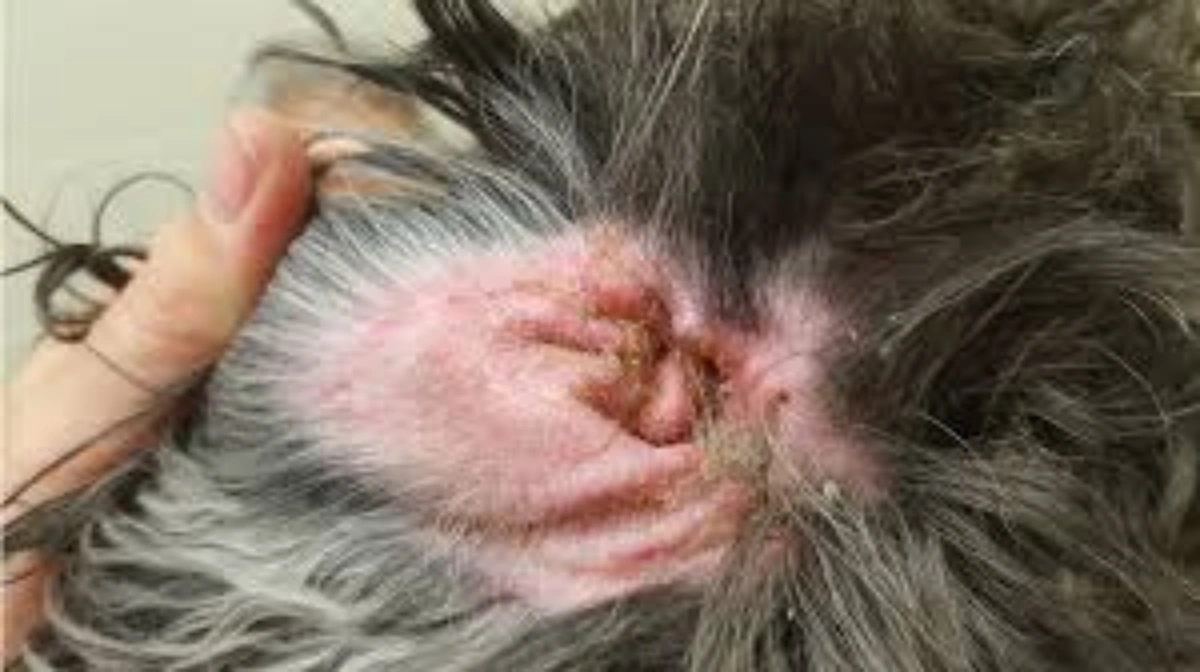
The primary cause of meningitis is typically a bacterial infection in the brain and/or spinal cord, originating from another location in the body. Meningoencephalitis, on the other hand, often results from infections in the ears, eyes, or nasal cavity. Meningomyelitis generally follows cases of diskospondylitis and osteomyelitis. In puppies and dogs with compromised immune systems, these infections frequently spread to the brain and spinal cord through the bloodstream.
Diagnosis
Providing a detailed history of your dog’s health, including the onset and characteristics of symptoms, is essential. The veterinarian will conduct a comprehensive physical examination and various laboratory tests, such as a complete blood count (CBC), blood culture, biochemistry profile, and urinalysis, to help pinpoint the type of infection.
For instance, the biochemistry profile may indicate liver and kidney involvement, while increased white blood cell count in blood tests can indicate an ongoing infection. Urinalysis may also detect pus and bacteria in the urine, indicating urinary tract infections.
Additional diagnostic tools utilized to identify the infectious agent may include magnetic resonance imaging (MRI), abdominal ultrasounds, thoracic and abdominal X-rays, as well as samples from the skin, eyes, nasal discharge, and sputum.
However, one of the most crucial diagnostic tests is the analysis of cerebrospinal fluid (CSF). A sample of your dog’s CSF will be collected and sent to a laboratory for culturing and further evaluation.
Treatment
For severe cases of meningitis, meningoencephalitis, or meningomyelitis, hospitalization is often necessary to prevent more serious complications. After identifying the causative organism, your veterinarian will administer antibiotics intravenously to enhance their efficacy. Additionally, antiepileptic drugs and corticosteroids may be prescribed to manage seizures and inflammation, respectively. Dogs experiencing severe dehydration will receive immediate fluid therapy.
Living and Management
Swift and aggressive treatment is essential for a successful outcome, although its effectiveness can vary, and the overall prognosis may not be favorable. Regrettably, many dogs succumb to these types of infections once they reach the central nervous system, despite treatment.
However, if treatment proves successful, it may take over four weeks for all symptoms to alleviate. During this period and until stabilization occurs, the dog’s activity should be restricted.
Prevention
Promptly treat your dog’s ear, eye, and nose infections to prevent the spread of these infections to the nervous system.
Related Videos