
Non-inflammatory Metabolic Myopathy in Dogs
Metabolic muscle disease without inflammation in dogs is a condition characterized by non-inflammatory metabolic myopathy. This rare disorder is linked to metabolic abnormalities such as enzyme deficiencies or the accumulation of abnormal metabolic byproducts. While the precise impact on dogs remains poorly understood, certain breeds are predisposed to the condition, including English springer spaniels, American cocker spaniels, German shepherds, Akitas, curly-coated retrievers, clumber spaniels, Sussex spaniels, old English sheepdogs, and Lapland dogs.
Symptoms and Types
The symptoms and types of non-inflammatory metabolic myopathy in dogs include:
-
Muscular weakness
-
Cramps
-
Exercise intolerance
-
Regurgitation and/or difficulty swallowing (dysphagia)
-
Collapse
-
Dark urine
-
Seizures
-
Vomiting
-
Abdominal distention
Causes
The causes of non-inflammatory metabolic myopathy in dogs typically involve congenital or acquired metabolic issues. Dogs may either be born with this condition or develop it later in life due to metabolic complications. Contributing factors may include:
- Viral infections
- Drug toxicity
- Environmental factors
Diagnosis
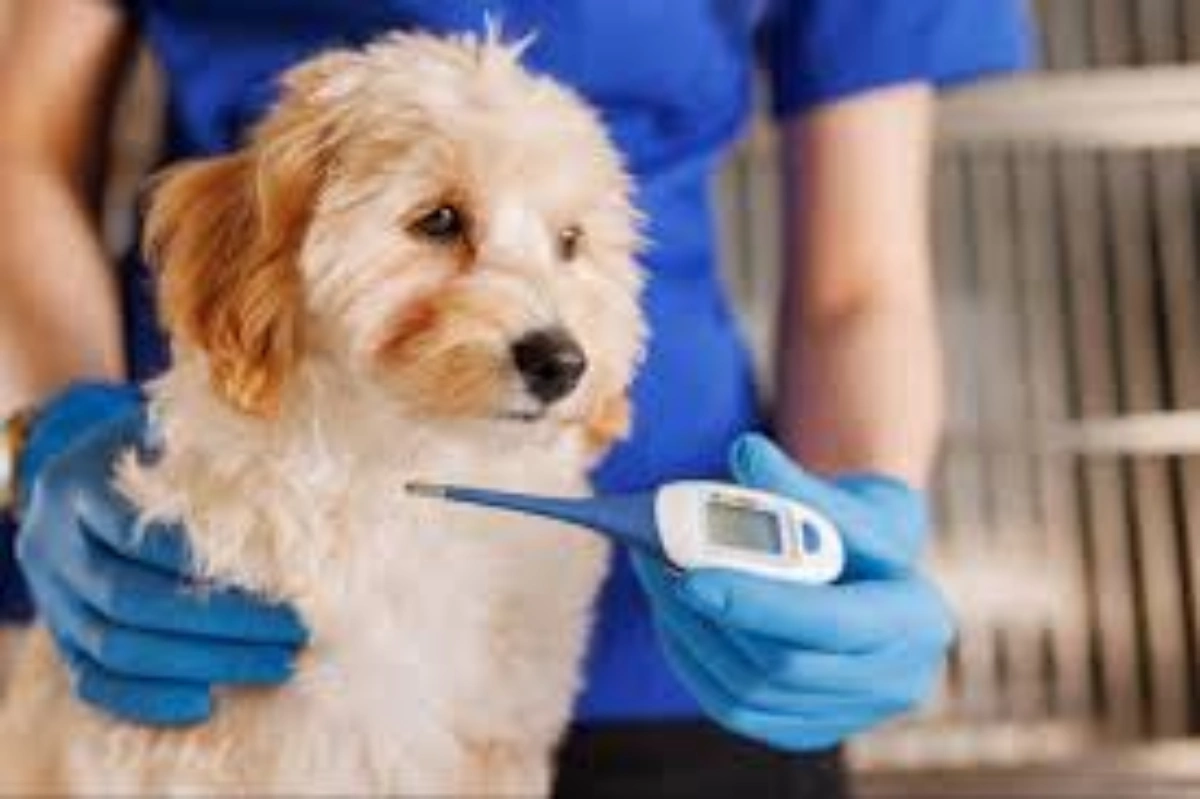
Diagnosing non-inflammatory metabolic myopathy in dogs involves providing a comprehensive history of the dog’s health, detailing the onset and characteristics of symptoms. The veterinarian will perform a thorough physical examination along with conducting tests such as a biochemistry profile, urinalysis, and complete blood count. These tests can reveal abnormalities associated with metabolic issues. For instance, the biochemistry profile may indicate unusual levels of serum creatine (an enzyme present in muscle, brain, and other tissues) and abnormally low levels of glucose (hypoglycemia).
Additional enzyme assays and specific tests may be conducted to assess levels of amino acids, organic acids, and creatine in the dog’s system. DNA-based tests may also be utilized to identify specific carriers of the condition. Furthermore, a muscle tissue sample might be sent to a veterinary pathologist for further examination, which could uncover abnormal accumulations of fats or glycogen within muscle cells.
Treatment
The treatment approach depends on the specific metabolic defect and the severity of your dog’s symptoms. In many instances, options are limited for dogs affected by metabolic defects. If the dog experiences seizures, reduced blood glucose levels, or neurological issues, hospitalization and intensive care may be necessary.
Living and Management
Managing the condition involves considering the type of metabolic defect present. Dietary restrictions, particularly for cases involving hypoglycemia, may be recommended. Consult with your veterinarian regarding a suitable feeding regimen, and avoid subjecting the dog to strenuous exercise.
The prognosis varies based on the type and severity of the metabolic defect. However, veterinarians typically advise against breeding the dog due to the high likelihood of passing on the defect to offspring.
Related Videos