Reproductive Genetic Abnormalities in Dogs
Genetic abnormalities affecting reproductive development can manifest in dogs, leading to sexual development disorders. These issues arise from genetic mutations impacting the chromosomes responsible for forming the sex organs, including the gonads—the reproductive organs in both males and females. Additionally, errors in gene expression during development can cause abnormalities in sexual differentiation, complicating the identification of male and female animals. These disorders often exhibit breed-specific patterns.
Symptoms
The onset of this condition is typically attributed to disorders affecting the chromosomes dictating a dog’s sexual functionality. Gonadal disorders impact the reproductive organs, while phenotypic disorders affect the physical and biochemical reproductive characteristics of the dog. Observable indications of gonadal or reproductive sexual development disorders might involve an abnormally large clitoris in females or an undescended testicle in males. Additional atypical characteristics of reproductive organs could also be present.
Manifestations of chromosomal sexual development disorders may encompass abnormalities in the number of sex chromosomes. During genetic screening conducted by your veterinarian, an abnormal count of X or Y chromosomes may be detected in your dog’s genetic makeup.
Phenotypic sexual development disorders may present with external reproductive organs that do not align with the internal chromosomes. For instance, a dog carrying male chromosomes might exhibit feminine external genitalia or a smaller-than-normal penis. Some animals may possess a typical reproductive organ alongside an additional, occasionally functional, very small second reproductive organ of the opposite gender.
Causes
Sexual development disorders primarily stem from inherited traits or external factors, such as the exposure of the pregnant female parent to toxins (including hormones) during pregnancy. Risk factors may also involve the consumption or application of male or female hormones, such as progesterone, during pregnancy.
Diagnosis
Sexual development disorders are relatively uncommon, primarily affecting specific breeds such as Boston terriers and miniature schnauzers. These disorders often become evident at birth, particularly if they involve abnormalities in the size of reproductive organs. However, some animals may appear outwardly normal but harbor abnormal chromosomes, which may only be detected in their reproductive years.
Diagnosing these disorders may not occur until breeding attempts are made. At that point, other potential diagnoses to be ruled out include infertility, hormonal issues like hypothyroidism, testicular problems such as degeneration, and timing issues during breeding.
Once other conditions are excluded, veterinarians may proceed with tests to assess hormone levels and examine chromosomal sex characteristics to identify any abnormalities in the sex chromosomes. Physical examinations will involve assessing the shape and size of reproductive organs to determine if any external irregularities are present.
Treatment
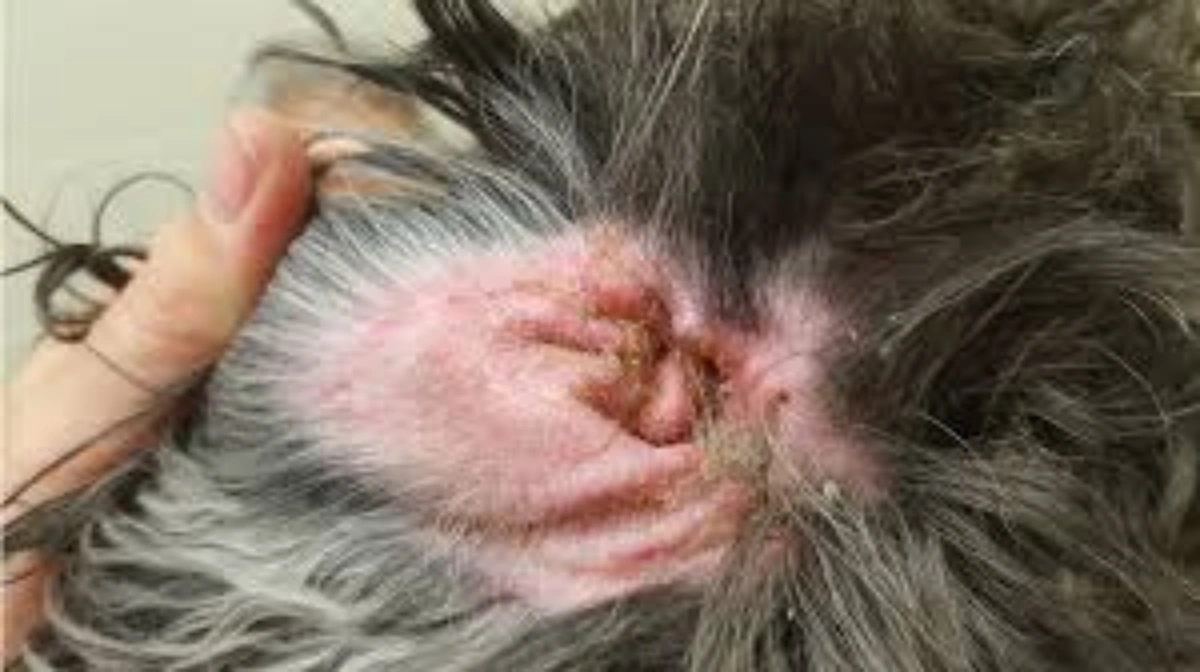
Treatment and care strategies vary depending on the specific condition. Some patients may exhibit skin conditions alongside reproductive sex disorders. In such instances, local or topical treatments can offer symptomatic relief. Shampoos or oils may be beneficial for topical applications. Occasionally, reconstructive surgery may be recommended to enhance the cosmetic appearance in animals with malformed reproductive organs, particularly in male dogs with abnormal genitalia.
In cases where an excessively large clitoris poses a risk of trauma to the animal, surgical removal may be necessary, especially to prevent recurring urinary tract infections and other complications. Sterilization might also be recommended to mitigate potential future issues.
Living and Management
Following surgical and other corrective procedures, most dogs tend to recover successfully, improving both their cosmetic appearance and physical health. Depending on the specific type of sexual development disorder your dog has, it may be recommended to steer clear of synthetic hormones, including progesterone, estrogen, or androgen. This precaution aims to optimize the management of your dog’s condition and overall well-being.
Related Videos