

You notice your dog is quieter than usual. They are not interested in their morning walk and seem to tire after just a few minutes of gentle movement. Their breathing looks a little faster than normal, even when they are resting. Something feels off, but you cannot quite place what it is.
In some cases, these subtle changes are the first signs of pericarditis in dogs, a condition involving inflammation of the protective sac that surrounds the heart. It is not the most common condition vets encounter, but it is one that requires timely attention. The encouraging news is that when pericarditis in dogs is identified and treated promptly, many dogs recover well and can return to a good quality of life.
This guide walks you through what pericarditis means, what to watch for, and what to expect from diagnosis and treatment.
What Is Pericarditis in Dogs?
To understand pericarditis, it helps to know a little about the pericardium. The pericardium is a thin, two-layered sac that surrounds and protects the heart. It holds the heart in position within the chest, provides a smooth surface that reduces friction as the heart beats, and offers a degree of mechanical protection.
Pericarditis in dogs refers to inflammation of this sac. When the pericardium becomes inflamed, it can also allow fluid to accumulate in the space between its two layers. This fluid accumulation is called pericardial effusion, and it is one of the most significant consequences of pericarditis because it can compress the heart and interfere with its ability to pump blood efficiently.
How the Heart and Pericardium Normally Work
In a healthy dog, the pericardium sits snugly around the heart with only a small amount of lubricating fluid between its layers. This fluid, typically just a few millilitres, allows the heart to move freely with each beat without any friction or restriction. The pericardium is flexible enough to accommodate the heart’s constant motion without interfering with it.
The heart beats reliably within this protective environment, expanding and contracting to fill and empty with each cycle. As long as the pericardium remains healthy and the fluid within it stays at normal levels, everything works smoothly.
What Happens During Pericarditis
When the pericardium becomes inflamed, its delicate structure is disrupted. In response to inflammation or infection, excess fluid begins to accumulate within the pericardial sac. As this fluid builds up, it starts to exert pressure on the heart from the outside.
Because the pericardium is not very elastic, even a moderate accumulation of fluid can significantly compress the heart chambers. This compression, known as cardiac tamponade in severe cases, reduces the heart’s ability to fill properly between beats. As a result, less blood is pumped with each contraction, and the body begins to receive inadequate circulation. This is what drives the symptoms that pet parents notice.
Symptoms of Pericarditis in Dogs
The symptoms of pericarditis in dogs can develop gradually over days or weeks, or they can appear more suddenly depending on how quickly fluid accumulates. Because the signs overlap with several other conditions, pericarditis is sometimes not identified on the first vet visit without specific cardiac testing.
Common symptoms include:
- Lethargy and reduced energy, often the earliest sign noticed by pet parents
- Rapid or laboured breathing at rest, without obvious cause
- Reduced appetite or complete loss of interest in food
- Exercise intolerance, tiring quickly even on short walks
- Abdominal swelling or distension, caused by fluid accumulating in the abdomen as a result of poor circulation
- Weakness in the hindlimbs or general unsteadiness
- Muffled heart sounds heard by the vet during examination
- Collapse in severe cases, particularly when cardiac tamponade occurs
What Pet Parents May Notice at Home
At home, the changes can be subtle at first. Your dog may seem less enthusiastic than usual, reluctant to get up, or less responsive during playtime. You might notice their belly looking slightly rounder than normal, or that they seem to be breathing more quickly even while lying down in a cool, comfortable place.
These are patterns worth noting and reporting to your vet, not signs to wait on. Keeping a brief record of when symptoms started and how they have progressed helps your vet piece together the clinical picture more quickly.
When It Becomes an Emergency
Some signs indicate that your dog needs urgent veterinary attention rather than a routine appointment:
- Collapse or sudden inability to stand
- Severe breathing distress, particularly with the elbows splayed outward or mouth open
- Pale, blue-tinged, or greyish gums, indicating poor oxygen delivery
- Complete unresponsiveness or extreme weakness
- Rapid deterioration over a few hours
In these situations, keep your dog as calm and still as possible and get to a vet immediately. Do not wait to see if the signs improve on their own.
Causes of Pericarditis in Dogs
There is no single cause of pericarditis in dogs. Several different underlying conditions can trigger inflammation of the pericardium and subsequent fluid accumulation. Understanding the likely cause in your individual dog is important because it directly influences treatment decisions and prognosis.
| Cause Category | Examples |
|---|---|
| Neoplastic (tumour-related) | Heart base tumours, haemangiosarcoma of the right atrium, mesothelioma |
| Idiopathic (unknown origin) | No identifiable cause; more common in large breeds |
| Infectious | Bacterial infections, fungal infections, tick-borne diseases |
| Traumatic | Penetrating chest injury, foreign body migration |
| Systemic disease | Kidney failure (uraemic pericarditis), autoimmune conditions |
| Post-surgical | Rarely, following cardiac procedures |
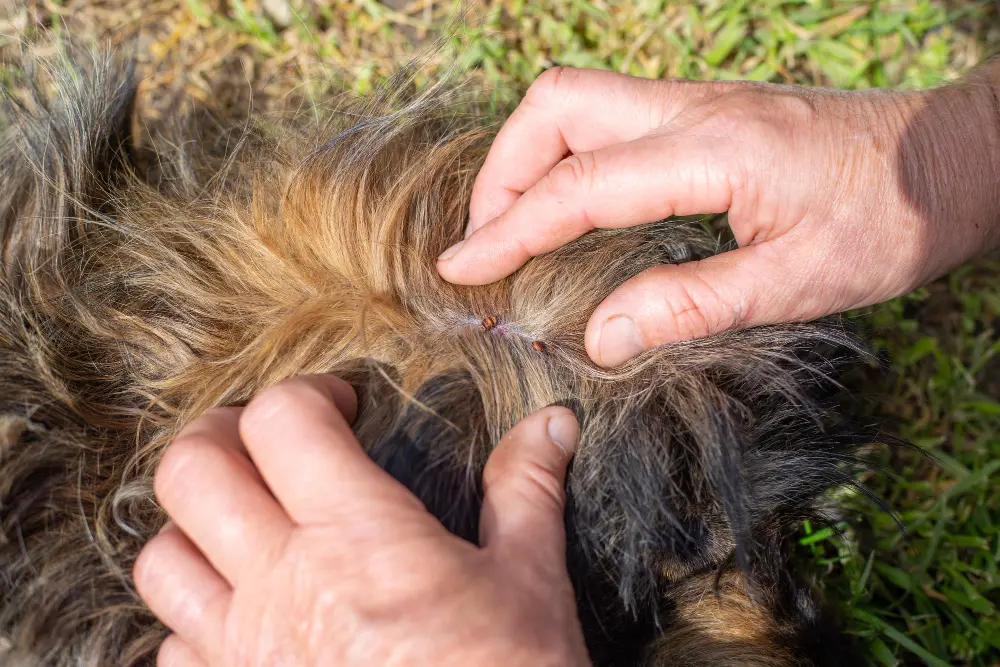
In the Indian context, infectious causes deserve particular mention. Tick-borne diseases such as ehrlichiosis and other systemic bacterial infections can occasionally contribute to pericardial inflammation, particularly in dogs with inadequate parasite control. Ensuring consistent tick prevention is therefore an important part of overall cardiac health in Indian dogs.
It is also worth being clear that a significant proportion of pericarditis cases in dogs are idiopathic, meaning no specific cause is ever identified. This can feel frustrating, but idiopathic cases often respond reasonably well to treatment and have a better prognosis than tumour-related cases.
Risk Factors
Certain factors may increase a dog’s likelihood of developing pericarditis or pericardial effusion:
- Older dogs are more commonly affected, particularly for tumour-related causes
- Large and giant breed dogs appear to have a higher incidence of idiopathic pericardial effusion
- Dogs with known systemic illness, chronic infections, or organ disease
- Dogs with inadequate parasite and tick control, particularly in tick-endemic regions of India
Related Products


Related Videos


Diagnosis of Pericarditis in Dogs
Diagnosing pericarditis in dogs requires specific cardiac tests. A physical examination may raise suspicion, particularly if the vet notes muffled heart sounds, a rapid heart rate, or weak pulses, but confirmation requires imaging.
The key diagnostic tools include:
- Echocardiography (cardiac ultrasound): This is the most important and reliable test. It directly visualises the pericardial sac and confirms whether fluid is present, how much there is, and whether the heart is being compressed. It can also detect masses around the heart in some cases.
- Chest radiograph (X-ray): A chest X-ray may show an enlarged, rounded cardiac silhouette if significant fluid is present. It also helps assess the lungs and overall chest cavity.
- Electrocardiogram (ECG): May show low-voltage complexes or electrical alternans, a pattern where the heart swings back and forth within the fluid-filled sac, causing alternating heights in the ECG waves.
- Blood tests: To assess organ function, check for infection or inflammation, and identify any underlying systemic disease contributing to pericarditis.
- Pericardial fluid analysis: If fluid is drained (see treatment below), a sample is usually sent for analysis and cytology to help determine the cause.
In India, access to echocardiography varies by city. Larger urban centres generally have veterinary facilities with cardiac ultrasound capability, but in smaller cities or rural areas, referral to a specialist centre may be necessary. Speak openly with your vet about what is available locally and what referral options exist.
What Vets Look For
On echocardiography, vets look for the characteristic echo-free space around the heart that represents fluid accumulation. They assess whether the fluid is causing the right atrium or ventricle to collapse during the cardiac cycle, which is a sign of significant haemodynamic compromise. They also evaluate the heart muscle itself for any structural abnormalities and search for visible masses, particularly around the heart base or right atrium.
Treatment Options for Pericarditis in Dogs
Treatment for pericarditis in dogs depends on the severity of the condition, the amount of fluid present, and the underlying cause. The priority in most cases is to relieve the pressure on the heart by draining the accumulated fluid.
Emergency Management
When a dog arrives with significant cardiac compression, the immediate priority is pericardiocentesis, a procedure in which a needle is carefully guided into the pericardial sac under ultrasound guidance to drain the excess fluid. This procedure often provides rapid and dramatic relief, with dogs frequently showing visible improvement within minutes of drainage beginning.
During and after the procedure, dogs are monitored with continuous ECG and supportive care including supplemental oxygen and intravenous fluids if needed. The drained fluid is typically sent for analysis to help determine the cause of the effusion.
Long-Term Care and Monitoring
After the initial drainage, the approach depends on what is driving the pericarditis:
| Underlying Cause | Long-Term Treatment Approach |
|---|---|
| Idiopathic | Monitoring; some dogs need only one or two drainage procedures |
| Infectious | Antibiotics or antifungals depending on organism; drainage if needed |
| Tumour-related | Depends on tumour type; palliative drainage, surgery, or referral for oncology |
| Uraemic or systemic | Managing the underlying organ disease alongside pericardial care |
| Recurrent idiopathic | Pericardiectomy (surgical removal of part of the pericardium) in some cases |
In cases of recurrent pericardial effusion, particularly idiopathic cases, vets may recommend pericardiectomy. This surgical procedure removes part of the pericardium, preventing fluid from re-accumulating and compressing the heart. It is performed in specialist veterinary centres and is generally well-tolerated.
For home management, regular follow-up appointments are essential. Your vet will schedule periodic echocardiograms to monitor whether fluid is re-accumulating. At home, watch for any return of the symptoms that first prompted investigation and contact your vet promptly if they reappear.
Prognosis
The prognosis for pericarditis in dogs varies considerably depending on the underlying cause. Idiopathic cases, where no cause is identified, often carry a relatively favourable outlook. Many of these dogs respond well to drainage and do not experience frequent recurrence, particularly after pericardiectomy if required.
Tumour-related pericarditis carries a more guarded prognosis, as it depends heavily on the type, location, and extent of the tumour. Infectious causes generally carry a reasonable outlook if the underlying infection is identified and treated effectively.
The most important factor in all cases is timely diagnosis. Dogs whose condition is identified early, before significant cardiac compromise occurs, consistently do better than those where treatment is delayed.
Living with a Dog Recovering from Pericarditis
The recovery period after fluid drainage is generally a time of noticeable improvement. Many pet parents describe their dog as seeming like themselves again within a day or two of treatment. However, recovery requires some care and attention at home:
- Keep activity calm and controlled during the initial recovery period, avoiding vigorous exercise until your vet advises otherwise
- Administer any prescribed medication consistently and at the correct times
- Watch breathing rate at rest as a simple indicator of whether fluid may be re-accumulating
- Keep all scheduled follow-up appointments, even if your dog seems well
- Reduce sources of significant stress in your dog’s environment during recovery
Related Products

Prevention and Awareness
Pericarditis in dogs cannot always be prevented, as many cases arise from congenital conditions, idiopathic causes, or tumours that develop independently of lifestyle. However, some preventive measures reduce overall cardiac risk:
- Consistent tick and parasite control to prevent tick-borne infections that can affect multiple organ systems including the heart
- Annual veterinary check-ups that include cardiac auscultation to detect rhythm or sound abnormalities early
- Prompt veterinary attention for any systemic illness, particularly in older dogs
- Awareness of the subtle early signs so that investigation is sought before the condition progresses
Pericarditis in dogs is a serious condition that deserves timely attention, but it is one that many dogs recover from well when it is diagnosed and treated appropriately. The pericardium, that quiet protective layer around the heart, plays a vital role in cardiac health, and when it becomes inflamed or filled with excess fluid, the effects can be significant.
As a pet parent, your role is to know the early signs, act on subtle changes rather than waiting for things to worsen, and work closely with your vet to find the right treatment path. Whether the cause turns out to be idiopathic, infectious, or something more complex, pericarditis in dogs is a condition where attentive observation and prompt care genuinely make a difference.