
Squamous cell carcinoma in dogs is one of the more commonly diagnosed skin cancers in canines, and it is a condition where early detection genuinely changes outcomes. SCC can develop on the skin, inside the mouth, on the nose, or around the nail beds and because the early signs are often subtle, many cases are brought to the vet only once the lesion has grown considerably. Understanding what to look for and when to act is the most valuable thing any pet parent can do. With prompt veterinary care, many dogs with squamous cell carcinoma go on to live comfortable lives.
What Is Squamous Cell Carcinoma in Dogs?
Squamous cell carcinoma (SCC) is a malignant tumour that arises from squamous cells the flat cells that form the outermost layer of the skin and line the surfaces of the mouth, nose, and other body openings. When these cells begin to grow abnormally and without control, they form an SCC tumour.
Unlike some cancers that originate deep inside the body, squamous cell carcinoma in dogs most commonly begins at surfaces that are visible or accessible which means attentive pet parents who regularly check their dog’s skin, mouth, and paws have a real opportunity to catch it early.
Where SCC Commonly Appears in Dogs
Squamous cell carcinoma in dogs can develop in several locations, each with slightly different characteristics and treatment considerations:
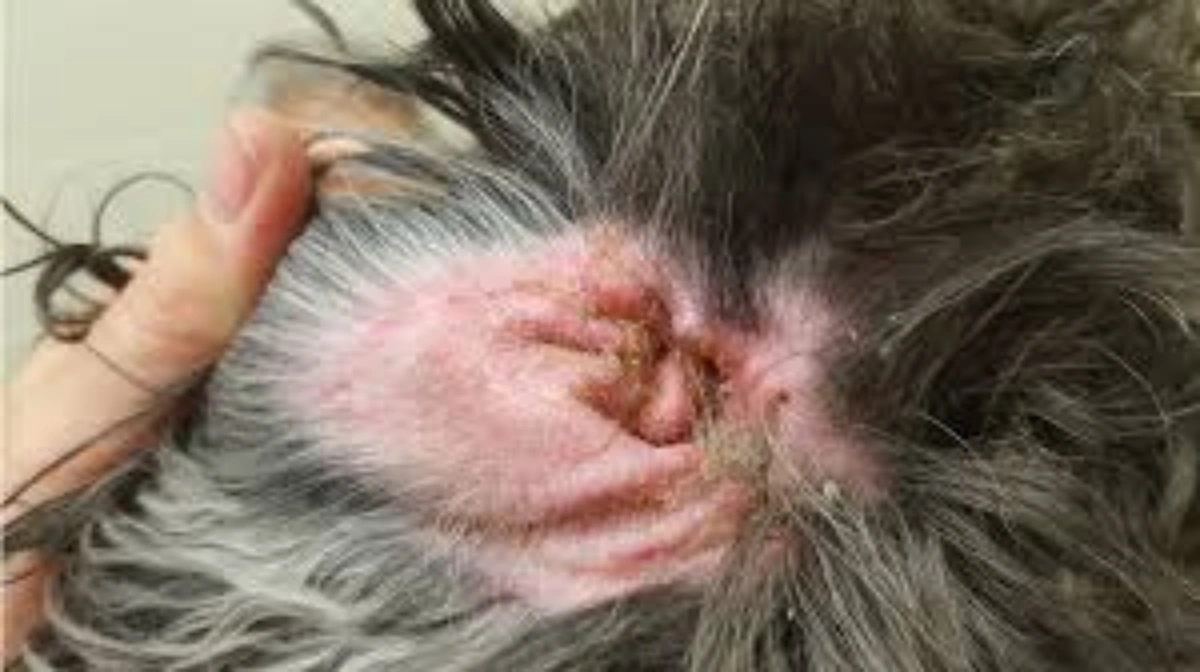
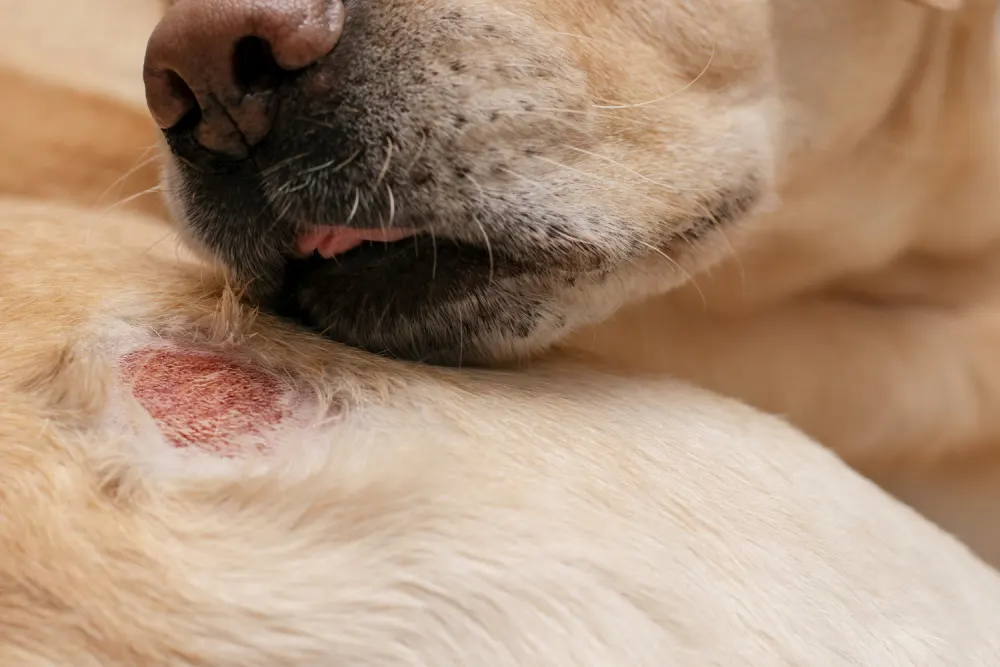
- Skin: Often appearing as a crusty, raised, or ulcerated lesion, particularly on areas with sparse hair coverage or light-coloured skin exposed to sunlight.
- Mouth and gums (oral SCC): One of the most frequently diagnosed forms. Oral squamous cell carcinoma in dogs tends to be locally aggressive and can invade the jaw bone if not treated promptly.
- Nose and nasal planum: Can cause crusting, ulceration, or depigmentation of the nose tip. Common in dogs with pale or pink noses.
- Nail beds and digit tips: Nail bed SCC in dogs often causes swelling, lameness, and nail loss. It is more common in dark-coated breeds such as Labradors, Scottish Terriers, and Standard Poodles.
- Abdomen and groin: Hairless or thinly haired areas that receive significant sun exposure are at increased risk of developing SCC lesions.
Symptoms of Squamous Cell Carcinoma in Dogs
The signs of squamous cell carcinoma in dogs vary depending on the location of the tumour. The most important symptom to recognise is a wound or skin lesion that does not heal within two to three weeks. Other symptoms include:
- A raised, crusty, or wart-like growth on the skin that bleeds easily
- An ulcerated sore that repeatedly scabs over but does not close
- Swelling or a firm mass on or around the nail bed of one or more toes
- Lameness or persistent licking of a paw, particularly around a single digit
- Loss of one or more nails without obvious injury
- A visible growth, lump, or discolouration inside the mouth or on the gums
- Difficulty eating, dropping food, or excessive drooling (in oral SCC)
- Persistent bad breath that worsens over time
- Crusting, bleeding, or colour loss on the nose tip
- Unexplained weight loss as eating becomes uncomfortable
Any sore, lump, or lesion that does not improve within two to three weeks should always be assessed by a veterinarian. Do not apply home remedies to a skin lesion that is not healing this can delay diagnosis and mask important changes.
Causes and Risk Factors
The exact cause of squamous cell carcinoma in dogs is not always identifiable. Several factors are known to increase the risk:
- Sun exposure: Prolonged ultraviolet radiation is one of the most well-established contributing factors. Dogs with light-coloured, thin, or sparse coats, particularly those who spend a lot of time outdoors, are at higher risk of skin and nasal SCC.
- Coat and skin colour: White or light-coated dogs, and those with pink or pale noses, have less natural protection against UV damage and are more susceptible to sun-related SCC.
- Age: SCC is more commonly diagnosed in middle-aged to older dogs, typically those above 8 years of age.
- Chronic skin irritation: Areas of skin that are repeatedly irritated, infected, or inflamed over a long period may be more prone to abnormal cell changes.
- Breed predisposition: Nail bed SCC is disproportionately reported in dark-coated large breeds. Oral SCC is seen across a wide range of breeds. Scottish Terriers, Basset Hounds, and Standard Poodles appear to have a higher incidence of digit SCC.
- Environmental toxins: Some studies suggest that exposure to certain chemicals or second-hand smoke may contribute to oral SCC in dogs.
Finding squamous cell carcinoma in your dog is not a result of poor care. These tumours arise from a combination of genetic, environmental, and age-related factors that are largely beyond a pet parent’s control.
Related Videos


How Vets Diagnose SCC in Dogs
Accurate diagnosis is essential before any treatment is started. The diagnostic process for squamous cell carcinoma in dogs typically involves:
1. Physical Examination: The vet will carefully examine the lesion, assess its size and depth, and check surrounding lymph nodes for swelling or abnormality.
2. Biopsy: A tissue sample from the lesion is sent to a laboratory for histopathology. This is the only definitive way to confirm a diagnosis of SCC and to distinguish it from other skin conditions, infections, or benign growths. A biopsy is always recommended before any treatment decision is made.
3. Cytology: A less invasive first step, in some cases, cells are collected from the surface of the lesion or via fine needle aspiration and examined under a microscope. Cytology can raise suspicion of SCC, but a biopsy is needed for confirmation.
4. Imaging: X-rays and CT scans are used to assess whether the tumour has invaded underlying bone (particularly important for oral and digit SCC) and whether it has spread to lymph nodes or the lungs.
5. Blood Tests: A complete blood count and biochemistry panel assess overall health and readiness for treatment, particularly if surgery or anaesthesia is planned.
Treatment Options for SCC in Dogs
Treatment for squamous cell carcinoma in dogs depends on the tumour’s location, size, and depth of invasion. The main options include:
1. Surgical Removal: Surgery is the first-line treatment for most cases of SCC. The aim is to remove the entire tumour with wide, clean margins to reduce the risk of local recurrence. For skin lesions, this is often straightforward. For oral or nail bed SCC, surgery may involve the removal of part of the jaw or the affected digit, respectively. Dogs tolerate these procedures remarkably well and typically recover good function.
2. Radiation Therapy: Used for tumours that cannot be fully removed surgically, or to reduce the risk of recurrence after surgery when margins are incomplete. It is particularly useful for oral SCC in locations that are difficult to operate on.
3. Cryotherapy: For small, superficial skin lesions, freezing the tissue with liquid nitrogen can be effective. This is less commonly used for larger or deeper tumours.
4. Chemotherapy: Systemic chemotherapy is not the primary treatment for most forms of SCC in dogs, but may be considered in cases with known spread to lymph nodes or other organs.
5. Pain Management and Supportive Care: Anti-inflammatory medications, pain relief, and supportive nutrition are central to any care plan, whether curative or palliative.
Related Products




Prognosis and Recovery
The prognosis for squamous cell carcinoma in dogs varies considerably depending on location and stage at diagnosis:
Skin SCC: When detected early and removed with complete surgical margins, skin SCC often has an excellent prognosis with a low recurrence rate. Long-term outcomes are generally positive for well-managed cases.
Nasal SCC: Early lesions on the nasal planum respond well to surgery or radiation. More advanced cases may be harder to manage, but quality of life can still be maintained.
Nail bed SCC: Digit amputation (removal of the affected toe) is often curative for nail bed SCC when the cancer has not spread beyond the digit. Many dogs adapt immediately and continue to walk and run comfortably after recovery.
Oral SCC: Prognosis is more variable. Rostral (front of mouth) tumours removed with clean margins have better outcomes than caudal (back of mouth) tumours. Bone invasion worsens the prognosis. Median survival times after surgery range from several months to over a year, depending on the extent of disease.
Caring for a Dog with SCC
Attentive home care is as important as veterinary treatment in managing squamous cell carcinoma in dogs. Here is what to focus on:
- Monitor wounds and surgical sites daily: Look for redness, swelling, discharge, or breakdown of healing tissue. Report any concerns to your vet without delay.
- Follow all medication schedules: Pain relief and anti-inflammatory medications must be given consistently throughout recovery.
- Support skin health from within: Good nutrition and essential fatty acids support the skin’s healing ability. VOSD Superfood Skin Supplement with Omega provides omega fatty acids that support healthy skin at the cellular level.
- Limit sun exposure: For dogs with skin or nasal SCC, reducing time in direct midday sunlight is a sensible ongoing precaution. Protective clothing or pet-safe sunscreen may be advised by your vet for at-risk areas.
- Maintain a calm environment: Dogs undergoing repeated vet visits and treatment can experience increased anxiety. VOSD Anxiety Care can help keep your dog settled during this time.
- Attend all follow-up appointments: Regular rechecks allow the vet to monitor for recurrence at the original site or new lesions elsewhere.
Prevention and Early Detection
While squamous cell carcinoma in dogs cannot always be prevented, the following steps reduce risk and improve the chances of early detection:
- Limit your dog’s exposure to direct midday sun, particularly if they have a light coat, pale nose, or hairless patches.
- Check your dog’s skin, mouth, paws, and nail beds regularly during grooming — ideally once a week.
- Consult your vet promptly for any skin lesion, sore, or growth that does not resolve within two to three weeks.
- Include an oral examination as part of every annual veterinary check-up.
When to See a Veterinarian
Contact your veterinarian without delay if you notice any of the following:
- A skin sore, crust, or ulcer that is not healing after two to three weeks
- Swelling, lameness, or nail loss around a single digit
- Bleeding or unusual growths inside the mouth
- Crusting, colour loss, or ulceration on the nose
- Persistent bad breath or difficulty eating
Squamous cell carcinoma in dogs is a serious condition, but it is also one where early action makes a profound difference. Many dogs treated promptly go on to live comfortable, active lives long after diagnosis. Make skin and oral checks a regular habit, and never hesitate to ask your vet about any lesion or change that concerns you.