Mobitz Type I heart block in dogs is a form of second-degree atrioventricular (AV) block in which the electrical signals that coordinate the heartbeat gradually slow down until a beat is skipped, after which the cycle begins again. Unlike complete heart block, which represents a total failure of conduction between the heart’s chambers, Mobitz Type I is a partial and often intermittent disruption. Some dogs with this condition show no obvious symptoms at all, and it is occasionally discovered during a routine veterinary health check. Others may show mild signs related to a slower or irregular heart rhythm.
While Mobitz Type I heart block in dogs is generally considered less severe than third-degree heart block, it still warrants veterinary assessment and appropriate monitoring. Understanding what the condition means and when to seek help is the most valuable thing a pet parent can know.
What Is Mobitz Type I Heart Block?
To understand Mobitz Type I heart block in dogs, a brief explanation of the heart’s electrical system is helpful. The heart generates its own electrical impulses that travel from the upper chambers (the atria) through a relay station called the atrioventricular (AV) node and down to the lower chambers (the ventricles), triggering coordinated contractions that pump blood through the body. This sequence happens with every heartbeat.
In Mobitz Type I heart block, the transmission through the AV node becomes progressively slower with each successive beat until one ventricular beat is dropped entirely. After this pause, the cycle resets and the progressive slowing begins again. This repeating pattern is also known medically as the Wenckebach phenomenon, named after the physician who first described it. On an ECG tracing, it appears as a gradual lengthening of the interval between the atrial and ventricular electrical events, followed by a missing ventricular beat, and then a return to normal timing before the pattern repeats.
This type of second-degree AV block is distinguished from Mobitz Type II, in which beats are dropped suddenly without prior progressive slowing, and from complete (third-degree) heart block, in which no signals pass from the atria to the ventricles at all.
How Mobitz Type I Heart Block Affects the Body
The impact of Mobitz Type I heart block in dogs on overall health depends on how frequently beats are being dropped and how slow the resulting heart rate becomes. In many dogs, particularly fit and well-conditioned animals, occasional dropped beats cause minimal disruption to circulation and are well tolerated without producing noticeable symptoms.
In more pronounced cases, the intermittent pauses in ventricular contraction can lead to a mildly reduced heart rate, which may affect the supply of oxygenated blood to the muscles and brain during exertion. Dogs in this situation may tire more quickly than expected or show intermittent weakness. It is less common for Mobitz Type I to cause fainting or significant cardiovascular compromise compared with higher-degree heart blocks, but this can occur when the degree of block is severe or when an underlying heart condition is also present.
Symptoms of Mobitz Type I Heart Block in Dogs
One of the notable features of Mobitz Type I heart block in dogs is that many affected dogs show no symptoms at all. The condition is sometimes found incidentally during a veterinary examination for an unrelated issue. When symptoms are present, they tend to be mild to moderate and may include:
- Mild exercise intolerance or tiring more quickly than usual on walks
- Intermittent lethargy or reduced energy without an obvious cause
- Occasional weakness, particularly in the hindquarters
- A slow or irregularly paced heartbeat detected during examination
- Rare fainting or near-fainting episodes, particularly with exertion
- Reduced enthusiasm for activity in a previously active dog
If your dog is showing any of these signs, or if Mobitz Type I heart block in dogs has been incidentally identified during a routine visit, a full cardiac evaluation is the appropriate next step. Asymptomatic dogs still benefit from documented baseline cardiac assessment so that any progression can be identified early.
Related Videos

Causes and Risk Factors
Mobitz Type I heart block in dogs can arise from a variety of underlying factors. In some cases the cause is entirely benign, while in others it signals a more significant underlying cardiac or systemic problem:
- Elevated vagal tone: The vagus nerve, which has an inhibitory effect on heart rate, can be temporarily dominant in some dogs, particularly in well-trained athletic dogs or in dogs that are very relaxed or sedated. Vagally mediated Mobitz Type I is generally benign and resolves when the dog becomes more active or aroused.
- Heart inflammation (myocarditis): Infection or inflammation affecting the heart muscle can disrupt conduction through the AV node.
- Underlying structural heart disease: Conditions such as dilated cardiomyopathy or valvular disease may affect conduction as part of broader cardiac compromise.
- Medication effects: Certain drugs, including some used to manage heart arrhythmias or eye conditions, can slow AV conduction as a side effect.
- Electrolyte imbalances: Abnormal levels of potassium in particular can affect cardiac conduction and may contribute to intermittent AV block.
- Congenital factors: Some dogs may have a predisposition to AV conduction abnormalities from birth.
- Idiopathic causes: In some dogs, no underlying cause is identified despite thorough investigation.
Mobitz Type I heart block in dogs is not caused by anything the pet parent has or has not done. The condition reflects changes within the heart’s conduction system that arise from internal biological processes.
How Veterinarians Diagnose Mobitz Type I Heart Block
Because the symptoms of Mobitz Type I heart block overlap with those of other cardiac and non-cardiac conditions, and because the condition may produce no symptoms at all, accurate diagnosis requires specific cardiac testing rather than clinical assessment alone. The diagnostic process typically includes:
- Physical examination: The veterinarian will listen carefully to the heart rate and rhythm. An irregular rhythm with periodic pauses may be noticed during auscultation and will prompt further investigation.
- Electrocardiogram (ECG): This is the essential diagnostic test for confirming Mobitz Type I heart block in dogs. The ECG records the heart’s electrical activity and clearly displays the progressive lengthening of the AV conduction interval followed by the characteristic dropped beat. ECG can be performed quickly and non-invasively at the veterinary clinic.
- Echocardiography: An ultrasound examination of the heart assesses its structure, the function of the chambers and valves, and the presence of any underlying structural disease that may be contributing to the conduction abnormality.
- Blood tests: A full biochemistry panel including electrolyte levels is important, as abnormalities in potassium, calcium, or other electrolytes can directly affect cardiac conduction and may be both identifiable and treatable.
- Holter monitoring: A portable ECG device worn over 24 to 48 hours provides a continuous record of the dog’s cardiac rhythm across different activity levels and times of day. This is particularly useful when intermittent symptoms are reported but the ECG at the clinic appears normal.
Treatment Options for Mobitz Type I Heart Block in Dogs
The treatment approach for Mobitz Type I heart block in dogs depends on the underlying cause, the severity of the block, and whether the dog is showing clinical symptoms. Not all cases require active medical intervention:
- Monitoring and observation: When Mobitz Type I is mild, asymptomatic, and associated with elevated vagal tone in an otherwise healthy dog, active treatment may not be necessary. Regular veterinary monitoring with periodic ECG and clinical assessment is the appropriate management approach.
- Treating the underlying cause: When the block is secondary to an identifiable cause such as a medication side effect, electrolyte imbalance, or inflammatory heart disease, addressing that underlying cause often improves or resolves the conduction abnormality. Adjusting medications, correcting electrolyte levels, or treating myocarditis can all lead to improvement in AV conduction.
- Cardiac medications: In cases where the block is causing significant symptoms or is progressing, medications to support heart rate and rhythm may be discussed with a veterinary cardiologist. The specific approach depends on the dog’s overall cardiac status.
- Pacemaker consideration: Pacemaker implantation is very rarely needed for Mobitz Type I specifically, as this form of second-degree block typically does not cause the severe haemodynamic compromise seen with complete heart block. However, if the condition progresses to a higher degree of block, pacemaker assessment may become relevant.
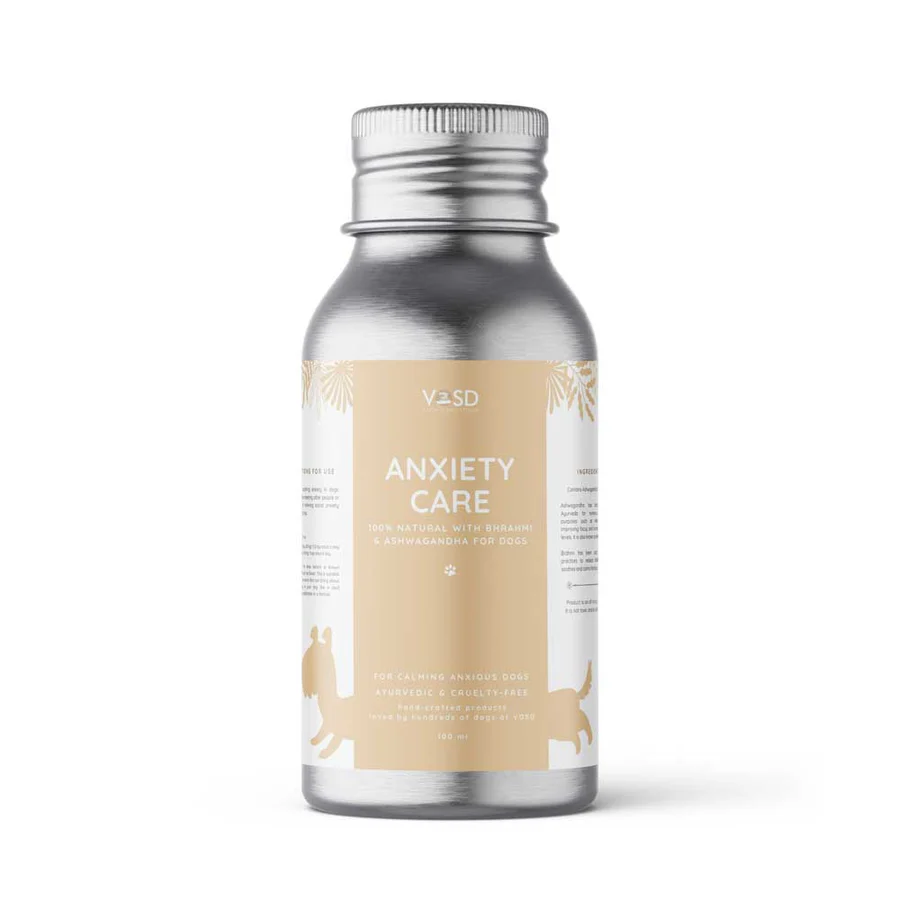
Dogs being monitored for Mobitz Type I heart block in dogs may benefit from a calm and consistent home environment, particularly if their activity is being restricted or if they are experiencing periodic episodes of weakness or fatigue. VOSD Anxiety Care is gently formulated to support dogs experiencing stress or unsettled behaviour during periods of health management. Always consult your veterinarian before introducing any supplement alongside cardiac monitoring or treatment.
Related Products
Prognosis and Long-Term Care
The prognosis for Mobitz Type I heart block in dogs is generally favourable, particularly when the condition is mild, associated with vagal tone, or secondary to a treatable underlying cause. Many dogs with this form of second-degree heart block live entirely normal and active lives with appropriate veterinary monitoring and no specific treatment required.
When Mobitz Type I is associated with underlying heart disease, prognosis depends more on the nature and severity of that primary condition than on the AV block itself. Regular cardiac reassessment is important in these cases to monitor for any progression of the block or worsening of the underlying disease.
Pet parents should be alert to any changes in their dog’s energy levels, exercise tolerance, or the occurrence of any fainting episodes, and should report these promptly to their veterinarian. Early identification of progression allows timely adjustment of the management plan.
When to Seek Veterinary Advice
Seek veterinary evaluation promptly if your dog experiences any of the following, whether or not a diagnosis of Mobitz Type I heart block in dogs has already been made:
- A fainting or collapse episode of any duration
- Sudden or progressive weakness, particularly if associated with exercise
- Worsening exercise intolerance compared with previous ability
- Pale or grey gums
- Any significant change in behaviour, energy, or appetite in a dog with a known cardiac history
For dogs without a current diagnosis, a slow or irregular heartbeat noticed at home, or persistent unexplained lethargy and weakness, are sufficient reasons to arrange a veterinary appointment. Early assessment is always preferable to waiting for symptoms to worsen.
Prevention and Heart Health Monitoring
Mobitz Type I heart block in dogs cannot be reliably prevented, as many of its causes, including vagal tone variation and age-related cardiac changes, are natural biological processes. However, there are practical steps that support cardiac health and early detection:
- Schedule routine annual or biannual veterinary examinations, including cardiac auscultation, particularly for dogs over seven years of age.
- Discuss breed-specific cardiac screening with your veterinarian if your dog belongs to a breed with known predisposition to heart disease.
- Report any changes in exercise tolerance, energy levels, or unusual episodes promptly rather than waiting for a scheduled appointment.
- Ensure regular blood tests include electrolyte assessment in senior dogs or those on long-term medications, as electrolyte imbalances are a reversible contributing factor to AV conduction problems.
Mobitz Type I Heart Block in Rescue and Community Dogs
Rescue organisations and animal welfare workers occasionally identify cardiac rhythm abnormalities in dogs during routine intake medical examinations. Mobitz Type I heart block in dogs is sometimes detected this way, particularly in older animals or those with a history of underlying health conditions. In many cases, the finding is mild and does not alter the dog’s suitability for rehoming, provided that appropriate monitoring is put in place and future caregivers are informed.
For dogs with more significant cardiac findings, consistent veterinary follow-up and compassionate management ensure that the animal’s quality of life is protected even when a complete resolution of the underlying condition is not possible. Accurate documentation of cardiac findings at intake helps rescue organisations support these dogs appropriately over the long term.
Summary
Mobitz Type I heart block in dogs is a second-degree cardiac conduction disorder that ranges from an incidental finding with no clinical impact to a condition requiring ongoing veterinary monitoring and management. Many dogs live comfortably and actively with Mobitz Type I heart block, particularly when the condition is associated with vagal tone or has been identified and managed early. If your dog has been diagnosed with Mobitz Type I heart block in dogs, or if you are concerned about their heart rhythm, energy levels, or exercise tolerance, please discuss your concerns openly with your veterinarian. Regular monitoring and early detection of any progression are the most effective tools available for keeping dogs with this condition comfortable and well supported.